How to Use Air Fryer: Easy Tips for Perfect Crispy Results
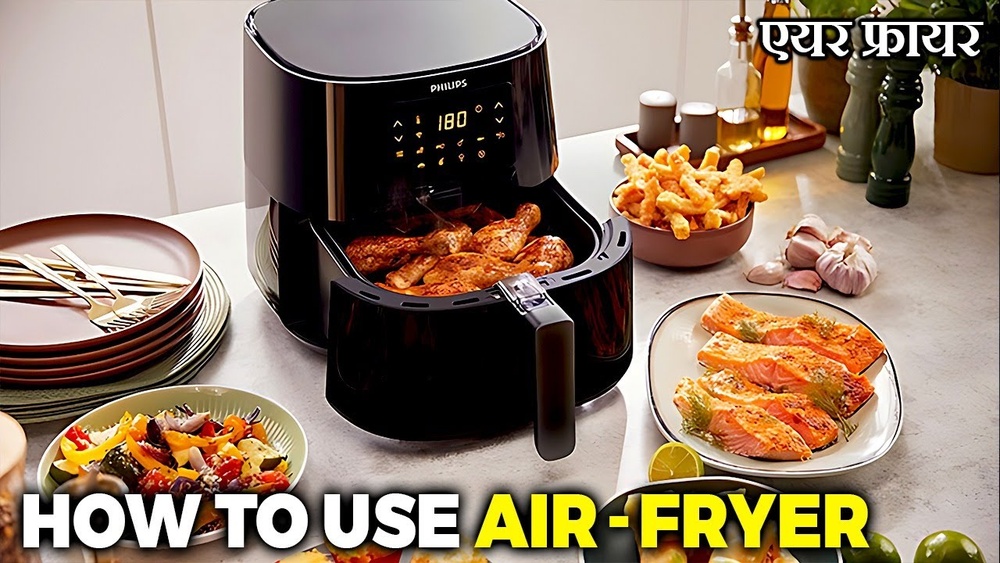
If you are looking for a way to enjoy fried food without all the oil, an air fryer is a smart choice. These kitchen devices have become very popular for good reason: they make crispy food using much less oil than traditional frying. But if you are new to air fryers, the different buttons, settings, and recipes may seem confusing.
This guide will show you exactly how to use an air fryer confidently, whether you want to make fries, chicken, or vegetables. You’ll learn how they work, what you can cook, and get practical tips that even many experienced users miss. With clear steps and helpful examples, you’ll soon feel like an air frying pro.
What Is An Air Fryer And How Does It Work?
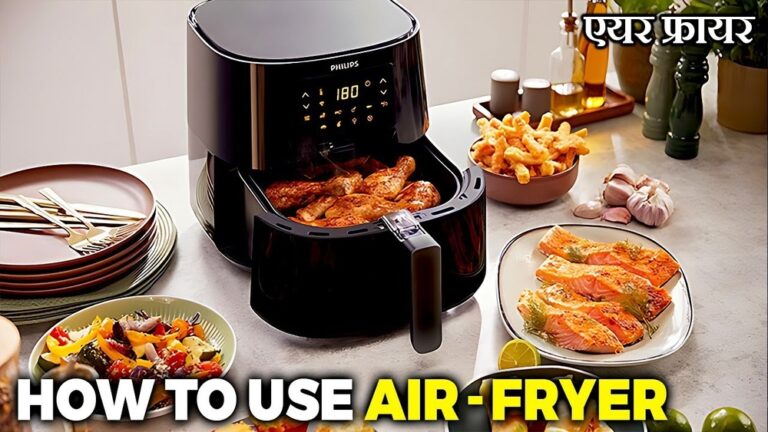
An air fryer is a small kitchen appliance that cooks food by circulating hot air around it. The cooking basket lets air move all around the food, making it crispy on the outside but tender inside. Air fryers use a heating element and a fan, and most need very little oil—sometimes just a spray. This method can cut fat in fried foods by up to 80% compared to deep frying.
Most air fryers have a removable basket, a control panel (for temperature and time), and sometimes special settings for different foods. Sizes range from 2 to 8 quarts, fitting anything from snacks to whole chickens.
Setting Up Your Air Fryer For The First Time
Before cooking, it’s important to set up your air fryer the right way:
- Take all packaging off and remove stickers from the appliance and basket.
- Wash the basket and pan with warm, soapy water. Dry them well.
- Place your air fryer on a flat, heat-resistant surface, away from walls and under cabinets. The fan needs space for good air flow.
- Plug in the air fryer and run it empty at 400°F (200°C) for 10 minutes. This “burn-in” removes any factory smells.
- Let it cool, then wipe the inside with a damp cloth.
Some air fryers may smell a little “new” the first few times you use them. This is normal and will fade after a few uses.
Cooking With An Air Fryer: Basic Steps
Air frying is simple, but a few basic steps ensure the best results.
- Preheat the air fryer (if your model needs it). Some newer air fryers heat up so fast that preheating is optional, but for even cooking, 3–5 minutes is helpful.
- Prepare your food. Cut ingredients into similar sizes for even cooking. Pat dry if needed, especially for potatoes or chicken.
- Add oil and seasoning. For most foods, 1–2 teaspoons of oil is enough. Toss food with oil and spices in a bowl, not in the basket.
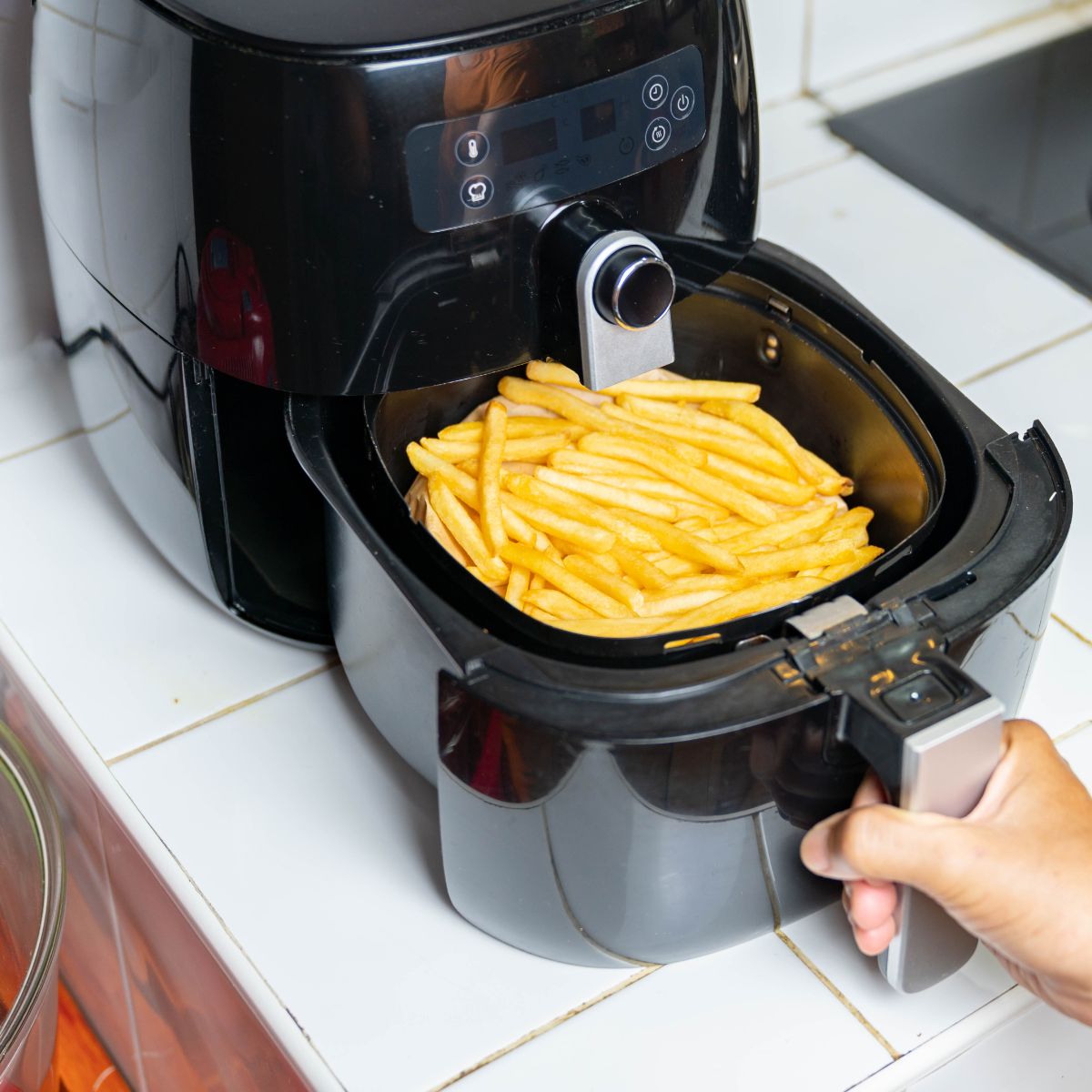
- Arrange food in the basket. Spread in a single layer for best crispiness. Overcrowding leads to uneven results.
- Set time and temperature. Common air frying temperatures are 350–400°F (175–200°C). Use recipes or the appliance guide for times.
- Shake or turn food. Halfway through, pull out the basket and shake or flip the food. This helps everything cook evenly.
- Check for doneness. Air fryers cook quickly, so check a few minutes before the timer ends. Use a thermometer for meats if needed.
Here is a quick comparison of air fryer cooking times for popular foods:
| Food | Temperature | Average Time |
|---|---|---|
| French Fries (fresh) | 380°F (193°C) | 18–22 min |
| Chicken Wings | 400°F (200°C) | 20–25 min |
| Brussels Sprouts | 375°F (190°C) | 12–15 min |
| Fish Fillets | 400°F (200°C) | 8–10 min |
| Frozen Mozzarella Sticks | 390°F (199°C) | 6–8 min |
Foods You Can Cook In An Air Fryer
One of the best things about air fryers is their versatility. Here are some examples:
- Frozen foods: French fries, chicken nuggets, fish sticks
- Fresh vegetables: Broccoli, cauliflower, carrots, bell peppers
- Proteins: Chicken breasts, wings, drumsticks, salmon, shrimp, tofu
- Snacks: Mozzarella sticks, samosas, spring rolls
- Baked goods: Cookies, small cakes, muffins
You can also reheat leftovers or crisp up pizza slices. However, foods with wet batters (like tempura) don’t work well unless pre-frozen.
Surprising Air Fryer Recipes
Many people only use air fryers for fries and wings. But you can also try:
- Roasted chickpeas (for a crunchy snack)
- Stuffed peppers
- Baked apples
- Hard “boiled” eggs (no water needed!)
- Homemade granola
These ideas show that air fryers are not just for typical fried foods.
Credit: gottlob-berlin.de
Tips For Best Results
Getting great results with an air fryer is not just about following recipes. These tips can take your cooking to the next level:
- Don’t overcrowd the basket. Space allows air to flow and food to crisp.
- Use oil sparingly. Too much can make food soggy.
- Shake or turn food. This ensures even browning.
- Pat food dry. Moisture prevents crispiness.
- Use parchment liners for sticky foods, but do not put them in during preheat (they can fly up and touch the heating element).
- Spray oil is better than pouring. It gives an even light coat.
- Monitor food near the end. Air fryers cook fast—check early to avoid burning.
- Let hot air escape after cooking. Open the basket for a minute to keep food crispy.
- Avoid aerosol sprays like PAM, which can damage the nonstick coating over time. Use a refillable oil sprayer instead.
- Preheat for baking. For cakes or muffins, preheating helps them rise well.
Many beginners forget to shake the basket or use too much oil, leading to uneven or soggy food. With practice, you’ll know exactly how your air fryer cooks your favorite dishes.
Cleaning And Maintenance
Cleaning your air fryer after each use will keep it working well and prevent unwanted smells.
- Unplug the air fryer and let it cool fully.
- Remove the basket and pan. Wash with warm, soapy water. Most are dishwasher safe, but check your manual.
- Wipe the inside. Use a damp cloth or sponge to remove grease from the heating element and walls.
- Check the fan and vents for food bits. Use a soft brush if needed.
- Dry all parts before reassembling.
Avoid using metal tools or harsh cleaners, which can scratch the nonstick coating. Regular cleaning also reduces the risk of smoke or odors the next time you use your air fryer.
Air Fryer Vs. Oven Vs. Deep Fryer
You may wonder how air fryers compare with other cooking methods. Here is a side-by-side look:
| Feature | Air Fryer | Oven | Deep Fryer |
|---|---|---|---|
| Cooking Time | 10–25 min | 20–60 min | 5–15 min |
| Oil Needed | 1–2 tsp | 1–2 tbsp | 2–6 cups |
| Crispiness | High | Medium | Very High |
| Calories/Fat | Low | Medium | High |
| Easy to Clean | Yes | Yes | No |
As you can see, air fryers offer a good balance between health, speed, and taste. They are faster and use much less oil than ovens or deep fryers.
Common Mistakes To Avoid
Even experienced cooks make errors with air fryers. Watch for these:
- Not shaking the basket. This leads to uneven cooking.
- Adding too much oil. Your food may turn soggy, not crispy.
- Skipping preheat. While not always needed, preheating helps for some recipes.
- Cooking wet-battered foods directly. The batter can drip and burn.
- Ignoring food size. Large or uneven pieces cook poorly.
- Not cleaning after use. Old oil can smoke and smell.
A less obvious tip: let your cooked food sit in the basket for a minute before serving. This helps it firm up and stay crispy. Also, avoid using metal utensils in the basket to protect the nonstick coating.
Credit: www.youtube.com
Choosing The Right Air Fryer
When buying an air fryer, think about these points:
- Capacity: Small (2–3 qt) for singles/couples, medium (4–5 qt) for families, large (6+ qt) for big groups or whole chickens.
- Wattage: Most are 1200–1800W. More power means faster cooking.
- Controls: Manual dials are simple, digital screens offer more precision and presets.
- Extra features: Some have rotisserie, dual baskets, or baking trays.
- Ease of cleaning: Removable, dishwasher-safe baskets are best.
Here’s a quick comparison of two popular types:
| Feature | Basket Style | Oven-Style |
|---|---|---|
| Shape | Drawer/Basket | Mini Oven with Racks |
| Space Needed | Less | More |
| Best For | Fries, wings, snacks | Pizza, toast, larger meals |
| Price Range | $50–$150 | $100–$300 |
Try to choose a model that matches your cooking habits and kitchen space.
Non-obvious Insights For Air Fryer Success
- Letting food cool slightly in the basket after cooking makes it crispier than serving immediately. The hot air dries the surface further.
- Layering food with parchment or foil (with holes poked in it) can help with sticky or delicate foods, but always allow enough space for air to flow.
- Marinades can drip: Place a slice of bread under the basket to catch drips and reduce smoke.
- Use the air fryer to revive leftovers: Pizza, fries, and fried chicken can taste fresh again with a short blast in the air fryer.
- Experiment with accessories: Grill pans, skewers, and baking cups can expand what your air fryer can do.
Most beginners never realize that resting food and using small tricks like foil liners can make a big difference in results.
Frequently Asked Questions
What Foods Should I Avoid In An Air Fryer?
Very wet batters (like pancake or tempura) do not work well, as they drip and burn. Also, avoid large roasts or whole chickens if your fryer is small—overcrowding leads to uneven cooking.
Can I Use Aluminum Foil Or Parchment Paper In My Air Fryer?
Yes, but only if you leave space for air to flow. Never block all the holes in the basket. Parchment liners with holes are best for easy cleanup.
Why Does My Air Fryer Smoke Sometimes?
This usually happens when fat or marinade drips onto the heating element. Clean after each use, and for extra greasy foods, put a little water or a slice of bread in the bottom pan to catch drips.
How Do I Reheat Leftovers In The Air Fryer?
Set the air fryer to 350°F (175°C). Most leftovers need 3–5 minutes. Pizza and fries come out especially well, as the hot air brings back crispiness.
Is Air Fried Food Really Healthier Than Deep Fried?
Yes. Air frying cuts fat by up to 80% because you use much less oil. According to the Harvard Medical School, air fryers can make fried foods lower in calories and fat, but keep in mind that portion size and what you cook still matter.
Air fryers are an easy way to make tasty, crispy food with less oil and less mess. Once you get used to the process, you’ll find yourself reaching for your air fryer for quick snacks, healthy meals, and even desserts.
With the right tips and a little practice, you can turn almost any recipe into an air fryer success.