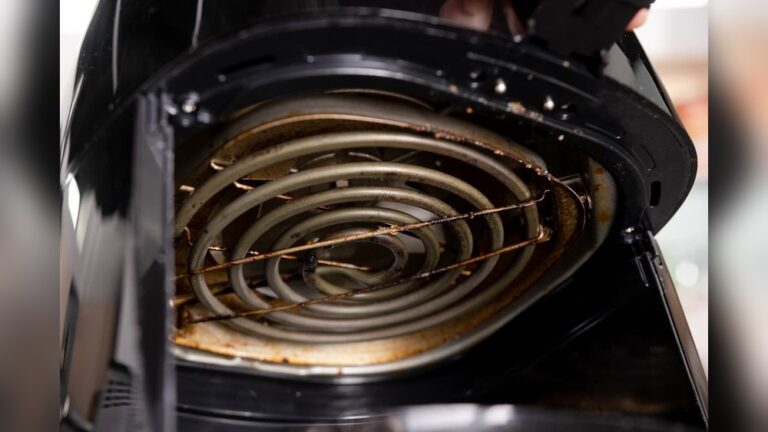
How to Use Silicone Tray in Air Fryer: Simple Steps & Tips
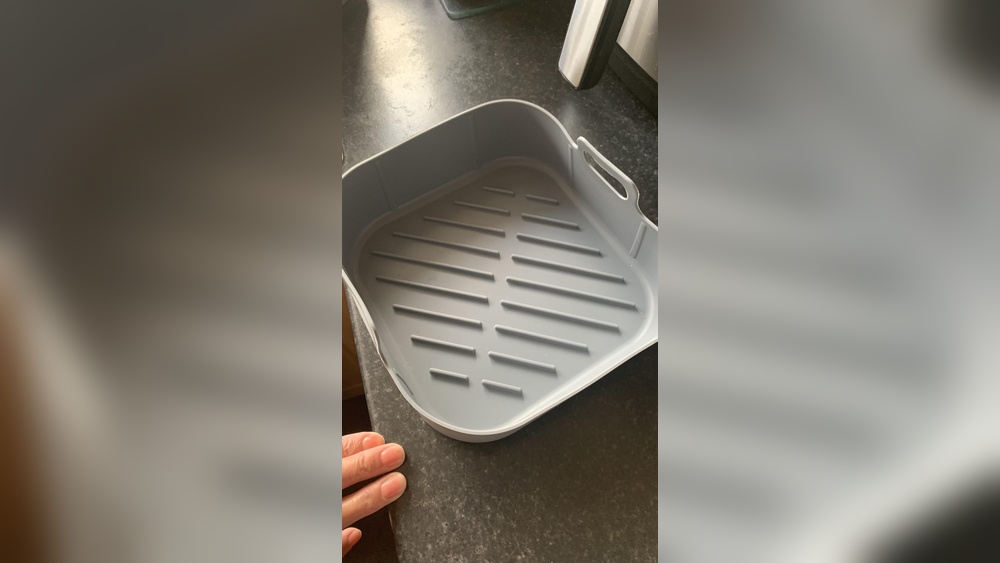
Using silicone trays in an air fryer is a game-changer for many home cooks. These flexible, heat-resistant trays offer a simple way to make air frying even more convenient, clean, and versatile. Whether you want to bake, roast, reheat, or cook sticky foods, a silicone tray can help you get better results with less hassle.
But how do you use a silicone tray in your air fryer the right way? And what should you look out for to avoid mistakes and get the most from this handy tool? Let’s dive into everything you need to know, with practical advice, step-by-step guidance, and tips that even experienced air fryer users sometimes miss.
What Is A Silicone Tray For Air Fryers?
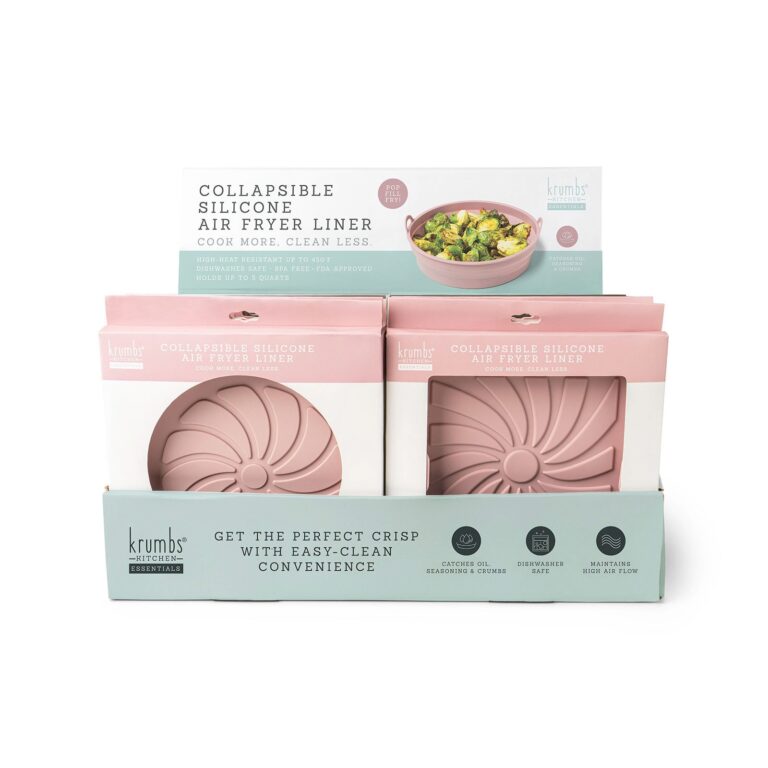
A silicone tray (sometimes called a silicone basket, liner, or mat) is a reusable container made from food-grade silicone. It fits inside the basket or rack of your air fryer, creating a nonstick, flexible surface for cooking. Silicone trays are usually safe up to 450°F (230°C), making them perfect for most air fryer recipes.
Here are some common features:
- Nonstick surface for easy food release
- Heat resistance and flexibility
- Dishwasher safe and easy to clean
- Available in multiple shapes and sizes
- Often have ridges or holes for better airflow
Unlike disposable parchment liners, a silicone tray is reusable and eco-friendly. It also helps keep your air fryer cleaner by catching oil and crumbs.
Why Use A Silicone Tray In Your Air Fryer?
Many air fryer owners wonder if a silicone tray is really necessary. After all, the basket is already nonstick, right? But using a silicone tray offers several real benefits:
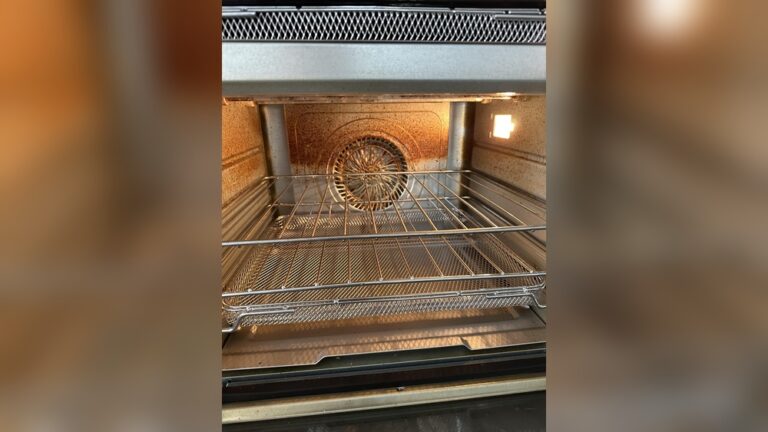
- Cleaner air fryer: Silicone trays catch drips, crumbs, and melted cheese, so you spend less time scrubbing your air fryer basket.
- No more sticking: Foods like fish, eggs, or sticky sauces slide off easily, reducing broken or torn food.
- More recipe options: You can make everything from omelets to brownies, which might be impossible in the mesh basket alone.
- Better portion control: Some trays have dividers, letting you cook different foods at the same time.
- Safer for delicate foods: The soft, flexible surface protects fish, baked goods, and other fragile items.
A less obvious benefit: using a silicone tray can sometimes improve crispiness. The tray’s ridged bottom helps lift food, allowing hot air to circulate underneath.
How To Choose The Right Silicone Tray
Not all silicone trays are created equal. Choosing the right one is important for safety, food quality, and easy cleaning. Here’s what to look for:
Size And Shape
- Measure your air fryer basket before buying. The tray should fit comfortably inside, with some space around the edges for airflow.
- Too small? Oil and crumbs will miss the tray. Too large? Hot air can’t circulate, and food cooks unevenly.
Material Quality
- Look for 100% food-grade silicone (BPA-free, FDA-approved).
- Cheap trays may smell, discolor, or degrade at high heat.
- Good silicone is flexible but sturdy, with no sticky or powdery feel.
Design Features
- Raised ridges or holes improve airflow and crispiness.
- Some trays have handles for easy removal.
- Dividers are useful for meal prepping or cooking different foods together.
Cleaning And Maintenance
- Choose trays labeled dishwasher safe for easy cleaning.
- Avoid trays with too many small holes, which can trap food bits and be hard to clean.
Here’s a quick comparison of common types:
| Type | Best For | Drawbacks |
|---|---|---|
| Flat Silicone Mat | Baking, pizzas, cookies | No edge to catch oil |
| Basket-Style Tray | General frying, roasting | May block airflow if too tall |
| Tray with Dividers | Cooking multiple foods | Less space for large items |
How To Use A Silicone Tray In Your Air Fryer: Step-by-step
Using a silicone tray in your air fryer is simple, but there are a few steps you should follow to get the best results.
1. Check Compatibility
Before anything else, make sure your silicone tray is safe for air fryer use. Look for heat resistance up to at least 400°F (200°C), or more if you cook at higher temperatures.
2. Prepare The Tray
Rinse the tray with warm water and soap before first use. Dry it thoroughly. While most silicone trays are nonstick, a light spray of oil can help with very sticky foods, like cheese or eggs.
3. Place The Tray In The Basket
- Insert the tray directly into the air fryer basket.
- Make sure it sits flat and does not block the air vents.
- Leave a little space on the sides for air to circulate.
4. Add Your Food
Arrange food in a single layer for best cooking. Avoid piling up food, as this prevents even air flow.
- For breaded or battered foods: Place them so the air can reach all sides.
- For baking: Pour batter or mixture directly into the tray.
5. Set Time And Temperature
You can usually use the same temperature and time as your regular air fryer recipes. However, sometimes you may need to add 1-2 minutes if the tray is thick or filled with dense batter, as silicone can slightly slow heat transfer.
6. Monitor Cooking
Silicone trays heat up quickly but do not get as hot as metal baskets. Check food halfway through cooking to see if it needs to be flipped or rotated for even browning.
7. Remove The Tray Safely
Silicone gets hot! Use oven mitts or tongs to lift the tray out. Most trays have handles, but they may still be hot to touch.
8. Clean Up
Let the tray cool before washing. Most are dishwasher safe, but hand washing with warm soapy water works well for sticky foods. Dry thoroughly before storing.

Credit: www.amazon.com
Common Mistakes To Avoid
Even experienced air fryer users can run into problems when using silicone trays. Here are some of the most common mistakes—and how to avoid them:
- Overfilling the tray: Too much food blocks airflow and leads to soggy results.
- Using the wrong size: A tray that’s too big or too small reduces crispiness and can even damage your air fryer.
- Blocking vents: Make sure the tray does not cover the heating element or air vents.
- Not preheating: Preheating helps silicone trays cook food more evenly, especially with baked goods.
- Neglecting to flip food: Some foods still need to be turned, even with a silicone tray, for even browning.
One beginner mistake is placing the tray on top of the basket’s mesh, thinking it helps airflow. In reality, the tray should sit directly in the basket, not above it, to prevent tipping or uneven cooking.
What Can You Cook In A Silicone Tray?
Silicone trays open up a world of new recipes in your air fryer. Here are just a few ideas:
- Eggs: Omelets, scrambled eggs, or mini frittatas
- Fish: Salmon or tilapia fillets
- Sticky foods: Chicken with honey glaze, BBQ wings
- Baked goods: Brownies, muffins, small cakes
- Roasted veggies: Especially those that might fall through the basket
- Leftovers: Reheat pizza or casseroles without sticking
A surprising use: silicone trays are great for catching drips when reheating frozen snacks or leftovers with cheese (like pizza or lasagna).
How To Get The Crispiest Results
Some people worry that silicone trays can block airflow and make food less crispy. While this can happen if the tray is too thick or overloaded, you can still get excellent results by following these tips:
- Use a tray with ridges or holes for better air circulation.
- Avoid overfilling—cook in batches if needed.
- Flip or shake food halfway through cooking.
- Place food in a single layer, with space between pieces.
- Lightly oil the tray for extra crispiness.
- Preheat the air fryer before adding your tray and food.
Here’s a quick look at how airflow affects crispiness:
| Tray Type | Airflow | Crispiness |
|---|---|---|
| Solid Silicone Tray | Low | Medium |
| Tray with Ridges | Medium | High |
| Tray with Holes | High | Best |
Cleaning And Maintenance Tips
Silicone trays are easy to clean, but a few tricks help them last longer and perform better:
- Rinse soon after use to prevent stains and odors.
- Use a soft sponge; avoid steel wool, which can damage the surface.
- For oily trays, sprinkle a little baking soda before washing to remove grease.
- Let the tray dry completely before storing to avoid moisture buildup.
If you notice a lingering smell, soak the tray in a mix of hot water and lemon juice for 30 minutes.

Credit: www.amazon.com
Safety Tips For Using Silicone In Air Fryers
Silicone is generally safe, but you should always use it properly:
- Never use a tray that is torn or damaged, as it could melt or leak.
- Don’t use trays above their maximum temperature rating.
- Avoid direct contact with the heating element.
- Only use food-grade silicone.
For extra peace of mind, you can review food safety guidelines from trusted sources like the U.S. Food and Drug Administration.
Two Insights Many Beginners Miss
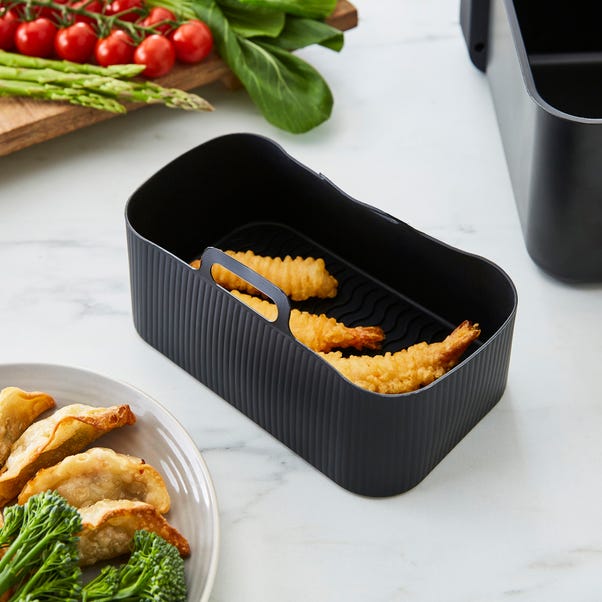
- You can stack multiple silicone trays in some air fryers (as long as they don’t block airflow). This lets you cook multiple dishes at once, great for meal prep or feeding a crowd.
- Silicone trays can double as prep containers: Mix your batter or marinate food right in the tray, reducing the number of dishes to wash.
Credit: www.dentalhousecr.com
Frequently Asked Questions
What Temperature Is Safe For Silicone Trays In Air Fryers?
Most silicone trays are safe up to 450°F (230°C). Always check the label. Do not use silicone above its rated temperature, as it can warp or give off odors.
Do Silicone Trays Affect Cooking Time?
Slightly. Silicone insulates food a bit, so you may need to add 1-2 minutes for thick or dense foods. For most recipes, the difference is minimal.
Can I Use A Silicone Tray With All Air Fryer Models?
Yes, as long as the tray fits your basket and doesn’t block vents. Always measure your basket first, and follow your air fryer’s manual.
Are Silicone Trays Dishwasher Safe?
Most high-quality silicone trays are dishwasher safe. Check the manufacturer’s instructions. Hand washing is also easy with warm soapy water.
Will Food Still Get Crispy In A Silicone Tray?
Yes, especially with trays that have ridges or holes. For best results, avoid overcrowding and flip food halfway through cooking.
Using a silicone tray in your air fryer adds convenience, expands your recipe options, and saves time on cleanup. With the right tray and a few simple tips, you can get delicious, crispy results every time—while keeping your air fryer looking like new.