How to Use the Air Fryer: Quick Tips for Perfect Results
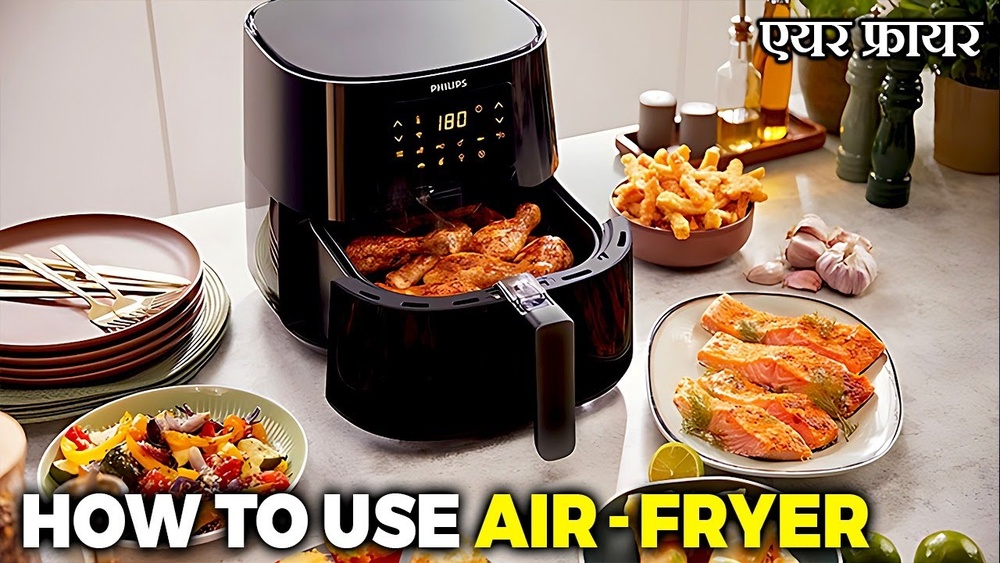
Air fryers have changed the way many people cook at home. With promises of crispy fries, juicy chicken, and delicious vegetables—all with less oil—these compact devices have become kitchen essentials worldwide. But for those new to air frying, questions often arise: How do you use an air fryer safely? Which foods work best? How do you get the tastiest results? This guide walks you through everything you need to know, from first-time setup to expert tips for perfect meals.
What Is An Air Fryer And How Does It Work?
An air fryer is a countertop appliance that cooks food using hot air circulation. It works a bit like a convection oven but is much smaller and faster. Inside, a heating element warms the air, while a fan quickly moves the hot air around the food. This process creates a crispy texture, similar to deep-frying, but with much less oil.
Air fryers are popular because they:
- Use up to 80% less oil than traditional deep fryers
- Cook food more quickly than a standard oven
- Are easy to clean and use
- Produce less smell and mess
Setting Up Your Air Fryer For The First Time
Before you cook your first meal, a few steps will help you get the best results:
- Unpack and Wash: Remove all packaging. Wash the basket and pan with warm, soapy water. Dry thoroughly.
- Place on a Flat Surface: Set your air fryer on a heat-resistant, flat counter. Make sure there’s space around it for air to move.
- Plug In and Preheat: Some recipes ask you to preheat the air fryer for 2-3 minutes. Check your manual—some models heat up almost instantly.
- Test Run (Optional): To remove factory smells, run the air fryer empty for 5-10 minutes at 200°C (400°F). Open windows if needed.
Credit: www.youtube.com
Choosing The Right Foods For Air Frying
Air fryers handle many foods well, but some work better than others. Here are common choices:
- Frozen snacks: Fries, nuggets, spring rolls
- Vegetables: Broccoli, cauliflower, zucchini, sweet potatoes
- Proteins: Chicken wings, fish fillets, shrimp, tofu
- Baked goods: Cookies, small cakes, muffins
- Reheating leftovers: Pizza, fried rice, breaded items
Avoid foods with a lot of wet batter or very light, dry items that may blow around.
Preparing Food For The Air Fryer
How you prepare food matters for both taste and safety.
- Cut Evenly: Chop ingredients into similar sizes for even cooking.
- Dry Well: Pat foods dry with paper towels. Extra moisture can prevent crispiness.
- Add a Little Oil: For best texture, toss foods with 1-2 teaspoons of oil. Too much oil can cause smoking.
- Season Before Cooking: Add salt, pepper, and spices before air frying. This helps flavors stick.
Air Fryer Cooking Times And Temperatures
Every air fryer is a bit different, but these guidelines help you get started. Always check your own manual for best results.
| Food | Temperature (°C) | Time (minutes) | Shake/Flip? |
|---|---|---|---|
| French Fries (fresh) | 200 | 15-20 | Yes (halfway) |
| Chicken Wings | 200 | 20-25 | Yes (halfway) |
| Fish Fillet | 180 | 8-12 | Optional |
| Broccoli | 190 | 8-10 | Yes (halfway) |
| Frozen Nuggets | 200 | 10-12 | Optional |
Non-obvious insight: Cooking times can change based on how full your basket is. Overloading the basket will slow down cooking and reduce crispiness.
How To Use An Air Fryer: Step-by-step
Follow these steps for a safe and tasty air frying experience:
- Preheat if Needed: Some recipes and air fryers need preheating. Set the temperature and let it heat for 2-3 minutes.
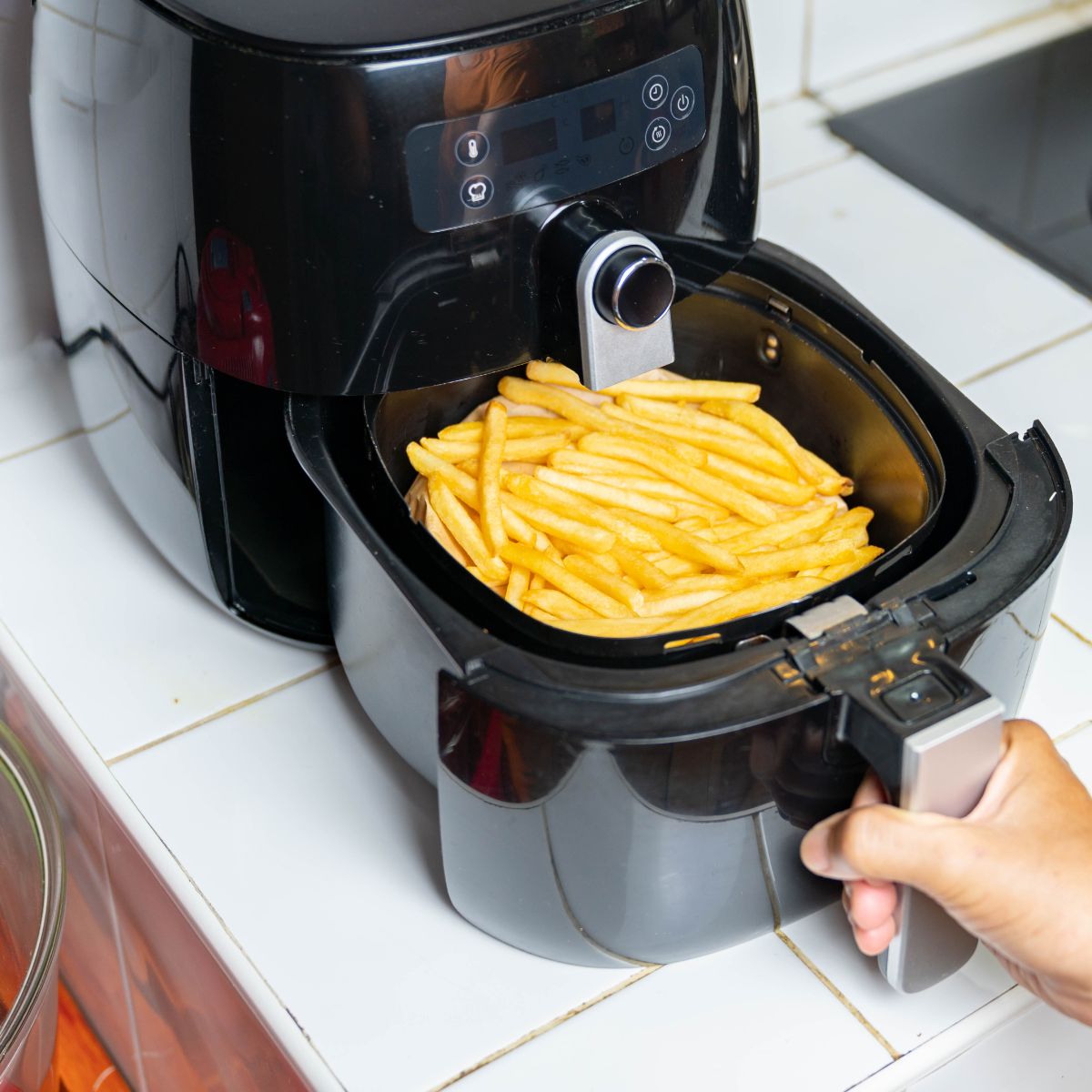
- Arrange Food in Basket: Place food in a single layer. Overlapping makes food less crispy.
- Set Time and Temperature: Use the controls to set the correct time and temperature for your food.
- Shake or Flip: About halfway through, pull out the basket and shake or flip the food. This helps even cooking.
- Check for Doneness: Open the basket and check food before the timer ends. Add a few extra minutes if needed.
- Serve Hot: Air-fried food tastes best right away.
Credit: www.alsothecrumbsplease.com
Safety Tips For Using An Air Fryer
Air fryers are safe, but a few rules keep you and your kitchen protected.
- Never place on the stove: The base can melt or catch fire if exposed to heat.
- Keep space around the fryer: Allow at least 10 cm (4 inches) of air space for ventilation.
- Do not overfill: Too much food can block air flow and cause uneven cooking.
- Use oven mitts: The basket and pan get very hot.
- Empty oil tray carefully: After fatty foods, let the fryer cool before cleaning out dripped oil.
Non-obvious insight: Some air fryers get very hot underneath. Place a heat-resistant mat under your fryer to protect your counters.
Cleaning And Maintaining Your Air Fryer
Keeping your air fryer clean helps food taste better and keeps your machine working longer.
- Unplug and Cool Down: Always let the fryer cool before cleaning.
- Wash Removable Parts: The basket and pan are often dishwasher safe. If not, soak in warm soapy water, then scrub with a non-abrasive sponge.
- Wipe Main Unit: Use a damp cloth for the outside and inside (avoid heating element).
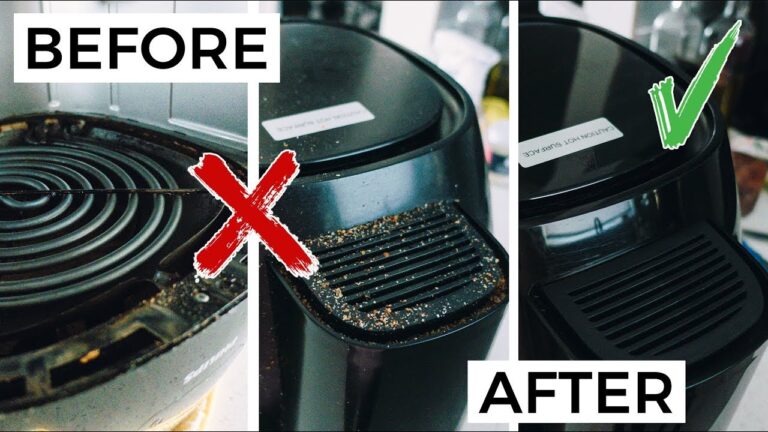
- Remove Oil Build-Up: Check for oil or residue under the basket and in corners.
- Dry Thoroughly: Make sure all parts are dry before reassembling.
Tips For Better Results
Even small changes can make a big difference in air frying.
- Don’t overcrowd: More air space means crispier food.
- Use parchment liners: Special air fryer parchment paper with holes can prevent sticking and make clean-up easier.
- Spray oil instead of pouring: An oil spray bottle covers food evenly and uses less oil.
- Experiment with shaking: Some foods need shaking more often, especially small items like fries.
- Try different seasonings: Air frying works well with dry rubs and spice mixes.
Mistakes To Avoid When Using An Air Fryer
- Using too much oil: More oil does not mean crispier food. It may cause smoke and soggy textures.
- Skipping the shake or flip: Food may cook unevenly if not moved during cooking.
- Ignoring cooking times: Not all air fryers are the same—always check before the timer ends.
- Cooking wet-batter foods: Liquid batter drips and burns. Try breading instead.
- Overfilling the basket: Crowding slows down cooking and makes food less crispy.
Air Fryer Vs Other Cooking Methods
To help you see how air frying compares with other methods, here’s a simple comparison:
| Method | Oil Needed | Cooking Speed | Texture | Clean Up |
|---|---|---|---|---|
| Air Fryer | Very little | Fast | Crispy | Easy |
| Oven Baking | Some | Medium | Less crispy | Medium |
| Deep Frying | A lot | Fast | Very crispy | Messy |
| Microwave | None | Very fast | Soft | Easy |
Quick Recipes To Try In Your Air Fryer
Air Fryer French Fries
- Ingredients: 2 medium potatoes, 1 tbsp oil, salt
- Instructions: Peel and slice potatoes into thin sticks. Soak in cold water for 30 minutes, then dry well. Toss with oil and a pinch of salt. Air fry at 200°C for 15-20 minutes, shaking halfway.
Air Fryer Chicken Drumsticks
- Ingredients: 4 drumsticks, 1 tbsp oil, 1 tsp paprika, salt, pepper
- Instructions: Pat chicken dry, rub with oil and seasonings. Air fry at 200°C for 20-25 minutes, flipping halfway. Check that juices run clear.
Air Fryer Roasted Broccoli
- Ingredients: 2 cups broccoli florets, 1 tsp oil, salt, pepper
- Instructions: Toss broccoli with oil and seasoning. Air fry at 190°C for 8-10 minutes, shaking halfway.
Air Fryer Cooking For Special Diets
Air fryers are useful for many diets:
- Low-fat: Use less oil while still getting a crispy result.
- Vegetarian/Vegan: Great for vegetables, tofu, and meat substitutes.
- Gluten-free: Air fry gluten-free breaded items or make your own snacks.
- Keto: Air fry cheese crisps, bacon, or low-carb vegetables.
Choosing The Best Air Fryer For Your Needs
When buying an air fryer, think about these factors:
- Size: Common sizes are 2-5 liters. For singles or couples, a small one is enough. For families, choose at least 4 liters.
- Shape: Some are basket-style, others are oven-style with racks. Baskets are better for fries and nuggets; racks can fit more food types.
- Controls: Digital models are easier to set precisely. Manual dials are simple but less exact.
- Extra features: Some air fryers have rotisserie or baking functions.
- Cleaning: Removable, dishwasher-safe baskets save time.
You can find more detailed reviews on Consumer Reports.
Storing And Reheating Food With An Air Fryer
Air fryers are excellent for reheating leftovers. Pizza, fries, and breaded foods become crispy again without drying out. Set the air fryer to 170°C (340°F) and heat for 2-4 minutes, checking often.
For storage, let air-fried foods cool fully, then place in airtight containers. Reheat in the air fryer for best texture.
Frequently Asked Questions
How Much Oil Do I Really Need In An Air Fryer?
Usually, 1-2 teaspoons of oil is enough for most foods. For frozen items, you might not need any oil at all. Use an oil spray for even coverage.
Can I Cook Raw Meat In An Air Fryer?
Yes, you can cook raw chicken, beef, or fish in an air fryer. Make sure to check the internal temperature: chicken should reach 75°C (165°F), and beef or fish should reach safe levels.
Why Is My Food Not Crispy In The Air Fryer?
The most common reasons are overcrowding the basket or not using enough oil. Shake or flip food halfway, and avoid stacking pieces.
Is Air Frying Healthier Than Deep Frying?
Yes. Air frying uses much less oil, which means fewer calories and less fat. According to Healthline, it may lower the risk of harmful compounds found in deep-fried foods.
Can I Use Aluminum Foil Or Parchment Paper In The Air Fryer?
Yes, but only in the basket and never covering the entire bottom. Use perforated parchment paper or foil with holes to keep air moving and prevent burning.
With these steps and tips, air frying is simple, safe, and delicious. Once you master the basics, you’ll find endless ways to enjoy your favorite foods with less oil and less mess.