How to Use a Air Fryer: Quick Tips for Perfect Results
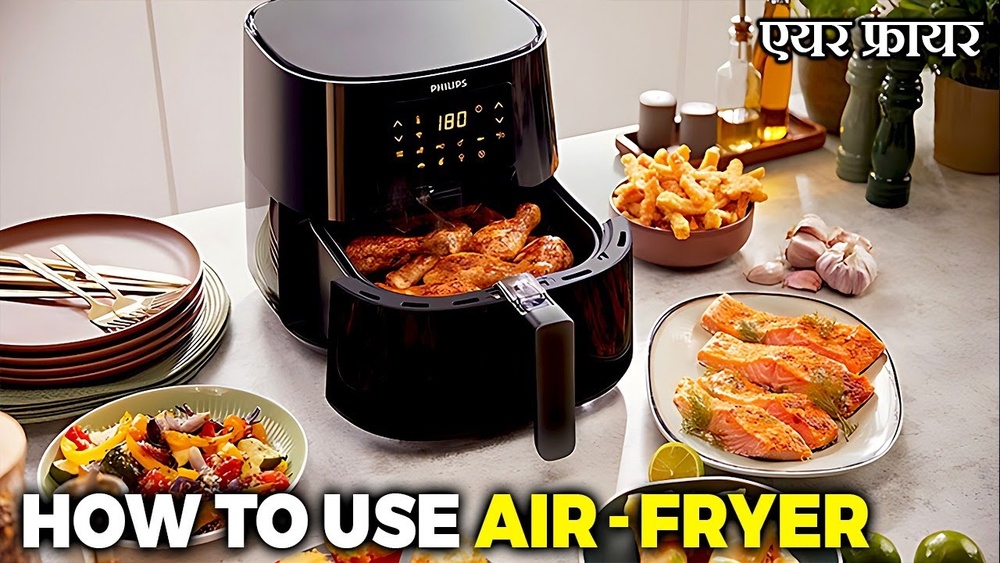
Air fryers are changing the way people cook at home. These small kitchen appliances use hot air to make food crispy, much like deep frying, but with less oil. If you want to enjoy fried foods without the extra calories and fat, an air fryer is a smart choice.
Learning how to use one properly can help you cook tastier, healthier meals with ease.
Many people buy air fryers but feel unsure about how to use them well. Some worry about getting food just right, or about cleaning and maintaining the appliance. This guide covers everything you need to know to use an air fryer confidently, from setup to cleaning, and gives practical advice to help you avoid common mistakes.
Whether you’re a beginner or want to improve your skills, you’ll find clear steps and helpful tips here.
Understanding How An Air Fryer Works
An air fryer cooks food using hot air circulation. It has a heating element and a powerful fan. When you turn it on, the air inside heats up and moves quickly around your food. This makes the outside crispy, while the inside stays juicy.
A common misconception is that air fryers are just tiny ovens. While they are similar, air fryers move air faster and focus heat more directly. This speeds up cooking and improves texture. For most foods, you need little or no oil, which means fewer calories and less fat than deep frying.
Setting Up Your Air Fryer
Before you start cooking, you need to set up your air fryer correctly. Here’s how:
- Choose a flat surface: Place your air fryer on a stable countertop, away from walls and objects. Hot air needs space to flow.
- Check the basket: Remove the basket or tray and wash it with soap and water. Dry it before putting it back.
- Plug it in: Use a dedicated outlet. Avoid extension cords, as air fryers use a lot of power.
- Read the manual: Each air fryer model is a bit different. Check the instructions for any special steps.
Most air fryers are ready to use in minutes. Some models require a “test run” before cooking food. This means running the air fryer empty for a few minutes to remove any factory smells.
Choosing Foods For Air Frying
Air fryers are versatile. You can cook many foods, including:
- Frozen fries and nuggets
- Chicken wings and drumsticks
- Fish fillets
- Vegetables like broccoli, carrots, or bell peppers
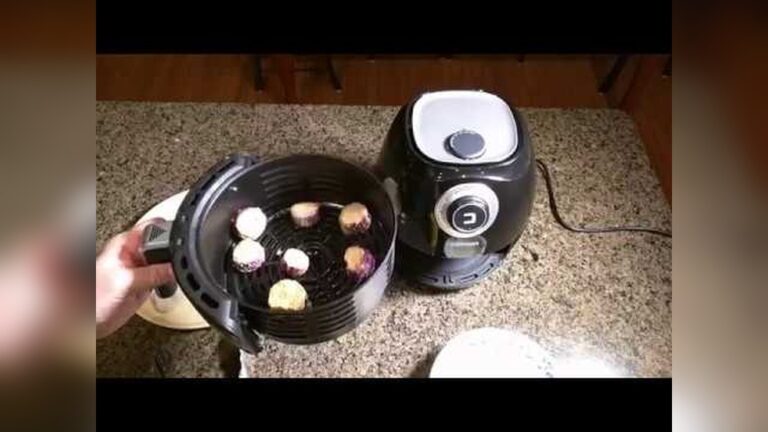
- Pastries, such as donuts or croissants
Fresh foods usually need a thin coating of oil for the best texture. Frozen foods often have oil already, so you don’t need extra.
Not all foods are ideal for air fryers. Wet batters, soups, and cheese-heavy dishes can cause problems. Foods with high water content may get soggy.
Preparing Food For Air Frying
To get crispy, tasty results, prepare your food properly:
- Cut evenly: Slice your food into equal pieces. This helps everything cook at the same speed.
- Pat dry: Remove moisture from the surface. This is especially important for chicken, fish, and veggies.
- Add oil: For best crispiness, use a small amount of oil. Spray or toss food lightly. Too much oil can lead to greasy results.
- Season well: Add salt, pepper, or spices. Seasoning sticks better with a little oil.
Pro tip: If you want extra crunch, try coating foods in breadcrumbs or flour before air frying.
Using Your Air Fryer: Step-by-step
Let’s walk through how to cook with your air fryer:
- Preheat the air fryer: Some models need preheating. Usually, 2–5 minutes is enough. Preheating helps food cook evenly.
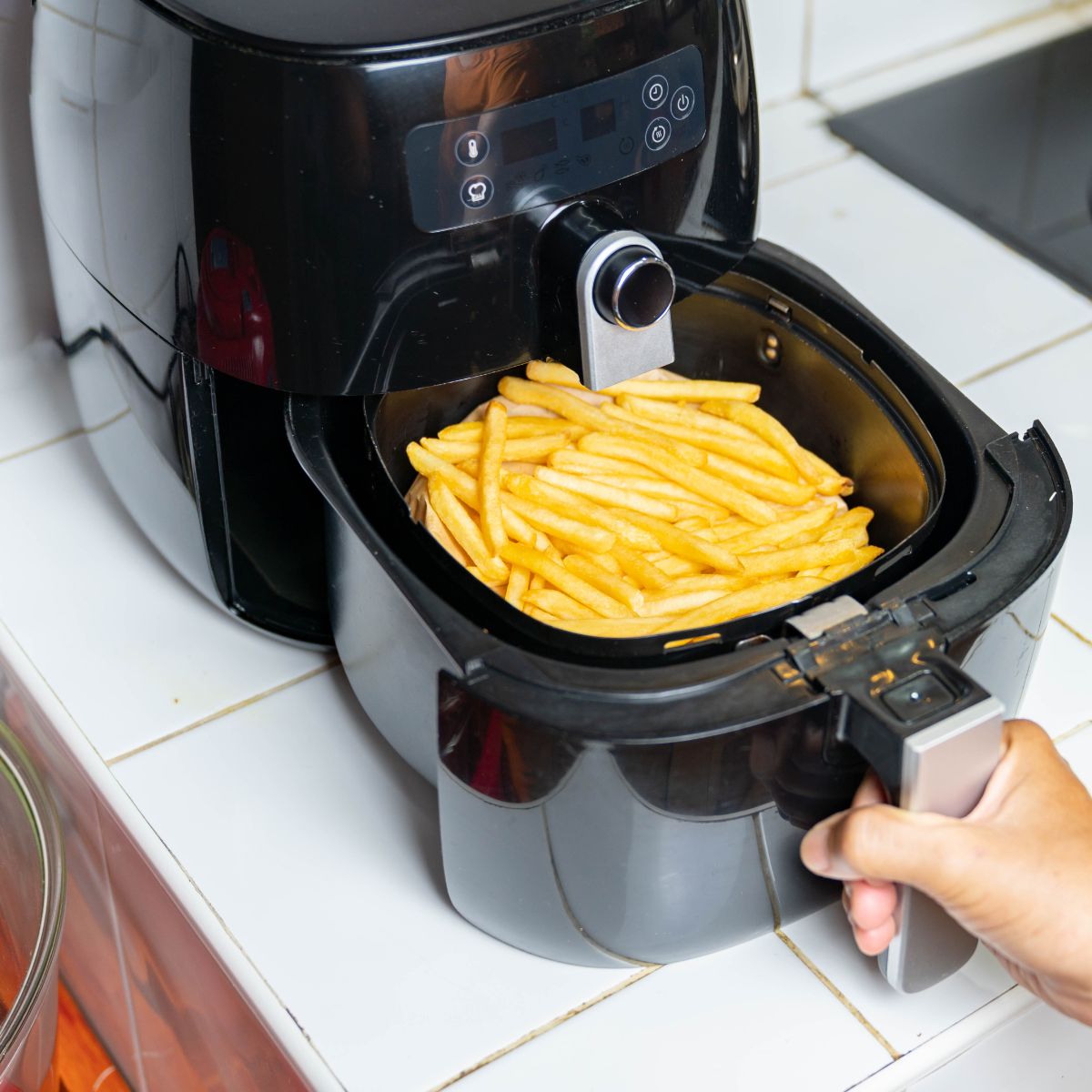
- Place food in the basket: Don’t overcrowd. Food should be in a single layer, with space for air to move.
- Set temperature and time: Common settings are 180°C (360°F) for fries, 200°C (400°F) for chicken. Follow your recipe or the air fryer’s guide.
- Shake or turn food: Halfway through cooking, open the basket and shake or flip food. This ensures all sides get crispy.
- Check for doneness: Use a fork or thermometer to check if food is cooked through.
- Serve immediately: Air-fried foods taste best when fresh and hot.
Non-obvious insight: For thick foods like chicken breasts, slice them thinner for faster, even cooking. For veggies, toss with a pinch of cornstarch for extra crunch.
Cooking Time And Temperature Examples
Here’s a handy comparison of cooking times and temperatures for popular foods:
| Food | Temperature (°C/°F) | Time (minutes) | Notes |
|---|---|---|---|
| French Fries | 180°C / 360°F | 15–20 | Shake halfway |
| Chicken Wings | 200°C / 400°F | 20–25 | Flip halfway |
| Fish Fillets | 180°C / 360°F | 10–12 | Check early |
| Vegetables | 200°C / 400°F | 10–15 | Stir once |
| Frozen Nuggets | 200°C / 400°F | 12–15 | No oil needed |

Credit: greenpan.com.au
Air Fryer Vs. Traditional Frying
To understand the benefits, let’s compare air frying with deep frying:
| Aspect | Air Fryer | Deep Fryer |
|---|---|---|
| Oil Used | 1–2 tbsp | 1–2 liters |
| Calories | Lower | Higher |
| Cooking Time | Faster for small batches | Fast, but setup longer |
| Cleanup | Simple | Messy |
| Texture | Crispy, less greasy | Very crispy, greasy |
| Odor | Minimal | Strong fried smell |
Cleaning And Maintaining Your Air Fryer
Proper cleaning keeps your air fryer working well and prevents smells. Here’s what to do:
- Unplug and cool down: Always wait until the air fryer is cool and unplugged.
- Remove the basket and tray: Wash them with warm soapy water. Most are dishwasher safe.
- Wipe inside: Use a damp cloth to clean the inside and outside. Avoid harsh chemicals.
- Remove stuck food: If food is stuck, soak the basket for 10–15 minutes.
- Clean heating element: Every few uses, wipe the heating element gently.
Non-obvious insight: Air fryers work best when the basket is dry before cooking. Moisture left from washing can make food less crispy.
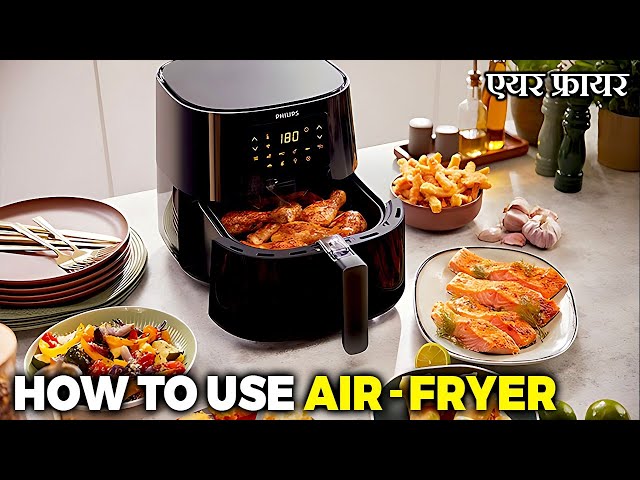
Credit: www.youtube.com
Tips For Better Air Fryer Results
Using an air fryer is simple, but these tips can make your food even better:
- Don’t overcrowd: Too much food blocks air. Cook in batches if needed.
- Preheat for even cooking: This is especially helpful for meats.
- Use oil sprays: Sprays give better coverage than pouring oil.
- Experiment with spices: Try different herbs and spices for variety.
- Shake or stir: Always move food halfway through cooking.
- Check food early: Air fryers cook fast. Check before the timer ends to avoid burning.
Some air fryers have extra functions like baking, roasting, or dehydrating. Read your manual to learn what your model can do.
Mistakes To Avoid
Many beginners make common mistakes with air fryers. Here’s what to watch out for:
- Using too much oil: Air fryers need only a little oil. Too much can create smoke or soggy food.
- Not shaking the basket: Food can cook unevenly if you don’t shake or stir.
- Cooking wet foods: Foods with a lot of moisture can steam rather than fry.
- Ignoring preheating: Skipping preheating can lead to uneven cooking.
- Overfilling the basket: Crowding blocks airflow and stops crisping.
- Not cleaning regularly: Grease builds up and affects taste.
- Setting wrong temperature: Too high can burn, too low can leave food undercooked.
Credit: www.alsothecrumbsplease.com
How To Choose The Right Air Fryer
If you don’t have an air fryer yet, choosing the right model matters. Here are key factors:
| Feature | Why It Matters | Common Options |
|---|---|---|
| Size/Capacity | Fits your family and kitchen | 2–6 liters |
| Power | Affects cooking speed | 1200–1800 watts |
| Controls | Ease of use | Digital or manual |
| Functions | Versatility | Air fry, bake, roast, grill |
| Cleaning | Easy maintenance | Dishwasher safe baskets |
Common mistake: Buying a small air fryer for a large family. Check the basket size before buying.
For more details on air fryer technology and history, you can visit Wikipedia.
Safety Tips
Air fryers are safe when used correctly. Here’s how to avoid problems:
- Keep away from water: Never use near a sink or wet area.
- Don’t touch hot surfaces: Handles and baskets get hot. Use oven mitts.
- Let steam escape: Open basket slowly after cooking.
- Supervise children: Kids may be curious but should not operate the air fryer alone.
- Unplug after use: Prevents accidental starts.
Frequently Asked Questions
How Much Oil Do I Need To Use In An Air Fryer?
Usually, you need only 1–2 teaspoons of oil for most foods. Some frozen foods do not need any extra oil. Using too much oil can make food greasy and cause smoke.
Can I Cook Raw Meat In An Air Fryer?
Yes, you can cook raw chicken, beef, fish, and other meats in an air fryer. Make sure to check the internal temperature. Chicken should reach at least 75°C (165°F) for safety.
Why Is My Food Not Crispy In The Air Fryer?
This happens if food is too wet, overcrowded, or if you skip adding oil. Dry your food well, cook in single layers, and use a little oil for better crispiness.
Can I Put Aluminum Foil In An Air Fryer?
Yes, you can use aluminum foil or parchment paper in most air fryers, but never cover the whole basket. Air must flow freely. Always check your air fryer manual first.
How Often Should I Clean My Air Fryer?
Clean the basket and tray after every use. Wipe the inside once a week, and clean the heating element every month, depending on usage.
Air fryers are a great tool for healthier, faster cooking. They are simple to use, easy to clean, and can handle a wide range of foods. With these steps and tips, you can get the most out of your air fryer and enjoy delicious meals every day.
Remember, practice makes perfect. Try different recipes, learn from your results, and soon you’ll be an air fryer expert in your own kitchen.