How to Use Blackstone Griddle Seasoning: Ultimate Guide for Perfect Flavor
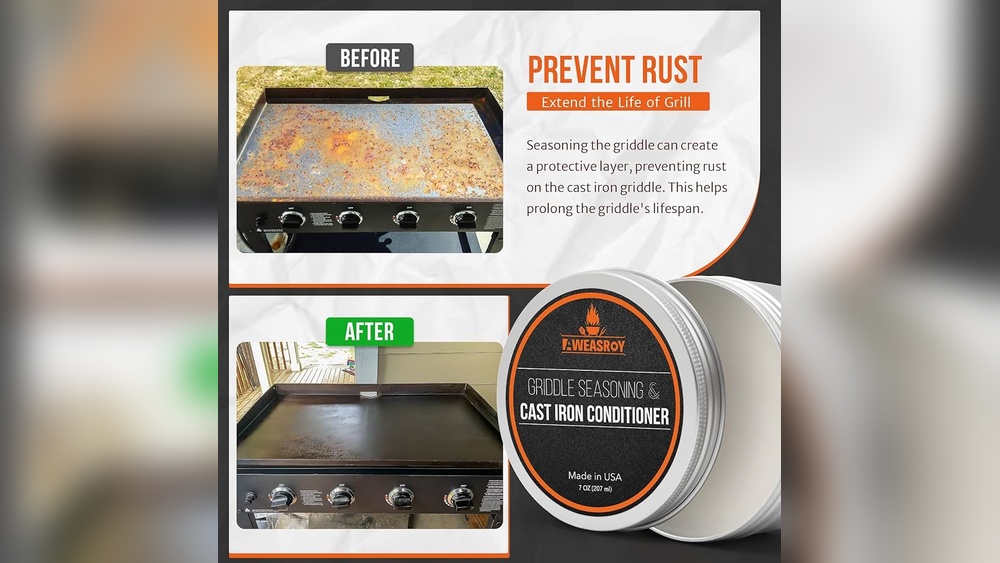
If you want your Blackstone griddle to cook like a pro’s, mastering the seasoning process is your first step. Seasoning creates a natural non-stick surface that protects your griddle and brings out amazing flavors in your food.
But how exactly do you use Blackstone griddle seasoning to get that perfect, even coating every time? In this guide, you’ll discover the simple, step-by-step method to season your griddle right—no guesswork, no mess. Follow these tips and tricks, and you’ll be ready to grill, sear, and sizzle with confidence.
Keep reading to unlock the secret to a long-lasting, perfectly seasoned Blackstone griddle that makes every meal unforgettable.

Credit: www.amazon.ae
Preparing The Griddle
Preparing your Blackstone griddle before seasoning is essential. It ensures a smooth, even coating that protects the surface. Taking time to prepare the griddle improves cooking results and extends its life. Follow these simple steps to get your griddle ready.
Cleaning Before Seasoning
Remove any dirt, dust, or oils left from shipping. Use warm water and mild soap for cleaning. Scrub the surface gently with a soft sponge or cloth. Avoid harsh cleaners that can damage the griddle. Rinse the surface well to remove all soap residue. Clean the sides and edges to prevent rust spots.
Drying The Surface
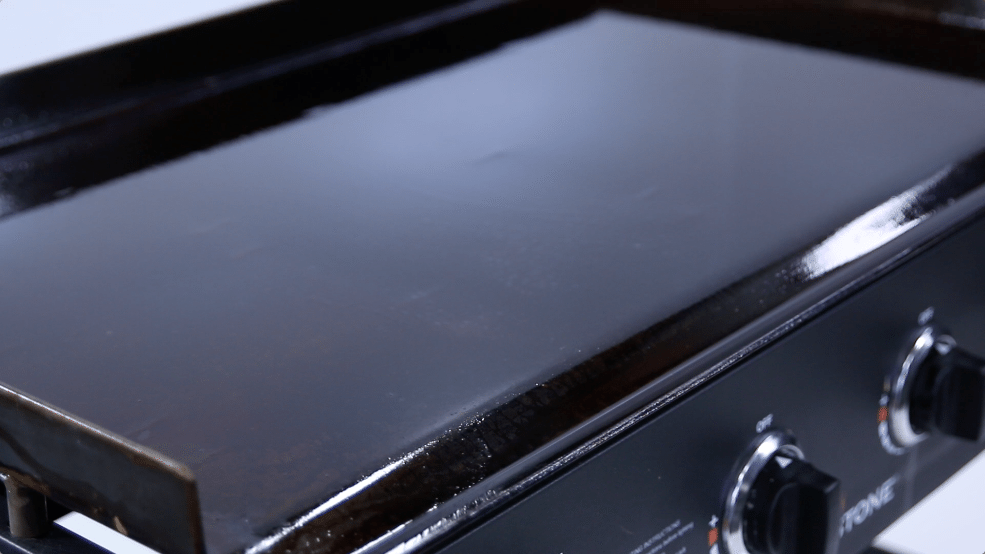
Dry the griddle completely after washing. Use a clean towel to wipe off all moisture. Heat the griddle on high for a few minutes to evaporate any leftover water. Make sure no water spots remain before applying oil. A dry surface helps the seasoning stick better and prevents rust.
Credit: blackstoneproducts.com
Choosing The Right Oil
Choosing the right oil is key to seasoning your Blackstone griddle properly. The oil creates a protective, non-stick coating on the surface. It must handle high heat without burning or smoking too early. Using the wrong oil can cause sticky spots or uneven layers. Pick oils that can withstand strong heat and help form a smooth, durable seasoning layer. This section explains the best oils to use and special seasoning products that work well.
High Smoke Point Oils
Oils with a high smoke point work best for seasoning. They can handle the griddle’s heat without burning quickly. Canola oil, avocado oil, and grapeseed oil are popular choices. These oils reach smoke points above 400°F, perfect for Blackstone griddles. Applying a thin layer of these oils helps form a strong, even seasoning. Avoid oils like olive or butter, as they burn too fast and leave residue. Always wipe off extra oil to prevent sticky patches.
Specialized Seasoning Products
Some products are made specifically for seasoning griddles. These contain oils and additives that improve the seasoning process. They spread evenly and create a tough, long-lasting coating. Blackstone offers its own seasoning conditioner, designed for its griddles. These products simplify seasoning and reduce the risk of sticky or uneven layers. Use them as directed for a smooth, professional finish on your griddle surface.
Applying The First Layer
Applying the first layer of seasoning on your Blackstone griddle is a vital step. This layer creates a protective coating that prevents rust and builds a non-stick surface. Proper application ensures the oil bonds well with the metal. A smooth, even layer helps avoid sticky or uneven patches later.
Even Thin Coating
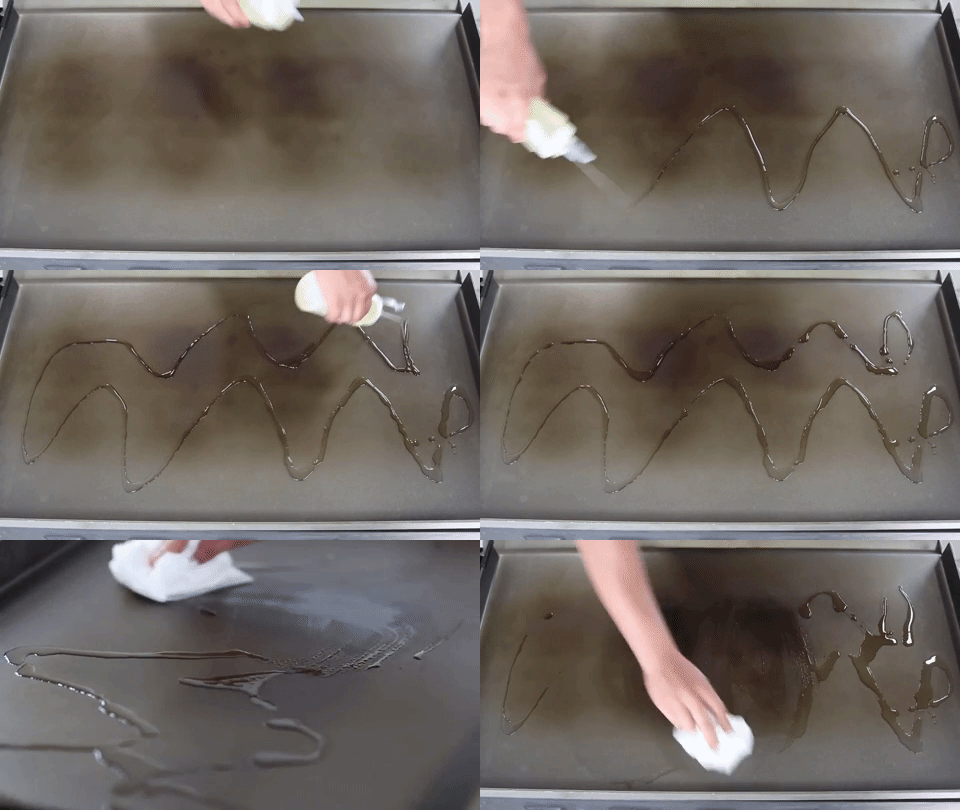
Start with a clean, dry griddle surface. Pour a small amount of high smoke point oil onto the griddle. Use a paper towel or cloth to spread the oil evenly. Make sure the coating is very thin and covers the entire cooking surface. Include the edges and sides for full protection. Avoid thick layers; they can become sticky and uneven.
Removing Excess Oil
After spreading the oil, take a fresh paper towel. Wipe the surface gently to remove any extra oil. The goal is a light, almost invisible layer. Excess oil can pool and cause sticky spots when heated. Removing it helps the oil bond correctly with the metal. This step prepares your griddle for the heating process to build a strong seasoning layer.
Credit: blackstoneproducts.com
Heating Process
The heating process is a vital step in seasoning your Blackstone griddle. Proper heating helps the oil bond to the surface, creating a smooth, non-stick layer. This layer protects the griddle from rust and improves cooking performance. Understanding how to control heat during seasoning ensures the best results.
Using High Heat
Start by turning all burners to high heat. This high temperature helps the oil reach its smoking point quickly. Heating the griddle evenly prevents uneven seasoning. Keep the heat steady to allow the oil to polymerize. Polymerization forms a strong, durable coating on the griddle surface. Avoid lowering the heat too soon during this stage.
Recognizing Smoking Stage
Watch closely for smoke rising from the griddle. Smoke signals the oil is breaking down and bonding to the metal. This stage usually lasts a few minutes. Let the smoke burn off completely before turning off the heat. Stopping too early may cause sticky or uneven seasoning. When smoke disappears, the seasoning layer is set and ready to cool.
Burning Off Residue
Burning off residue is a key step in seasoning your Blackstone griddle. It removes leftover oils, food particles, and impurities. This process helps create a smooth, non-stick surface. Burning off residue also prepares the griddle for better oil bonding. Follow these steps carefully for best results.
Allowing Smoke To Clear
After applying oil, turn the burners to high heat. The oil will start to smoke as it heats. Let the smoke rise and clear naturally. Do not cover the griddle or block airflow. Smoke signals the oil is burning off residue and forming a coating. Wait until the smoke fades completely before lowering heat or turning off burners.
Managing Heat Levels
Keep the heat high enough to maintain smoking but avoid flames. High heat helps oil polymerize and bond with the griddle surface. Lowering heat too soon can cause uneven seasoning. If the smoke stops before residue burns off, increase the heat slightly. Use a steady, controlled flame for the best seasoning layer.
Repeating The Seasoning
Repeating the seasoning process on your Blackstone griddle builds a strong, durable cooking surface. Each additional layer adds protection and improves non-stick qualities. This step is vital for maintaining your griddle’s performance and longevity. Follow these simple tips for best results.
Cooling Between Layers
Let the griddle cool completely before applying the next coat. This helps the oil harden and bond properly. Applying seasoning on a hot surface can cause uneven layers. Wait until the griddle feels cool to the touch. Cooling prevents peeling or flaking of the seasoning.
Number Of Coats Recommended
Apply at least three to four thin coats of seasoning for optimal results. Each coat strengthens the protective layer and smooths the surface. Avoid thick layers that can become sticky or uneven. Thin, repeated coats create a natural, easy-to-clean finish. More coats improve seasoning but three is a good starting point.
Final Steps
The final steps of seasoning your Blackstone griddle are crucial for a smooth, non-stick surface. These steps ensure the oil fully bonds to the metal, protecting it from rust and wear. Follow these carefully to extend your griddle’s life and improve cooking results.
Cooling Completely
After the oil starts to smoke and burn off, turn off the heat. Let the griddle cool down naturally. Do not pour water on it or try to speed up cooling. Cooling completely allows the seasoning to set and harden properly. This step can take 30 minutes or more depending on temperature. Patience here keeps the seasoning strong and even.
Wiping Excess Oil
Once cool, check the surface for any leftover oil spots. Use a clean paper towel to gently wipe away excess oil. Avoid scrubbing or removing too much oil. A thin, even layer should remain on the griddle. This thin layer will continue to polymerize with use, building a better cooking surface. Removing excess oil now prevents sticky, uneven patches later.
Maintaining Seasoned Surface
Maintaining the seasoned surface of your Blackstone griddle is crucial for long-lasting performance. A well-kept seasoning layer protects the metal and creates a natural non-stick cooking area. Regular care ensures your griddle cooks evenly and resists rust.
Simple steps after each use help preserve the seasoning. Cleaning without harsh scrubbing prevents damage to the oil layer. Applying oil after cooking keeps the surface hydrated and ready for the next meal.
Post-use Cleaning Tips
Wait for the griddle to cool slightly but remain warm. Use a scraper to remove stuck food gently. Avoid soap or abrasive cleaners that strip the seasoning. Wipe the surface with a damp cloth or paper towel. For tough spots, use warm water and a soft brush. Dry the griddle thoroughly to stop moisture from causing rust.
Reapplying Oil After Cooking
After cleaning, apply a thin layer of oil to the griddle. Choose oils with a high smoke point like canola or avocado oil. Use a paper towel to spread oil evenly across the surface. Remove any excess to avoid sticky buildup. Heating the griddle briefly helps the oil bond and renew the seasoning. This step seals the surface and prepares it for future cooking.
Common Mistakes To Avoid
Seasoning a Blackstone griddle properly helps protect the surface and improve cooking. Avoiding common mistakes during seasoning makes the process easier and more effective. These errors can cause uneven layers, sticky surfaces, or poor seasoning results. Understanding what not to do saves time and effort.
Applying Thick Oil Layers
Applying too much oil creates a sticky and uneven surface. Thick layers do not dry or bake well. They can leave soft spots that attract dirt and food. Use a thin, even coat instead. Wipe off excess oil with a paper towel. Thin layers bond better and form a smooth finish.
Skipping Proper Heating
Heating the griddle is essential to polymerize the oil. Without enough heat, the seasoning will not bond properly. Turn burners to high and wait for smoke. The smoke shows the oil is baking onto the surface. Skipping this step causes flaking and peeling later. Always heat until the oil fully smokes off.
Enhancing Flavor
Enhancing flavor is a key benefit of properly seasoning your Blackstone griddle. A well-seasoned surface creates a natural non-stick layer that improves with use. This layer not only protects the griddle but also adds a rich, smoky taste to your food. Over time, the seasoning builds complexity in flavor, making every meal better than the last.
Using the right seasoning method helps develop this delicious surface. Consistent care and cooking with a seasoned griddle deepen the taste of your dishes. Each layer of seasoning bonds with the metal, creating a durable coating that holds flavor and improves cooking performance.
Building Layers Over Time
Seasoning your Blackstone griddle is not a one-time task. It takes several uses to build strong layers of seasoning. Start by applying a thin coat of high smoke point oil after each cooking session. Heat the griddle until the oil smokes and bonds to the surface. This process, called polymerization, forms the protective layer.
Every time you cook, a new layer forms. These layers enhance the griddle’s non-stick properties and add flavor depth. Avoid scrubbing off the seasoning; instead, gently clean the surface to keep the layers intact. Over time, your griddle will develop a dark, smooth finish that improves cooking and taste.
Using Seasoned Griddle For Cooking
Cooking on a seasoned Blackstone griddle delivers better flavor and texture. The seasoned surface helps sear meat evenly and keeps food from sticking. This means you can cook delicate items like eggs or pancakes without tearing or burning them.
The seasoning also adds a subtle, smoky flavor to your dishes. Use oils like canola or avocado during cooking to maintain the seasoning and enhance taste. Regular use of your seasoned griddle will improve both the cooking experience and the flavor of your meals.
Frequently Asked Questions
How Do You Use Blackstone Seasoning?
Clean and dry the griddle. Apply a thin layer of high smoke point oil evenly. Heat on high until oil smokes. Let smoke burn off, then cool. Repeat for multiple layers. Allow final cool before use.
Do You Leave Blackstone On High When Seasoning?
Yes, leave your Blackstone on high heat during seasoning. Heat until the oil smokes to polymerize and bond the surface.
Do You Wipe Down A Blackstone After Seasoning?
Wipe off excess oil with a paper towel after seasoning your Blackstone. Avoid rinsing or scrubbing to preserve the coating.
Do You Put Oil On Blackstone After Seasoning?
Yes, apply a thin layer of high smoke point oil after seasoning your Blackstone griddle. This protects and maintains the surface. Wipe off excess oil to avoid sticky spots. Repeat seasoning layers if needed for better seasoning buildup and durability.
Conclusion
Seasoning your Blackstone griddle keeps it non-stick and rust-free. Apply thin oil layers evenly to the entire surface. Heat on high until the oil smokes, then let it cool. Repeat this process several times for a strong coating. Clean and dry the griddle before starting.
Proper seasoning improves cooking and extends the griddle’s life. Take your time and enjoy better meals with a well-seasoned griddle. Simple steps lead to great results every time.