How to Use My Air Fryer: Simple Tips for Perfect Results
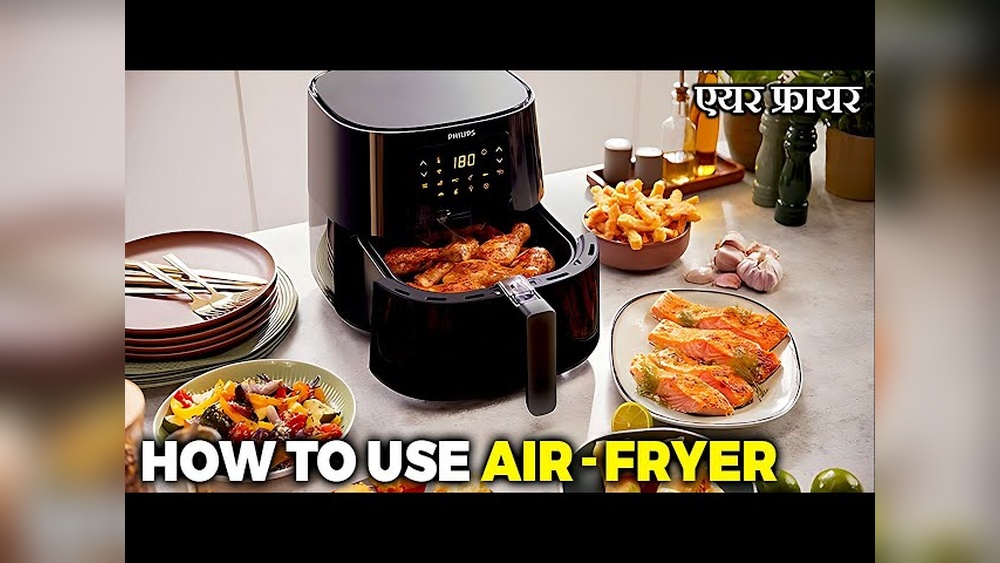
Using an air fryer can be a game changer in your kitchen. If you want crispy fries or juicy chicken with less oil, this handy appliance can help you cook tasty meals in a healthy way. But if you’re new to air fryers, you might feel unsure where to start. The good news: learning how to use your air fryer is much easier than you think. This guide will help you understand the basics, show you step-by-step instructions, and offer tips to get the best results every time. With a bit of practice, you’ll be air frying like a pro, saving time and enjoying delicious food.
What Is An Air Fryer And How Does It Work?
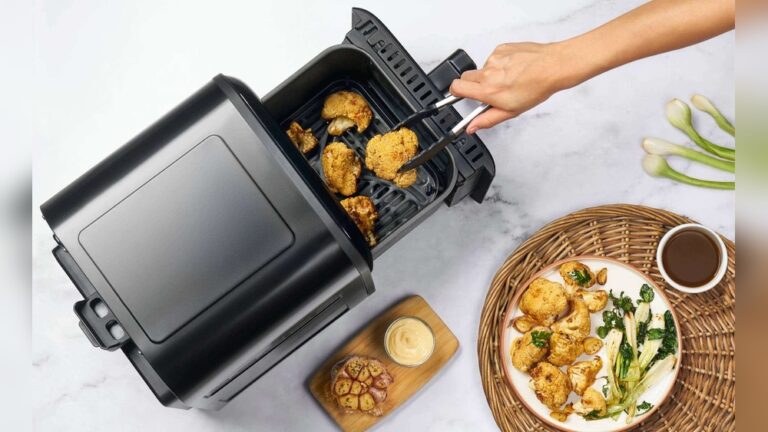
An air fryer is a small kitchen appliance that cooks food using hot air. It has a powerful fan that circulates this hot air quickly around your food. This makes the outside crispy, like deep frying, but with little or no oil. The main parts are a basket (to hold the food), a drawer or tray, and a control panel for time and temperature.
Air fryers work using a method called rapid air technology. The heating element warms the air inside, and the fan blows it around. Because the air moves so fast, the food cooks evenly and gets a crisp texture. Most air fryers can reach up to 400°F (200°C), which is hot enough for frying, baking, roasting, and even grilling.
Getting Ready: Setup And First Use
Before you cook anything, take a few minutes to set up your air fryer the right way.
- Read the manual: Each air fryer has different features. The manual will show you how to use your model’s buttons, basket, and accessories.
- Find a safe spot: Place the air fryer on a flat, heat-resistant surface. Make sure there is space around it so air can flow freely.
- Wash the basket and tray: Use warm soapy water to clean the parts that touch food. Dry them well before putting them back.
- Plug it in: Use a dedicated outlet. Don’t use extension cords, as air fryers use a lot of power.
- Test run: Before cooking, turn the empty air fryer on for 5–10 minutes at 400°F (200°C). This will burn off any manufacturing residue.
A common mistake beginners make is forgetting this first “burn-in” step. Skipping it can sometimes lead to a plastic smell during the first cook.
Understanding Controls: Time, Temperature, And Presets
Every air fryer has controls to set time and temperature. Many models also have preset buttons for common foods like fries, chicken, or fish.
- Time: Most foods cook in 10–25 minutes. You can set the timer to stop the air fryer when cooking is done.
- Temperature: Typical range is 180°F to 400°F (82°C to 200°C). Lower heat for baking, higher heat for crispy fries or chicken.
- Presets: These are shortcuts. For example, pressing the fries button might set 400°F for 15 minutes automatically.
Manual controls give you more flexibility. For best results, learn to adjust time and temperature based on the recipe.
What Can You Cook In An Air Fryer?
You can cook almost anything in an air fryer. Here are some popular foods:
- French fries
- Chicken wings
- Vegetables (broccoli, carrots, Brussels sprouts)
- Fish fillets
- Mozzarella sticks
- Baked goods (muffins, cookies)
- Frozen foods (nuggets, onion rings)
Some foods work better than others. For example, battered foods may not crisp up as well without a spritz of oil. Wet batters can drip, so stick to dry coatings or breadcrumbs.
Step-by-step: How To Use Your Air Fryer
Cooking with an air fryer is simple. Here’s a step-by-step guide:
- Preheat the air fryer (optional but recommended): Set your desired temperature and let the air fryer run empty for 2–5 minutes.
- Prepare your food: Cut food into even pieces for uniform cooking. Pat ingredients dry for best crispiness.
- Add a little oil: Spray or brush a small amount of oil for golden, crispy results. Usually, 1–2 teaspoons is enough.
- Arrange food in the basket: Spread food in a single layer. Don’t overcrowd—air needs to circulate for even cooking.
- Insert the basket: Place it inside the air fryer and close the drawer.
- Set time and temperature: Use manual settings or select a preset.
- Shake or flip halfway: For most foods, pull out the basket halfway through cooking and shake or turn the food for even browning.
- Check for doneness: Open the basket and use a fork or thermometer to check if the food is cooked. Add extra minutes if needed.
- Serve and enjoy: Remove the food carefully—it will be hot!
Many beginners forget to shake the basket. This step is crucial for even cooking, especially for items like fries or nuggets.
Air Fryer Cooking Time And Temperature Guide
Below is a simple guide to help you get started. Actual times may vary based on your air fryer and food size.
| Food | Temperature (°F) | Time (minutes) | Shake/Flip? |
|---|---|---|---|
| French Fries (fresh) | 380 | 18-22 | Yes |
| Chicken Wings | 400 | 20-25 | Yes |
| Broccoli | 375 | 8-10 | Yes |
| Fish Fillet | 400 | 10-12 | No |
| Frozen Nuggets | 400 | 10-12 | Yes |
This table can help you get comfortable at first. Once you gain confidence, you can experiment with your own recipes.
Cleaning And Maintenance
Air fryers are easy to clean, but regular care keeps them working well.
- Unplug and let cool: Always let the air fryer cool before cleaning.
- Remove basket and tray: Wash with warm soapy water. Most parts are dishwasher safe, but check your manual.
- Clean the main unit: Wipe the inside with a damp cloth. Avoid getting water in the heating element.
- Check for food residue: Scrape off any stuck bits with a non-metal brush or sponge.
- Dry completely: Moisture can cause mold or damage.
If you use your air fryer often, deep clean it every few weeks. Built-up grease can lead to smoke or bad smells.
Tips For Better Air Frying Results
To get the most out of your air fryer, remember these tips:
- Don’t overcrowd the basket: This is the most common mistake. Give food space so hot air can reach all sides.
- Use a little oil for crispiness: Even though air fryers use less oil, a light spray helps browning.
- Shake or turn food: Essential for even cooking. Set a reminder if you tend to forget.
- Dry your food: Pat wet foods with a paper towel before cooking.
- Preheat for best results: Just a few minutes helps food cook more evenly.
- Watch small items: Thin foods can cook (and burn) quickly.
- Line with parchment paper (optional): This makes cleanup easier but poke holes for airflow.
A surprising trick: Try using a slice of bread under the basket to catch drips and reduce smoke.

Credit: www.youtube.com
Air Fryer Vs. Other Cooking Methods
How does air frying compare to deep frying, baking, or grilling? Here’s a quick look.
| Method | Oil Needed | Cooking Time | Calories | Texture |
|---|---|---|---|---|
| Air Frying | 1–2 tsp | 10–25 min | Lower | Crispy |
| Deep Frying | 2–4 cups | 8–15 min | Higher | Very crispy |
| Baking (oven) | 1–2 tbsp | 20–40 min | Medium | Less crispy |
| Grilling | 1–2 tbsp | 15–30 min | Medium | Charred |
As you can see, air frying uses less oil, cooks faster than ovens, and gives a crispy texture without extra calories.
Common Air Fryer Mistakes And How To Avoid Them
Even experienced cooks make mistakes with air fryers. Here are some to avoid:
- Using too much oil: Air fryers need only a little oil. Too much can cause smoke and soggy food.
- Not preheating: Skipping preheating can lead to uneven cooking.
- Crowding the basket: Overloading means food won’t get crispy.
- Ignoring the shake: Forgetting to flip or shake leads to uneven browning.
- Cooking wet batters: Liquid batter can drip and make a mess. Stick to breaded or dry-coated foods.
- Not checking for doneness: Always check the food before serving. Air fryers can cook fast!
A less-known error: Putting parchment paper in the basket without food. The paper can fly up and touch the heating element, causing a fire risk.
Trying New Recipes And Foods
Don’t be afraid to experiment! Air fryers are great for:
- Roasting nuts
- Baking small cakes or muffins
- Toasting bread
- Reheating leftovers (they stay crisp, unlike microwaves)
If you want to try something new, start with small batches. This way, you can adjust time and temperature without wasting food.
Air Fryer Accessories And When To Use Them
Many air fryers come with or offer accessories like racks, pans, or skewers. These help you:
- Cook multiple layers (using racks)
- Bake cakes or quiche (using baking pans)
- Grill kebabs (using skewers)
Check your manual to see which accessories fit your model. Only use items that are oven-safe and made for air fryers.
Troubleshooting: Solving Common Problems
If your air fryer isn’t working as expected, try these fixes:
- Food not crispy: Use less food per batch, preheat, and add a bit more oil.
- Food undercooked: Increase cooking time or temperature slightly.
- Smoke or burning smell: Clean the basket and inside of the air fryer, and use less oil.
- Basket won’t slide in: Make sure it’s lined up correctly and nothing is blocking the slot.
- Uneven browning: Shake or flip food halfway through.
If your air fryer still has problems, consult your manual or contact customer support.
Air Fryer Safety Tips
Air fryers are generally safe, but keep these tips in mind:
- Never touch the hot basket with bare hands.
- Keep children away while cooking.
- Don’t block vents—air must flow for cooling.
- Don’t immerse the main unit in water.
- Unplug after use to prevent accidents.
For more on kitchen safety, see the Consumer Reports guide.
Frequently Asked Questions
How Much Oil Do I Need To Use In An Air Fryer?
For most foods, only 1–2 teaspoons of oil are enough. You can cook many items with no oil at all, but a little oil gives better crispiness.
Can I Cook Frozen Foods In My Air Fryer?
Yes, you can cook frozen foods like fries, nuggets, or fish sticks directly in the air fryer. Add 2–3 extra minutes to the cooking time compared to fresh items.
Is It Safe To Use Aluminum Foil Or Parchment Paper?
You can use aluminum foil or parchment paper in the basket, but make sure they don’t block air flow. Never use them without food on top, as they can blow into the heating element.
Can I Bake In My Air Fryer?
Yes, you can bake small cakes, muffins, and cookies in your air fryer. Use special air fryer-safe pans or silicone molds that fit inside the basket.
Why Does My Air Fryer Smoke Sometimes?
Smoke usually means there is too much oil, grease buildup, or food bits stuck inside. Clean your air fryer well and avoid adding too much oil or fatty foods.
Using your air fryer is simple once you know the basics. With these tips, guides, and answers to common questions, you’ll be ready to make fast, healthy, and delicious meals with less mess. Enjoy exploring new recipes, and remember—practice makes perfect!