How to Use Air Fryers: Quick Tips for Perfect Crispy Results
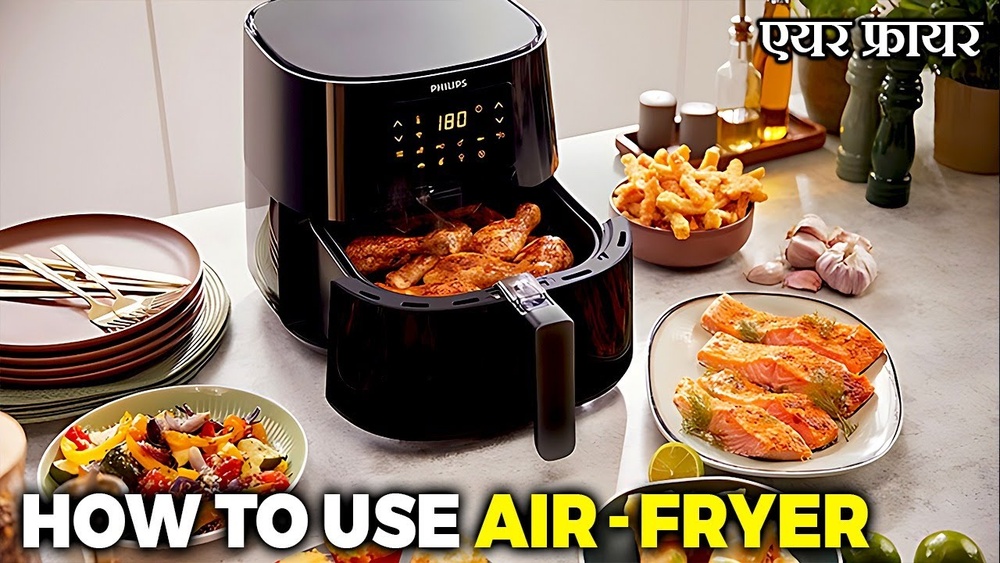
If you want to make crispy fries, juicy chicken, or even baked goods without using much oil, air fryers are now one of the most popular kitchen tools around the world. These appliances help people cook food that tastes fried, but with far less fat.
Whether you are new to air fryers or want to use yours better, understanding how to use them well can make every meal easier and healthier. Let’s explore the best ways to use air fryers, avoid common mistakes, and get the most out of this clever device.
What Is An Air Fryer And How Does It Work?
An air fryer is a small countertop appliance. It uses hot air circulation to cook food, similar to a convection oven but in a smaller space. A fan moves hot air quickly around the food, making it crispy on the outside and tender inside. Most air fryers need little or no oil, which is why they are seen as a healthier alternative to deep frying.
The main parts of an air fryer are:
- Heating element (creates the heat)
- Fan (blows the hot air)
- Basket or tray (holds your food)
- Control panel (sets temperature and time)
Many people are surprised that you can cook many types of food in an air fryer—from vegetables to cakes to meat and even frozen snacks.
Getting Started: Setting Up Your Air Fryer
Before cooking your first meal, it’s important to set up your air fryer correctly.
- Find a safe place: Place the air fryer on a flat, heat-resistant surface. Make sure it is not near walls or under cabinets, as the back and top get hot.
- Read the manual: Each model is a bit different. Your manual will explain important safety steps and how to use the controls.
- Clean before use: Wash the basket, tray, and pan with warm, soapy water. Dry them well before putting them back.
- Plug in and preheat: Some air fryers need to preheat, usually 2–5 minutes. Preheating helps food cook more evenly.
Choosing The Right Food For Air Frying
While you can cook many types of food in an air fryer, some work much better than others.
Foods that are perfect for air frying include:
- Potatoes: French fries, wedges, hash browns
- Chicken: Wings, nuggets, tenders
- Vegetables: Broccoli, cauliflower, zucchini, brussels sprouts
- Frozen snacks: Spring rolls, samosas, mozzarella sticks
- Fish and seafood: Shrimp, salmon fillets
- Baked goods: Cookies, muffins, small cakes
Foods to avoid or use caution with:
- Wet batters: Tempura or pancake batter can drip and cause a mess.
- Large roasts: Whole chickens or big pieces may not cook evenly.
- Leafy greens: Spinach can fly around and burn.
How To Use An Air Fryer: Step-by-step
Here’s a simple process to cook most things in an air fryer:
- Prepare your food: Cut food into similar-sized pieces. Pat dry if it’s wet.
- Add oil (if needed): Toss food with a small amount of oil (usually 1–2 teaspoons). This helps browning and crispiness.
- Place in the basket: Do not overcrowd. Food needs space for air to move.
- Set temperature and time: Use your recipe or the air fryer’s guide. Common temperatures are 180°C–200°C (350°F–400°F).
- Shake or turn: Halfway through, shake the basket or turn food with tongs for even cooking.
- Check for doneness: Use a fork or thermometer. If it needs more time, cook in short bursts.
- Serve and enjoy: Let food cool a moment. Baskets and trays are hot.
Example: Making Air Fryer French Fries
- Cut potatoes into thin strips.
- Soak in water for 30 minutes (removes extra starch).
- Dry the potatoes.
- Toss with 1–2 teaspoons of oil and a little salt.
- Put in the basket in a single layer.
- Air fry at 200°C (400°F) for 15–20 minutes, shaking halfway.
- Fries are ready when golden and crisp.

Credit: greenpan.com.au
Understanding Time And Temperature
Every air fryer is a bit different, so cooking times can vary. Here’s a simple chart for common foods:
| Food | Temperature | Time |
|---|---|---|
| Frozen fries | 200°C / 400°F | 15–20 min |
| Chicken wings | 200°C / 400°F | 20–25 min |
| Broccoli | 180°C / 360°F | 8–10 min |
| Salmon | 180°C / 360°F | 8–12 min |
| Muffins | 160°C / 320°F | 12–15 min |
Always check your food a few minutes before the suggested time. The air fryer cooks faster than an oven because of the strong airflow.
Best Practices For Great Results
To get the best results from your air fryer, keep these tips in mind:
- Don’t overcrowd: Air needs to move around each piece. If you have lots of food, cook in batches.
- Use the right oil: For high heat, use oils like canola, olive, or avocado oil.
- Shake or turn food: This gives an even golden color.
- Pat food dry: Wet food steams instead of crisps.
- Spray oil: Use a spray bottle for light, even oil coverage.
Common Mistakes To Avoid
Many beginners make these errors:
- Skipping preheat: Some air fryers need a few minutes to heat up.
- Too much oil: More oil doesn’t make food crispier—just greasier.
- Not checking early: Air fryers are powerful and can burn food if left too long.
- Ignoring cleaning: Leftover crumbs can smoke and change the flavor.
- Using nonstick spray on basket: This can damage some coatings. Use oil spray instead.
Cleaning And Maintenance
A clean air fryer works better and lasts longer. Here’s how to take care of yours:
- Unplug and cool: Always let it cool before cleaning.
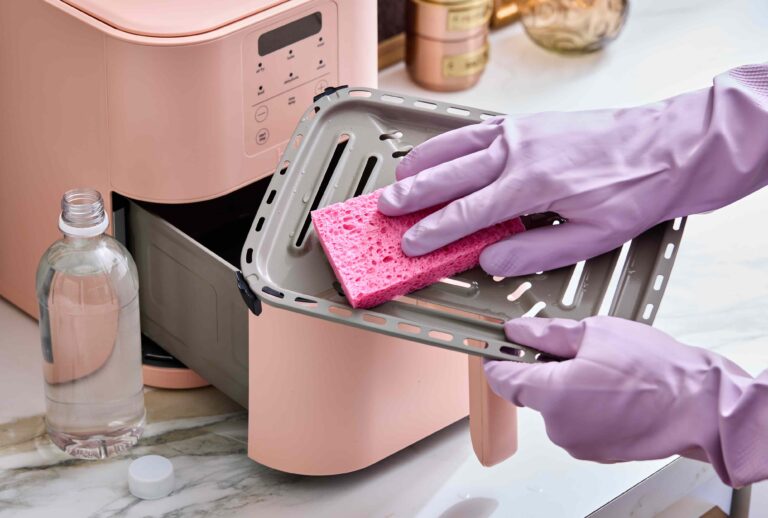
- Wash basket and tray: Use warm, soapy water. Most are dishwasher-safe, but check your manual.
- Clean inside: Wipe the inside with a damp cloth. Don’t let water get into the heating element.
- Remove stuck food: Soak the basket if needed. Use a soft brush or sponge.
- Wipe outside: Use a soft, damp cloth.
If you notice smoke, it’s often caused by food or oil stuck in the bottom.
Comparing Air Fryers: What To Look For
If you are buying an air fryer, choosing the right one is important. Here’s a comparison of key features:
| Feature | Basket Style | Oven Style |
|---|---|---|
| Shape | Round, compact | Rectangular, larger |
| Capacity | 1–5 liters | Up to 20 liters |
| Best for | Fries, snacks, small meals | Family meals, baking, pizza |
| Cleaning | Usually easy | More parts to clean |
| Price | Lower | Higher |
Basket-style air fryers are great for singles or couples. Oven-style air fryers are better for families or people who want to bake or cook larger meals.
Credit: www.youtube.com
Cooking Tips For Different Foods
Different foods need different care in the air fryer. Here are some helpful ideas:
- Fresh vegetables: Coat lightly with oil and season well. Shake halfway for even browning.
- Chicken: Pat dry, season, and spray with oil. Try a breadcrumb coating for extra crunch.
- Fish: Use foil or parchment to keep delicate fish from sticking.
- Baked goods: Reduce oven recipes by 20°C (about 36°F) and check early.
- Reheating: Air fryers are excellent for reheating pizza or leftovers—food stays crispy.
Two Insights Many Beginners Miss
- Layering is not always bad: For some foods, like fries, a double layer is okay if you shake the basket often. Thin foods like chips need a single layer.
- Rest after cooking: Let food sit for 1–2 minutes. It crisps up more as steam escapes.
Health Benefits Of Air Frying
Air fryers are popular because they can make favorite foods healthier. By using up to 80% less oil than deep frying, they cut down on calories and fat. According to a study shared by the National Institutes of Health, air frying can lower the amount of harmful compounds (like acrylamide) found in traditional frying.
Plus, air fryers don’t fill your kitchen with oil smells, and cleaning up is much easier.
:max_bytes(150000):strip_icc()/Instant-Vortex-Plus-4-in-1AirFryer6qt-tamara-staples-4865.jpg-dadf6f723b644fbaa1b6e99b0f61b454.jpg)
Credit: www.simplyrecipes.com
Troubleshooting: Solving Common Air Fryer Problems
If your air fryer isn’t working as expected, try these solutions:
- Food not crispy: Add a little more oil, don’t overcrowd, or increase the temperature.
- Uneven cooking: Shake or turn food more often. Cut pieces to the same size.
- Smoke or burning smell: Clean out crumbs or oil from the bottom.
- Food sticking: Use parchment paper with holes, or brush the basket with oil.
Creative Uses For Your Air Fryer
Beyond fries and chicken, air fryers can do more than most people realize:
- Roast nuts: Almonds or peanuts get crunchy in just a few minutes.
- Dehydrate fruit: Thin slices of apples or bananas turn into healthy chips.
- Toast bread: Warm and crisp up rolls, bagels, or flatbreads.
- Make hard-boiled eggs: Place eggs in the basket and air fry at 130°C (266°F) for 15 minutes.
Trying new things is half the fun with an air fryer.
Frequently Asked Questions
How Much Oil Do I Need To Use In An Air Fryer?
Usually, you need 1–2 teaspoons of oil for most recipes. Some foods, like frozen fries, may already have oil and need none. Too much oil can cause food to be greasy and may create smoke.
Can I Put Aluminum Foil Or Parchment Paper In The Air Fryer?
Yes, both can be used, but always leave space for air to circulate. Use parchment paper with holes or poke some yourself. Never cover the whole basket, as this can block airflow and affect cooking.
Why Is My Air Fryer Food Not Crispy?
There are a few possible reasons: overcrowding the basket, not enough oil, or the temperature is too low. Try cooking in smaller batches and shaking the food halfway through.
Is An Air Fryer Healthier Than Deep Frying?
Yes, air fryers use far less oil, which means fewer calories and less fat. They can also reduce harmful compounds created by traditional frying. However, the health benefit also depends on the food you cook and your overall diet.
What Size Air Fryer Should I Buy?
For one or two people, a 2–3 liter air fryer is enough. For families, consider a 5 liter or larger model. If you plan to cook whole chickens or family-sized meals, an oven-style air fryer may be best.
If you want to cook with less oil, save time, and make cleanup easier, an air fryer is a smart choice for any kitchen. With a bit of practice and these tips, you’ll soon be making meals that are both delicious and healthy—no deep fryer required.