How to Use Air Fryer for the First Time: Beginner’s Guide
Getting your first air fryer is exciting. You may have seen delicious, crispy foods online and wondered how you can make them at home. Air fryers promise crunchy fries, juicy chicken, and even desserts—using much less oil than traditional frying.
But if you’ve never used one before, the buttons, baskets, and settings can be a bit confusing. Don’t worry. This guide will walk you step by step through using your air fryer for the first time, so you’ll feel confident and ready to cook.
What Is An Air Fryer And How Does It Work?
An air fryer is a kitchen appliance that cooks food by circulating hot air around it. Think of it like a small, powerful oven with a fan. The hot air quickly moves around your food, making it crispy on the outside and cooked inside. This means you can enjoy “fried” textures with very little oil—sometimes just a light spray.
Air fryers are popular because they:
- Reduce oil use by up to 80%
- Cook faster than ovens
- Are easy to clean
But it’s not just for fries. You can make vegetables, fish, meat, frozen foods, and even cakes.
Unboxing And Understanding Your Air Fryer
When you first open your air fryer box, you’ll find a few main parts:
- Main unit: This is the machine with the heater and fan.
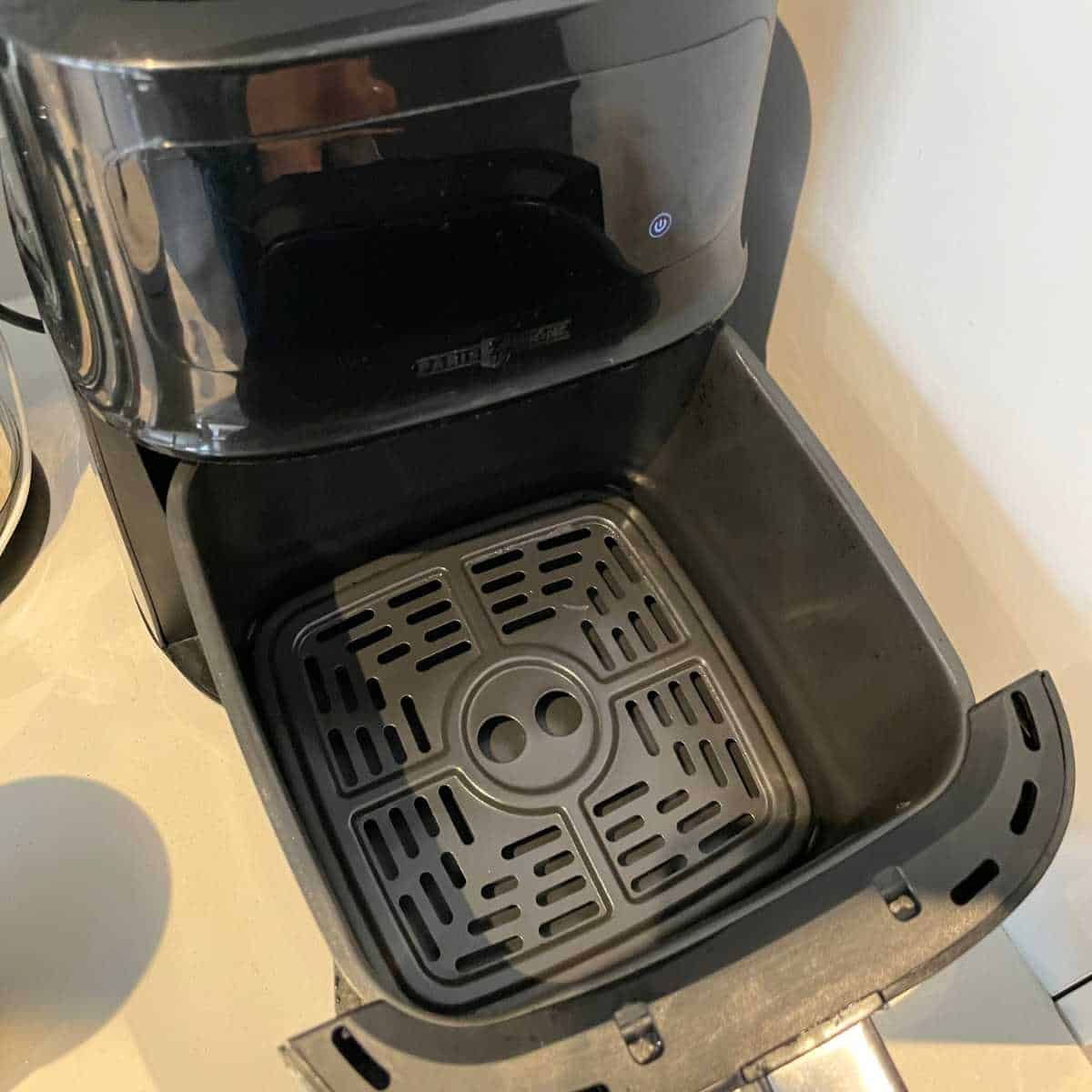
- Basket or drawer: Where you place your food.
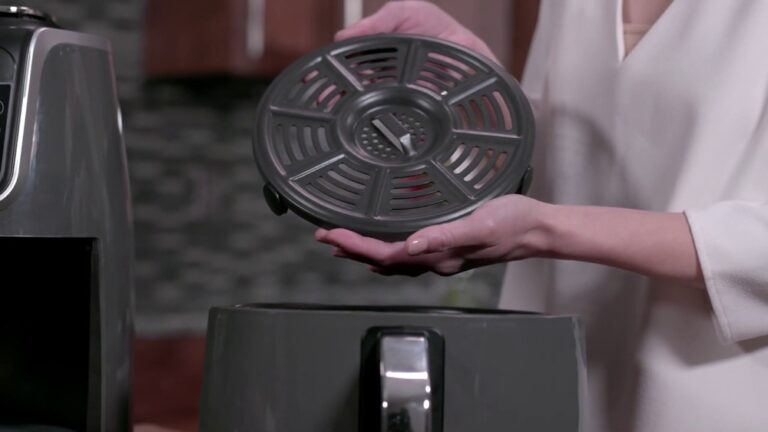
- Crisper tray or rack: Some models have this to help air flow.
- Manual and recipe booklet: Always useful for beginners.
Before doing anything, check that you have all the parts and read the manual. Every model is a little different. Some air fryers have touch screens, others have dials. Some are round, some square.
Here’s a quick comparison of common air fryer types:
| Type | Capacity | Best For | Controls |
|---|---|---|---|
| Basket | 2-6 quarts | Fries, wings, snacks | Dial or digital |
| Oven-style | 10+ quarts | Whole chicken, pizza | Digital |
| Toaster oven/air fryer combo | 6-12 quarts | Toast, bake, air fry | Digital |
Not all air fryers are the same size. Check if yours is big enough for your family’s needs.
Setting Up Your Air Fryer For The First Time
Before you cook anything, you need to get your air fryer ready.
- Find a safe spot: Place the air fryer on a heat-resistant, flat surface. Keep it away from walls and cabinets—it needs space for the hot air to come out.
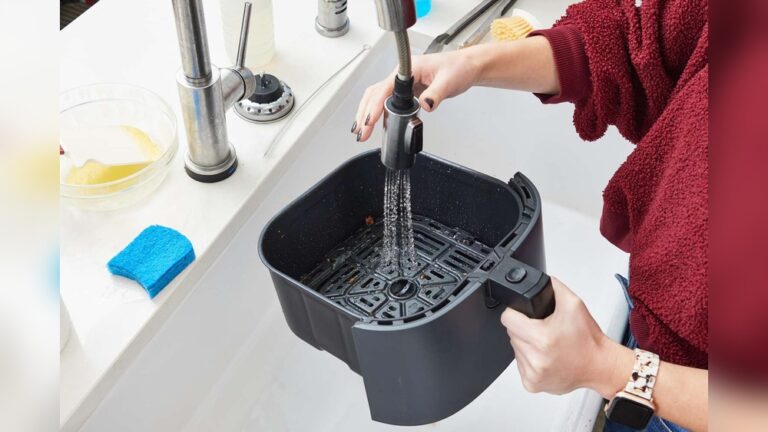
- Clean the parts: Wash the basket, tray, or rack with warm, soapy water. This removes any factory dust or oils.
- Dry all parts: Make sure every piece is completely dry before putting it back.
- Check your plug: Your air fryer should be plugged directly into a wall outlet—not an extension cord.
- Read the manual: Even if you’re excited, don’t skip this. Some air fryers have a “burn-in” smell the first time. The manual may suggest running it empty for 10 minutes to remove this smell.
Doing A Test Run (no Food)
Most manuals suggest you run the air fryer once with nothing inside. This “test run” helps burn off any leftover oils from the factory.
- Insert the empty basket and tray.
- Set the air fryer to 400°F (200°C) for 10 minutes.
- Let it run. You may notice a slight smell—this is normal and should disappear.
After this, your air fryer is ready for food.
Choosing Your First Air Fryer Recipe
Start simple for your first try. Frozen French fries, chicken tenders, or vegetables are great beginner choices. Here’s why:
- They cook quickly
- They show you how browning/crisping works
- There’s little risk if you make a mistake
Avoid complicated recipes until you get used to the controls.
Preparing Food For The Air Fryer
Here’s how to get the best results:
- Cut food evenly: Small, equal pieces cook more evenly.
- Dry your food: Pat items like chicken or potatoes with a paper towel. Less moisture means more crispiness.
- Lightly oil (optional): For a better crunch, spray or toss your food with 1–2 teaspoons of oil. Avoid too much.
- Don’t overload the basket: Too much food blocks the hot air. Cook in batches if needed.
A common mistake is overcrowding. Air needs space to move, or your food will be soggy.
Setting Time And Temperature
Every air fryer has time and temperature controls. Most foods cook between 350°F–400°F (175°C–200°C). Here are some examples:
| Food | Temperature | Time | Tip |
|---|---|---|---|
| Frozen fries | 400°F (200°C) | 12–18 min | Shake halfway |
| Chicken wings | 380°F (193°C) | 20–25 min | Flip once |
| Broccoli florets | 370°F (188°C) | 8–10 min | Light oil |
Start with the lower time suggested, then add more if needed. Air fryers heat up fast and can burn food if you’re not careful.
Cooking: Step-by-step Process
- Preheat (if needed): Some air fryers suggest preheating for 2–3 minutes. Others heat up so fast you can skip this. Check your manual.
- Place food in basket: Spread it in a single layer for best results.
- Set time and temp: Use the dials or digital controls.
- Start cooking: Press the start button.
- Shake or flip halfway: Open the basket (it pauses automatically) and shake or turn your food. This helps it cook evenly.
- Check for doneness: At the end, open the basket. Food should be golden and cooked inside. If not, add 2–3 more minutes.
- Serve and enjoy: Be careful—the basket and food are very hot.
Credit: www.honestfoodtalks.com
Cleaning After Cooking
Cleaning your air fryer is important. If you leave crumbs or grease, it can smoke and smell the next time you cook.
- Wait until the air fryer is cool.
- Remove the basket and tray.
- Wash with warm soapy water. Most parts are dishwasher safe, but check your manual.
- Wipe the inside of the main unit with a damp cloth—never submerge it in water.
For stuck-on food, soak the basket for 10 minutes. Avoid harsh scrubbing.
Common Mistakes And How To Avoid Them
- Overcrowding the basket: Always cook in a single layer.
- Using too much oil: A little spray is enough.
- Not shaking/flipping: This leads to uneven cooking.
- Skipping preheating: For some foods, this step helps.
- Forgetting to clean: Old grease can cause smoke or bad smells.
- Using wet batter: Foods dipped in wet batter (like tempura) can drip and make a mess. Try dry coatings like breadcrumbs instead.
- Not checking food early: Air fryers cook fast. Check before the time runs out to avoid burning.
- Blocking the vent: Make sure nothing covers the air outlet.
- Using nonstick spray on basket: Some sprays can damage the coating. Use a brush or oil mister instead.
Tips For Better Results
- Shake and check: Open the basket anytime to check your food. The air fryer will pause and restart.
- Line with parchment paper: Use special air fryer parchment paper for easy cleanup. Never use wax paper.
- Season after cooking: Salt and spices stick better after cooking.
- Try different foods: Once you’re confident, try baking, roasting, or even reheating leftovers.
A non-obvious tip: Some foods, like bacon or fatty meats, can release a lot of grease. Put a little water (2–3 tablespoons) in the bottom drawer to prevent smoking.
Air Fryer Safety Tips
- Never touch the basket or tray without oven mitts—they get very hot.
- Don’t put paper towels or plastic in the air fryer.
- Keep children and pets away while cooking.
- Always unplug the air fryer after use.

Credit: www.youtube.com
Comparing Air Fryers To Other Cooking Methods
How Does Air Frying Compare To Deep Frying Or Baking?
| Method | Oil Needed | Cooking Time | Crispiness | Healthiness |
|---|---|---|---|---|
| Air Fryer | 1–2 tsp | Fast | High | High |
| Deep Fryer | 2–4 cups | Fast | Very High | Low |
| Baking (Oven) | 1–2 tbsp | Slow | Medium | Medium |
Air fryers use much less oil, cut calories, and produce less mess.
When Not To Use An Air Fryer
Air fryers are great, but not perfect for everything. Avoid:
- Large roasts or whole turkeys (unless you have an oven-style model)
- Wet batters (like pancake batter)
- Foods with lots of liquid (soups, stews)
- Delicate foods that can fly around (light leafy greens)
Troubleshooting Common Issues
- Food not crispy: Try less food, a bit more oil, or a higher temp.
- Smoking: Clean the basket, avoid fatty foods, or add a little water under the basket.
- Uneven cooking: Shake or flip food halfway.
- Plastic smell: This should disappear after a few uses. If not, clean thoroughly and contact support.
Expanding Your Air Fryer Skills
Once you feel confident with basics, try:
- Baking cookies or cakes
- Roasting nuts
- Dehydrating fruits (if your model allows)
- Reheating leftovers (they stay crispier than in a microwave)
Join online communities for recipes and support. A great resource is the Wikipedia Air Fryer page.
Frequently Asked Questions
How Much Oil Do I Need To Use In An Air Fryer?
Usually, you only need 1–2 teaspoons of oil for most foods. Some items, like frozen fries, already have oil and don’t need more. Adding too much can make food greasy and cause smoke.
Can I Use Aluminum Foil Or Parchment Paper In My Air Fryer?
Yes, but only if it’s safe for air fryers. Use perforated parchment paper made for air fryers. Aluminum foil can be used, but never cover the entire basket. Always leave space for air to circulate.
Do I Need To Preheat My Air Fryer?
Some models recommend preheating, especially for meats and baked goods. For quick snacks or frozen foods, you can usually skip it. Preheating can improve crispiness.
Why Does My Air Fryer Smell Like Plastic?
A plastic smell is normal the first few uses. It comes from the heating element and plastic parts. Run the air fryer empty before your first use to reduce this. If the smell continues, clean all parts and contact the manufacturer.
Can I Cook Raw Meat In The Air Fryer?
Yes, you can cook raw chicken, fish, steak, and more. Always check that meat is cooked through—use a food thermometer if you’re unsure. Follow safe cooking temperatures for each type of meat.
Air fryers make cooking easy, fast, and fun—even for beginners. With a little practice, you’ll soon enjoy crispy, tasty meals with less oil and mess. Remember to start simple, clean regularly, and experiment as you learn. Happy cooking!