How to Seasoning a Blackstone Griddle: Ultimate Guide for Perfection
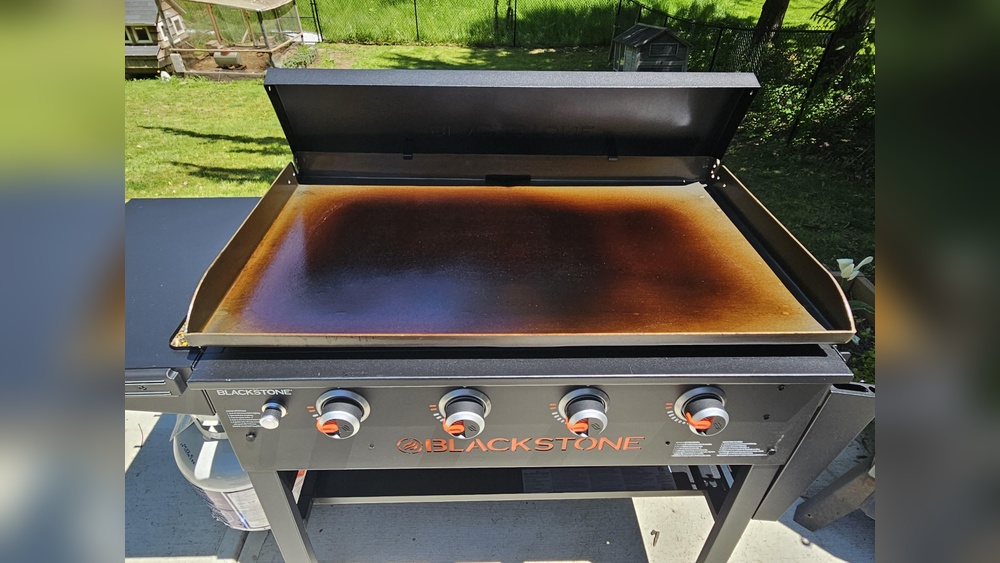
Ready to take your Blackstone griddle cooking to the next level? Seasoning your griddle properly is the key to unlocking that perfect non-stick surface and enhancing the flavor of every meal you make.
If you want your griddle to last longer and cook better, you need to know exactly how to season it right from the start. In this guide, you’ll learn simple, step-by-step methods to season your Blackstone griddle like a pro.
Whether you’re new to griddling or just want to improve your technique, this article will give you all the tips and tricks you need to get it done easily—and enjoy amazing meals every time you cook. Keep reading to discover how to protect your griddle and make your food taste even better!
Credit: blackstoneproducts.com
Preparing The Griddle
Preparing your Blackstone griddle before seasoning is essential for a smooth cooking experience. Proper preparation removes factory residue and ensures the surface is ready to absorb oil. Follow these steps carefully to protect your griddle and create a strong seasoning layer.
Cleaning Factory Residue
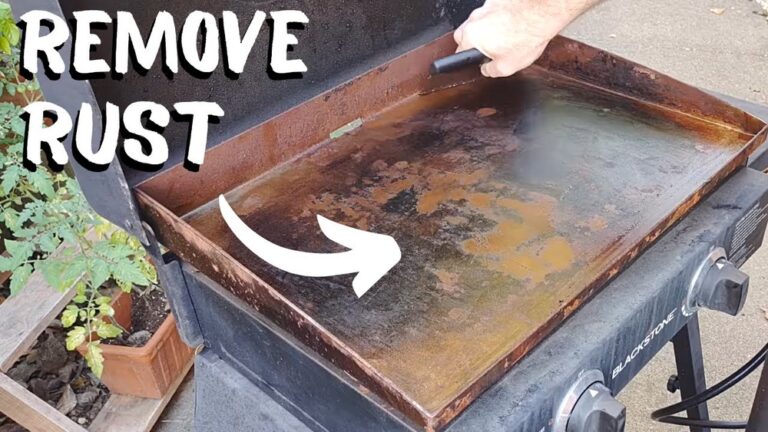
New Blackstone griddles often have a protective coating from the factory. This coating prevents rust but must be removed before seasoning. Use warm water and mild soap to wash the entire griddle surface. Scrub gently with a soft sponge or cloth to remove oils and dust. Avoid harsh scrubbers that may damage the metal.
Rinse the griddle thoroughly with clean water. Make sure no soap remains, as it can affect seasoning. This step prepares the surface to absorb oil evenly.
Drying And Preheating
After cleaning, dry the griddle completely using paper towels or a clean cloth. Water left on the surface can cause rust and uneven seasoning. Turn on the burners to medium-high heat. Let the griddle heat for 10 to 15 minutes until all moisture evaporates.
Preheating also opens the metal pores to better absorb the oil during seasoning. The surface should look dry and start to change color slightly. Avoid overheating, which can warp the griddle. Now your Blackstone is ready for the seasoning process.
Choosing The Right Oil
Choosing the right oil is a key step in seasoning your Blackstone griddle. The oil you use creates a protective, non-stick surface. It also helps prevent rust and improves cooking performance. Not all oils are suitable for this process. Some oils handle high heat better than others. Picking the best oil can make your seasoning last longer and work better.
High-heat Oils To Use
Choose oils with a high smoke point for seasoning. Canola oil is a popular choice. It has a smoke point around 400°F (204°C). Grapeseed oil works well too, with a smoke point near 420°F (216°C). Avocado oil is another good option. It has one of the highest smoke points, about 520°F (271°C). These oils handle heat without burning or smoking too much. They create a strong, durable seasoning layer.
Oils To Avoid
Stay away from oils with low smoke points. Olive oil, for example, has a low smoke point around 320°F (160°C). It can burn and create sticky, uneven spots. Butter and margarine also burn quickly and are not good for seasoning. Avoid oils with strong flavors like coconut oil. These can leave unwanted tastes on your griddle. Using the wrong oil can ruin your seasoning effort.
Applying The Seasoning
Applying the seasoning is a crucial step in preparing your Blackstone griddle for cooking. This process creates a natural, non-stick surface that protects the metal and enhances food flavor. The key is to apply the oil in thin, even layers. This helps the oil bond well with the griddle surface and builds a strong seasoning over time.
Spreading Thin Oil Layers
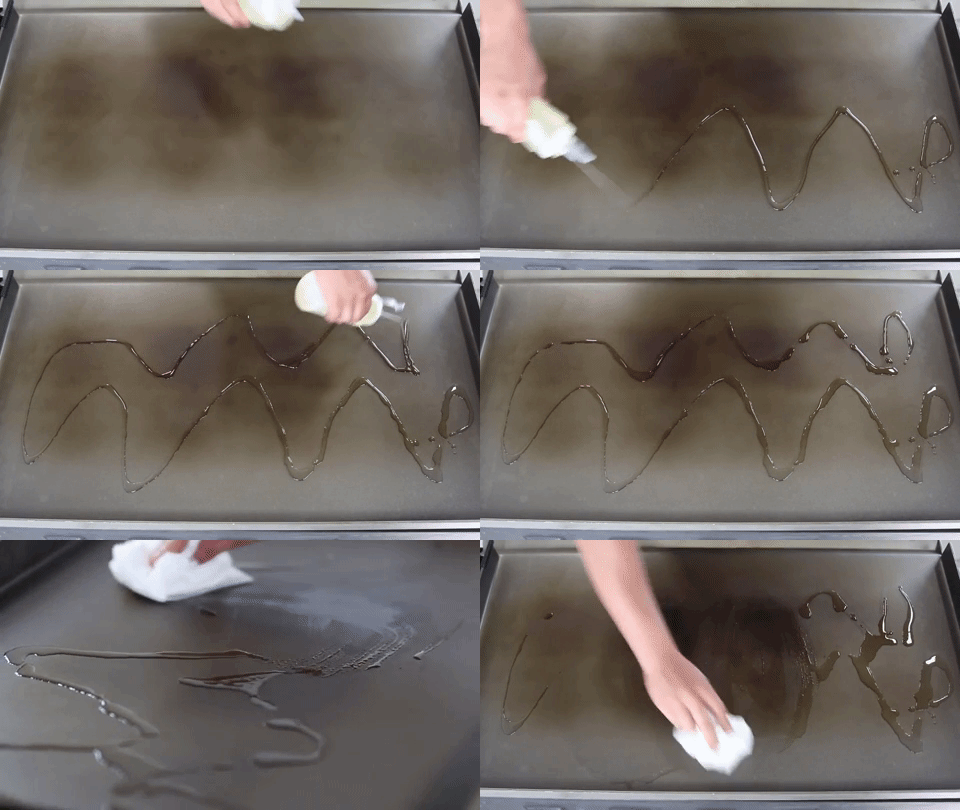
Start with a small amount of oil in the center of the griddle. Use a paper towel held with tongs to spread the oil evenly. Cover the entire cooking surface, moving the towel in circular motions. Keep the layer very thin, almost like wiping the surface clean. Thick layers cause sticky spots and uneven seasoning. Thin layers allow the oil to polymerize and bond well to the metal.
Covering Edges And Sides
Do not forget the edges and sides of your griddle. These areas also need protection from rust and wear. Use the same thin-layer technique to coat the front, back, and sides. This extra step ensures your griddle stays in good shape for longer. It also keeps the entire cooking area ready for food, avoiding rust spots near the edges.
Heating And Smoking Process
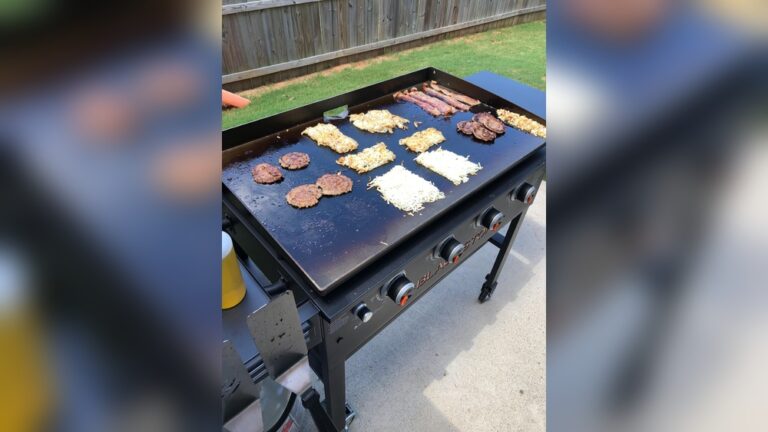
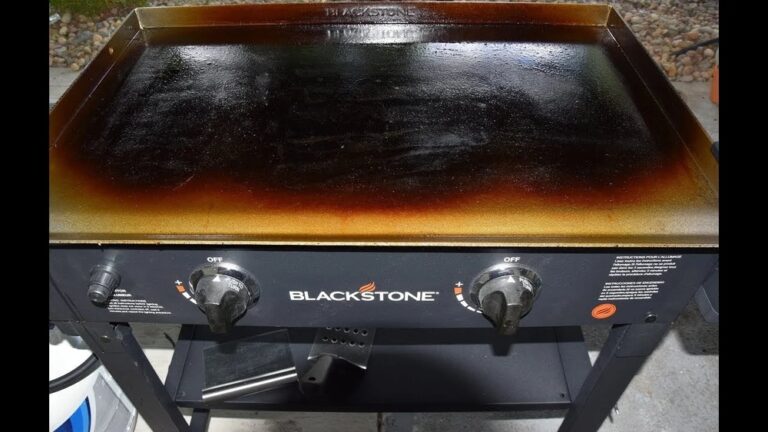
The heating and smoking process is key to seasoning your Blackstone griddle properly. It creates a strong, non-stick surface that protects the metal from rust. This step transforms oil into a hard, black layer called seasoning.
Heating the oil to its smoke point causes it to bond with the griddle. This forms a durable coating that improves with each layer. Patience during this phase leads to the best results.
Heating To Smoke Point
Start by turning your griddle on medium-high heat. Let it warm until you see light smoke rising. This smoke means the oil is breaking down and bonding to the metal.
Keep the griddle at this temperature for 10 to 15 minutes. Avoid overheating or burning the oil, which can cause uneven seasoning. Watch for a thin layer of black residue forming.
Repeating Layers For Durability
After the first coat cools, apply a very thin layer of oil again. Spread it evenly across the entire surface. Then, heat the griddle to the smoke point once more.
Repeat this process 3 to 4 times. Each layer adds strength and smoothness to the seasoning. Multiple layers build a tough coating that lasts through many cooks.
Maintaining The Seasoning
Maintaining the seasoning on your Blackstone griddle keeps it non-stick and protects it from rust. Regular care improves cooking performance and extends the griddle’s life. Simple habits after each use help preserve the seasoning layer. This section explains the best ways to maintain your griddle seasoning.
Post-cooking Cleaning
Clean the griddle while it is still warm but not hot. Use a scraper to remove food bits and grease. Avoid using soap, as it can strip away seasoning. Instead, wipe with a damp cloth or paper towel. For stuck-on food, pour a little water on the surface and scrape gently. Dry the griddle thoroughly with a cloth or by heating it briefly. This stops rust and keeps the seasoning intact.
Light Oiling After Use
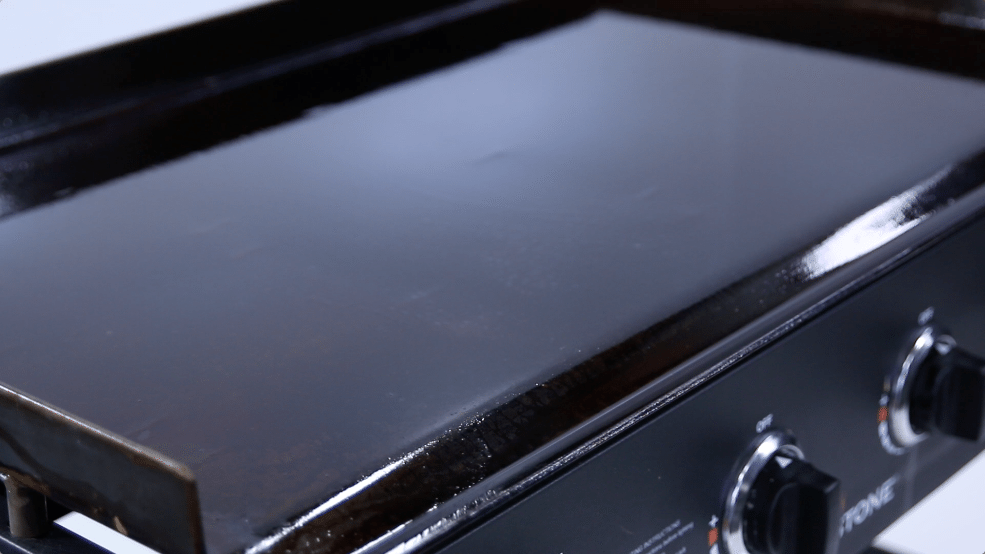
Apply a thin layer of oil after cleaning and drying the griddle. Use oils with a high smoke point, like canola or vegetable oil. Spread the oil evenly with a paper towel or cloth. This layer protects the surface from moisture and builds seasoning over time. Do not use too much oil to avoid sticky spots. Store the griddle covered to keep dirt and dust away.
Credit: blackstoneproducts.com
Troubleshooting Common Issues
Troubleshooting is key for a well-seasoned Blackstone griddle. Small problems can affect cooking and seasoning quality. Knowing how to fix common issues helps keep your griddle ready to use. Below are common seasoning problems and easy solutions.
Sticky Or Flaky Surfaces
Sticky or flaky seasoning means too much oil was used. Thick layers cannot cure properly. This causes the surface to feel sticky or peel off.
Fix this by heating the griddle on medium-high heat until it smokes. Use a scraper to remove the sticky layer. Then, apply a very thin coat of oil and heat again. Repeat thin oil layers to build a smooth finish.
Uneven Seasoning Patches
Uneven patches happen when oil is not spread evenly. Some areas get more oil and others get none. This causes spots that look different and cook unevenly.
To solve this, apply oil slowly and use a paper towel held with tongs to spread it thinly across the entire surface. Don’t forget the edges and corners. Heat the griddle after each layer for even curing.
Tips For Long-lasting Performance
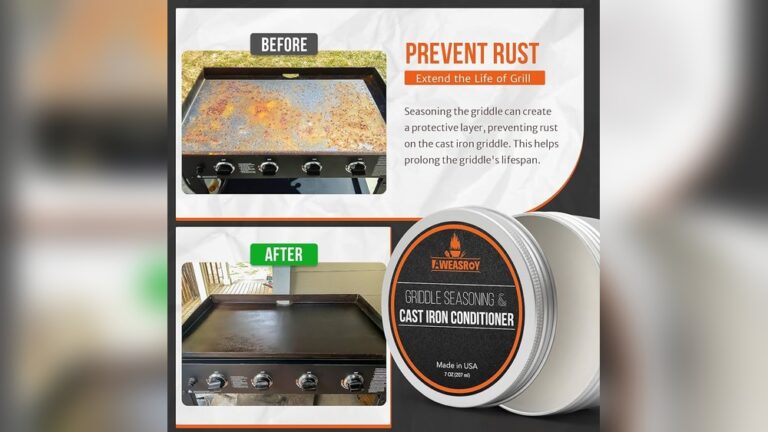
Seasoning your Blackstone griddle correctly ensures it lasts longer and performs better. Maintaining the seasoning layer protects the surface from rust and improves cooking quality. Simple habits help keep the griddle ready for every meal. Focus on thin oil layers and a regular upkeep routine to get the best results.
These tips help you maintain a smooth, non-stick surface and avoid problems like peeling or sticky spots. A well-seasoned griddle gives you better heat distribution and easier cleaning over time.
Thin Coats Are Key
Use very thin layers of oil when seasoning. Thick oil coats can become sticky or flake off after heating. Spread the oil as if wiping it off, leaving only a light film behind. This thin layer bonds better with the metal surface. It builds up slowly into a strong, durable seasoning.
Thin coats also heat evenly, creating a smooth surface for cooking. Avoid pouring too much oil at once. Instead, apply small amounts and spread them carefully over the entire griddle, including edges and corners.
Regular Maintenance Routine
Clean your griddle after every use to keep the seasoning intact. Use a scraper or spatula to remove food bits while the surface is still warm. Avoid harsh soaps that can strip away the seasoning. Instead, wipe down with a damp cloth or paper towel.
After cleaning, apply a light coat of oil while the griddle is still warm. This step seals the surface and prevents rust. A consistent routine of cleaning and oiling keeps the seasoning strong and extends the life of your griddle.

Credit: www.amazon.com
Frequently Asked Questions
How Do I Season My Blackstone For The First Time?
Clean the griddle with soap and water, then dry it well. Heat on high, apply a thin oil layer, and spread evenly. Heat until smoking, cool slightly, then repeat 2-3 times. Use high-heat oils like canola or avocado for best seasoning results.
What Is The Best Thing To Season A Blackstone Griddle With?
The best seasoning oils for a Blackstone griddle are high-heat options like avocado, canola, or grapeseed oil. These oils create a durable, non-stick surface and withstand high temperatures without burning. Apply thin, even coats and heat the griddle to build a strong seasoning layer effectively.
Do You Put Oil On Blackstone Every Time You Cook?
You should apply a thin layer of oil on your Blackstone griddle after each cooking session. This maintains seasoning and prevents rust. Avoid using too much oil to prevent sticky buildup. Use high-heat oils like canola or avocado for best results.
What Are Signs Of A Poorly Seasoned Griddle?
Signs of a poorly seasoned griddle include sticky or uneven surface, food sticking easily, rust spots, and flaky seasoning layers.
Conclusion
Seasoning your Blackstone griddle protects it and improves cooking. Use thin oil layers for best results. Remember to cover all surfaces evenly, including edges. Heat the griddle and repeat oiling to build a strong coating. Keep it clean and lightly oiled after each use.
This simple routine keeps the griddle ready and rust-free. Enjoy cooking with a well-seasoned Blackstone every time.