How to Season New Blackstone Griddle: Easy Steps for Perfect Results
You just got your brand new Blackstone griddle, and you’re eager to start cooking delicious meals. But wait—there’s one crucial step you can’t skip: seasoning your griddle.
Proper seasoning creates a natural non-stick surface, protects your griddle from rust, and improves its performance every time you cook. If you want to avoid sticky food, rust spots, or a ruined griddle, this guide will walk you through the simple, step-by-step process to season your new Blackstone griddle the right way.
Stick with me, and you’ll have a perfectly seasoned griddle ready to deliver mouthwatering dishes from your very first cook.
Credit: blackstoneproducts.com
Preparing The Griddle
Preparing your new Blackstone griddle is essential for great cooking results. This step removes factory oils and dust. It also ensures the surface is ready to absorb seasoning. Proper preparation helps the seasoning bond well. It creates a durable, non-stick cooking surface. Follow these simple steps to prepare your griddle correctly.
Cleaning The Surface
Start with a cool griddle. Use warm water to wash the top. Add a little mild soap if you want. Soap helps remove factory oils and dust. Scrub gently with a soft cloth or sponge. Avoid harsh scrubbers that can scratch the surface. Rinse thoroughly with clean water. Make sure no soap remains on the griddle.
Drying The Griddle
After cleaning, dry the griddle completely. Turn on the burners to medium-high heat. Let the surface heat until all moisture evaporates. This step prevents rust and prepares the metal for oil. Drying also opens the metal pores for seasoning. Once dry, the griddle is ready for the next steps.
Choosing The Right Oil
Choosing the right oil is essential for seasoning a new Blackstone griddle. The oil creates a protective layer that prevents rust and builds a non-stick surface. Not all oils work well. Pick oils that can handle high heat without burning or smoking too much. This helps the seasoning process and keeps your griddle safe and ready for cooking.
High Smoke Point Oils
High smoke point oils resist burning at high temperatures. They form a strong, smooth seasoning layer. Oils like canola, avocado, and grapeseed have smoke points above 400°F. These oils break down slowly and bond well with the metal surface. Avoid oils with low smoke points like olive oil. They burn quickly and leave sticky residue.
Blackstone Seasoning Oil Options
Blackstone offers its own seasoning oil made for griddles. It has a high smoke point and dries fast. Canola oil is a popular choice because it is affordable and effective. Avocado oil is another good option with a natural high smoke point. Use thin layers of oil for best results. Wipe off excess oil to avoid sticky spots.
Applying The First Coat
Applying the first coat is an essential step to protect your new Blackstone griddle. It helps build a non-stick surface and prevents rust. This process requires care and attention to detail. The goal is to create a thin, even layer of oil that bonds with the metal. Follow these steps to get the best results and prepare your griddle for cooking.
Heating The Griddle
Start by turning on all burners to high heat. Let the griddle heat up for about 10 to 15 minutes. This step burns off factory oils and moisture. The surface should be hot enough to make water droplets sizzle and evaporate quickly. After heating, turn off the burners and let the griddle cool slightly. It should be warm, not too hot, for oil application.
Spreading A Thin Oil Layer
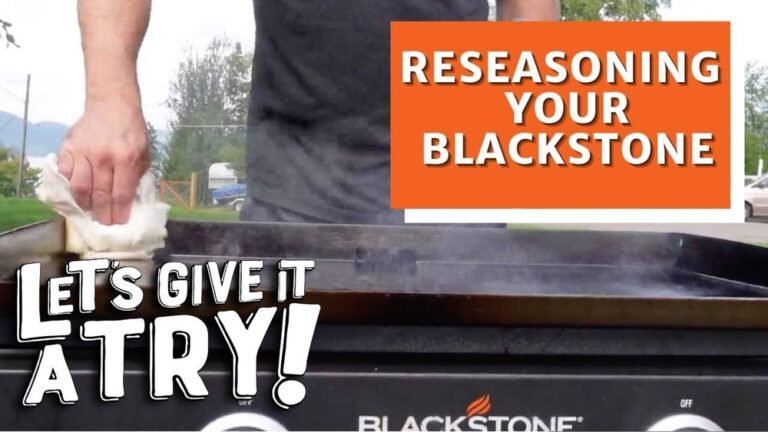
Use a paper towel or cloth to spread a thin layer of oil over the entire surface. Choose oils with a high smoke point like canola or avocado oil. Apply the oil carefully, covering every inch including edges. Avoid thick or uneven layers that cause sticky spots. Wipe off any excess oil with a clean paper towel. The layer should look shiny but not dripping.
Burning Off The Oil
Burning off the oil is a crucial step in seasoning your new Blackstone griddle. This process helps create a strong, non-stick surface that protects the metal and improves cooking performance. The key is to heat the oil until it reaches its smoke point and then allow it to burn off properly. This leaves behind a thin, even layer of polymerized oil that bonds with the griddle’s surface. Doing this right avoids sticky patches and uneven seasoning.
Achieving The Smoke Point
Start by applying a very thin layer of oil with a high smoke point, such as canola or avocado oil. Turn on the burners and heat the griddle gradually. Watch the oil closely as it begins to smoke. The smoke signals that the oil molecules are breaking down and bonding to the metal. Keep the griddle at this temperature for about 10 to 15 minutes. This step is vital for creating a durable, non-stick coating.
Avoiding Excess Oil Buildup
Use only a thin coat of oil to prevent sticky residue. Too much oil can pool and create uneven spots on the griddle. After applying oil, wipe off any excess with a paper towel. This helps the oil burn off evenly and speeds up the seasoning process. Repeat the burning off process two to three times for the best results. Each layer builds up the protective surface and improves your griddle’s cooking quality.
Repeating The Seasoning Process
Repeating the seasoning process is essential for building a strong, protective layer on your Blackstone griddle. Each layer adds durability and improves the non-stick surface. Patience matters here. Skipping steps or rushing can lead to uneven seasoning and sticky spots. Follow the right number of layers and allow proper timing between them for the best results.
Number Of Layers Needed
Typically, four to five layers create a durable seasoning coat. Each layer bonds to the metal and builds a smooth surface. Applying fewer layers may leave the griddle vulnerable to rust and food sticking. Applying too many layers in one go can cause flaking. Aim for thin, even coats and repeat the process several times for a solid finish.
Timing Between Layers
Allow the griddle to cool slightly before applying the next layer. This prevents the oil from pooling and ensures even absorption. Wait about 15 to 20 minutes between layers or until smoke stops rising. This burning off process strengthens the seasoning. Avoid adding a new layer while the surface is too hot or too cold for best results.
Final Seasoning Touch
After several seasoning rounds, the final seasoning touch is crucial. It protects the griddle from rust and creates a smooth cooking surface. This step ensures your Blackstone griddle stays ready for the next use. Taking time for this last step improves the griddle’s lifespan and performance.
Applying The Last Thin Coat
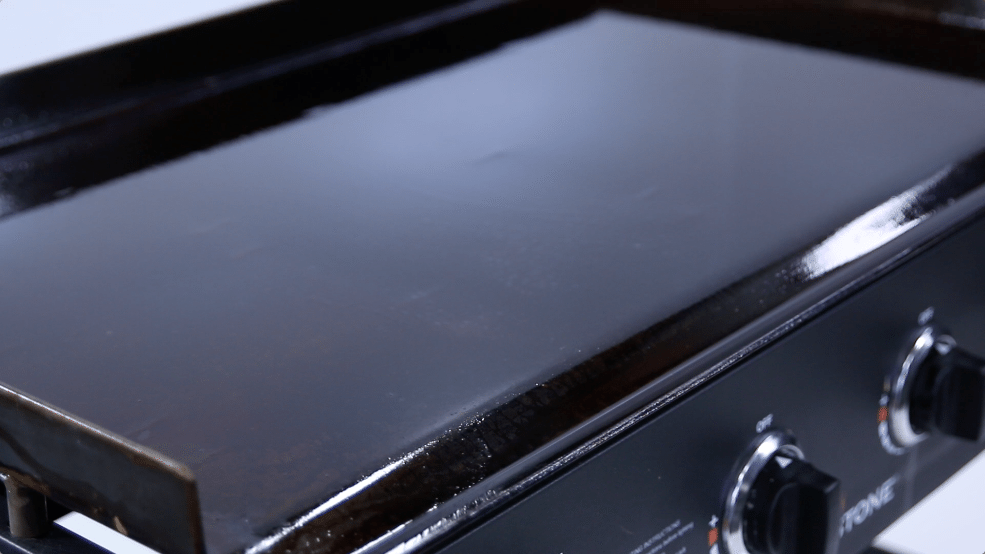
Make sure the griddle is warm, not hot. Use a clean paper towel to apply a very thin coat of oil. Choose oils with a high smoke point like canola or avocado oil. Spread the oil evenly across the entire surface, including edges. Wipe off any excess oil to avoid sticky spots. This thin layer will seal the seasoning and protect the metal.
Preparing For Storage
Allow the griddle to cool to room temperature after applying the last coat. Cover it with a breathable cloth or use the griddle cover. Store the griddle in a dry place to prevent moisture buildup. Avoid airtight containers that trap moisture and cause rust. Proper storage keeps your griddle ready and rust-free for your next cooking session.
Maintaining The Seasoned Surface
Maintaining the seasoned surface on your new Blackstone griddle keeps it non-stick and rust-free. A well-maintained seasoning improves cooking and extends the griddle’s life. Regular care helps build a natural, durable coating that enhances flavor and prevents damage.
Follow simple habits to keep your griddle ready for every cookout. Clean the surface after each use without damaging the seasoning. Add thin layers of oil over time to strengthen the protective coating. These small steps ensure your griddle stays in top shape.
Cleaning After Each Use
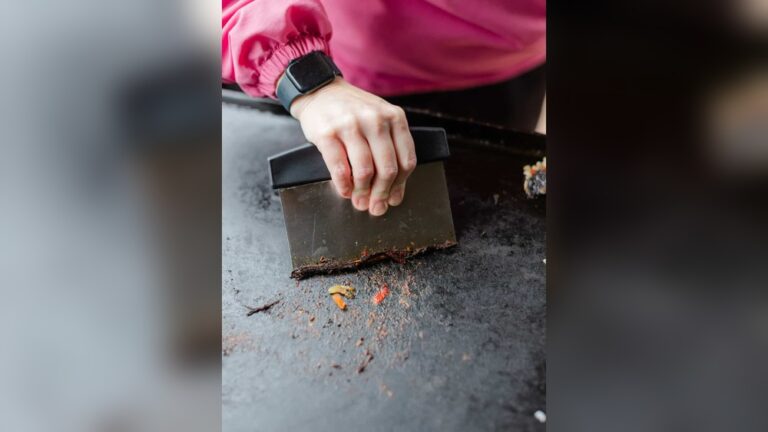
Clean the griddle while it is still warm but not hot. Use a spatula to scrape off leftover food gently. Avoid harsh scrubbing that can remove the seasoning.
Wipe the surface with a damp cloth or paper towel. For stuck-on bits, use warm water and mild soap sparingly. Rinse well to remove soap residue. Dry the griddle completely with a clean cloth or heat it briefly to evaporate moisture.
Do not soak the griddle or use steel wool. These can damage the seasoned layer and cause rust. Regular gentle cleaning keeps the surface smooth and ready for seasoning.
Building Seasoning Over Time
Apply a thin coat of oil after each cleaning session. Use oils with a high smoke point like canola or avocado oil. Spread the oil evenly using a cloth or paper towel.
Heat the griddle briefly to allow the oil to bond with the surface. This process forms a stronger, more durable seasoning. Repeat this after every few uses to build layers gradually.
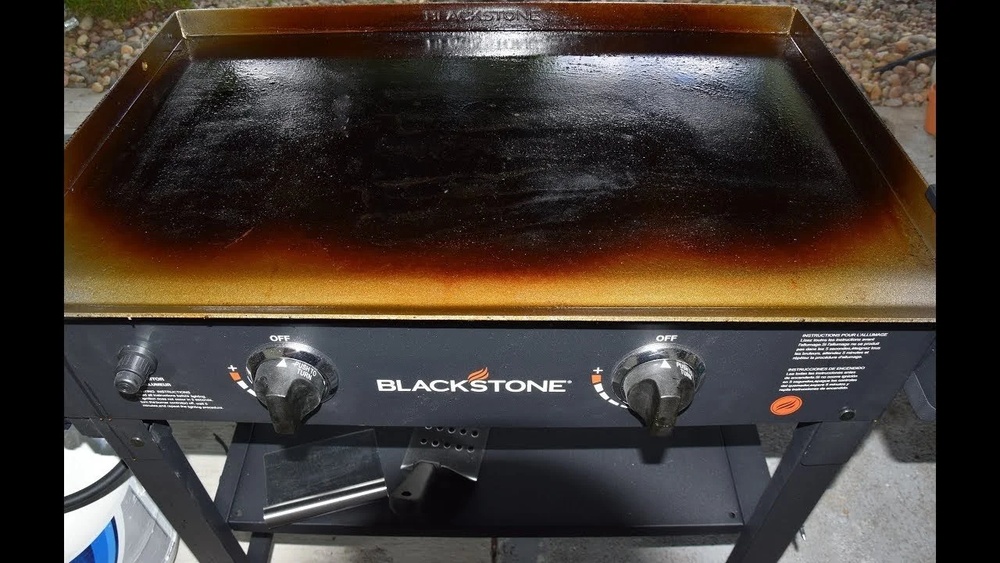
Thin layers prevent sticky or uneven spots. Over time, the seasoning becomes darker and more resistant to rust. This natural coating improves with use and care, giving better cooking results.

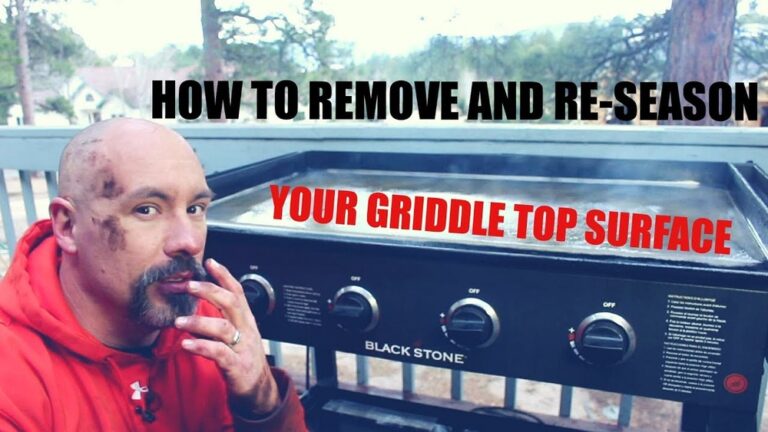
Credit: www.youtube.com
Common Mistakes To Avoid
Seasoning your new Blackstone griddle is important. It protects the surface and improves cooking. Many beginners make simple mistakes that can ruin the seasoning. Avoiding these errors helps your griddle last longer and cook better.
Using Too Much Oil
Applying too much oil is a common mistake. Thick layers create sticky, uneven seasoning. Use only a thin coat of oil. Spread it evenly with a paper towel. Wipe off any extra oil to prevent buildup. Thick oil can cause food to stick and create a rough surface.
Skipping Initial Seasoning
Some skip the first seasoning step. This is a big error. Initial seasoning removes factory oils and protects the griddle. Clean the surface well before seasoning. Heat the griddle and apply the first thin oil layer. This step prepares the surface for future layers. Skipping it leads to rust and poor cooking results.
Tips For Perfect Results
Perfect seasoning sets the foundation for your Blackstone griddle’s performance. Small details make a big difference in how well the surface cooks and how long it lasts. Follow these tips to get a smooth, durable non-stick finish that protects your griddle.
Wiping Off Excess Oil
Apply oil in very thin layers. Thick layers create sticky, uneven spots. After spreading oil, use a clean paper towel to wipe away any extra. This step stops pooling and helps the oil bond properly to the griddle.
Using Recommended Oils
Choose oils with a high smoke point. Canola, avocado, or Blackstone’s own seasoning oil work best. These oils handle heat without burning. Avoid olive or butter; they burn quickly and cause uneven seasoning.
Consistent Heat Application
Heat the griddle evenly during seasoning. Turn burners on low to medium to keep steady warmth. Avoid hot spots or sudden temperature changes. This steady heat helps the oil polymerize and form a strong protective layer.

Credit: www.thegrillcoach.com
Frequently Asked Questions
How To Season Blackstone Griddle For The First Time?
Clean the griddle with water and mild soap to remove factory oils. Dry it by heating on high. Apply a thin coat of high smoke-point oil evenly. Heat until the oil smokes and repeats 2-3 times. Finish with a final thin oil layer for storage.
Do You Have To Season A Brand New Blackstone Griddle?
Yes, you must season a new Blackstone griddle to remove factory oils and create a non-stick surface. Clean, dry, then apply thin oil layers and heat. Repeat for best results.
What Is The Best Oil To Season A Blackstone Griddle?
The best oil to season a Blackstone griddle is one with a high smoke point, like canola, avocado, or vegetable oil. Apply thin coats and heat to build a durable, non-stick surface. Avoid thick layers to prevent stickiness and ensure effective seasoning.
Do You Need To Use Oil On A Seasoned Blackstone?
Yes, apply a thin layer of high smoke-point oil after cleaning your seasoned Blackstone. This maintains the non-stick surface and prevents rust. Wipe off excess oil to avoid stickiness and reapply oil after each use to build seasoning and protect the griddle.
Conclusion
Seasoning your new Blackstone griddle is simple and important. Clean the surface well to remove oils. Use thin layers of high smoke point oil for best results. Heat the griddle carefully to burn off oil between coats. Repeat the process until the surface looks dark and smooth.
Regular maintenance keeps your griddle ready for cooking. A well-seasoned griddle improves food flavor and prevents rust. Enjoy cooking with your Blackstone griddle every time.