How to Restore a Rusty Blackstone Griddle: Easy Steps to Shine
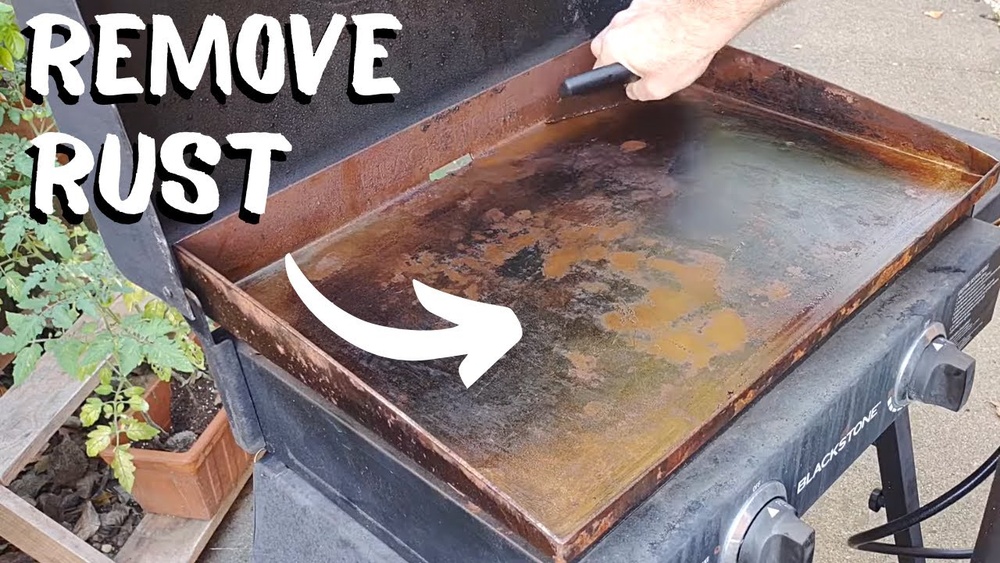
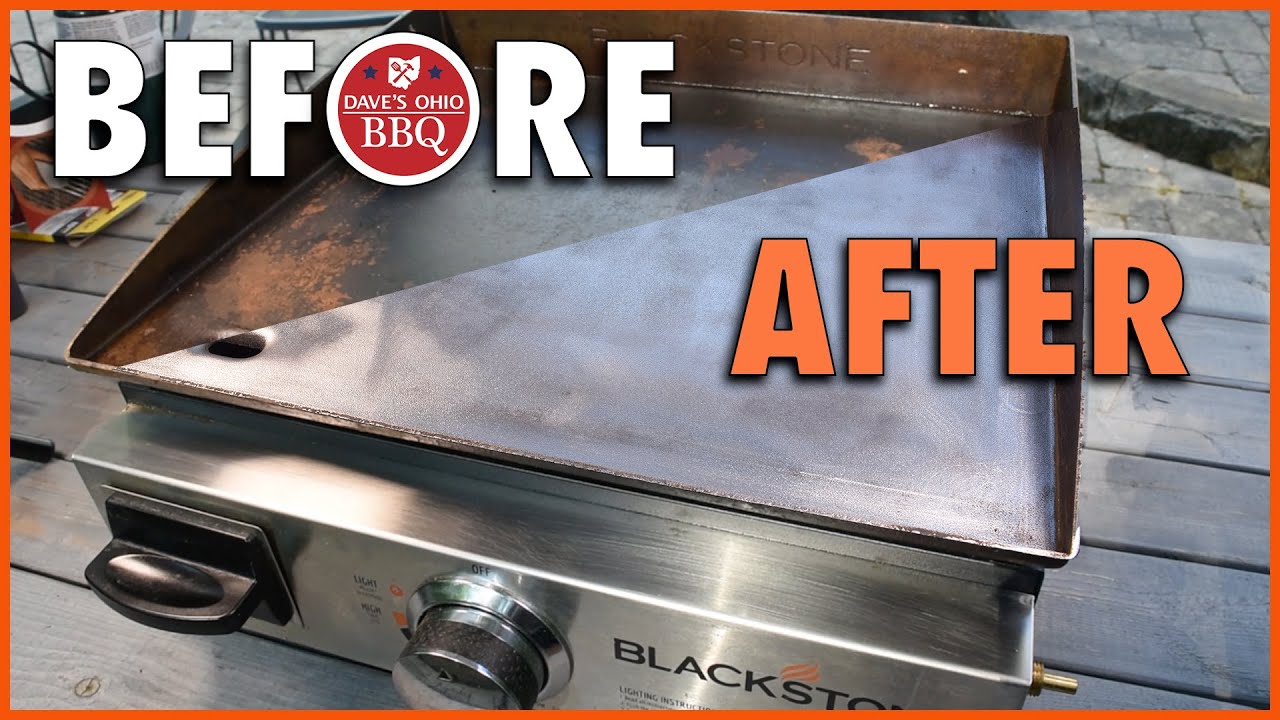
Is your Blackstone griddle looking rusty and worn out? Don’t worry—you can bring it back to life with just a few simple steps.
Rust on your griddle is common, but it doesn’t mean it’s time to give up on your favorite cooking companion. Imagine turning that rusty surface into a smooth, clean cooking space ready for your next delicious meal. In this guide, you’ll learn exactly how to remove rust, clean thoroughly, and reseason your Blackstone griddle so it works like new again.
Keep reading, and you’ll be grilling like a pro in no time!
Gather Supplies
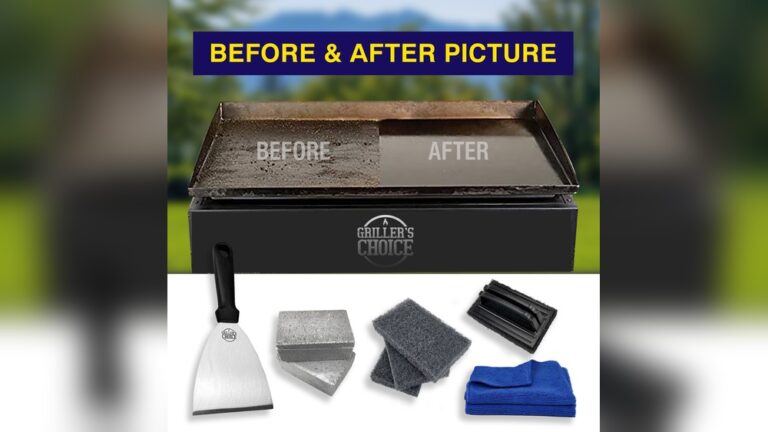
Gathering the right supplies is the first step to restore a rusty Blackstone griddle. Having all tools and cleaning agents ready saves time and effort. It also ensures the restoration process is smooth and effective. Below are the must-have items for this task.
Essential Tools
- Steel wool or a heavy-duty scrubbing pad to remove rust.
- Wire brush for tough rust spots and edges.
- Plastic scraper to lift debris without scratching the surface.
- Clean cloths or paper towels for wiping and drying.
- Gloves to protect your hands during cleaning.
- Bucket or container for water and cleaning solutions.
Recommended Cleaning Agents
- White distilled vinegar to dissolve rust naturally.
- Baking soda as a gentle abrasive cleaner.
- Dish soap to remove grease and residue.
- Cooking oil for seasoning after cleaning.
- Warm water to rinse off cleaners and rust particles.
Prepare The Griddle
Preparing your rusty Blackstone griddle is the first key step in restoration. This step ensures the surface is ready for deep cleaning and rust removal. Proper preparation makes the griddle safer to use and improves cooking performance.
Start by clearing away any loose dirt and debris. This helps you see the true condition of the griddle surface. Removing surface grime also prevents scratching during the cleaning process.
Remove Loose Debris
Use a stiff brush or scraper to sweep off loose rust flakes and food particles. Avoid using metal tools that can gouge the surface. Wipe the griddle with a dry cloth to lift dust and dirt. Make sure to check corners and edges where debris can collect.
Initial Surface Cleaning
Mix warm water with mild dish soap for gentle cleaning. Use a soft sponge or cloth to scrub the griddle surface lightly. Rinse thoroughly with clean water to remove soap residue. Dry the griddle completely with a clean towel to prevent new rust from forming.
Remove Rust
Removing rust from your Blackstone griddle is the first key step to restore its cooking surface. Rust damages the metal and affects how food cooks. Cleaning off rust brings back a smooth, safe surface ready for seasoning. Use simple household items to get rid of rust quickly. Choose a method that fits the rust level on your griddle.
Using Steel Wool
Steel wool works well to scrub off light to medium rust. Rub the rusty areas in a circular motion. Apply firm but gentle pressure to avoid scratching the metal. Keep scrubbing until the rust flakes away and the steel shines. Wipe the surface clean with a damp cloth after. Dry the griddle completely to stop new rust forming.
Applying Baking Soda Paste
Baking soda paste is a safe, mild abrasive for rust removal. Mix baking soda with water to make a thick paste. Spread it evenly over the rusty spots. Let it sit for 10 to 15 minutes to loosen rust. Scrub the paste with a soft brush or sponge. Rinse thoroughly with water and dry the griddle well before cooking.
Vinegar Treatment Options
White vinegar dissolves rust effectively on Blackstone griddles. Soak a cloth in vinegar and place it on rusty patches. Let it sit for 30 minutes to an hour. For stubborn rust, pour vinegar directly on the surface and scrub with steel wool. Rinse the griddle with water after treatment. Always dry the griddle fully to avoid future rust.
Scrub And Clean Thoroughly
Restoring a rusty Blackstone griddle starts with a deep scrub and clean. This step removes rust and dirt that block proper seasoning. Cleaning well helps the griddle cook evenly and last longer. Focus on removing all rust flakes and grime before moving to other steps. Use the right tools and techniques for the best results.
Scraping Stubborn Rust
Use a metal scraper or putty knife to remove thick rust patches. Hold the scraper at a low angle to avoid scratching the surface. Apply firm pressure and scrape until the rust loosens. For tight spots, use a wire brush to reach all corners. Removing stubborn rust thoroughly prevents future build-up and improves seasoning.
Wiping And Rinsing
After scraping, wipe the griddle with a damp cloth to clear loose rust. Rinse the surface with warm water to wash away remaining debris. Avoid harsh soaps that can damage the metal. Dry the griddle completely using paper towels or a clean cloth. A dry surface stops new rust from forming and prepares the griddle for seasoning.
Dry The Surface
Drying the surface of your Blackstone griddle is a key step in restoring it from rust. Water left on the metal invites more rust to form. Complete drying stops moisture from damaging the surface further. It also prepares the griddle for seasoning and future use. Proper drying keeps your griddle ready for cooking and helps it last longer.
Air Drying Tips
After washing or rinsing, let your griddle air dry completely. Place it in a warm, dry area with good air flow. Avoid damp or shaded places that slow drying. You can wipe the surface with a clean cloth to speed up the process. Turn on a fan nearby to increase air movement. Do not cover the griddle while drying; it traps moisture underneath.
Preventing Moisture Build-up
Moisture causes rust to return quickly on metal surfaces. After each use, wipe your Blackstone griddle dry right away. Store the griddle in a dry place, away from rain or humidity. Use a protective cover that allows some air flow. Avoid plastic covers that trap moisture inside. Season the griddle regularly to create a protective layer against moisture.
Credit: blackstoneproducts.com
Season The Griddle
Seasoning the griddle is a key step in restoring your Blackstone. It creates a non-stick, rust-resistant surface. This process protects your griddle and improves cooking performance. Proper seasoning ensures the griddle lasts longer and stays smooth.
Applying Cooking Oil
Start by applying a thin layer of cooking oil. Use oils with high smoke points like flaxseed, canola, or vegetable oil. Pour a small amount on the griddle surface. Spread it evenly using a paper towel or cloth. Cover every part, including edges and corners. Avoid thick layers; thin coats work best. This layer will bond with the metal during heating.
Heat Treatment Process
Next, heat the griddle to bond the oil to the surface. Turn on your griddle to medium-high heat. Let it heat until the oil starts to smoke lightly. This smoking means the oil is polymerizing and forming a protective layer. Keep heating for about 30 minutes. After heating, turn off the griddle and let it cool naturally. Repeat the oil application and heating process 2-3 times. Each layer builds a stronger, more durable seasoning. This step helps prevent rust and keeps your griddle ready for cooking.
Maintain Rust-free Surface
Maintaining a rust-free surface on your Blackstone griddle extends its life and improves cooking results. Rust forms when moisture and air meet the steel surface. Preventing rust keeps the griddle smooth and ready to cook anytime.
Simple habits protect the griddle from rust. Clean it well and store it correctly after each use. These small steps stop rust from forming and help your griddle look new for years.
Regular Cleaning Routine
Clean the griddle after every use. Scrape off food scraps and grease while the surface is still warm. Use a scraper or spatula for easy removal.
Wipe the surface with a damp cloth or paper towel. Avoid using soap as it can strip the seasoning. Dry the griddle completely with a clean cloth to prevent moisture.
Apply a thin layer of cooking oil after drying. This layer seals the steel from air and water. Use oils with a high smoke point like vegetable or canola oil. This step keeps the surface smooth and rust-free.
Proper Storage Practices
Store your griddle in a dry place. Avoid areas with high humidity or rain exposure. Moisture in the air can cause rust quickly.
Cover the griddle with a fitted cover or tarp to protect it from dust and moisture. Ensure the cover is dry before placing it over the griddle.
If storing for a long period, oil the surface well before covering. Check the griddle regularly for any signs of rust or moisture buildup. Early care prevents bigger problems later.

Credit: blackstoneproducts.com
Credit: www.youtube.com
Frequently Asked Questions
Can I Put Vinegar On My Blackstone Griddle To Remove The Rust?
Yes, you can use distilled white vinegar to remove rust from your Blackstone griddle. Apply vinegar, scrub with steel wool, rinse, dry, and reseason the surface.
How To Get Rust Off A Griddle Grill?
Scrub rust with steel wool or a baking soda paste. Rinse thoroughly, dry completely, then season the griddle to prevent rust.
Why Does My Blackstone Griddle Look Rusted?
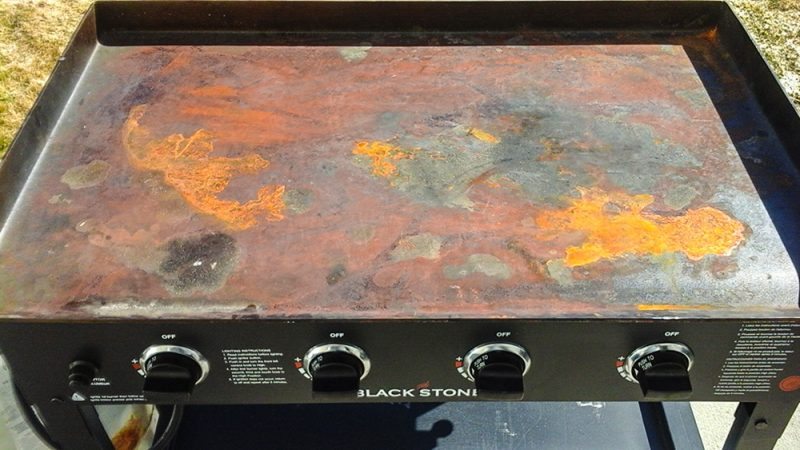
Your Blackstone griddle looks rusted because raw steel oxidizes when exposed to moisture, oxygen, food acids, or salts.
How To Clean Rust Off Blackstone Grill With Baking Soda?
Make a paste with baking soda and water. Apply it to rusted areas. Scrub gently with a brush or cloth. Rinse with water and dry thoroughly. Repeat until rust disappears. Season the grill to protect the surface.
Conclusion
Restoring a rusty Blackstone griddle takes time and care. Clean the rust thoroughly using simple tools. Dry it well to stop moisture buildup. Season the griddle to protect the surface. Regular maintenance keeps your griddle ready for cooking. Rust does not have to ruin your grill.
With patience, you can enjoy a smooth, clean cooking surface again. Keep your griddle in good shape for many meals ahead.