How to Restore a Rusted Blackstone Griddle: Quick & Easy Guide
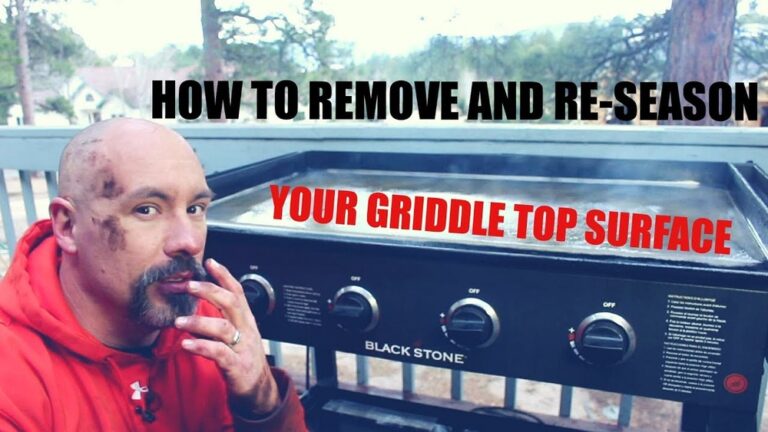
Has your Blackstone griddle developed rust, leaving you worried it’s beyond saving? Don’t give up on it just yet!
Rust not only affects the look of your griddle but also impacts food safety and cooking quality. The good news is, restoring a rusted Blackstone griddle is easier than you think. With a few simple steps, you can bring back that smooth, non-stick surface and enjoy delicious meals again.
In this guide, you’ll learn exactly how to remove rust safely and re-season your griddle to protect it from future damage. Ready to revive your griddle and get back to cooking like a pro? Let’s dive in!
Credit: blackstoneproducts.com
Rust Impact On Griddle
Rust on a Blackstone griddle can cause serious problems. It affects how the griddle cooks and can make food unsafe. Rust does not only look bad, but it also damages the metal surface. Understanding the impact of rust helps you keep your griddle in good shape. This section explains why rust is harmful and what issues it brings.
Food Safety Risks
Rust flakes can fall into your food during cooking. Eating rust is unhealthy and can cause stomach problems. Rust also changes the taste of your food. It makes meals bitter and unpleasant. Keeping the griddle free of rust ensures food stays safe and tasty.
Cooking Surface Damage
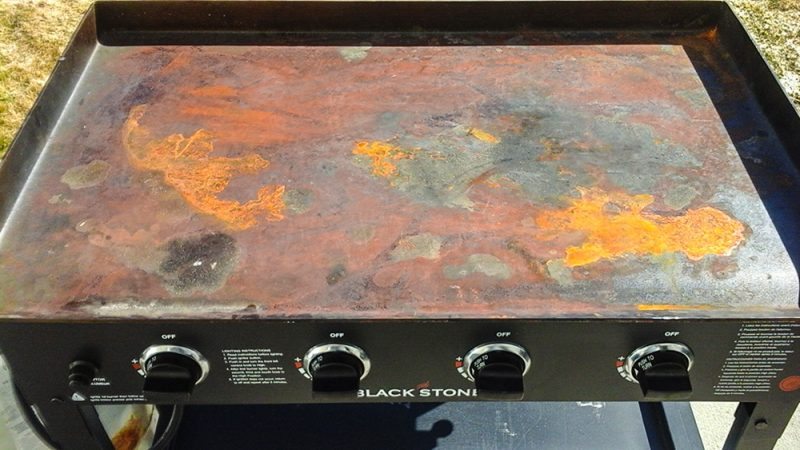
Rust creates rough patches on the griddle surface. These rough spots cause food to stick and burn unevenly. It also stops the griddle from heating properly. Over time, rust can eat away at the metal. This weakens the griddle and shortens its lifespan.

Credit: blackstoneproducts.com
Identifying Rust Severity
Knowing how serious the rust is on your Blackstone griddle helps decide the right cleaning steps. Rust can look different depending on how long it has been there. You want to spot the signs early for easier restoration. Some rust is just surface level, while other types need more work to fix. Let’s explore how to identify the rust severity.
Flaking And Discoloration
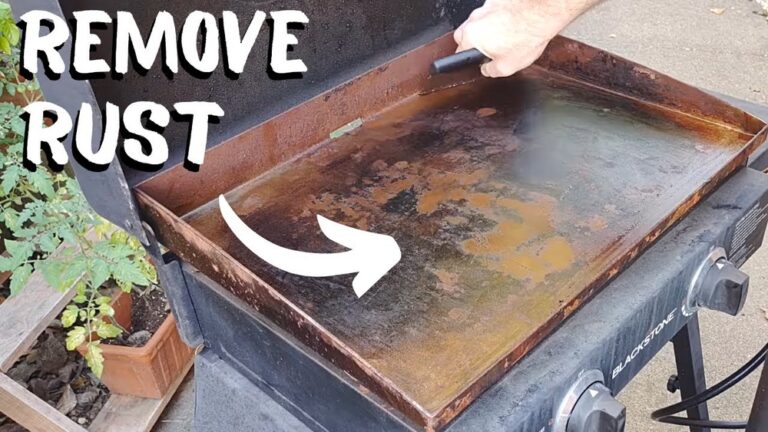
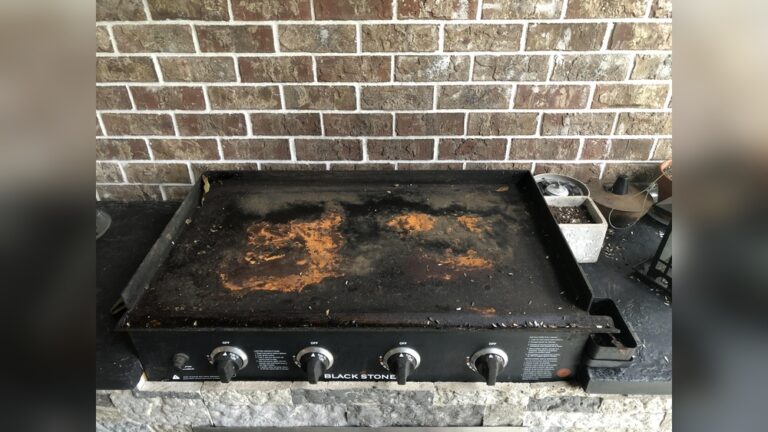
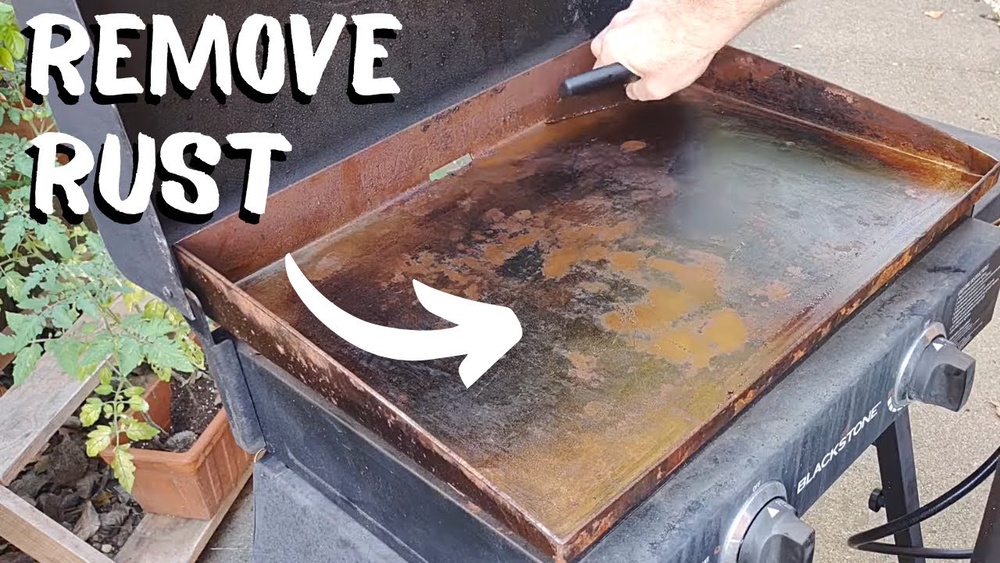
Flaking rust shows as small pieces or flakes coming off the griddle. This means the rust has eaten through the metal surface. You may see orange or brown patches that feel rough or flaky. This type of rust can make your food taste bad and cause uneven cooking. It is unsafe to cook on until you remove all the rust. Flaking rust needs deep cleaning and reseasoning to protect the griddle again.
Minor Surface Changes
Minor surface rust looks like dull or dark spots on the griddle top. It does not flake or come off easily. The cooking surface still works well and food does not stick. This rust stage is easier to clean with simple scrubbing or vinegar treatment. Minor rust should be removed to stop it from getting worse. Regular oiling after cleaning keeps the surface smooth and safe for cooking.
Removing Loose Rust
Proper maintenance keeps your Blackstone griddle in great shape. It helps prevent rust and ensures a smooth cooking surface. Follow these simple tips to protect your griddle after restoring it.
Cleaning After Use
Always clean the griddle while it is still warm. Use a scraper to remove food bits and grease. Wipe the surface with a damp cloth or paper towel. Avoid using soap, as it can strip the seasoning. Clean griddles last longer and cook better.
Keeping Dry
Moisture causes rust quickly. After cleaning, dry the griddle completely with a towel. Store the griddle in a dry place or cover it with a waterproof cover. Do not leave the griddle outside in rain or snow. Dry surfaces stop rust from forming.
Regular Oiling
Apply a thin layer of cooking oil after each clean. Use oils with high smoke points like vegetable or flaxseed oil. Heat the griddle slightly to help the oil soak in. Oiling builds a protective barrier against moisture. This keeps rust away and improves non-stick performance.
Credit: www.youtube.com
Frequently Asked Questions
How To Bring A Rusted Blackstone Back To Life?
Scrape rust using a grill brick or wire brush on a hot griddle. Clean with vinegar or baking soda. Dry thoroughly. Apply thin oil layers and heat to reseason. Repeat seasoning to restore the non-stick surface. Keep the griddle clean, dry, and oiled to prevent future rust.
Is A Rusted Blackstone Ruined?
A rusted Blackstone isn’t ruined if you remove rust by scraping and scrubbing. Thoroughly reseason it to restore the cooking surface and prevent future rust. Severe rust might need professional help, but most rust issues are fixable and safe after proper restoration.
Can I Put Vinegar On My Blackstone Griddle To Remove The Rust?
Yes, you can use vinegar to remove rust from your Blackstone griddle. Mix vinegar with water, scrub rust gently, then rinse and dry. Reseason the griddle thoroughly afterward to protect the surface and prevent future rust.
How Do I Get Rust Off A Griddle?
Scrape rust using a grill brick or wire brush on a hot griddle. Clean with vinegar or baking soda. Dry thoroughly. Season with high-heat oil and heat until darkened. Repeat to restore a smooth, rust-free surface ready for cooking.
Conclusion
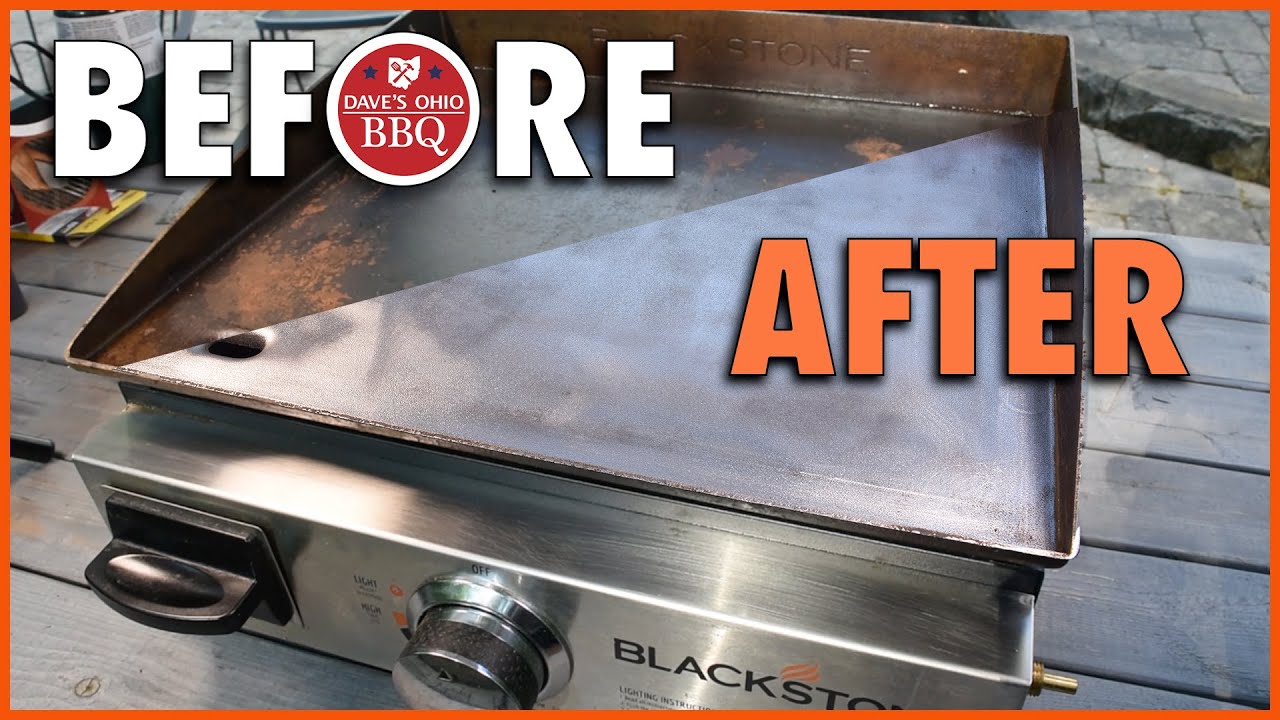
Restoring a rusted Blackstone griddle takes some effort but is worth it. Clean the rust thoroughly to protect your food and improve cooking. Regular seasoning keeps the surface smooth and rust-free. With care, your griddle will last many years and cook great meals.
Don’t rush the process; patience ensures the best results. Keep your Blackstone ready for any outdoor cooking adventure. Simple steps can bring back its shine and performance. Rust does not have to mean the end of your griddle.