How to Re-Season a Blackstone Griddle: Easy Steps for Lasting Non-Stick
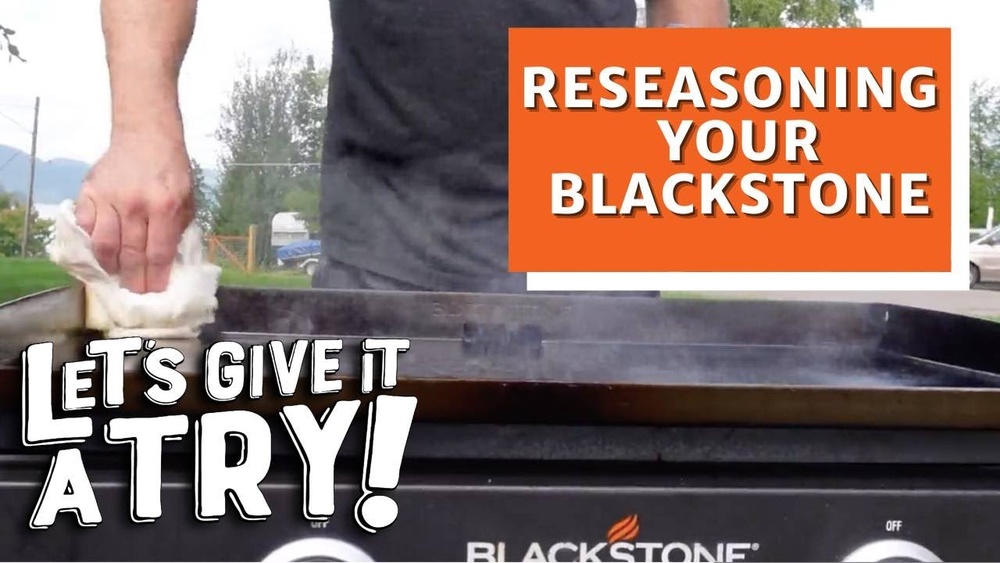
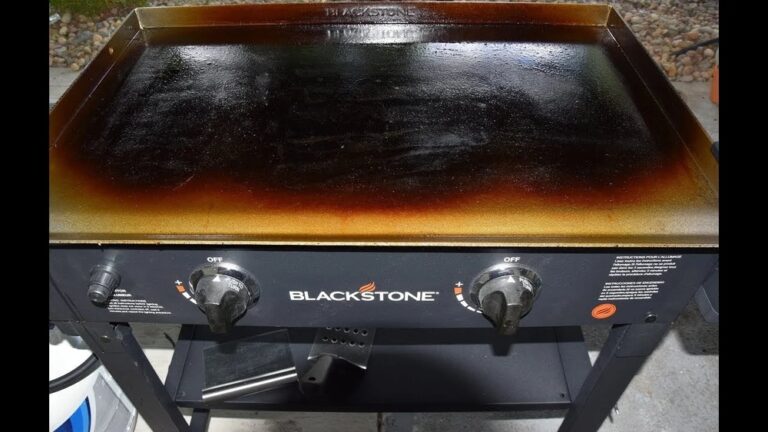
Your Blackstone griddle is a powerful tool for cooking delicious meals, but over time, it can lose its smooth, non-stick surface. If you’ve noticed flaking, rust, or food sticking more than usual, it’s time to re-season your griddle.
Re-seasoning restores that perfect cooking surface and protects your griddle from damage. In this guide, you’ll learn simple, step-by-step methods to clean, remove rust, and re-season your Blackstone griddle so it performs like new. Follow along, and you’ll be back to cooking mouthwatering dishes with ease in no time!
Prepare The Griddle Surface
Preparing the griddle surface is the first step to re-season your Blackstone griddle. A clean, smooth surface allows the seasoning oil to bond well. This protects the griddle and creates a non-stick layer. Proper preparation removes old food, rust, and debris. Follow these simple steps to get your griddle ready.
Initial Cleaning
Start by washing the griddle with warm water and mild soap. Use a soft cloth or sponge to avoid scratching. Rinse thoroughly to remove all soap residue. Dry the surface completely using a clean towel or let it air dry. This step removes grease and dirt that can block the seasoning process.
Scrape Loose Debris
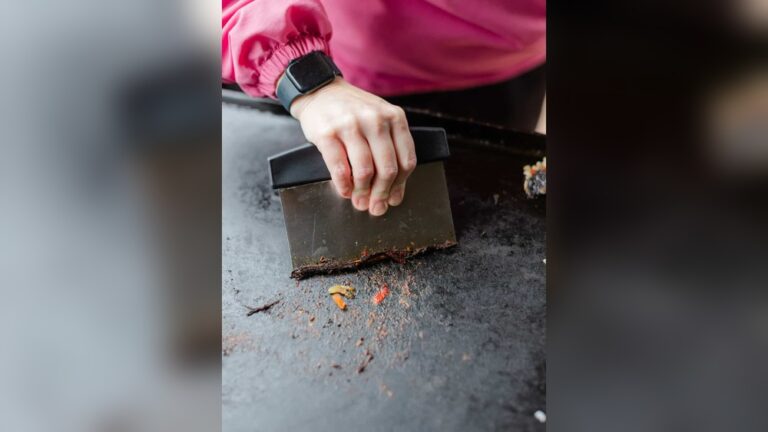
Use a metal scraper or spatula to scrape off any loose food particles or burnt bits. Pay close attention to the corners and edges. Removing these bits helps create an even surface for seasoning. This step also improves heat distribution during cooking.
Remove Rust With Vinegar
Pour white vinegar on rusty areas and let it sit for about one hour. Vinegar dissolves rust and makes it easier to clean. After soaking, scrub the surface gently with steel wool or a non-abrasive pad. Rinse the griddle well with water to remove vinegar and rust residue. Dry it completely by heating the griddle on low until all moisture evaporates.

Credit: www.youtube.com
Deep Scrubbing Techniques
Deep scrubbing is essential to remove rust and old seasoning from your Blackstone griddle. It prepares the surface for a fresh, even layer of seasoning. This step clears away dirt, grease, and stubborn residues that regular cleaning might miss.
Proper scrubbing helps the new seasoning bond better to the metal. It extends the life of your griddle and improves cooking results. Use the right tools and methods to avoid damaging the griddle’s surface.
Use Steel Wool Or Griddle Cleaner
Start by using steel wool or a specialized griddle cleaner. These tools break down tough rust and burnt-on food. Scrub the entire surface with firm, circular motions. Pay special attention to corners and edges where grime builds up.
A griddle cleaner made for cast iron or steel works well to lift stubborn stains. Avoid harsh chemicals that can damage the metal or leave harmful residues. After scrubbing, you should see a clean, smooth surface ready for rinsing.
Rinse And Dry Thoroughly
Rinse the griddle with warm water to wash away loosened rust and cleaner residue. Make sure no particles remain on the surface. Any leftover debris can interfere with seasoning.
Dry the griddle completely with a clean cloth or paper towels. Next, heat the griddle on low to evaporate any moisture. A dry surface prevents rust and ensures the oil bonds well during seasoning.
Apply Seasoning Oil
Applying seasoning oil is a key step in re-seasoning your Blackstone griddle. This process creates a protective layer that prevents rust and builds a non-stick cooking surface. Proper oil application ensures the seasoning lasts longer and improves cooking performance.
Use the right oil and apply it carefully. This helps form a smooth, even coating on the griddle. Follow these tips for best results.
Choose High Smoke Point Oil
Select an oil with a high smoke point for seasoning. Oils like flaxseed, canola, or grapeseed work well. They withstand high heat without burning. This helps the oil bond to the metal surface. Avoid oils that smoke too early. This can cause sticky or uneven seasoning.
Spread A Thin, Even Layer
Pour a small amount of oil onto the warm griddle. Use a paper towel or cloth to spread it thinly. Cover the entire surface evenly, including edges and corners. Too much oil creates sticky spots. A thin layer allows the oil to polymerize properly. This forms a smooth, durable seasoning layer.
Heat And Polymerize Oil
Heat and polymerize oil is a key step to restore your Blackstone griddle’s surface. This process creates a strong, non-stick layer that protects the metal and improves cooking. Applying oil and heating it causes a chemical change. The oil bonds tightly to the metal, forming a hard coating. This coating prevents rust and stops food from sticking.
Heat The Griddle Evenly
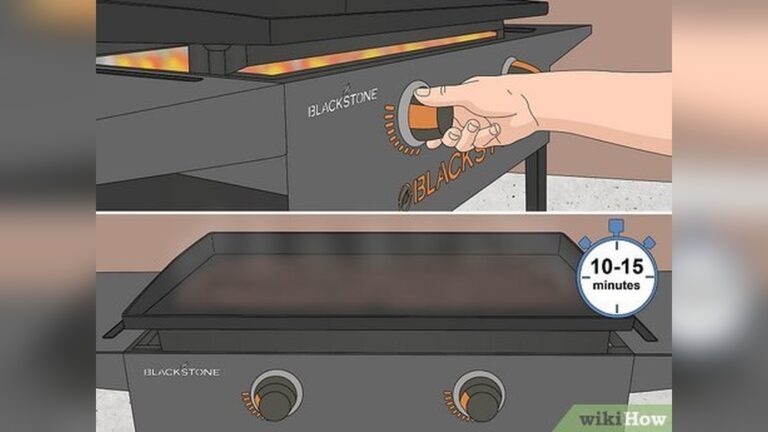
Start by turning on all burners to medium-high heat. Make sure the entire surface heats evenly. This helps the oil spread and bond well. Heat the griddle for about 10 to 15 minutes. The surface should be hot but not smoking heavily. Even heat ensures the oil polymerizes properly.
Repeat Oiling And Heating Cycles
After heating, turn off the burners and let the griddle cool slightly. Apply a thin layer of high-smoke-point oil like canola or flaxseed. Spread it evenly using a paper towel or cloth. Turn the heat back on and heat the griddle again. Repeat this oiling and heating cycle three to five times. Each cycle builds a stronger, smooth seasoning layer.
Season The Edges
Seasoning the edges of your Blackstone griddle is crucial for full protection. The edges often receive less heat during regular use. This can cause uneven seasoning and rust buildup over time.
Properly seasoning the edges ensures the entire surface stays smooth and rust-free. It also improves the griddle’s lifespan and cooking performance. Let’s look at how to treat those cooler edge areas effectively.
Use A Torch For Low Heat Areas
Edges may not get hot enough from the burners alone. Use a propane torch to apply direct heat to these spots. Move the flame evenly along the edges. This helps reach temperatures needed to bond the oil to the metal.
Be careful to avoid overheating or burning the oil. Keep the torch moving and work in small sections. This method speeds up seasoning and prevents sticky or uneven patches.
Darken And Harden The Edges
After heating, apply a thin layer of high-smoke-point oil to the edges. Use a cloth or paper towel to spread it evenly. Then heat the edges again with the torch or burners until the oil smokes and darkens.
This process creates a hard, blackened layer. It protects against rust and builds a natural non-stick surface. Repeat the oiling and heating two to three times for best results. Well-seasoned edges match the rest of the griddle’s surface.
Credit: cm-saska-kepa.pl
Maintain Your Seasoning
Maintaining your Blackstone griddle’s seasoning keeps it non-stick and rust-free. Proper care helps the seasoning last longer and improves cooking quality. Small steps after each use protect the griddle surface and save you time later.
Clean Without Harsh Chemicals
Use warm water and a soft cloth or scraper to clean the griddle. Avoid soap or harsh chemicals that can strip the seasoning layer. After cooking, scrape off food bits while the griddle is still warm. Wipe the surface clean with a damp cloth. This gentle cleaning preserves the seasoned coating and prevents damage.
Regular Oil Applications
Apply a thin layer of cooking oil after each cleaning. Use oils with high smoke points like canola or flaxseed oil. Heat the griddle slightly before oiling to help it absorb better. Spread oil evenly with a paper towel or cloth. This simple step keeps the seasoning smooth and stops rust from forming.
Troubleshooting Common Issues
Troubleshooting common issues during the re-seasoning of your Blackstone griddle can save you time and keep your griddle in great shape. Some problems may arise with the seasoning layer or the griddle surface. Knowing how to fix these issues helps maintain a smooth, non-stick cooking surface. This section covers two frequent problems and offers practical solutions.
Fix Flaking Seasoning
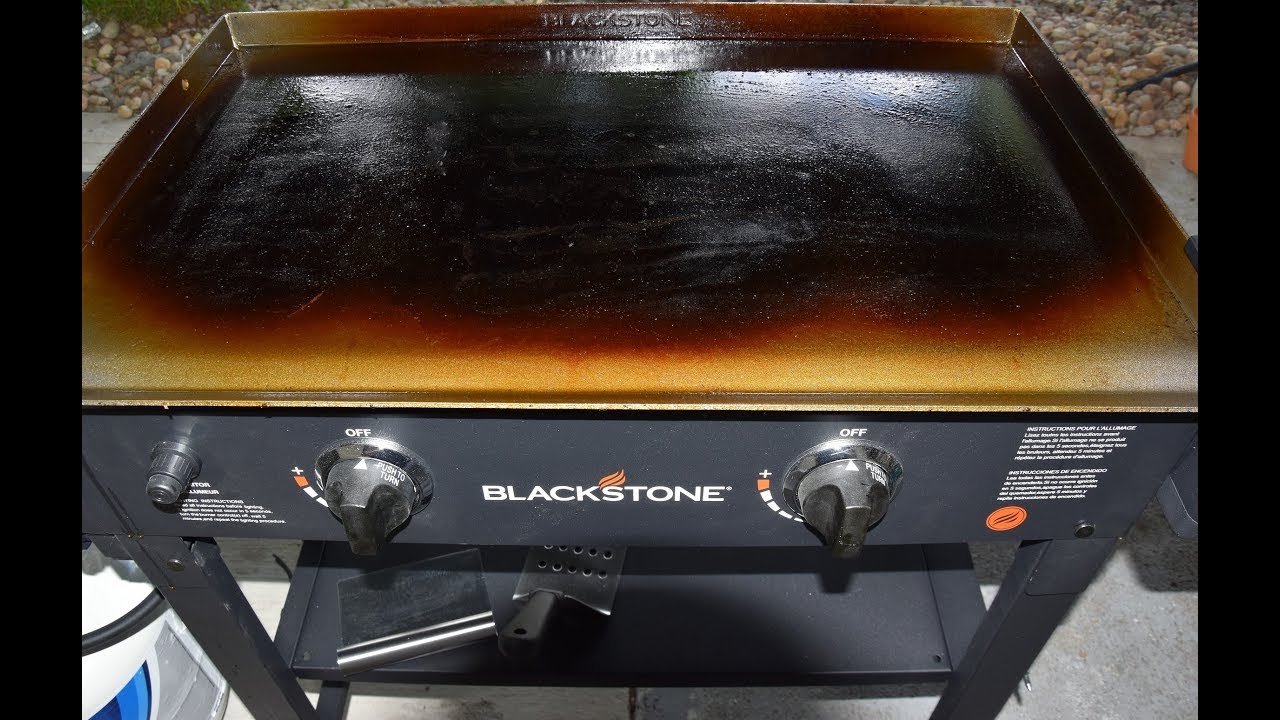
Flaking seasoning happens when the oil layer is too thick or uneven. It can also occur if the griddle was not heated properly during seasoning. To fix this, start by scraping off all the loose flakes with a metal spatula. Then, clean the griddle surface with warm water and a soft scrub brush. Avoid using soap to keep the seasoning intact.
Once clean, dry the griddle completely. Apply a thin, even layer of high-smoke-point oil, such as flaxseed or canola oil. Heat the griddle on medium-high until the oil smokes and forms a thin layer. Let it cool, then wipe off any excess oil. Repeat this process 3 to 5 times. This builds a strong, durable seasoning layer that resists flaking.
Prevent Rust Formation
Rust forms when moisture stays on the griddle surface. To prevent rust, always clean the griddle after use. Remove food particles and wipe the surface dry with a cloth or paper towel. Avoid leaving water on the griddle.
After cleaning, apply a thin coat of cooking oil while the surface is still warm. This oil layer acts as a barrier to moisture. Store the griddle in a dry place or cover it with a weather-resistant cover. Regular oiling and proper storage keep rust away and extend the life of your Blackstone griddle.
Credit: www.thegrillcoach.com
Frequently Asked Questions
How To Remove Rust And Reseason Blackstone Griddle?
Scrape off loose rust with a metal scraper. Soak rusted spots in white vinegar for an hour. Scrub with steel wool, rinse, and dry. Apply a thin layer of high-smoke-point oil, heat the griddle, then wipe off excess. Repeat oiling and heating 3–5 times to reseason.
How To Remove Old Seasoning From Blackstone?
Scrape off loose seasoning using a metal spatula. Clean with warm water and mild soap. Use vinegar and steel wool to remove rust. Rinse and dry thoroughly. Apply a thin layer of high-smoke-point oil and heat. Repeat oiling and heating 3-5 times to rebuild seasoning.
What Is The Best Oil To Reseason A Blackstone Griddle?
The best oil to reseason a Blackstone griddle is flaxseed or canola oil. Both have high smoke points and create a durable, non-stick surface. Apply thin layers, heat, and wipe off excess oil. Repeat 3-5 times for optimal seasoning and rust protection.
What Are Signs Of A Poorly Seasoned Griddle?
Signs of a poorly seasoned griddle include food sticking, uneven cooking, dull or patchy surface, rust spots, and flaking seasoning.
Conclusion
Re-seasoning your Blackstone griddle keeps it cooking smoothly and lasting longer. Clean the surface well before applying thin oil layers. Heat and wipe repeatedly to build a strong, non-stick coating. Don’t forget to treat the edges for even seasoning. Regular care prevents rust and keeps flavors fresh.
With simple steps, your griddle stays ready for tasty meals every time. Take your time and enjoy the process—it pays off in great cooking results.