How to Re Season a Blackstone Griddle: Ultimate Guide for Durability
If you love cooking on your Blackstone griddle, you know how important it is to keep its surface in top shape. Over time, your griddle’s seasoning can wear down, causing food to stick and even leading to rust.
But don’t worry—re-seasoning your Blackstone griddle is easier than you think, and it can bring back that smooth, non-stick surface you crave. In this guide, you’ll discover simple, step-by-step tips to clean, restore, and re-season your griddle like a pro.
Keep reading, and you’ll be ready to cook up delicious meals on a perfectly seasoned griddle in no time!
Credit: www.thegrillcoach.com
Preparing The Griddle Surface
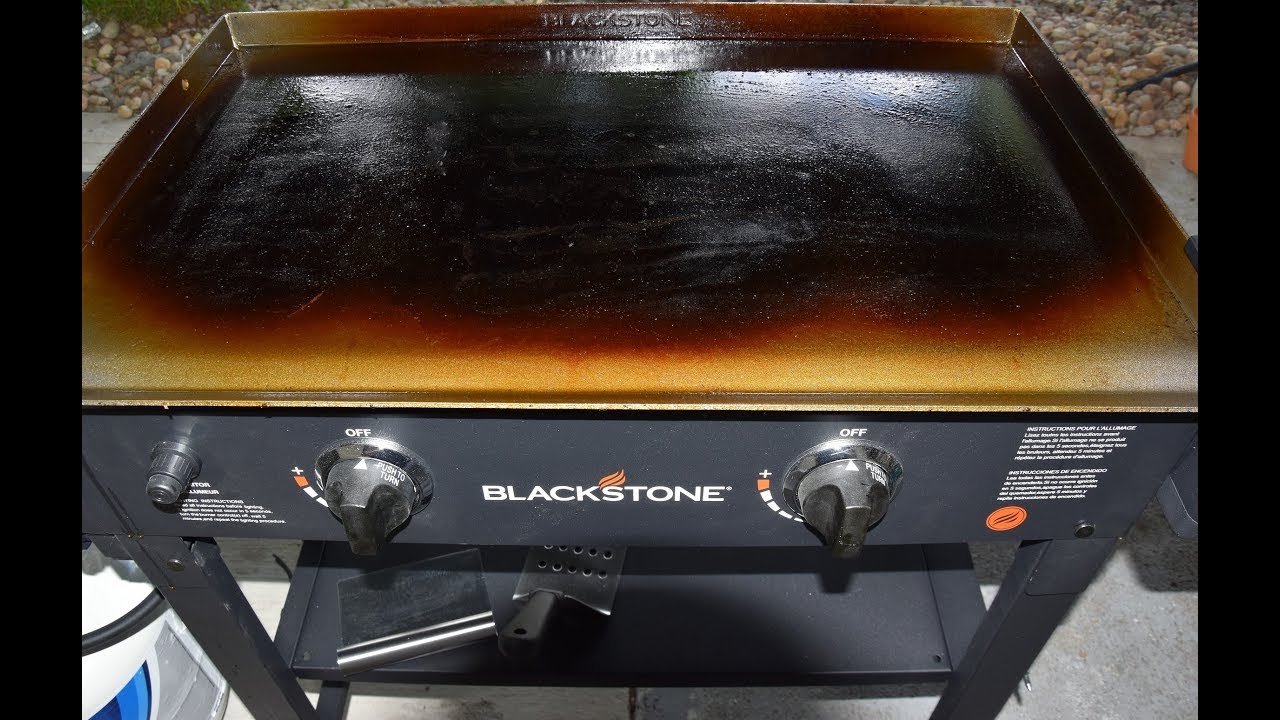
Preparing the griddle surface is the first key step in reseasoning your Blackstone griddle. A clean, dry surface ensures the oil bonds well, creating a strong, non-stick coating. Proper preparation removes old residue, rust, and moisture that can ruin your seasoning process. Follow these simple steps to get your griddle ready.
Initial Cleaning Steps
Start by washing the griddle with warm water and mild soap. Use a soft cloth or sponge to scrub away dirt and leftover food. Rinse the surface completely to remove soap residue. Dry the griddle well with a clean towel. This basic cleaning removes oils and debris that block seasoning.
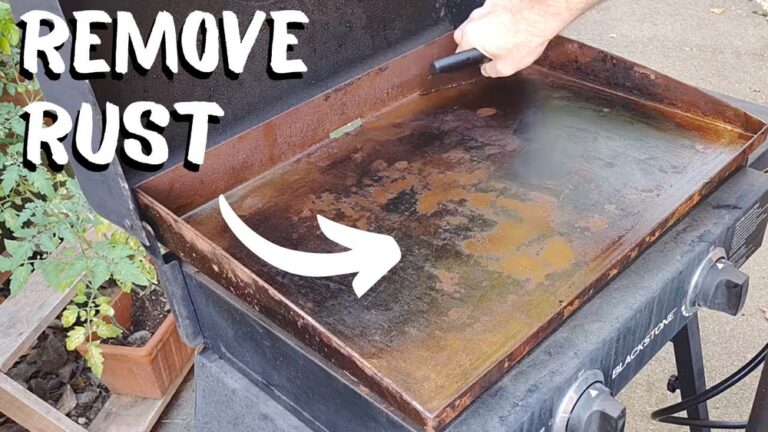
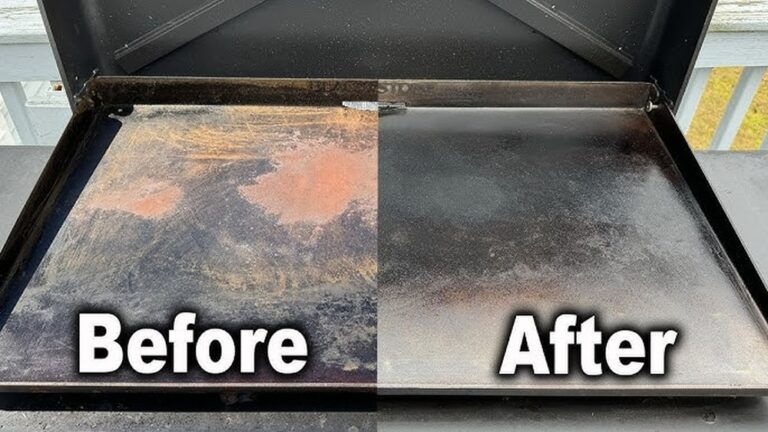
Removing Rust Effectively
Scrape the griddle surface with a metal scraper or spatula to remove loose rust. Pay close attention to corners and edges. Pour white vinegar over rusted spots and let it sit for about an hour. The vinegar helps dissolve rust naturally. After soaking, scrub the area with steel wool or a stiff brush. Rinse thoroughly to wash away rust and vinegar. Repeat these steps if rust remains.
Drying The Griddle Thoroughly
After rinsing, dry the griddle completely to avoid steam or moisture. Use a clean cloth to wipe down the surface. Turn on the griddle burners to low heat and warm the surface for 10-15 minutes. This step ensures all water evaporates. A dry griddle surface is essential for a smooth seasoning layer that lasts longer.

Credit: www.youtube.com
Choosing The Right Oil
Choosing the right oil is a key step in reseasoning your Blackstone griddle. The oil creates a protective layer that prevents rust and builds a smooth, non-stick surface. Not all oils are the same. Some burn quickly and leave sticky residue. Others last longer and provide better seasoning. Selecting an oil with a high smoke point is best. This means the oil can handle high heat without breaking down.
High Smoke Point Oils
Oils with high smoke points work well for griddle seasoning. They can endure the heat needed to polymerize and bond with the metal surface. Examples include vegetable oil, canola oil, peanut oil, and grapeseed oil. These oils do not burn easily. They form a strong, durable coating on the griddle. Using a low smoke point oil can cause sticky spots and uneven seasoning. Choose oils that smoke at temperatures above 400°F for best results.
Benefits Of Flaxseed And Canola Oil
Flaxseed oil is popular for seasoning cast iron and griddles. It creates a hard, durable layer after heating. It also polymerizes quickly, making the seasoning process faster. Canola oil is another excellent choice. It is affordable and widely available. Canola oil has a mild flavor that does not affect food taste. Both oils help form a smooth, non-stick surface. They protect the griddle from rust and wear over time.
Applying Oil For Seasoning
Applying oil is a key step in re-seasoning your Blackstone griddle. It protects the surface from rust and creates a smooth, non-stick finish. Use oils with a high smoke point like canola, flaxseed, or vegetable oil. The oil layer must be thin and even to avoid sticky spots or pooling. Proper application helps the oil bond well to the metal during heating. This process builds a strong seasoning layer that lasts through many cooks.
Even Oil Layer Technique
Start with a clean, warm griddle surface. Pour a small amount of oil onto the griddle. Use a paper towel or cloth to spread the oil evenly. Cover every part of the cooking surface, including corners and edges. Avoid using too much oil to prevent thick, sticky patches. A thin, uniform layer allows the oil to polymerize properly. Once spread, heat the griddle to help the oil bond to the metal.
Seasoning The Edges With A Torch
Edges can be hard to coat evenly with just oil. A propane torch helps season these tricky spots. After applying oil, gently run the torch flame along the edges. The heat quickly bonds the oil to the metal. Move the torch in slow, steady motions to avoid burning the oil. This step ensures full coverage and prevents rust on the griddle’s sides. Careful torch use creates a smooth, durable seasoning all around.
Heating Process
The heating process is key to re seasoning your Blackstone griddle properly. It helps the oil bond with the metal surface. This creates a strong, non-stick coating that protects the griddle from rust and damage.
Heating also burns off any leftover residue. This prepares the surface for the new seasoning layer. Doing this right ensures your griddle cooks evenly and lasts longer.
Optimal Heat Settings
Set your Blackstone griddle burners to medium-high heat. This temperature is hot enough to polymerize the oil without burning it. Avoid very high heat. It can cause the oil to smoke too much and leave a sticky mess.
Wait until the griddle surface starts to shimmer. This shows it is hot enough for seasoning. The ideal temperature is around 375°F to 400°F. Use a grill thermometer if needed.
Multiple Heating And Wiping Cycles
Apply a thin, even layer of cooking oil with a paper towel. Let the oil heat and bond to the griddle surface. After 10 to 15 minutes, turn off the burners and let it cool slightly.
Wipe off any excess oil with a clean paper towel. Repeat this heating and wiping process 3 to 5 times. Each cycle builds a stronger, smoother seasoning layer.
Multiple cycles create a durable coating that improves non-stick performance. It also helps prevent flaking and rust over time.
Maintaining The Seasoned Surface
Maintaining the seasoned surface of your Blackstone griddle keeps it non-stick and rust-free. It extends the life of your griddle and improves cooking results. Regular care preserves the protective layer formed by seasoning. Follow simple steps after each use to keep your griddle in top shape.
Cleaning After Each Use
Clean the griddle while it is still warm but not hot. Use a metal scraper to remove food bits and grease. Avoid using soap as it can strip the seasoning. Wipe the surface with a damp cloth or paper towel. For stuck-on food, pour a little water and let it steam off. Dry the griddle completely with a clean towel or heat it briefly to evaporate moisture.
Preventing Rust Formation
Rust forms when moisture stays on the griddle surface. After cleaning, apply a thin layer of cooking oil. Use oils with high smoke points like canola or flaxseed. Spread oil evenly using a paper towel or cloth. Heat the griddle for a few minutes to help the oil bond with the metal. Store the griddle in a dry place or cover it to protect from rain and humidity.
Troubleshooting Common Issues
Troubleshooting common issues during the re-seasoning of your Blackstone griddle ensures better cooking results and longer griddle life. Problems like flaking and uneven seasoning can happen but fixing them is simple. Understanding the causes helps prevent damage and keeps the surface smooth and non-stick. Follow these tips to solve typical seasoning problems quickly.
Fixing Flaking Seasoning
Flaking seasoning often happens due to too thick an oil layer or heating too fast. Remove the flakes by scraping gently with a metal spatula. Clean the surface with warm water and a sponge, then dry it completely.
Apply a thin coat of oil, using a high-smoke-point oil like flaxseed or canola. Heat the griddle slowly on medium heat until the oil smokes. Let it cool, then wipe off excess oil with a paper towel. Repeat this process three to five times for a strong, even layer.
Handling Uneven Seasoning
Uneven seasoning causes sticky spots or bare patches on your griddle. It often results from uneven oil application or heating. Start by cleaning the griddle well. Apply oil evenly across the entire surface, including edges and corners.
Heat the griddle gradually to allow the oil to bond uniformly. Use a cloth or paper towel to spread the oil thinly. Avoid pooling oil in one area. Repeat oiling and heating steps until the surface looks smooth and consistent.
Credit: cm-saska-kepa.pl
Frequently Asked Questions
How To Remove Rust And Reseason Blackstone Griddle?
Scrape rust with a metal scraper. Soak with white vinegar for an hour. Scrub using steel wool. Rinse and dry thoroughly. Apply a thin layer of high-smoke-point oil. Heat the griddle, then wipe excess oil. Repeat oiling and heating 3-5 times to reseason fully.
How To Remove Old Seasoning From Blackstone?
Scrape off loose seasoning using a metal spatula. Clean with warm soapy water and rinse. Scrub rust with white vinegar and steel wool. Dry thoroughly by heating the griddle. Apply a thin layer of cooking oil and heat. Repeat oiling and heating 3-5 times to re-season.
What Is The Best Oil To Reseason A Blackstone Griddle?
The best oil to reseason a Blackstone griddle is flaxseed, canola, or vegetable oil. These oils have high smoke points and create a durable, non-stick surface. Apply thin layers, heat the griddle, then wipe and repeat three to five times for optimal seasoning.
What Are Signs Of A Poorly Seasoned Griddle?
Signs of a poorly seasoned griddle include sticky, uneven surface, food sticking during cooking, rust spots, and dull or flaky coating.
Conclusion
Re-seasoning your Blackstone griddle keeps it ready for great cooking. Clean the surface well and remove any rust first. Apply oil thinly and heat the griddle to create a strong, non-stick layer. Repeat oiling and heating several times for best results.
Regular care helps your griddle last longer and cook better. Enjoy delicious meals with a well-maintained Blackstone griddle every time.