How to Get Rust off Blackstone Griddle: Easy & Effective Tips
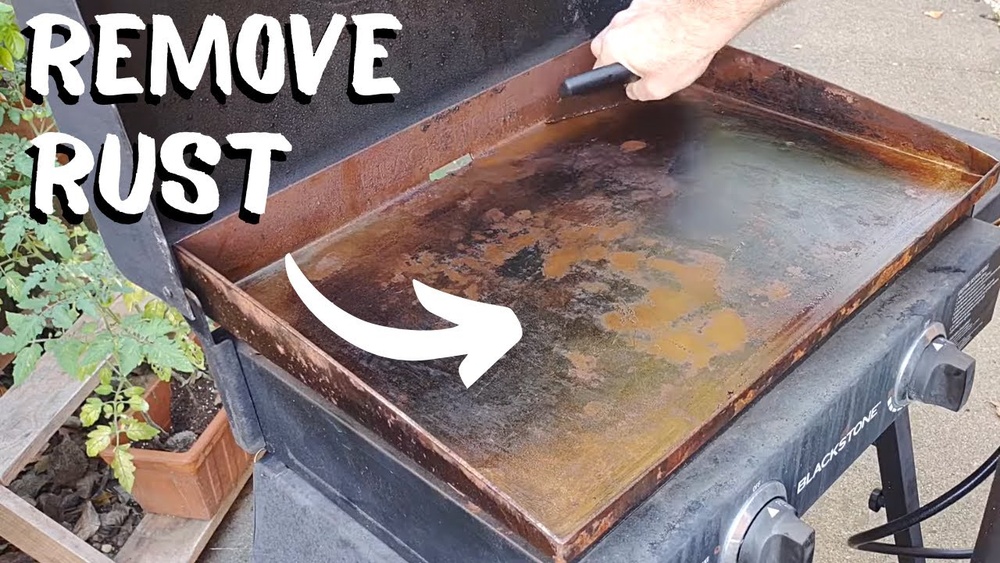
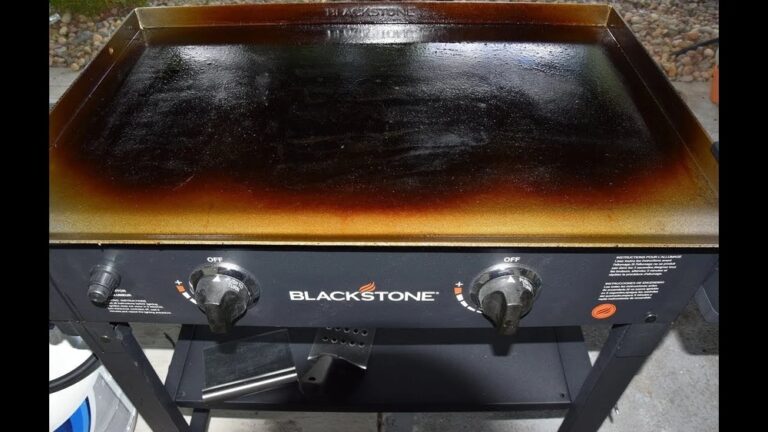
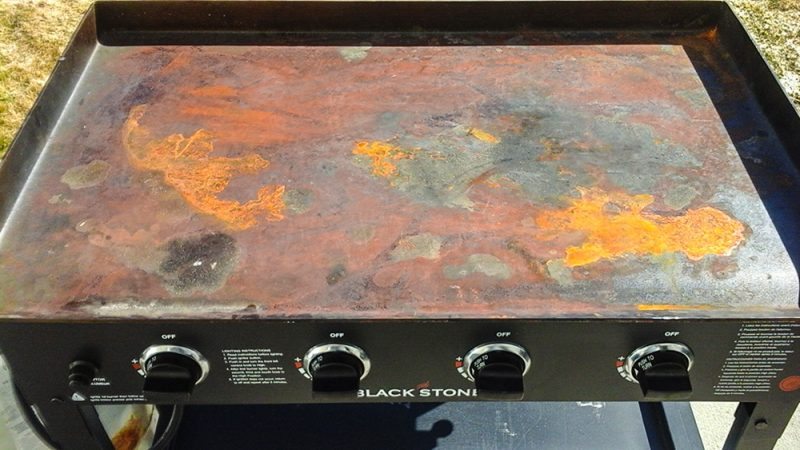
Rust on your Blackstone griddle can be frustrating and might even stop you from cooking your favorite meals. But don’t worry—you can easily bring your griddle back to life with a few simple steps.
Whether your rust is light or deep, knowing how to remove it quickly and safely will save you time and money. In this guide, you’ll learn effective, straightforward ways to get rust off your Blackstone griddle, protect it from coming back, and keep it ready for your next cookout.
Keep reading to discover how to restore your griddle’s surface and enjoy smooth, rust-free cooking every time.
Credit: blackstoneproducts.com
Preparing The Griddle
Preparing your Blackstone griddle properly helps remove rust safely and effectively. Taking the right steps before cleaning sets the stage for better results. This section covers the tools you need and how to prepare the griddle surface.
Gathering Tools And Materials
Collect all necessary tools before starting the rust removal process. You will need a metal scraper to remove loose rust. Use steel wool or a grill brick for scrubbing stubborn spots. Have a spray bottle with a vinegar and water mix or baking soda paste ready. Keep clean cloths or paper towels nearby for drying. Wear gloves to protect your hands during cleaning.
Cooling And Initial Scraping
Allow the griddle to cool completely before touching it. Scrape off loose rust and debris carefully using the metal scraper. Avoid pressing too hard to prevent scratching the surface. Wipe the griddle with a damp cloth to remove dust and dirt. This initial cleaning prepares the griddle for deeper rust removal steps.
Removing Loose Rust
Removing loose rust is the first step to clean your Blackstone griddle effectively. Loose rust can flake off easily and prevent deeper damage to the metal surface. Clearing this rust early helps protect your griddle from further corrosion. Follow simple methods to get rid of loose rust safely and prepare your griddle for thorough cleaning.
Using A Metal Scraper
Start by cooling the griddle completely to avoid burns. Hold a metal scraper firmly and scrape the surface gently. Focus on areas with visible rust flakes and loose debris. Use steady pressure to lift off the rust without scratching the metal. Remove all rust particles to expose a cleaner surface. This step helps remove rough patches and makes the next cleaning easier.
Wiping With Soapy Water
After scraping, prepare warm soapy water using mild dish soap. Dip a clean cloth or sponge into the soapy water and wipe the griddle surface. This removes dust, grease, and small rust particles left behind. Rinse the cloth often and repeat wiping until the surface feels smooth and clean. Finish by rinsing the griddle with plain water. Dry the surface completely with a towel to stop new rust from forming.
Applying Rust Removers
Applying rust removers is a crucial step in restoring your Blackstone griddle. Rust can damage the cooking surface and affect food flavor. Using the right rust remover helps clean the surface without harming the metal. Choose gentle, natural solutions or specific tools for best results.
Start by preparing your rust remover and cleaning tools. Work in small sections for better control. Always rinse and dry the griddle after applying rust removers to prevent new rust from forming.
Vinegar And Water Solution
Vinegar is a natural acid that dissolves rust effectively. Mix equal parts of white vinegar and water in a spray bottle. Spray the solution on the rusted areas of the griddle. Let it sit for 10 to 15 minutes to break down rust particles.
After soaking, scrub the surface with a non-abrasive sponge or cloth. Rinse thoroughly with clean water. Dry the griddle completely using a towel or by heating it on low heat. This method is safe and eco-friendly for mild rust.
Baking Soda Paste
Baking soda acts as a mild abrasive to remove rust gently. Mix baking soda with a small amount of water to make a thick paste. Spread the paste over the rusty spots on the griddle. Let it sit for 15 to 20 minutes.
Use a soft brush or sponge to scrub the paste in circular motions. This helps lift rust without scratching the metal. Rinse the griddle well and dry it completely. Baking soda paste is ideal for light to moderate rust.
Choosing Between Grill Brick And Steel Wool
A grill brick is a porous stone that scrubs rust without damaging the surface. It works well on Blackstone griddles and is easy to use. Rub the grill brick over rust spots in firm, circular motions. Wipe away debris with a cloth.
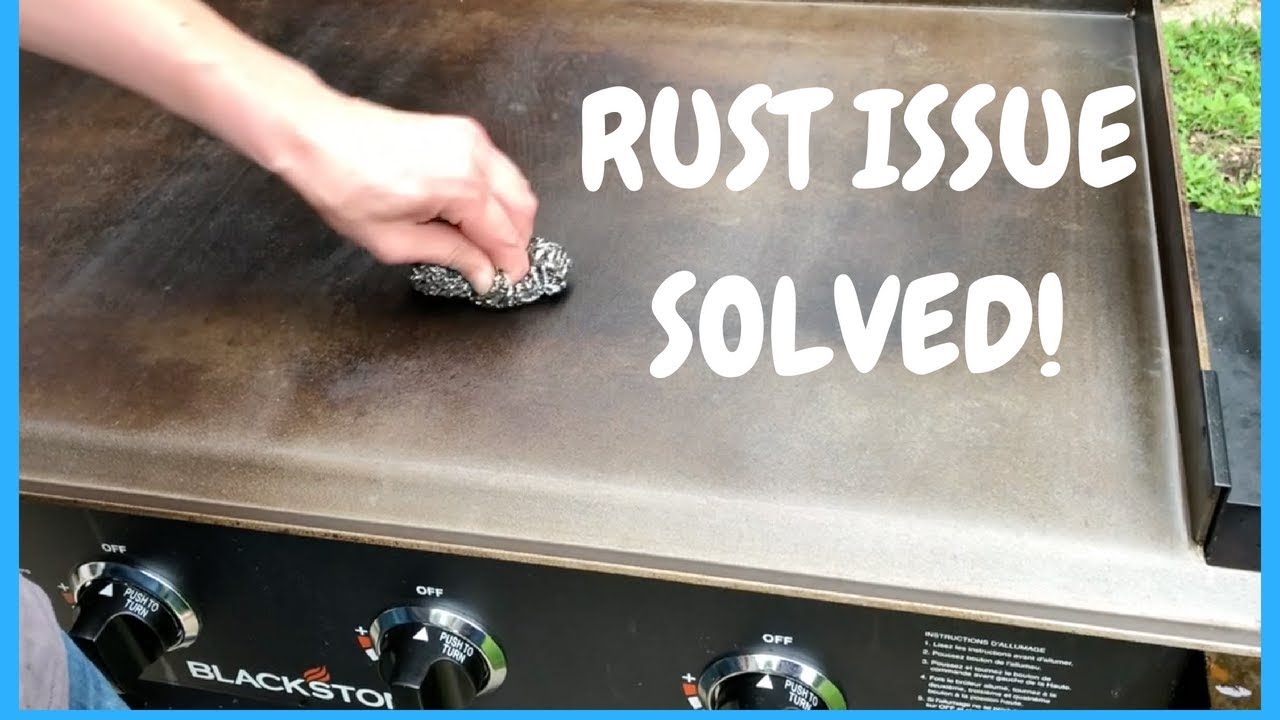
Steel wool is more abrasive and removes tough rust quickly. Use fine-grade steel wool to avoid deep scratches. Apply gentle pressure and scrub rusted areas carefully. Rinse and dry after scrubbing. Use steel wool only for heavy rust to protect the griddle surface.
Credit: lolproject.com
Scrubbing Techniques
Scrubbing is a key step in removing rust from your Blackstone griddle. Choosing the right scrubbing method depends on rust severity. Proper scrubbing protects your griddle’s surface while clearing rust efficiently.
Gentle methods work well for light rust, preserving the metal underneath. Tougher rust needs stronger tools to reach deep spots. The goal is a clean surface ready for seasoning.
Gentle Scrubbing For Light Rust
Start with a soft scrubber like a grill brick or steel wool. Apply a paste made of baking soda and water to the rusty area. Scrub in small circles with light pressure. This breaks down rust without scratching the surface.
Rinse the griddle with water after scrubbing. Dry it thoroughly using a cloth or paper towels. Heat the griddle briefly to evaporate any leftover moisture. This prevents rust from returning quickly.
Using Wire Brushes For Deep Rust
For stubborn rust patches, use a wire brush with stiff bristles. Scrub the affected areas firmly but carefully. Avoid excessive force to prevent damage to the metal.
Wire brushes remove rust deep inside crevices and rough spots. After scrubbing, wipe the griddle clean with a damp cloth. Dry it completely using heat and cloth to stop moisture buildup.
Re-season the griddle immediately to create a protective layer. This step stops rust from forming again. Regular maintenance keeps your Blackstone griddle rust-free.
Rinsing And Drying
Proper rinsing and drying are crucial after removing rust from your Blackstone griddle. Water removes leftover rust particles and cleaning agents. Drying prevents new rust from forming. Follow these steps carefully to keep your griddle in great shape.
Thorough Water Rinse
Use warm water to rinse the griddle surface well. Wash away all rust residue and cleaning paste. Avoid using harsh soaps that leave behind chemicals. Rinse until the water runs clear. This ensures no abrasive materials remain on the metal.
Rinsing removes tiny particles that could cause scratching later. It also prepares the surface for drying and seasoning. Take your time to do this step thoroughly. A clean surface helps your griddle last longer.
Drying With Towels And Heat
Start by wiping the griddle dry with clean towels or paper cloths. Press firmly to absorb as much moisture as possible. Next, apply heat to remove any hidden dampness. You can use the griddle’s burners on low heat for 10 to 15 minutes.
Heat drives out water trapped in tiny pores of the metal. A fully dry griddle stops rust from forming again. Never store the griddle while it is damp or wet. Drying is just as important as cleaning for rust prevention.

Credit: blackstoneproducts.com
Re-seasoning The Griddle
Re-seasoning the Blackstone griddle is essential after removing rust. This process restores the cooking surface and prevents rust from coming back. Proper seasoning creates a natural non-stick layer and protects the metal from moisture. Follow these simple steps for a well-seasoned griddle.
Applying Oil Layers
Start with a clean, dry griddle surface. Use a high-smoke point oil like flaxseed or canola oil. Pour a small amount onto the griddle and spread it evenly. Use a paper towel to coat the entire surface, including edges. Thin, even layers work best to build a smooth finish.
Heating Sides And Corners
Turn on your griddle and heat it evenly. Make sure to heat the sides and corners as well as the center. Heat helps the oil bond with the metal, creating a strong protective layer. Keep the griddle hot until the oil starts to smoke slightly. This step is key for proper seasoning.
Multiple Seasoning Rounds
Repeat the oil application and heating process several times. Each round builds a thicker, more durable coating. Usually, three to four rounds give the best results. Allow the griddle to cool slightly between rounds. Multiple layers lock out moisture and stop rust from forming again.
Handling Deep Rust Issues
Deep rust on your Blackstone griddle needs more than simple scrubbing. It can damage the metal if not treated properly. Handling this type of rust requires tools that remove rust down to bare metal. This process prepares your griddle for a fresh, strong seasoning layer. Use the right methods to protect your cooking surface and extend its life.
Orbital Sander Use
An orbital sander helps remove heavy rust quickly and evenly. Use medium-grit sandpaper for the best results. Move the sander in slow, circular motions across the rusty spots. Avoid staying too long in one area to prevent metal damage. After sanding, wipe the surface clean with a damp cloth. This step exposes fresh metal for reseasoning. Wear a mask to avoid inhaling rust dust.
Wire Brush For Bare Metal
A wire brush is excellent for scraping rust from tight corners and edges. Choose a stiff wire brush that can reach into grooves. Brush firmly but carefully to remove rust without scratching too deep. Follow up by wiping the surface with a damp cloth. This tool is handy for spot cleaning after sanding. Always clean the griddle completely before applying oil to prevent new rust.
Preventing Future Rust
Preventing rust on your Blackstone griddle keeps it ready for every cookout. Rust damages the surface and affects food taste. Simple habits help protect your griddle and extend its life.
Follow these easy steps to stop rust from coming back. Consistency matters in caring for your griddle.
Consistent Seasoning Routine
Seasoning your griddle builds a strong protective layer. Heat the surface, then apply a thin coat of cooking oil. Let it bake into the metal. Repeat this after every use or cleaning. This layer blocks moisture and stops rust from forming.
Proper Cleaning And Oiling
Clean the griddle after cooking with a scraper and warm water. Avoid harsh soaps that strip seasoning. Dry the surface completely to prevent water spots. Apply a light oil coat before storing. This seals the metal and keeps it shiny.
Storage Tips
Store your Blackstone griddle in a dry place. Cover it with a breathable grill cover to keep dust and moisture away. Avoid leaving it outside in rain or snow. If storing for a long time, apply extra oil to protect the surface.
Quick Rust Removal Hacks
Quick rust removal hacks save time and bring your Blackstone griddle back to life fast. Rust can build up quickly if the griddle is not properly maintained. Acting swiftly prevents damage and keeps your cooking surface smooth. These simple methods use tools and items you likely have at home. Follow these steps for fast, effective rust removal.
Wire Brush Fast Method
A wire brush is a powerful tool to remove rust quickly. Use a stiff wire brush to scrub the rust spots firmly. This method works best for surface rust and light corrosion. Brush in a circular motion to lift rust flakes. After brushing, wipe the griddle with a damp cloth. Dry it completely to stop new rust from forming. This technique is quick and requires minimal effort.
Household Item Alternatives
Common household items can also remove rust without harsh chemicals. Mix baking soda with water to form a thick paste. Apply it to rusty areas and let it sit for 15 minutes. Scrub gently with a sponge or soft brush, then rinse well. White vinegar is another option. Soak a cloth in vinegar and place it on rust spots. After 10-20 minutes, scrub with a scrub pad and rinse. These natural remedies clean rust and are safe for your griddle.
Frequently Asked Questions
How To Remove Rust Off A Blackstone Griddle?
Scrape loose rust, then scrub with vinegar-water or baking soda paste and steel wool. Rinse, dry fully, and re-season with oil immediately. For deep rust, use a wire brush or sander, then apply multiple oil layers to restore and protect the griddle.
What Is The Fastest Way To Clean Rust Off A Grill?
Scrape loose rust with a metal scraper. Scrub with a vinegar-water mix or baking soda paste using steel wool. Rinse thoroughly, dry completely, then re-season with oil to prevent rust returning.
Is A Rusted Blackstone Ruined?
A rusted Blackstone is not ruined. Scrape off rust, clean, dry, and re-season it to restore performance and prevent further rust.
Can I Use Vinegar On My Blackstone To Remove Rust?
Yes, you can use a vinegar and water mix to remove rust from your Blackstone griddle. Scrub gently, rinse well, dry, and re-season immediately.
Conclusion
Removing rust from your Blackstone griddle keeps it ready for cooking. Start by scraping off loose rust, then scrub with baking soda or vinegar. Rinse well and dry completely to stop moisture. Season the griddle right after cleaning to protect the surface.
Regular care helps prevent rust from coming back. Keep your griddle clean and oiled for best results. This simple routine saves time and keeps your griddle working well. Rust does not have to ruin your cooking experience. Stay consistent and enjoy a smooth, rust-free griddle every time.