How to Get Rust off a Blackstone Griddle: Quick & Easy Methods
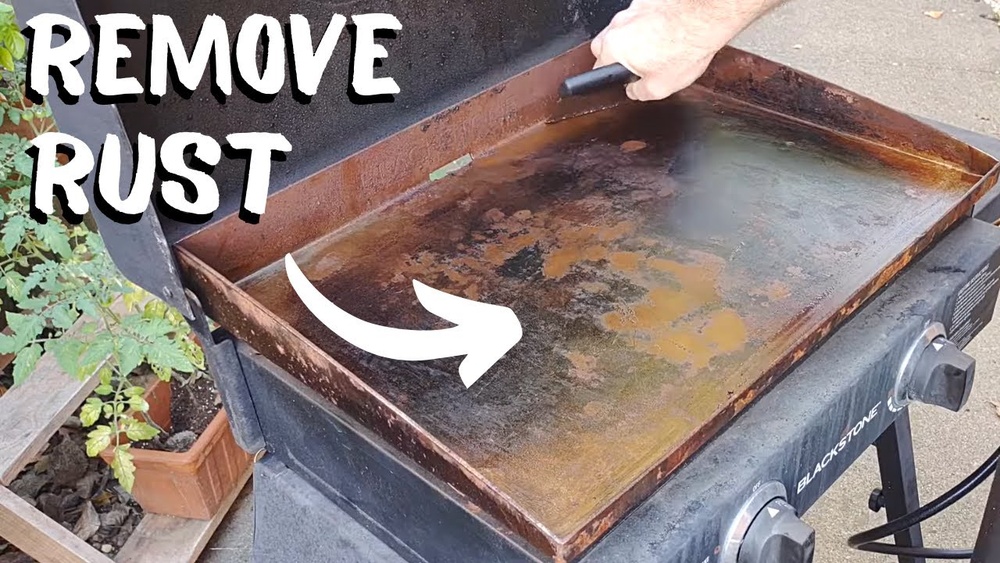
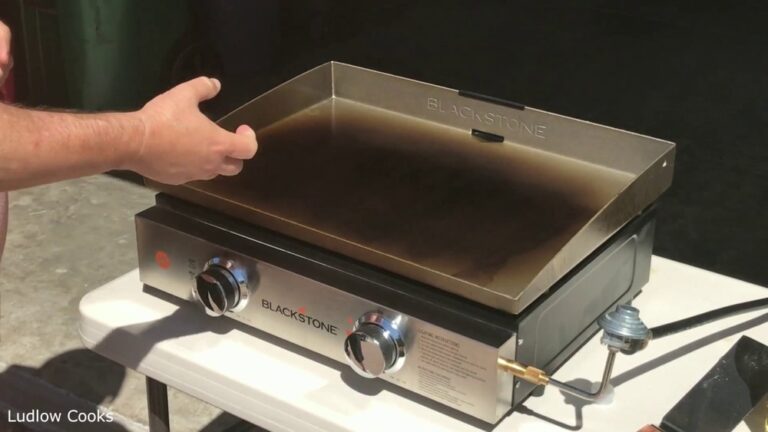
Rust on your Blackstone griddle can be frustrating. It not only looks bad but can affect the taste of your food and the griddle’s performance.
But don’t worry—removing rust from your Blackstone griddle is easier than you might think. With the right steps, you can restore your griddle’s smooth cooking surface and get it ready for your next meal. Keep reading to discover simple, effective ways to get rust off your Blackstone griddle and keep it in top shape for years to come.
Causes Of Rust On Blackstone Griddles
Rust forms on Blackstone griddles due to certain common causes. Understanding these helps prevent damage and keeps your griddle in top shape. The main reasons for rust include exposure to moisture, lack of proper seasoning, and improper cleaning. Each factor plays a key role in the griddle’s durability.
Exposure To Moisture
Moisture is the main enemy of Blackstone griddles. Water left on the surface can cause rust quickly. Rain, humidity, or washing without drying all add moisture. Even sweat or food juices can lead to rust if not cleaned properly. Keeping the griddle dry is essential.
Lack Of Proper Seasoning
Seasoning creates a protective layer on the griddle surface. Without this layer, metal is exposed to air and moisture. This exposure speeds up rust formation. Seasoning involves applying oil and heating the griddle. Skipping or doing this poorly leaves the metal vulnerable.
Improper Cleaning Techniques
Using harsh tools or soaps damages the seasoning layer. Scrubbing too hard or using water without drying causes rust. Cleaning should remove debris but keep the protective coating intact. Failure to clean gently and thoroughly invites rust to develop.
Tools And Materials Needed
Removing rust from your Blackstone griddle requires the right tools and materials. These help clean the surface effectively without damage. Using proper tools saves time and effort. Gather all items before starting the process.
Scrapers And Spatulas
Metal scrapers and spatulas remove loose rust and debris. Choose sturdy ones with flat edges. They help chip away rust without scratching the griddle. Use them gently to avoid surface damage. Scrapers also clear stuck food and grease.
Steel Wool And Grill Stones
Steel wool pads scrub away rust in small circular motions. Grill stones work similarly, smoothing the surface. These tools are abrasive enough to remove rust but safe for the griddle. Use moderate pressure to avoid scratching. They help restore a clean, even finish.
Acidic Solutions Like Vinegar
Vinegar is a natural rust remover. Its acidity breaks down rust particles effectively. Apply vinegar with a cloth or spray bottle. Let it sit for a few minutes before scrubbing. Vinegar also cleans and disinfects the griddle surface. Rinse well after use.
Sandpaper And Specialized Products
Fine-grit sandpaper helps remove heavy rust spots gently. Use it carefully to avoid deep scratches. Specialized products like Blackstone Restore work well for tough rust. These products often come with pads designed for griddles. Follow product instructions for best results.
Quick Rust Removal Methods
Removing rust quickly from your Blackstone griddle helps keep it ready for cooking. Rust can form fast if moisture stays on the surface. Acting fast stops rust from damaging the metal underneath. These quick methods use simple tools and household items to get your griddle clean and smooth again.
Scraping Loose Rust
Start by scraping off loose rust with a metal scraper or spatula. This removes flaky rust pieces that sit on top. Use firm but careful strokes to avoid scratching the griddle surface. Wipe the area with a paper towel to clear away the rust dust. This step makes the next cleaning easier and more effective.
Using Vinegar And Steel Wool
Dab white vinegar on the rust spots. Vinegar’s acidity breaks down rust quickly. Let it sit for 10 to 15 minutes to loosen the rust. Use steel wool to scrub the surface in small circles. Apply steady pressure but avoid heavy scrubbing that could harm the griddle. Repeat if rust remains, then wipe clean with a damp cloth.
Rinsing And Drying Techniques
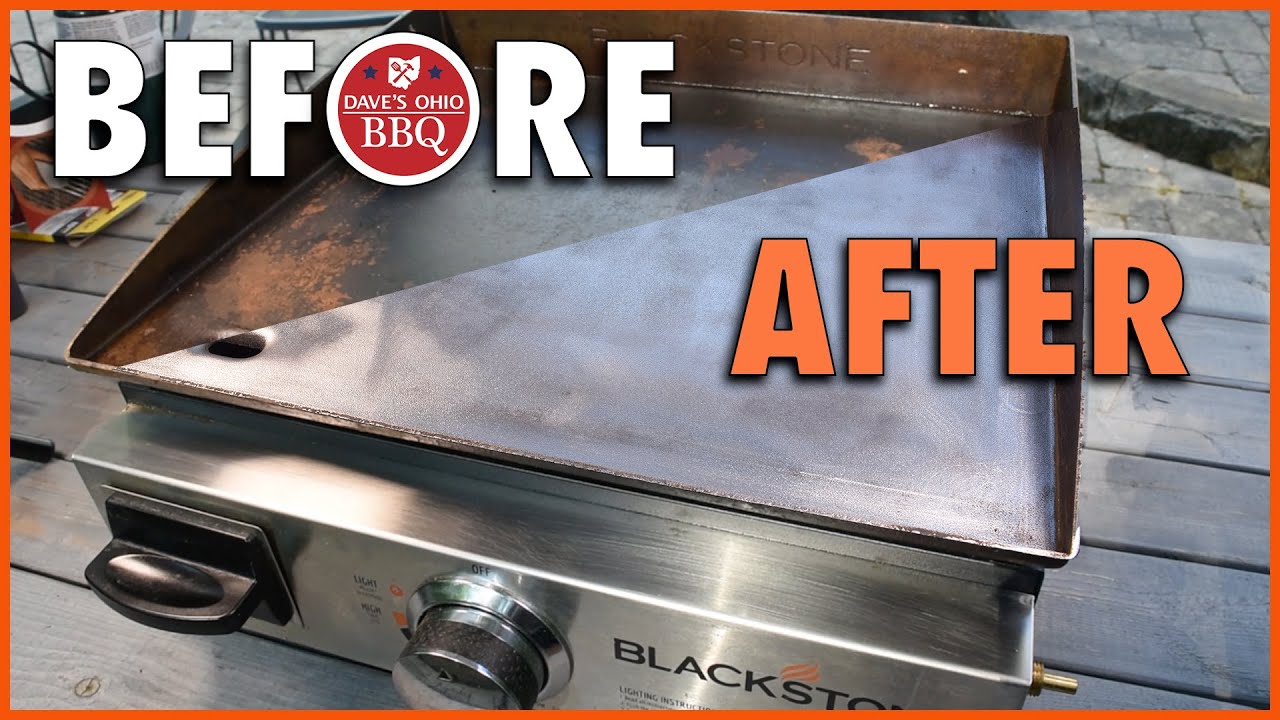
Rinse the griddle thoroughly with clean water to remove all vinegar and rust particles. Use a clean cloth or paper towel to dry every inch immediately. Avoid leaving any moisture on the surface. Heat the griddle on high for 10 minutes to evaporate hidden water. This prevents flash rust and keeps your griddle ready for seasoning.
Credit: www.youtube.com
Deep Rust Restoration
Deep rust restoration is essential for Blackstone griddles with heavy rust buildup. Simple cleaning won’t fix deep rust. It requires careful sanding and treating to restore the surface.
This process removes rust layers and prepares the griddle for protection. It brings back the smooth cooking surface and extends the griddle’s life.
Sanding Down Heavy Rust
Start with coarse sandpaper to remove thick rust. Use 80 or 120 grit sandpaper for best results. Sand in small circles, focusing on rusty patches. Change to finer grit paper to smooth the surface. This step clears rust and rough spots.
Applying Blackstone Restore
Blackstone Restore is a special product for deep rust repair. Apply a thin layer on the sanded surface with a clean cloth. It bonds to the metal and seals small rust spots. Let it dry fully before cooking or seasoning. This step protects and strengthens the griddle.
Using Brillo Pads For Tough Spots
Brillo pads work well on stubborn rust areas. Scrub these spots gently but firmly with the pad. Use circular motions to lift rust without scratching too deep. Rinse and dry the griddle after scrubbing. Brillo pads reach corners and uneven surfaces easily.
Re-seasoning Your Griddle
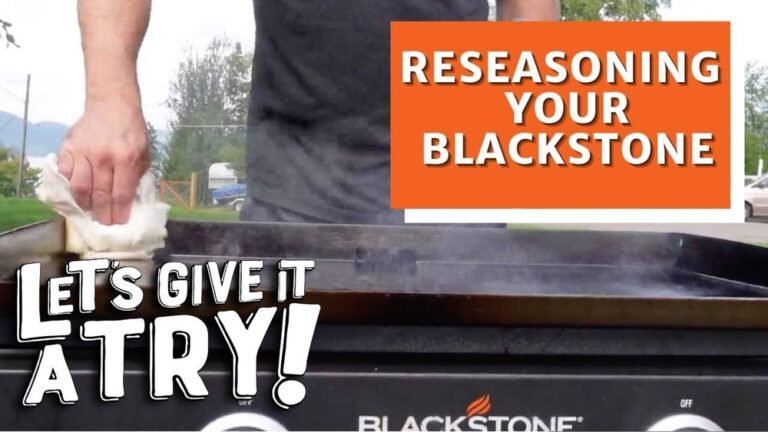
Re-seasoning your Blackstone griddle is essential after removing rust. This process restores the cooking surface and protects it from future rust. Proper seasoning builds a strong, non-stick layer. It also improves heat distribution for better cooking results.
Start by choosing the right oil. Then follow the heating process carefully. Finally, maintain the protective layer to keep your griddle in top shape.
Choosing The Right Oil
Pick an oil with a high smoke point for seasoning. Flaxseed oil, canola oil, and grapeseed oil work well. These oils create a durable, hard layer on the griddle. Avoid using low smoke point oils like olive oil. They burn easily and do not form a good seasoning layer.
Heating Process For Seasoning
Heat your griddle evenly on medium-high heat. Spread a thin, even layer of oil over the entire surface. Let the oil heat until it starts to smoke lightly. Turn off the heat and let the griddle cool completely. Repeat this process 2 to 3 times for best results. This builds a strong, smooth coating that seals the metal.
Maintaining A Protective Layer
After seasoning, clean your griddle with warm water and a scraper only. Avoid using soap or abrasive tools that strip the seasoning. Apply a light coat of oil after each use while the griddle is still warm. This keeps the surface protected and rust-free. Store your griddle in a dry place or cover it to prevent moisture buildup.
Preventing Future Rust
Preventing rust on your Blackstone griddle keeps it cooking smoothly and lasting longer. Rust forms when moisture stays on the metal surface. Avoiding water buildup and protecting the griddle surface stops rust before it starts. Follow simple steps after each use to keep your griddle in top shape.
Proper Cleaning After Use
Clean the griddle right after cooking while it is still warm. Use a spatula to scrape off food bits and grease. Avoid using soap as it can strip the seasoning. Wipe the surface with a damp cloth or paper towel. Dry the griddle well using a clean towel or heat it to evaporate moisture. This simple routine removes food residue and prevents rust buildup.
Regular Oiling And Maintenance
Apply a thin layer of cooking oil after each cleaning. Use oils with a high smoke point like vegetable or canola oil. Spread the oil evenly over the entire surface with a paper towel. This creates a protective barrier that keeps moisture out. Regular oiling also maintains the griddle’s seasoning, improving its non-stick performance. Check for rust spots often and treat them quickly to stop spread.
Storing Your Griddle Correctly
Store your Blackstone griddle in a dry place away from rain and humidity. Cover it with a weather-resistant cover when not in use. Avoid storing the griddle indoors if it traps moisture or condensation. If possible, keep it in a garage or shed with good ventilation. Proper storage reduces exposure to water and air, two main causes of rust. Always make sure the griddle is fully dry before covering or storing.
Safety Tips When Removing Rust
Removing rust from your Blackstone griddle is important for safety and cooking quality. Rust can damage the surface and affect food taste. Follow safety tips to protect yourself and your griddle during the cleaning process.
Handling Chemicals Safely
Use rust removers or vinegar with care. Read all instructions before use. Avoid mixing chemicals; it may create harmful fumes. Work in a well-ventilated area to breathe fresh air. Keep chemicals away from children and pets.
Avoiding Food Contamination
Clean the griddle thoroughly after removing rust. Rinse the surface with water multiple times. Dry the griddle completely to stop new rust from forming. Re-season the griddle to create a safe cooking layer. Never cook on a rusty or chemically treated surface.
Using Protective Gear
Wear gloves to protect your hands from chemicals and rust. Use safety goggles to shield your eyes from splashes. Wear a mask if fumes or dust form during cleaning. Protect your clothes with an apron or old shirt. Proper gear keeps you safe and comfortable.

Credit: blackstoneproducts.com
Frequently Asked Questions
How To Remove Rust From A Blackstone Griddle?
Scrape loose rust with a metal scraper. Scrub using steel wool and vinegar or Blackstone Restore. Rinse, dry thoroughly, then re-season the griddle.
Can I Put Vinegar On My Blackstone Griddle To Remove The Rust?
Yes, you can use vinegar to remove rust on your Blackstone griddle. Apply vinegar, scrub with steel wool, rinse, dry, then re-season.
Is A Rusted Blackstone Ruined?
A rusted Blackstone is not ruined. Clean rust using scrapers, steel wool, and re-season the griddle to restore it effectively.
What Is The Fastest Way To Clean Rust Off A Grill?
Scrape loose rust with a metal spatula. Scrub using steel wool and vinegar or a rust remover. Rinse, dry thoroughly, then re-season the grill.
Conclusion
Removing rust from your Blackstone griddle keeps it ready for cooking. Regular cleaning stops rust from coming back quickly. Use simple tools like scrapers and scrubbers for best results. Always dry and heat the griddle after cleaning to avoid moisture.
Season the surface well to protect your griddle. Taking these steps helps your griddle last longer and cook better. A rust-free griddle means more delicious meals and less hassle. Keep it clean, dry, and seasoned for best performance every time.