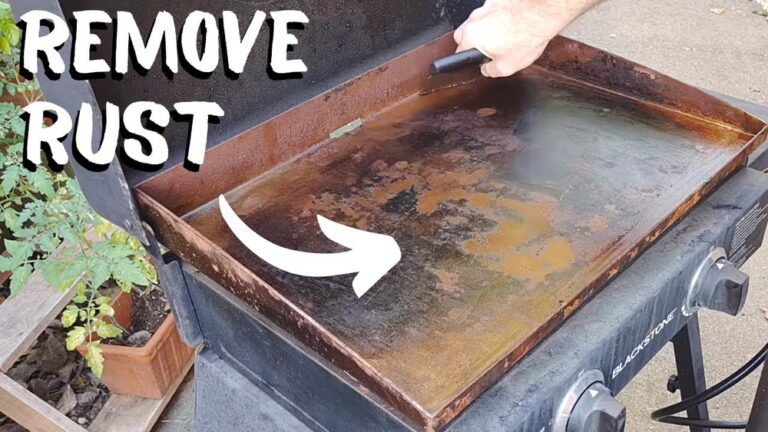
How to Fix a Rusty Blackstone Griddle: Easy Steps to Restore Shine
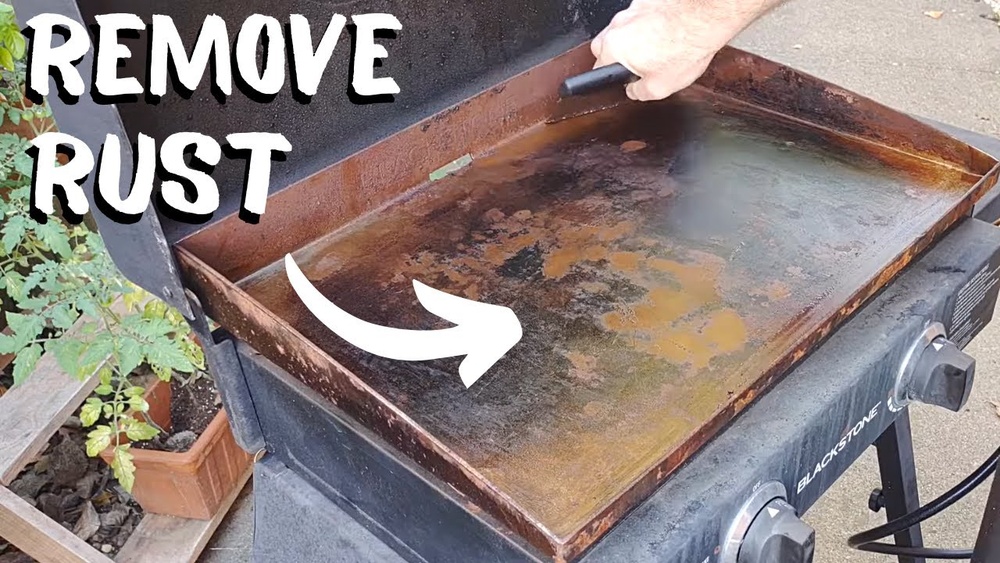
Is your Blackstone griddle looking rusty and worn out? Don’t worry—you can bring it back to life and get it cooking like new again.
Rust on your griddle not only looks bad but can affect its performance and the taste of your food. The good news is, fixing a rusty Blackstone griddle is easier than you think. With just a few simple steps, some common household items, and a little patience, you’ll restore its smooth surface and protect it from future rust.
Keep reading to discover the quick, effective way to clean off that rust and season your griddle so it stays in top shape for every cookout. Your griddle deserves to shine again!
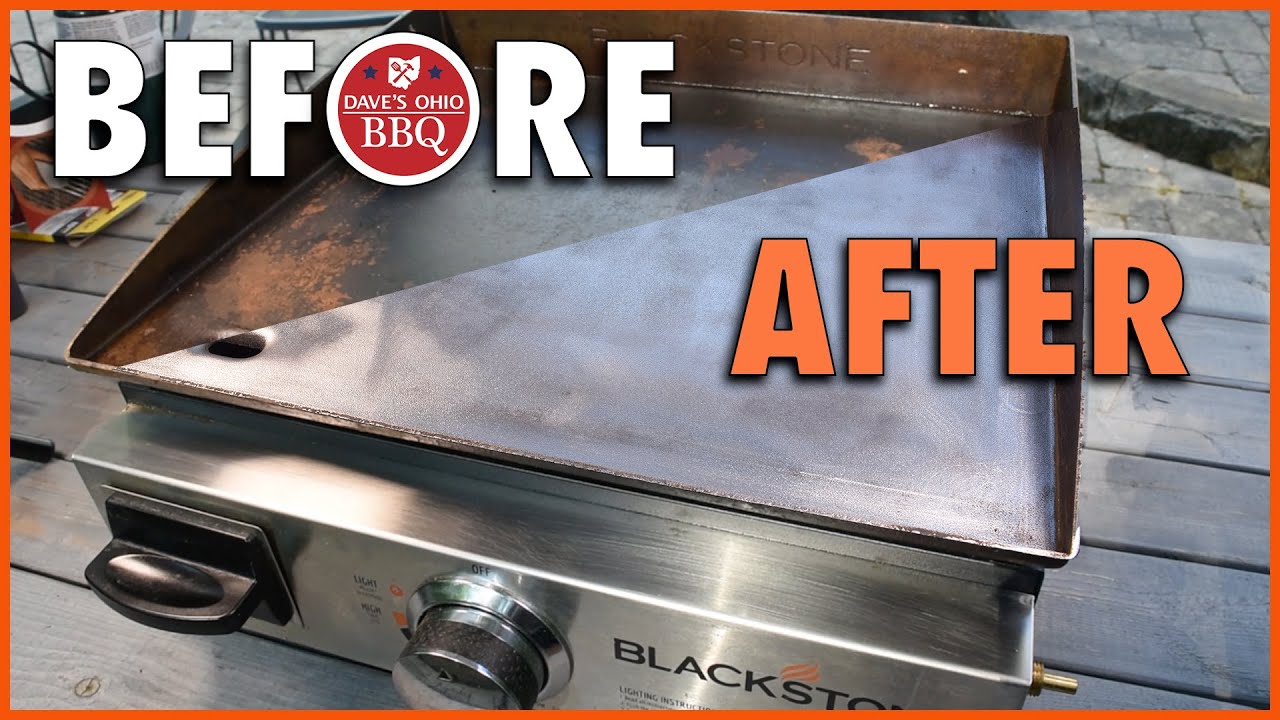
Credit: www.youtube.com
Identifying Rust On Your Griddle
Identifying rust on your Blackstone griddle is the first step to restoring its cooking surface. Rust can damage the metal and affect your food’s taste. Spotting rust early helps prevent long-term harm and keeps your griddle safe to use. Knowing what rust looks like and how it differs from normal discoloration is essential for proper care.
Common Signs Of Rust
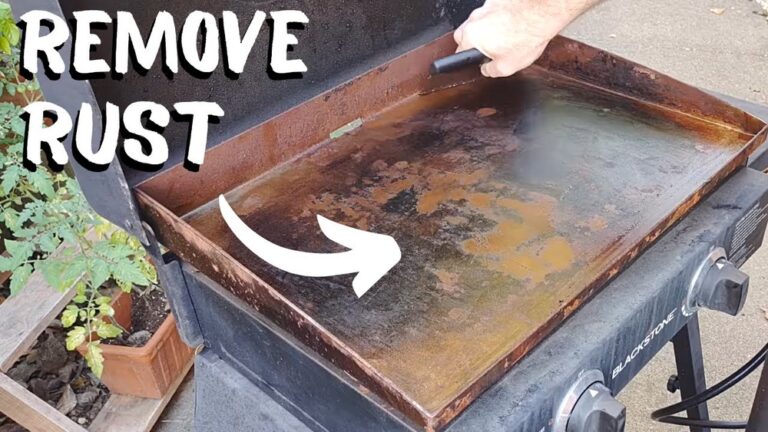
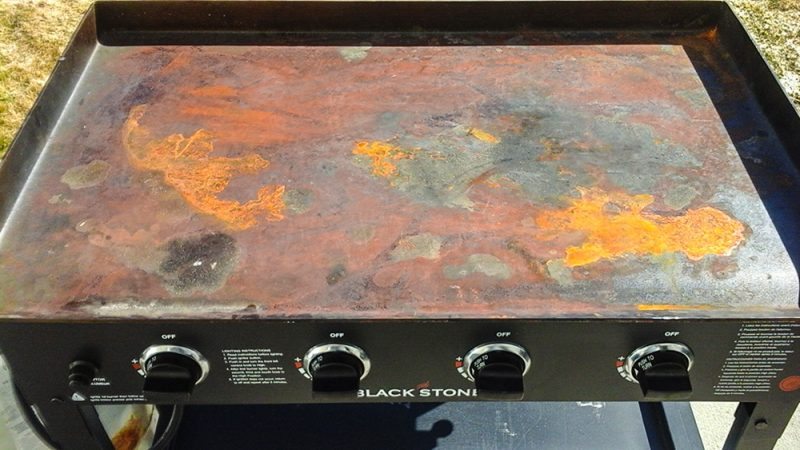
Rust on a griddle appears as reddish-brown patches. It feels rough and flaky to the touch. Rust often forms in spots where water or moisture stayed too long. You might see bubbling or peeling in these areas. Rust weakens the metal and can cause holes if ignored. It is important to act fast once you notice these signs.
Difference Between Rust And Discoloration
Discoloration on a griddle is usually dark or black and smooth. It comes from seasoning, heat, or cooking oils. Discoloration does not flake or feel rough. Rust, on the other hand, has a gritty texture and a rusty color. Discoloration is safe and normal for a well-used griddle. Rust needs to be removed to protect the surface and food safety.
Preparing The Griddle For Rust Removal
Preparing your Blackstone griddle for rust removal sets the stage for a smooth restoration. This step ensures the surface is ready for effective cleaning and treatment. Proper preparation prevents further damage and helps the rust removal process work better.
Start by clearing away dirt, grease, and loose rust. Then gather all tools and materials needed. Organized preparation saves time and effort during the repair.
Cleaning The Surface
First, scrape off any large debris using a metal scraper. Next, wash the griddle with warm, soapy water to remove grease and dirt. Rinse thoroughly with clean water. Dry the surface with paper towels or a clean cloth.
For stubborn rust, apply a paste of baking soda and water. Let it sit for 10 minutes, then scrub gently with a grill stone or fine steel wool. Avoid harsh scrubbing to protect the metal underneath. Rinse again and dry completely before moving on.
Gathering Necessary Tools And Materials
Collect these items before starting rust removal:
- Metal scraper for scraping off debris
- Fine steel wool or grill stone for scrubbing rust
- Baking soda and water for a gentle cleaning paste
- Paper towels or clean cloths for drying
- Cooking oil such as vegetable or flaxseed oil for re-seasoning
- Heat source to dry and re-season the griddle
Having everything on hand helps maintain a steady workflow. It also reduces the risk of mistakes or missing steps.
Removing Rust Safely
Removing rust safely from your Blackstone griddle protects the metal and extends its life. Rust can damage the surface and affect cooking quality. Use gentle methods first to avoid scratching or harming the griddle. Follow clear steps to clean and restore your griddle without risk.
Using Heat And Scraping Techniques
Start by heating the griddle on medium heat for 10-15 minutes. Heat loosens rust and makes scraping easier. Use a metal scraper or spatula to gently remove loose rust flakes. Work carefully to avoid gouging the metal. This method helps prepare the surface for deeper cleaning.
Applying Acidic Solutions And Abrasives
Apply a mild acidic solution like white vinegar to the rusty areas. Vinegar reacts with rust and softens it for easier removal. Let it sit for 5-10 minutes but not too long to avoid damage. Use baking soda mixed with water to create a paste. This paste acts as a gentle abrasive to scrub away rust without scratching the griddle.
Scrubbing Methods For Effective Rust Removal
Use fine steel wool, a grill stone, or a pumice stone to scrub rust spots. Apply firm but gentle pressure in circular motions. Avoid coarse tools that can scratch or damage the surface. Rinse the griddle thoroughly with warm water after scrubbing. Dry completely with a clean cloth and heat the griddle to remove all moisture before seasoning.

Credit: blackstoneproducts.com
Cleaning And Drying After Rust Removal
Cleaning and drying the Blackstone griddle after rust removal is key to protect it from future damage. Removing rust leaves the metal exposed and prone to new rust spots. Proper rinsing and drying help stop moisture from lingering. This step prepares the surface for seasoning and long-term use.
Rinsing Thoroughly
Rinse the griddle well with warm water to wash away all rust particles. Use a sponge or soft cloth to remove any leftover debris. Avoid harsh chemicals that can harm the metal. Make sure no rust or abrasive residue stays on the surface. Clean water ensures a smooth base for oiling.
Ensuring Complete Dryness
Dry the griddle carefully using paper towels or a clean cloth. Wipe every corner to remove all water drops. Heat the griddle on low for 10 to 15 minutes. This step evaporates hidden moisture that causes rust. Wait until the griddle feels fully dry before applying oil. Complete dryness is vital to keep rust away.
Re-seasoning The Griddle
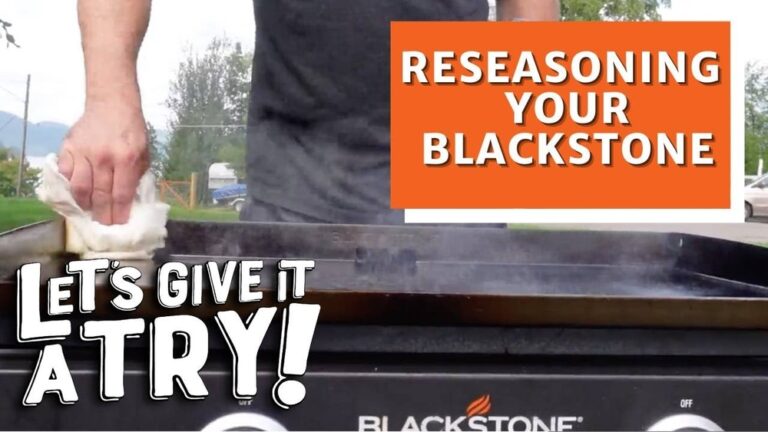
Re-seasoning your Blackstone griddle is essential after rust removal. This process restores its protective layer and prevents further rust. It also creates a smooth, non-stick cooking surface. Proper seasoning improves the griddle’s durability and cooking performance.
The key to good seasoning lies in applying oil correctly and heating it until it bonds with the metal. This forms a hard, dark coating. Below are important steps to follow during re-seasoning.
Choosing The Right Oil
Select an oil with a high smoke point for seasoning. Vegetable oil, canola oil, and flaxseed oil work well. Avoid oils with low smoke points like olive oil. These can create sticky residues instead of a smooth coating. Use a thin, even layer of oil across the griddle surface.
Heating And Polymerizing The Oil
Heat the griddle to a temperature where the oil begins to smoke. This process is called polymerization. It changes the oil into a hard, protective layer on the metal. Keep heating until the smoke stops, then let the griddle cool. Repeat this heating and cooling cycle two to three times for best results.
Building A Protective Seasoning Layer
Apply oil and heat the griddle multiple times. Each cycle adds a new layer to the seasoning. This builds a durable, black patina that resists rust and food sticking. Regularly maintaining this layer keeps your griddle in top shape for years. Wipe excess oil before heating to avoid sticky spots.
Preventing Future Rust
Preventing rust on your Blackstone griddle keeps it ready for cooking and extends its life. Rust forms when moisture stays on the metal surface. Simple habits stop this problem. Focus on drying, oiling, and proper storage. These steps protect the griddle’s seasoning and metal underneath. Follow these easy tips to keep rust away and maintain a smooth cooking surface.
Proper Drying Techniques
Always dry your griddle immediately after washing. Use a clean cloth or paper towels to remove water. Heat the griddle on low for a few minutes. This step evaporates any leftover moisture. Moisture trapped on the surface causes rust fast. Never store the griddle while it is wet or damp. Proper drying is the first defense against rust.
Regular Oiling After Use
Apply a thin layer of cooking oil after every cook or clean. Use vegetable or flaxseed oil for best results. Spread oil evenly with a cloth or paper towel. The oil creates a barrier between metal and moisture. This layer helps maintain the seasoning and prevents rust spots. Regular oiling keeps the surface smooth and ready for use.
Covering And Storing The Griddle
Store the griddle in a dry place away from rain or humidity. Use a fitted cover to shield it from dust and moisture. Avoid plastic covers that trap moisture inside. Choose breathable covers designed for grills or griddles. If storing indoors, keep it in a well-ventilated area. Proper covering and storage reduce rust risk significantly.
Troubleshooting Common Issues
Troubleshooting common issues with your Blackstone griddle saves time and extends its life. Rust and uneven seasoning cause cooking problems and damage the surface. Knowing how to fix these problems keeps your griddle ready for every meal.
Fixing rust and seasoning issues requires simple tools and easy steps. Follow these tips to restore your griddle and enjoy smooth cooking again.
Dealing With Persistent Rust Spots
Rust spots appear when moisture stays on the griddle too long. Scrub rust gently using fine steel wool or a grill stone. Avoid harsh tools that can scratch the surface deeply.
Use vinegar or a baking soda paste to help loosen rust. Apply the solution, wait a few minutes, then scrub again. Rinse well and dry completely with a cloth or paper towel.
After cleaning, apply a thin layer of cooking oil. Heat the griddle until the oil smokes to seal the surface. Repeat this process two or three times for better protection.
Handling Uneven Seasoning
Uneven seasoning causes food to stick or cook poorly. This happens when oil spreads unevenly or seasoning builds up in patches. Remove old seasoning by scrubbing lightly with a grill stone.
Clean the surface thoroughly and dry it well. Apply a thin, even coat of high-smoke point oil like vegetable or flaxseed oil. Heat the griddle until the oil smokes and darkens the surface.
Repeat oiling and heating several times to build a smooth, consistent seasoning layer. This creates a non-stick surface and protects the metal from rust.
Credit: blackstoneproducts.com
Frequently Asked Questions
Can A Rusty Blackstone Be Fixed?
Yes, a rusty Blackstone griddle can be fixed by scrubbing off rust with vinegar or steel wool. Then dry it thoroughly and re-season with oil to restore protection and prevent future rust.
Why Does My Blackstone Griddle Look Like It Has Rust On It?
Your Blackstone griddle looks rusty because cold-rolled steel naturally oxidizes when exposed to moisture. Rust forms without proper seasoning, drying, and oiling.
How To Resurface A Blackstone Griddle?
Scrape off rust using a metal scraper or abrasive pad. Clean with vinegar or baking soda paste. Rinse, dry fully, then apply oil. Heat the griddle until oil smokes to re-season. Repeat oiling and heating to build a protective layer.
Store dry to prevent rust.
Can I Use Vinegar On My Blackstone To Remove Rust?
Yes, you can use vinegar to remove rust from your Blackstone griddle. Scrub the rust with vinegar, rinse, dry thoroughly, then re-season with oil to protect the surface.
Conclusion
Fixing a rusty Blackstone griddle takes patience and simple steps. Clean the rust carefully using gentle scrubbing tools and natural acids. Dry the griddle fully to stop rust from returning. Re-season the surface with oil to protect it well. Regular care keeps your griddle ready for cooking.
Store it in a dry place and oil after each use. Rust won’t last long with proper maintenance. Your griddle will stay smooth and cook food evenly. Enjoy many great meals with a well-kept Blackstone griddle.