How To Dispose Of An Air Fryer: Safe Eco-Friendly Options

Recycle, donate, or take to an e-waste drop-off—never toss an air fryer with regular trash.
I’ve spent years helping people declutter kitchens and dispose of small appliances safely. This guide on how to dispose of an air fryer walks through clear, practical options you can use today. You’ll learn what parts matter, how to prep the unit, local disposal routes, costs to expect, and simple steps to reduce waste and risk. Read on for actionable advice based on real experience and current best practices.
Why proper disposal matters
Air fryers are small. They still contain metals, plastics, and electronics. Tossing one in the trash can lead to toxic leaching and wasted materials. Proper disposal protects your home, community, and the planet.
Understand your air fryer: parts and hazards
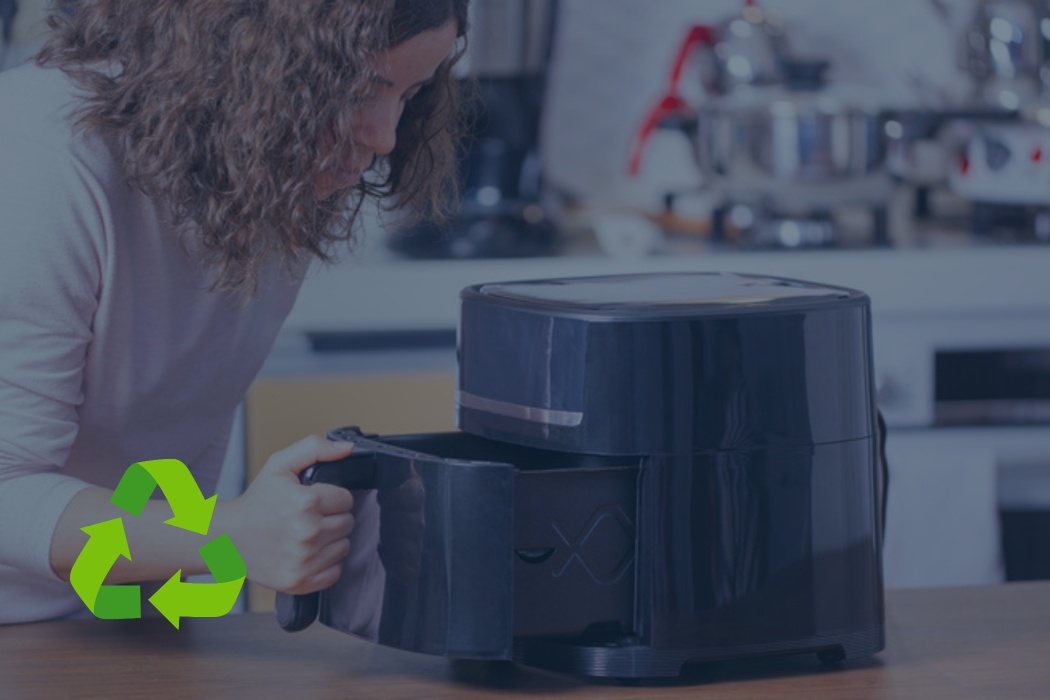
Most air fryers include a heating element, fan, plastics, nonstick baskets, and an electrical cord. The circuit board and wiring count as electronic waste. Nonstick coatings may break down in landfills. Knowing the parts helps you decide whether to recycle, donate, or dispose.
How to dispose of an air fryer: step-by-step options
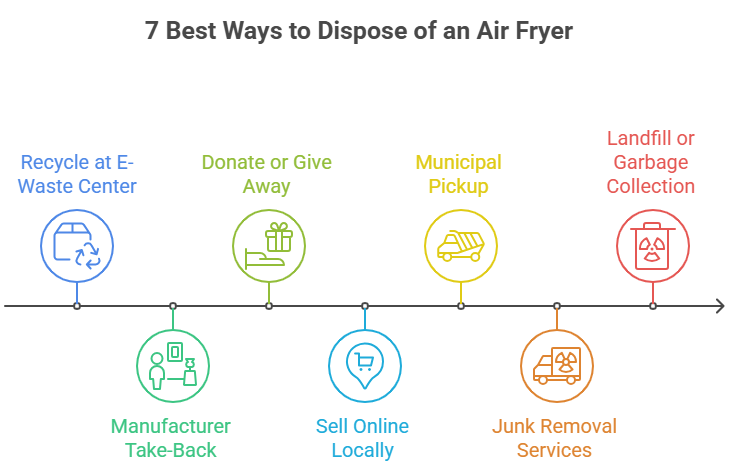
Here are practical routes to dispose of an air fryer. Pick one based on condition and local rules.
- Donate or sell if it works
- Offer working units to thrift stores, shelters, or online marketplaces.
- Many buyers want cheap kitchen gear. This extends the appliance’s life.
- Manufacturer take-back or trade-in
- Some brands run recycling programs or trade-in deals.
- Contact the maker for return labels or drop-off points.
- E-waste recycling centers
- Take broken or nonworking air fryers to an e-waste drop-off.
- These centers strip metals and safely handle electronics.
- Retailer recycling programs
- Big-box stores sometimes accept small appliances.
- Ask customer service if they accept air fryers for recycling.
- Municipal hazardous or bulk collection
- Many cities run special pickup days for electronics and bulky items.
- Check your local waste management site for instructions.
- Last resort: household trash with prep
- If no options exist, remove hazardous components and wrap parts.
- Contact local authorities first to confirm rules before disposal.
Follow these steps when deciding how to dispose of an air fryer. Choosing recycling or donation reduces landfill waste and often costs less.

Preparing the appliance for disposal
Preparing your air fryer speeds processing and keeps handlers safe.
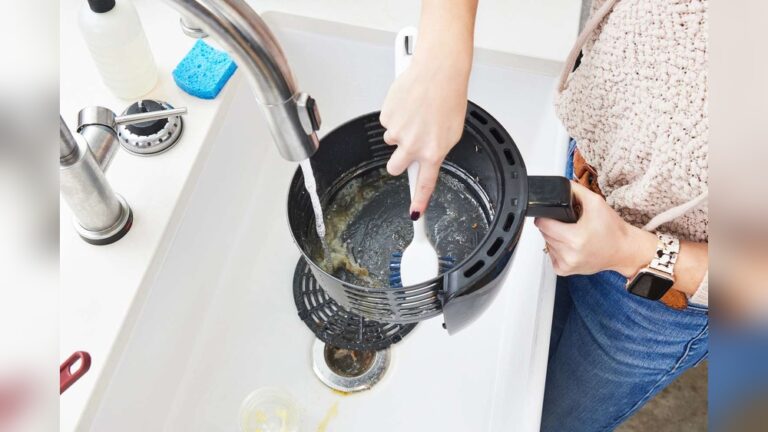
- Clean the basket and pan before donating or recycling to make it usable.
- Remove accessories like trays and silica packets and recycle them separately if possible.
- Unplug and coil the cord neatly. If the cord is removable, detach it and recycle with electronics.
- If the unit is smart or stores settings, reset it to factory defaults to remove personal data.
Spending a few minutes prepping makes a big difference at drop-off sites and increases the chance it will be reused.

Costs, regulations, and finding local services
Disposal rules vary by city and state. Fees may apply for drop-off or special pickup.
- Check your city’s waste or public works website for e-waste rules.
- Search for “electronics recycling near me” or call local recycling centers.
- Expect small fees at private recyclers, but many municipal events are free.
- Keep receipts or confirmation if you need proof of proper disposal for rentals or HOA rules.
Planning ahead prevents surprises and helps you pick the most eco-friendly option.

Environmental impact and what happens after disposal
Recycling recovers metals and plastics. Reuse keeps appliances out of landfills. Throwing an air fryer away can release chemicals into soil and water. The best outcome is reuse. The second-best is professional recycling. Landfill is the least favorable path.
My experience disposing of air fryers: tips and lessons
I once helped a neighbor clear three old air fryers from a condo. One worked and sold within a day. Two were recycled through a local e-waste event. We saved money and avoided a bulk fee. Lessons learned:
- Test and clean before giving away.
- Call recyclers first to confirm they accept small kitchen appliances.
- Keep cords and accessories together so recyclers don’t discard usable parts.
These small steps made disposal cheaper and easier.

Frequently Asked Questions of how to dispose of an air fryer
Can I recycle an air fryer in curbside pickup?
Most curbside programs do not accept air fryers. They are classified as electronic waste, so you should use an e-waste drop-off or retailer program instead.
Is it safe to throw an air fryer in the trash?
Throwing a whole air fryer in the trash is not ideal. Electronics can leach chemicals in landfills, so recycling or take-back is safer for the environment.
How do I prepare my air fryer for recycling?
Clean the unit, remove removable parts, coil the cord, and reset any settings. This helps recyclers process the appliance more easily.
Can I donate a broken air fryer?
Many donation centers only accept working items. If it’s broken, try an e-waste recycler or a repair shop that salvages parts.
Are there fees to recycle an air fryer?
Some recyclers charge a small fee, while municipal events are often free. Call ahead to confirm any costs.
Conclusion
Disposing of an air fryer thoughtfully saves resources and avoids harm. Choose donation if the unit works. Use manufacturer take-back, retailer programs, or e-waste centers for broken units. Prepare the appliance by cleaning and removing parts. Take action today by checking local recycling options or scheduling a drop-off. Share this guide, subscribe for more tips, or leave a comment about your disposal experience.