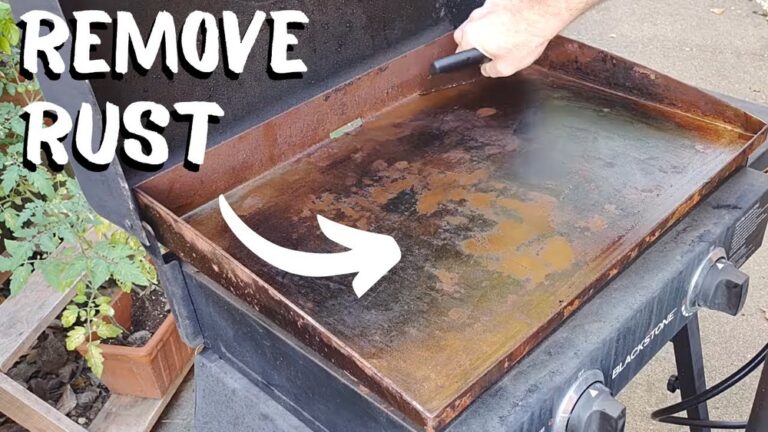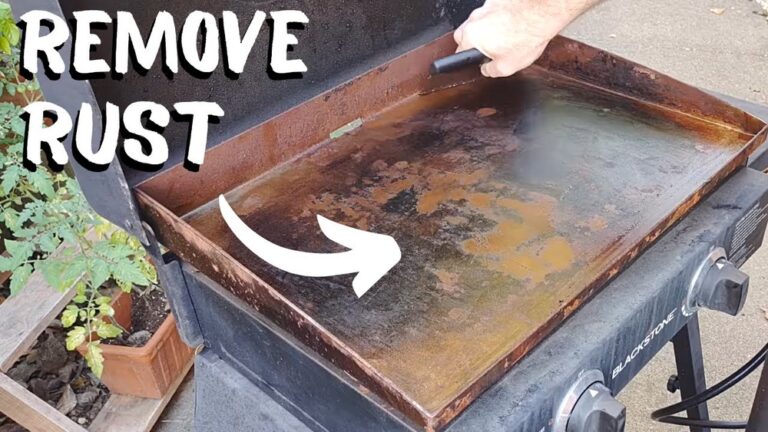
How to Cure a Blackstone Griddle: Ultimate Guide for Perfect Seasoning
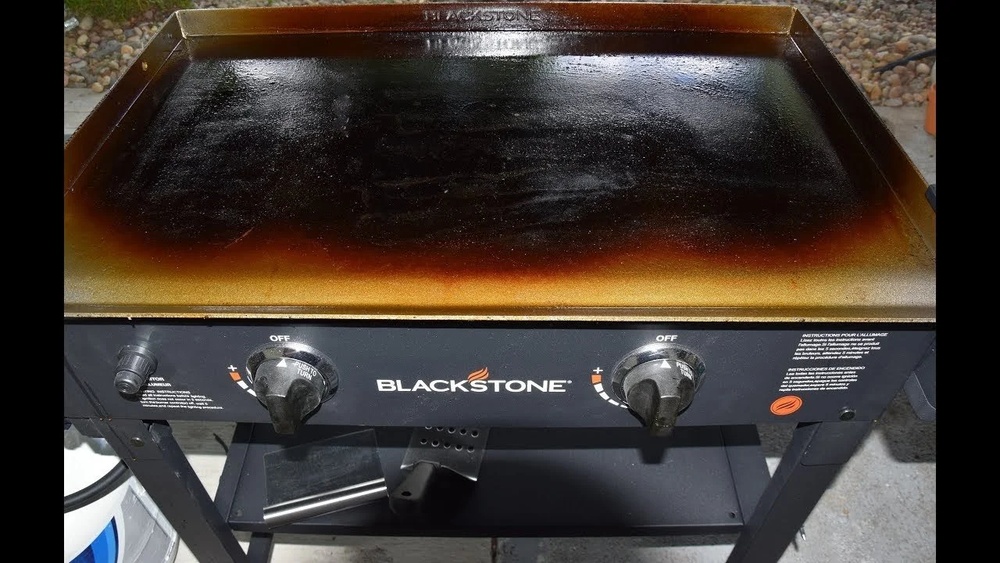
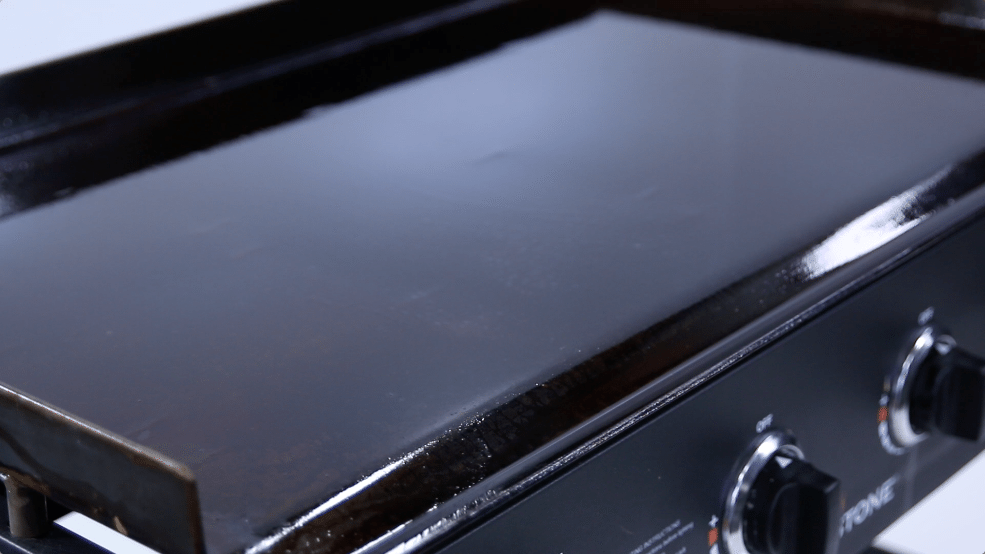
If you’ve just got your Blackstone griddle or want to keep it in top shape, curing it properly is key. This process creates a strong, non-stick surface that makes cooking easier and protects your griddle from rust.
But how exactly do you cure your Blackstone griddle the right way? In this guide, you’ll learn simple, step-by-step instructions to season your griddle like a pro. Follow along, and soon you’ll enjoy perfectly cooked meals with less hassle and more flavor.
Ready to get started? Let’s dive in!
Credit: blackstoneproducts.com
Preparing The Griddle
Preparing your Blackstone griddle correctly is the first step to a great cooking experience. Proper preparation ensures the surface is clean and ready to form a strong non-stick coating. This process removes any dust, oils, or residues left from manufacturing. Follow these simple steps to get your griddle ready.
Initial Cleaning
Start by washing the griddle with warm, soapy water. Use a soft sponge or cloth to avoid scratching the surface. This removes factory oils and dirt that could prevent seasoning. Rinse thoroughly with clean water. Avoid harsh chemicals or steel wool. Clean the griddle only once before seasoning. This step is important for a smooth cooking surface.
Drying The Surface
After cleaning, dry the griddle completely. Use a clean towel to wipe off water. Let it air dry for a few minutes to ensure no moisture remains. A dry surface helps the oil stick better during seasoning. Moisture can cause the oil to splatter or the seasoning to be uneven. Make sure the griddle is fully dry before moving to the next step.
Credit: blackstoneproducts.com
Heating The Griddle
Heating the Blackstone griddle properly is essential for curing. It prepares the surface to absorb oil and form a strong protective layer. This process prevents rust and creates a non-stick cooking surface.
Heating must be done carefully to avoid damage and ensure even seasoning. Follow simple steps to get your griddle ready for use and long-lasting performance.
Preheating Steps
Start by turning all burners to medium heat. Let the griddle warm slowly for 10 to 15 minutes. Avoid high heat at the beginning to prevent warping. Check that the surface feels warm but not smoking.
Next, increase the heat to high for about 5 minutes. This step opens the metal pores to soak up oil better. Use an infrared thermometer if available to check the surface temperature. Make sure heat spreads evenly across the griddle.
Optimal Temperature Range
Maintain a temperature between 350°F and 400°F during curing. This range is hot enough to burn off impurities but gentle enough to protect the steel. Keeping the temperature steady avoids hot spots and uneven seasoning.
A temperature below 350°F may not cure well, while above 400°F risks oil burning too fast. Monitor heat closely and adjust burners as needed. Proper heat creates a smooth, durable cooking surface on your Blackstone griddle.
Applying Oil
Applying oil is a vital step in curing your Blackstone griddle. It helps protect the surface from rust and creates a natural non-stick coating. Using the right oil and applying it properly ensures the seasoning lasts longer and performs better.
Choosing The Right Oil
Select oils with a high smoke point for best results. Canola oil, vegetable oil, and avocado oil work well. These oils create a durable, even layer when heated. Avoid oils with low smoke points, as they can burn and leave sticky residue.
Spreading Thin Layers
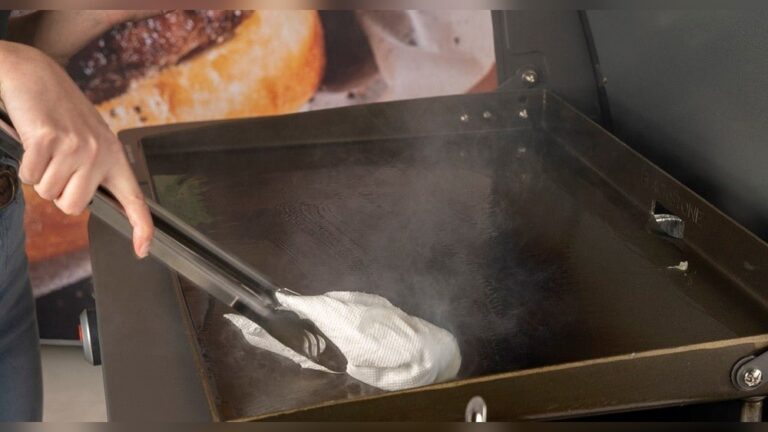
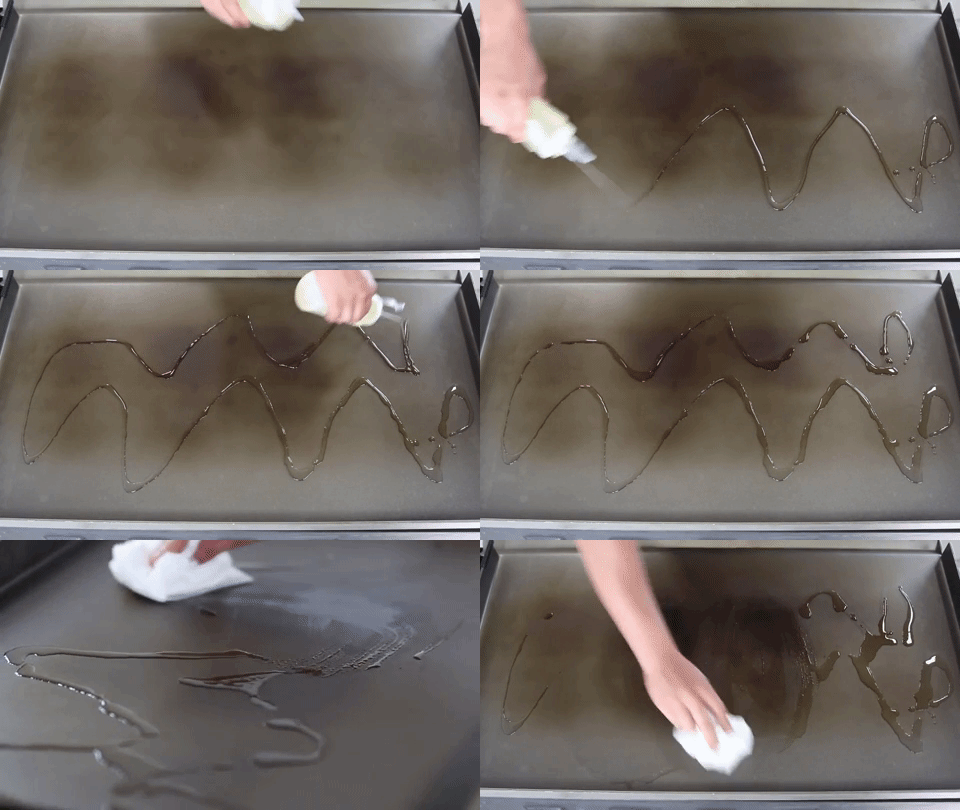
Apply oil in thin, even layers across the griddle surface. Use a paper towel or cloth to spread it gently. Thin layers absorb better and prevent sticky buildup. Multiple thin coats build a stronger seasoning than one thick coat.
Avoiding Excess Oil
Too much oil can cause flaking and uneven seasoning. Wipe away any pools or drips before heating. Excess oil creates sticky patches that attract dirt. Keep the surface slick but not oily for the best cure.
Burning Off The Oil
Burning off the oil is a crucial step in curing your Blackstone griddle. This process removes excess oil and helps form a durable, non-stick surface. Proper burn off ensures your griddle is ready for cooking and will last longer. It also prevents sticky residue and uneven seasoning layers.
Heating Duration
Start by heating the griddle on medium-high heat. Keep it hot for about 30 to 45 minutes. The surface should be evenly heated across the entire cooking area. Avoid heating too fast or too slow, as it can affect the oil’s bonding to the metal. Maintain steady heat to allow the oil to polymerize properly.
Signs Of Proper Burn Off
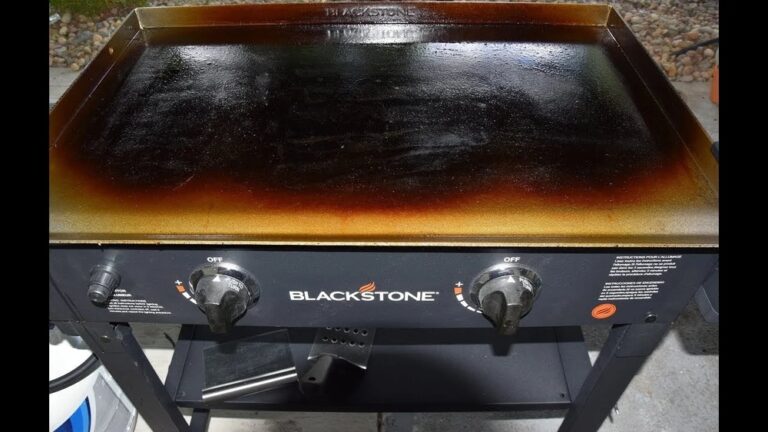
Look for the oil to change color from shiny to a dull, dark finish. The surface will stop smoking heavily and appear smooth. Small areas of light smoke may still appear but should reduce over time. The griddle should feel dry and not sticky to the touch. These signs mean the oil has bonded well and the seasoning is set.
Repeating Seasoning Cycles
Repeating seasoning cycles build a strong, durable surface on your Blackstone griddle. Each cycle adds a thin layer of polymerized oil. This layer protects the metal from rust and creates a natural non-stick finish. Patience matters. Rushing the process can cause uneven coating or flaking. Understanding how many coats to apply and the time to wait between them improves your griddle’s performance.
Number Of Coats Needed
Apply at least three to five thin coats of oil. Each coat strengthens the seasoning layer. Too few coats leave the surface vulnerable to damage. Too many can cause a sticky or uneven finish. Focus on thin, even layers. This balance ensures a smooth, durable surface for cooking.
Timing Between Coats
Allow each coat to fully heat and cool before adding the next. Heating helps the oil bond to the metal. Cooling solidifies the layer. A good rule is 20 to 30 minutes per cycle. Avoid rushing this step. Proper timing prevents peeling and flaking. Your griddle will develop a deep, black patina that lasts.
Cooking Onions For Seasoning
Cooking onions on your Blackstone griddle is a simple yet effective way to build a strong seasoning layer. The natural sugars and moisture from the onions help create a smooth, non-stick surface. This step adds flavor and protects the griddle from rust.
Benefits Of Onions
Onions release natural oils and sugars as they cook. These help fill in small pores on the griddle’s surface. The result is a better, longer-lasting seasoning. Onions also remove any lingering factory residue. They prepare the griddle for future cooking by creating a protective layer.
How To Cook Them Properly
Start by heating the griddle on low heat. Spread diced onions evenly across the surface. Cook slowly to let the onions release juices. Stir occasionally to prevent burning. Cook until onions turn golden and soft. This process helps infuse oils into the metal. After cooking, wipe the griddle clean and apply a thin layer of oil. This seals the seasoning and keeps the surface smooth.
Final Oil Application
The final oil application is a crucial step in curing your Blackstone griddle. It creates a protective barrier that prevents rust and maintains the seasoning. This layer keeps the surface smooth and ready for cooking. Without this step, your griddle might lose its seasoning faster and become prone to damage.
Applying A Protective Layer
After the griddle cools down slightly, apply a very thin coat of oil. Use a paper towel or cloth to spread it evenly across the surface. Choose oils with high smoke points, like canola, vegetable, or Blackstone’s own conditioner. Avoid thick layers. The goal is to protect, not to create a sticky mess. This thin oil layer seals the metal and helps build a strong, non-stick surface over time.
Storage Tips
Store your Blackstone griddle in a dry place to avoid moisture buildup. Cover it with a weather-resistant cover if kept outside. Moisture can cause rust, even with oil applied. Clean the griddle after each use and reapply a thin oil coat before storing. Proper storage extends the life of your seasoning and keeps your griddle ready for the next cookout.
Maintenance After Use
Proper maintenance after using your Blackstone griddle keeps it in great shape. Regular care extends its life and improves cooking performance. Follow simple steps every time you finish cooking to protect the seasoning and prevent rust. Clean the surface thoroughly and apply oil to maintain the non-stick layer. Consistency is key for a smooth and durable griddle.
Cleaning Techniques
Start cleaning while the griddle is still warm but not hot. Use a scraper to remove food bits and grease. Wipe the surface with a damp cloth or paper towel. For tougher spots, add a little water and scrape again. Avoid soap, which can damage the seasoning. Dry the griddle fully to stop rust from forming.
Regular Oil Application
After cleaning, apply a thin layer of oil across the griddle. Use oils with high smoke points like canola or vegetable oil. Spread the oil evenly with a paper towel or cloth. This protects the surface and keeps it non-stick. Repeat oiling regularly, especially after each use. Proper oiling is essential for a long-lasting cooking surface.
Common Mistakes To Avoid
Knowing the common mistakes to avoid helps keep your Blackstone griddle in top shape. Proper curing ensures a smooth, non-stick surface that lasts. Avoid these errors to get the best cooking results and extend your griddle’s life.
Using Too Much Oil
Applying too much oil creates a sticky, uneven surface. Excess oil can pool and cause flaking after heating. Always use thin, even layers of oil. This helps build a strong, smooth seasoning layer. Less oil means fewer problems during the curing process.
Skipping Cleaning Steps
Not cleaning the griddle before curing leads to poor seasoning. Dirt, dust, or factory oils stop the oil from bonding. Wash the surface with warm, soapy water once before curing. Dry it completely to avoid rust. Skipping this step reduces the quality of your seasoning layer.
Recommended Oils For Seasoning
Choosing the right oil is vital for seasoning your Blackstone griddle. The best oils create a strong, non-stick surface. They also resist high heat without smoking too much. Using recommended oils helps your griddle last longer and cook better.
Avocado Oil
Avocado oil has a high smoke point of about 520°F. This means it can handle the griddle’s heat well. It forms a durable, smooth seasoning layer. The oil is natural and safe for cooking. It also has a mild flavor that won’t affect your food.
Canola Oil
Canola oil is affordable and easy to find. It has a smoke point around 400°F, good for griddle seasoning. Canola oil creates a solid, even coating on the surface. It dries quickly and helps prevent rust. This oil works well for first-time seasoning.
Grapeseed Oil
Grapeseed oil offers a smoke point near 420°F. It polymerizes easily, making it perfect for seasoning. The oil leaves a hard, shiny finish on your griddle. It is light and clean in taste. Grapeseed oil is great for regular griddle care.
Blackstone Conditioner
Blackstone conditioner is designed specifically for their griddles. It combines oils and waxes for strong protection. This product helps build a smooth, non-stick surface fast. Using it keeps your griddle safe from rust and wear. It is very easy to apply after cooking.

Credit: www.thegrillcoach.com
Frequently Asked Questions
How To Cure A Blackstone Griddle For The First Time?
Clean the griddle with warm, soapy water and dry it. Preheat the surface, apply a thin oil layer, and heat until smoking. Repeat oiling and heating 2-3 times. Cook onions on low heat to build a non-stick layer. Finish by applying a thin oil coat to protect the surface.
How Long Does It Take To Cure A Blackstone Grill?
Curing a Blackstone grill takes about one hour. Clean it, apply thin oil layers, and heat the surface evenly. Repeat oiling and heating to build a durable, non-stick coating. This process ensures long-lasting performance and easy food release.
What To Use To Cure A Blackstone?
Use canola, vegetable, avocado oil, or Blackstone conditioner to cure your Blackstone griddle. Apply thin, even coats.
What Is The Best Oil To Use On The Blackstone Griddle?
The best oil for a Blackstone griddle is one with a high smoke point, like canola, vegetable, or avocado oil. Blackstone conditioner also works well. Apply thin, even coats for proper seasoning and long-lasting non-stick surface. Avoid oils that burn easily or leave sticky residue.
Conclusion
Curing a Blackstone griddle keeps it rust-free and ready to cook. Clean it well before starting the seasoning process. Apply thin oil layers for the best non-stick surface. Heat the griddle to burn in the oil properly. Cooking onions adds flavor and helps build a strong coating.
Repeat these steps for a durable, easy-to-clean surface. Regular maintenance extends your griddle’s life and improves cooking results. Follow these simple steps, and your Blackstone will serve you well for years. Enjoy cooking on a smooth, well-cured griddle every time.