How To Clean Weber Griddle: Fast Steps For Like-New Shine

Scrape while warm, steam with water, wipe dry, then oil to season.
If you want a smooth, stick-free cook every time, you need to master how to clean weber Griddle. I’ve cleaned dozens of flat tops over the years, from backyard setups to pop-up kitchens. In this guide, I’ll show you a fast, safe, and proven method for how to clean weber Griddle, keep it seasoned, and make it last.
What You’ll Need
A few simple tools make the job easy and safe. Keep these in a small caddy next to your grill.
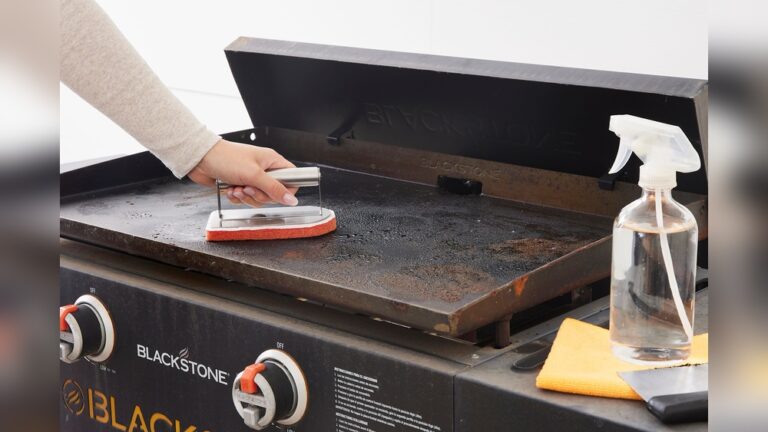
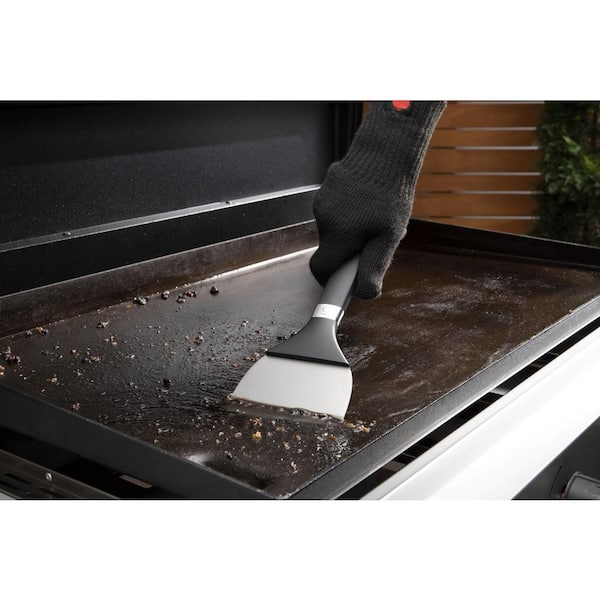
- Griddle scraper with a straight edge for moving debris while the surface is warm
- Squeeze bottle with clean water for steam deglazing
- Heat-resistant gloves to protect your hands
- Paper towels or microfiber shop towels for wiping and oiling
- Non-scratch pad or griddle stone for stubborn spots
- High smoke point oil like canola, grapeseed, or avocado for seasoning
- Mild dish soap for occasional deep cleans only
- Tongs to hold towels while wiping a hot surface
Tip from experience: dedicate towels to your griddle. It keeps lint and flavors off the surface. This setup supports how to clean weber Griddle quickly after every cook.

Before You Start: Know Your Weber Griddle Surface
Weber griddles come in different materials. The type affects how you clean and season.
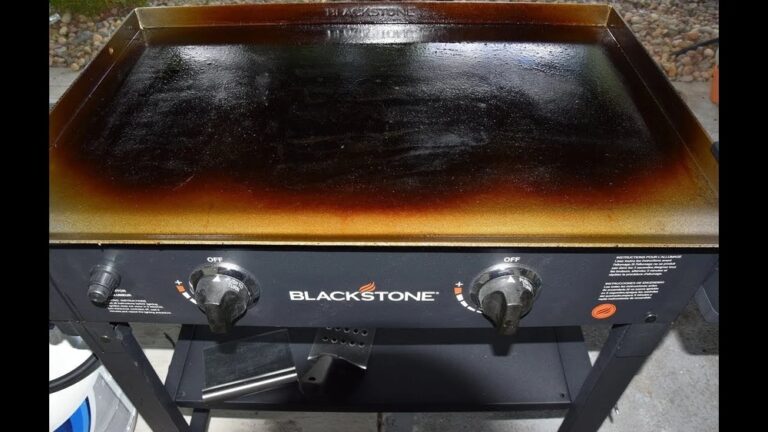
- Carbon steel flat top. Heats fast and seasons like cast iron. Avoid soaking. No harsh chemicals. Water and heat work best.
- Porcelain-enameled cast iron insert. More resistant to rust. Use a softer touch. Avoid metal scouring that can chip the enamel.
- Stainless steel plates or inserts. Less common for griddles. Can handle gentle soap, but still dry fast and oil lightly.
Not sure which you have? Check your model manual or Weber’s site. Knowing the surface helps you choose the best steps in how to clean weber Griddle.
Daily After-Cook Cleaning: Step-by-Step
This is the routine I use after each session. It takes 5 to 8 minutes. It locks in flavor and prevents rust.
- Warm the griddle. After cooking, leave burners on low for 2 to 3 minutes. This loosens stuck bits.
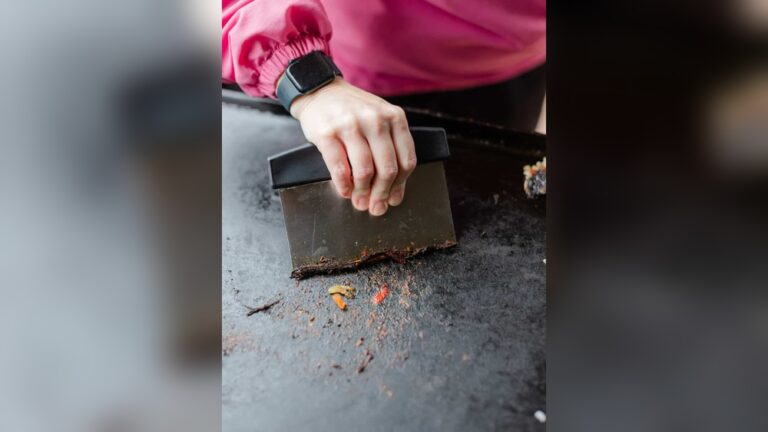
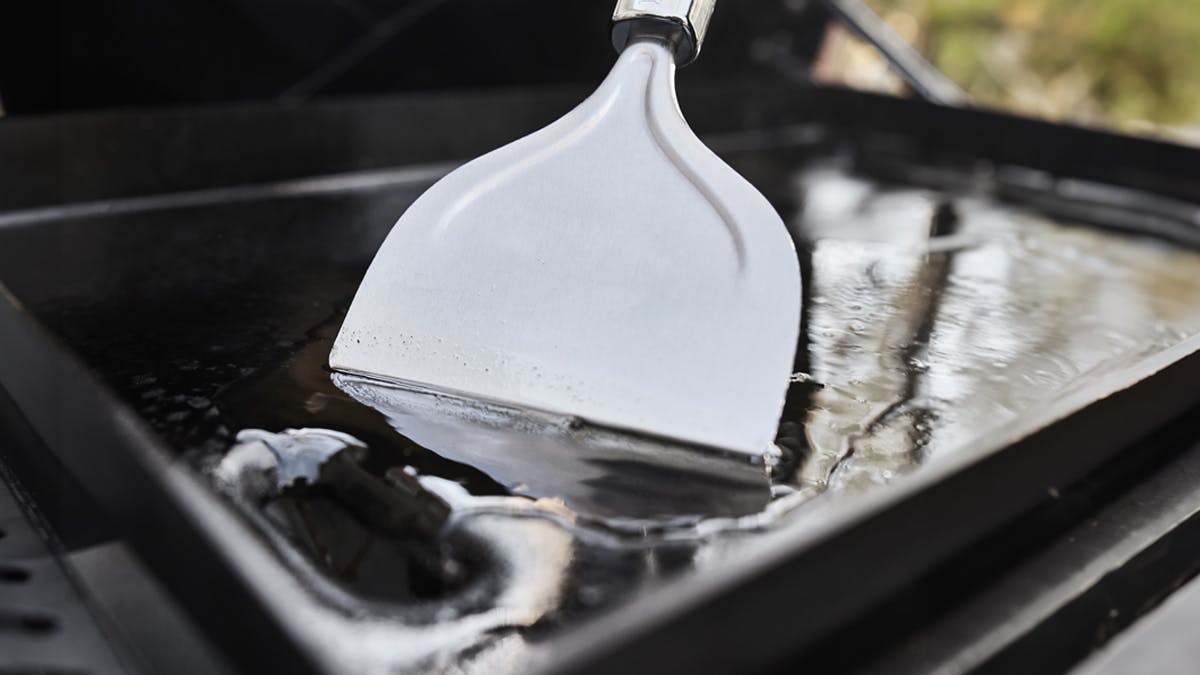
- Scrape. Use the scraper to push food debris to the grease slot or trash. Keep the blade flat.
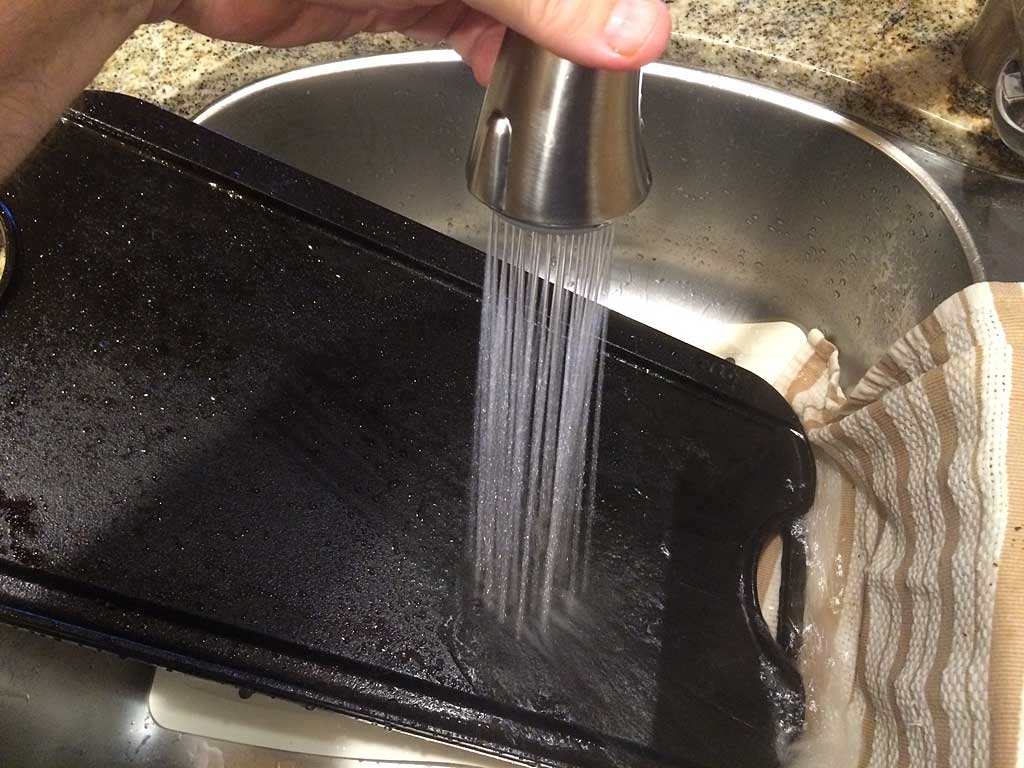
- Deglaze with water. Squirt a little water on the warm surface. It will steam. The steam lifts stuck spots.
- Wipe clean. Use tongs to hold folded paper towels. Wipe until the towel comes up clean.
- Dry fully. No shine from water should remain. Moisture causes rust.
- Oil and season. Add 1 teaspoon of high smoke point oil. Wipe to a thin, even sheen. It should look dry, not glossy.
- Cool and cover. Turn off heat. Let it cool. Cover the griddle to block dust and moisture.
This is the core of how to clean weber Griddle. Do it after every cook for a slick, nonstick surface.

Weekly or Deep Cleaning Method
When the surface feels sticky, dark gunk builds up, or food starts to cling, do a deeper clean. I do this every few heavy cooks.
- Heat on medium. Warm the plate for 3 to 5 minutes.
- Steam scrub. Add water. Use the scraper and a non-scratch pad. Work in sections.
- For tough buildup. Use a griddle stone with light pressure and water. Keep it flat and gentle.
- Optional mild soap. If the surface is greasy or smells off, use a tiny amount of mild dish soap with warm water on a cooled griddle. Rinse with clean water.
- Dry and re-season. Heat the griddle to drive off water. Then apply thin oil. Let it smoke off and darken. Wipe to a dry sheen.
Avoid pouring cold water on a blazing hot plate. Thermal shock can warp some plates. This deep clean is a smart part of how to clean weber Griddle for the long term.
How to Re-Season Your Weber Griddle for a Nonstick Finish
A great season is like a good pan’s memory. It gets better with use. Here is a reliable process that has never failed me.
- Preheat to medium-high until the surface just starts to smoke.
- Add 1 teaspoon of oil. Spread it with a towel until the surface looks almost dry.
- Let it smoke. The surface will smoke and darken.
- Repeat 2 to 4 times. Thin layers beat heavy coats every time.
- Finish with a light sheen. Turn off heat. Let it cool. Wipe one last time with a nearly dry, oiled towel.
Do this after a deep clean or any time food starts to stick. It is a key step in how to clean weber Griddle and keep it nonstick.

Fixing Common Issues: Rust, Sticky Spots, Flaking, Odors
Problems happen. The fix is simple if you catch them early.
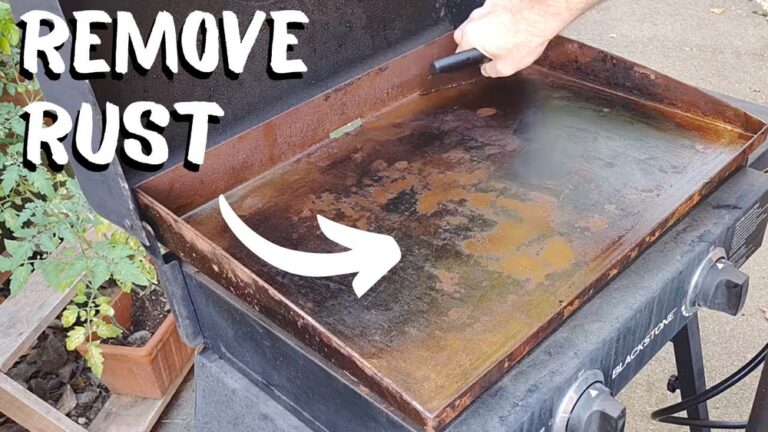
- Light rust. Heat the griddle. Scrub with a non-scratch pad and water. Dry and re-season with thin oil coats.
- Sticky or gummy surface. You used too much oil. Heat to medium-high. Wipe with clean towels until residue lifts. Re-season with very thin coats.
- Flaking season. Remove loose flakes with a pad or griddle stone and water. Rinse, dry, and re-season.
- Off odors. Do a deep clean with warm water. If needed, a tiny amount of mild soap on a cool plate. Rinse, dry, and season.
These quick fixes are part of how to clean weber Griddle like a pro.
:max_bytes(150000):strip_icc()/sea-gas-grills-2-test-weber-genesis-e-335-propane-gas-black-nsimpson-1216-9032d2243a084c9fa1431bc6c7f1ff55.jpeg)
Cleaning Tips for Different Weber Models
Different models like Genesis, Spirit, and Weber Crafted plates may need small tweaks.
- Weber Crafted carbon steel flat top. Use the daily method. Avoid harsh chemicals. Always finish with thin oil.
- Porcelain-enameled cast iron inserts. Use a softer pad. Skip the griddle stone unless buildup is heavy. Never use metal wool or sharp edges.
- Portable griddles. Wind and dust can be an issue. Clean and oil before travel. Cover as soon as it cools.
- Older or well-loved plates. Expect to re-season more often for the first few weeks. Thin coats win.
Check your manual for model-specific notes. But the core of how to clean weber Griddle stays the same across versions.
Safety, Warranty, and What Not to Do
A few no-gos will save your seasoning and your warranty.
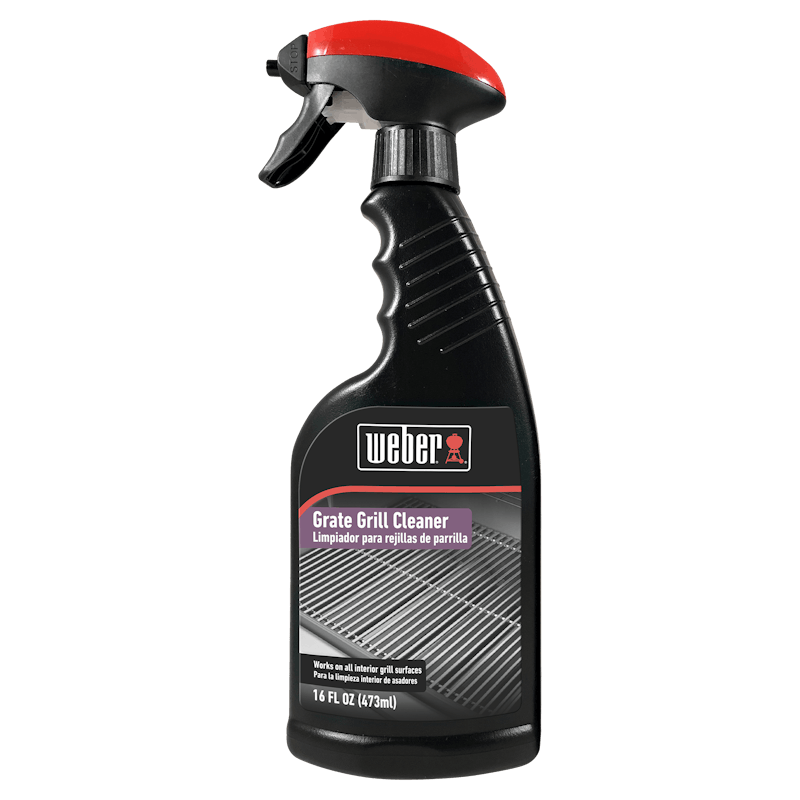
- Do not use oven cleaner, degreasers, or harsh chemicals.
- Do not soak carbon steel or cast iron. Dry fast and season right away.
- Do not attack porcelain enamel with metal wool or sharp scrapers.
- Do not pour cold water on a very hot griddle.
- Do not leave water or food acids sitting on the surface.
Following the manual and these rules keeps the plate safe. This supports a reliable plan for how to clean weber Griddle without damage.
Maintenance Schedule and Quick Checklist
Stick to a simple schedule. It builds great results.
- After every cook. Scrape, steam with water, wipe dry, and oil.
- Weekly or as needed. Deep clean sticky spots and re-season.
- Monthly. Full inspection. Check for rust, chips, or buildup. Re-season 2 to 4 thin coats if needed.
- Storage. Keep it covered and dry. Oil lightly if you store it for more than a week.
Print this checklist and keep it near your grill. It is the easiest way to remember how to clean weber Griddle every time.
Frequently Asked Questions of how to clean weber Griddle
Can I use soap on my Weber griddle?
Yes, but only for deep cleans and only a small amount. Rinse well, dry fully, and re-season right away.
What oil is best for seasoning a Weber griddle?
Choose a high smoke point oil like canola, grapeseed, or avocado. Apply very thin coats and heat until it smokes.
How often should I season my Weber griddle?
Do a light oil coat after every cook. Do 2 to 4 seasoning cycles after a deep clean or when food starts to stick.
Will water ruin my Weber griddle?
Water is fine for steam cleaning while warm, but never soak it. Always dry and oil right after cleaning to prevent rust.
How do I remove rust from a Weber griddle?
Warm the surface, scrub rust with a non-scratch pad and water, then dry and re-season. Light rust is easy to fix if you act fast.
Can I use vinegar or lemon to clean the griddle?
Avoid acids on seasoned carbon steel or cast iron. They can strip the seasoning and cause rust.
What temperature should I clean at?
Warm is best, not blazing hot. Gentle heat helps loosen debris and makes how to clean weber Griddle faster.
Conclusion
A clean, seasoned Weber griddle cooks better, lasts longer, and makes every meal easier. Use the daily warm-scrape-steam-wipe-oil routine, deep clean when needed, and season with thin coats. With this plan for how to clean weber Griddle, you will get a slick surface and bold flavor, day after day.
Fire it up this week and try the steps right after your next cook. If you found this guide useful, subscribe for more tips, ask a question, or share your favorite griddle recipe in the comments.