How to Clean And Season a Blackstone Griddle: Ultimate Guide
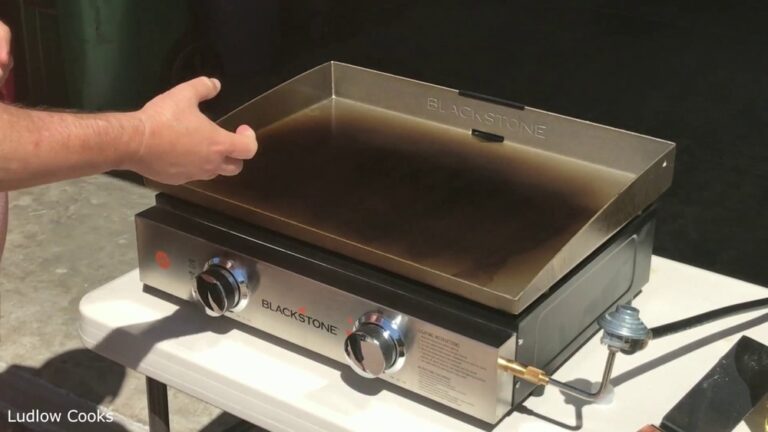
You’ve invested in a Blackstone griddle because you love cooking outdoors and creating delicious meals for your friends and family. To keep your griddle performing at its best, knowing how to clean and season it properly is key.
If you skip this step, your griddle can develop rust, sticky residue, or uneven cooking surfaces that ruin your food and your experience. But don’t worry—this guide will walk you through simple, effective steps to clean off any buildup and season your Blackstone griddle so it stays non-stick, rust-free, and ready for your next cookout.
By the end, you’ll have a griddle that looks and cooks like new every time you fire it up. Ready to master the care of your Blackstone griddle? Let’s dive in!
Preparing The Griddle
Preparing your Blackstone griddle properly sets the stage for a great cooking experience. This step helps keep the surface clean and ready for seasoning. A clean griddle cooks food evenly and lasts longer.
Start by gathering the right tools and supplies. Then, follow simple cleaning steps to remove leftover food and rust. Proper preparation makes seasoning easier and more effective.
Gathering Tools And Supplies
Collect these items before you begin:
- Metal scraper or spatula
- Warm water and mild soap
- Clean cloths or paper towels
- White vinegar
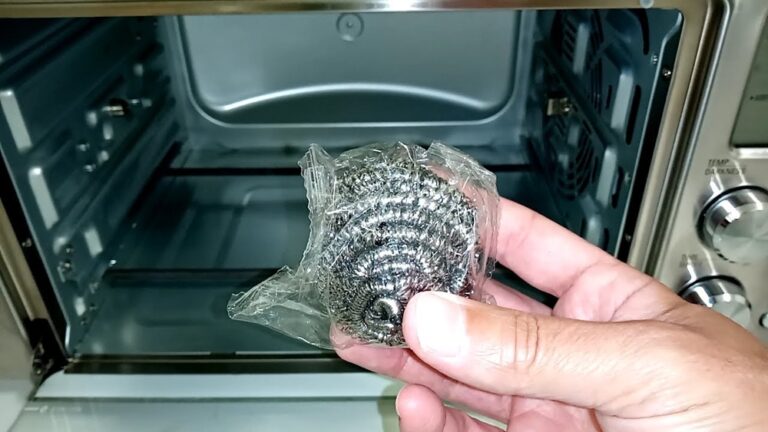
- Steel wool or non-abrasive scrubber
- High smoke point oil (like canola or flaxseed oil)
Having these tools handy speeds up the cleaning process. Choose a safe, well-ventilated area to work in.
Initial Cleaning Steps
First, wash the griddle with warm water and mild soap. Use a cloth to remove grease and food bits. Rinse well and dry the surface thoroughly.
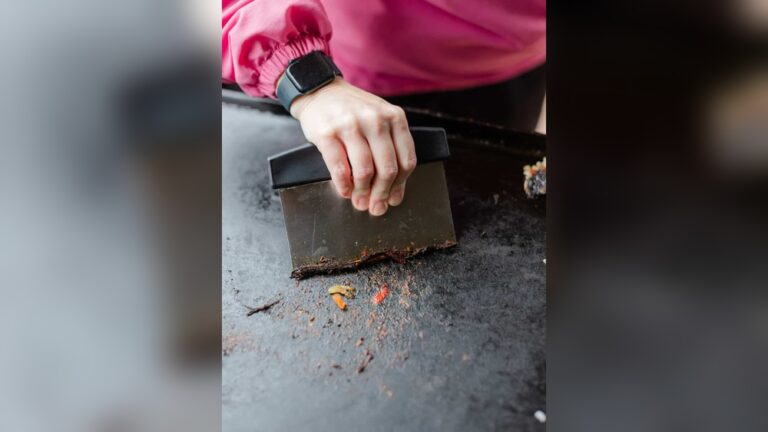
Next, use the metal scraper to remove stuck-on residue. Scrape gently but firmly, especially in corners and edges.
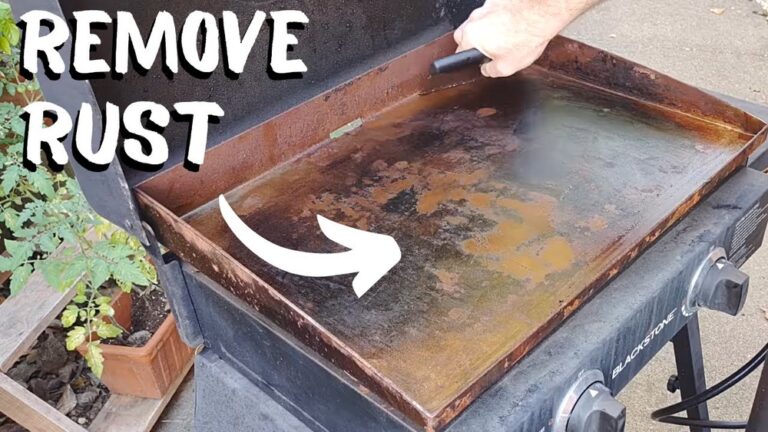
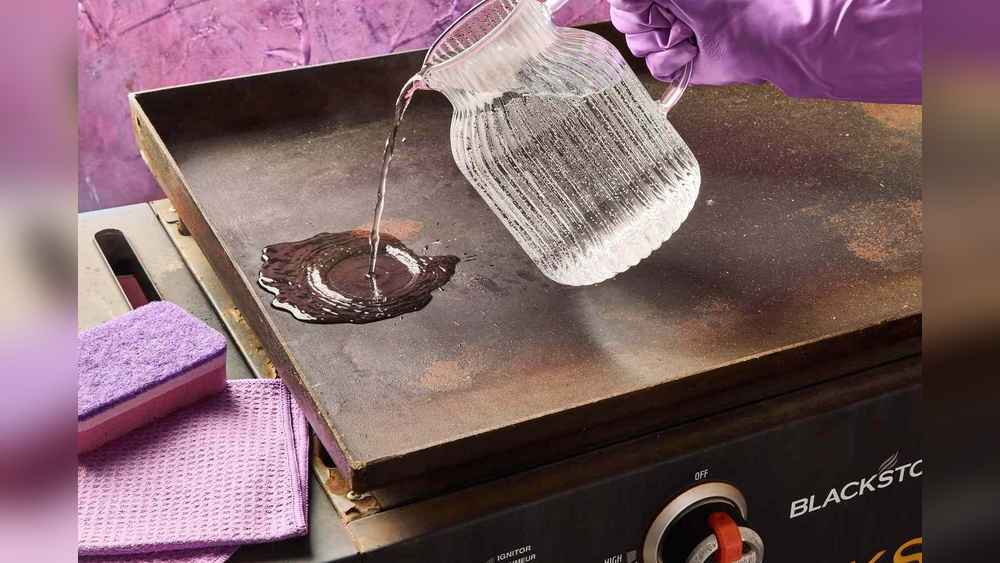
For rust spots, pour white vinegar over the area. Let it soak for about an hour to break down the rust. Then scrub with steel wool until the rust disappears.
Rinse the griddle again to remove vinegar and rust particles. Dry completely by heating the griddle on medium heat for 10 minutes.
Credit: www.scala-santa.com
Removing Rust And Residue
Removing rust and residue from your Blackstone griddle keeps it in top cooking shape. Rust can form if moisture stays on the surface too long. Residue from food and oil builds up with use. Cleaning these off protects the metal and improves cooking performance.
Use simple tools and natural cleaners for the best results. Follow clear steps to remove rust safely. This process restores your griddle’s smooth surface. It also helps maintain a non-stick cooking area.
Scraping Loose Debris
Start by scraping off any loose rust or food particles. Use a metal scraper or spatula designed for griddles. Work gently to avoid scratching the surface deeply. Focus on corners and edges where debris hides. Removing loose bits makes the next cleaning steps easier.
Using Vinegar And Steel Wool
Pour white vinegar over rusted sections of the griddle. Let it sit for about an hour. Vinegar naturally breaks down rust without harsh chemicals. After soaking, scrub the surface with fine steel wool. This helps lift rust and residue off the metal. Rub gently to avoid damaging the griddle.
Rinsing And Drying Thoroughly
Rinse the griddle well with warm water to remove all rust and vinegar residue. Make sure no cleaner remains on the surface. Dry the griddle completely with a clean cloth. Then, heat it on low for a few minutes. This step ensures the griddle is fully dry and ready for seasoning.
Seasoning Basics
Seasoning a Blackstone griddle creates a natural non-stick surface. It protects the griddle from rust. It also improves cooking performance. The process builds up layers of polymerized oil. These layers make cleaning easier and food taste better. Proper seasoning means your griddle lasts longer.
Choosing The Right Oil
Select an oil with a high smoke point. Oils like flaxseed, canola, or grapeseed work well. Avoid olive oil because it burns easily. The right oil forms a strong, durable coating. This coating resists sticking and rust. Use fresh oil for best results.
Applying The Oil Layer
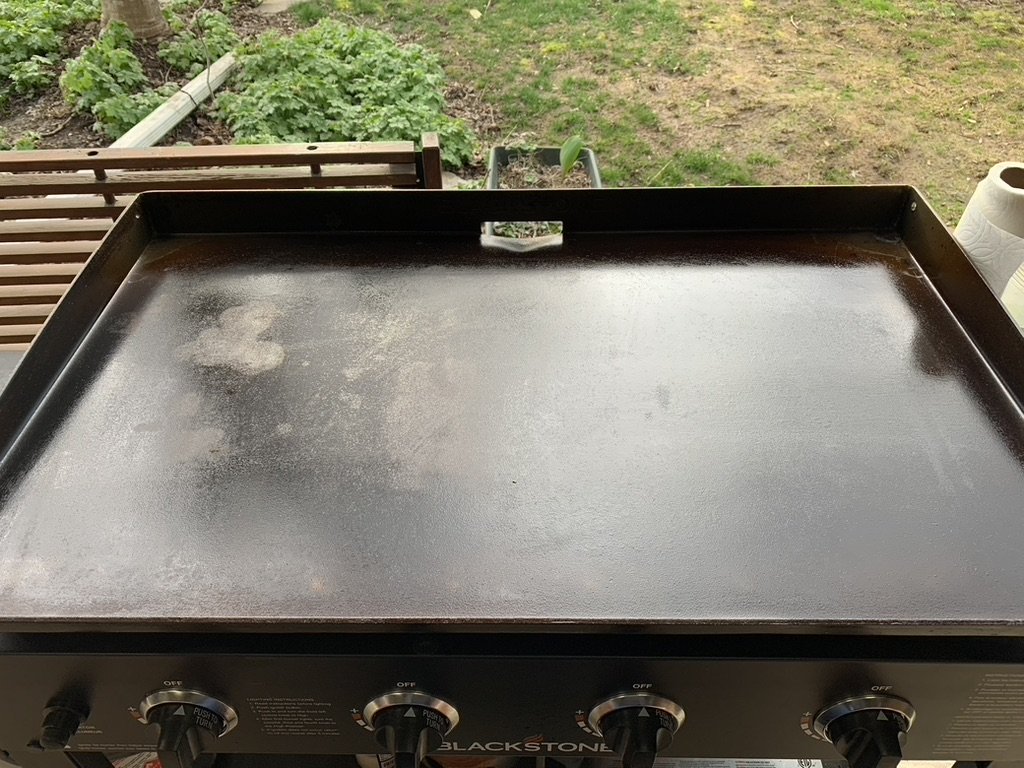
Heat the griddle to a warm temperature. Use a paper towel or cloth to spread oil. Apply a thin, even layer across the entire surface. Too much oil creates sticky spots. Allow the oil to cook until it smokes slightly. Repeat the process two to three times. Each layer adds to the seasoning strength.

Credit: www.youtube.com
Heating And Layering
Heating and layering are essential steps to keep your Blackstone griddle in great shape. Proper heating helps open the metal’s pores, allowing oil to bond well. Layering oil builds a strong, non-stick surface that lasts longer. Take your time to heat and oil the griddle carefully. This creates a smooth cooking surface for all your meals.
Heating The Griddle Properly
Turn on your Blackstone griddle to medium-high heat. Let it warm up slowly for 10 to 15 minutes. The metal should glow slightly but not smoke heavily. This gentle heating opens the metal pores. Avoid rushing or overheating the griddle. A steady heat prepares the surface for oil to stick well.
Repeating Oil Application
After heating, apply a thin layer of cooking oil. Use a paper towel or cloth to spread the oil evenly. Let the oil heat and bond to the surface for about 10 minutes. Wipe off any excess oil to avoid sticky patches. Repeat this oiling process two to three times. Each layer adds protection and improves seasoning.
Using A Torch For Edges
The edges of your griddle heat unevenly and may rust faster. Use a kitchen torch to carefully heat these parts. Move the flame evenly along the edges for a few minutes. This helps the oil bond well even in hard-to-reach spots. After torching, apply oil to the edges. It creates a full, even seasoning coat all over.
Maintaining The Seasoning
Maintaining the seasoning on your Blackstone griddle keeps it non-stick and rust-free. A well-seasoned surface cooks food evenly and improves with use. Regular care prevents damage and extends the griddle’s life. Small habits after each cook make a big difference.
Cleaning After Each Use
Clean the griddle while it is still warm. Use a metal scraper to remove food bits. Wipe the surface with a damp cloth or paper towel. Avoid using soap as it can strip the seasoning. Dry the griddle completely before storing it.
Preventing Rust Build-up
Rust forms if moisture stays on the griddle. Always dry the surface after cleaning. Apply a thin layer of cooking oil after drying. This oil layer protects the metal from air and water. Store the griddle in a dry place with a cover if possible.
Re-seasoning Tips
Re-season your griddle if food starts to stick or rust appears. Heat the griddle on medium-high until it is hot. Apply a thin layer of high smoke point oil, like flaxseed or canola oil. Spread the oil evenly with a paper towel. Let the oil smoke and burn off, then repeat 2-3 times. This builds a strong, smooth seasoning layer.
Troubleshooting Common Issues
Troubleshooting common issues with your Blackstone griddle helps keep it in top shape. Small problems like flaking seasoning or rust can affect cooking. Fixing these issues early saves time and extends the griddle’s life. Below are practical tips to handle typical problems.
Dealing With Flaking Seasoning
Flaking seasoning happens if the oil layer is too thick or uneven. Scrape off the loose flakes with a metal spatula. Clean the surface with warm water and a stiff brush. Dry the griddle completely before reseasoning. Apply a thin, even coat of oil. Heat the griddle gradually to bond the oil well. Repeat the seasoning process two or three times for a smooth finish.
Removing Stubborn Stains
Stains form from burnt food or grease buildup. Use a metal scraper to lift stuck-on bits. Mix water with a little baking soda to make a paste. Scrub the stained areas gently with the paste and a sponge. Rinse the griddle with warm water and dry it. For tough spots, heat the griddle and scrape again. Regular cleaning after each use prevents stains from forming.
Restoring A Rusted Surface
Rust appears if moisture sits on the griddle too long. Scrape away loose rust with a metal spatula or steel wool. Pour white vinegar on rusty spots and let it sit for one hour. The vinegar helps dissolve rust naturally. Scrub the area with steel wool to remove remaining rust. Rinse thoroughly with water and dry the griddle well. Heat the griddle to evaporate any moisture. Apply a fresh layer of oil to protect the surface.
/BHG-how-to-clean-a-blackstone-griddle-7556935-03_00DuH7heaHl9kZPqbE2ba5-a5223c6438d0446fb9d464b272e20173.jpg)
Credit: www.bhg.com
Frequently Asked Questions
How To Properly Clean And Season A Blackstone Griddle?
Scrape debris with a metal spatula. Wash using warm water and mild soap, then rinse and dry. Apply a thin layer of high-smoke-point oil. Heat the griddle until smoking, then cool and wipe excess oil. Repeat oiling and heating 3-5 times for a durable seasoning.
How To Remove Rust And Re Season Blackstone Griddle?
Scrape loose rust with a metal scraper. Soak rusted areas in white vinegar for one hour. Scrub with steel wool, rinse, and dry thoroughly. Heat griddle, apply a thin layer of high-smoke-point oil. Heat, cool, and wipe excess oil. Repeat oiling and heating 3-5 times to reseason.
What Is The Best Thing To Season A Blackstone Griddle With?
Season your Blackstone griddle with a high-smoke-point oil like flaxseed, canola, or grapeseed oil. Apply thin layers and heat repeatedly. This builds a durable, non-stick surface that protects and enhances cooking performance.
Is It Safe To Use A Metal Scraper On My Blackstone?
Using a metal scraper on your Blackstone griddle is safe for removing stuck-on food and rust. Scrape gently to avoid scratching.
Conclusion
Cleaning and seasoning your Blackstone griddle keeps it ready for cooking. Regular care stops rust and food buildup. Scrape off residue after each use for best results. Apply oil evenly to protect the surface. Heating the oil helps form a strong, non-stick layer.
Repeat oiling a few times to build good seasoning. This process improves your griddle’s lifespan and cooking quality. Enjoy delicious meals on a clean, well-seasoned griddle every time. Simple steps make a big difference in griddle care. Stay consistent, and your Blackstone will serve you well.