How To Clean A Weber Griddle: Quick Steps That Work
Heat, scrape, deglaze with water, dry, and oil to protect seasoning.
If you want a clean, slick surface that cooks like new, you need to know how to clean a weber Griddle the right way. I’ve cleaned and restored many Weber flat tops and inserts over the years. In this guide, I’ll show you a simple, proven plan that works on daily mess and deep buildup. You will learn pro steps, what to avoid, and how to keep your seasoning safe.

Tools and supplies for how to clean a weber Griddle
Get everything ready first. Cleaning goes faster when the griddle is still warm, not blazing hot.
Essentials
- Griddle scraper with a flat edge
- High heat gloves
- Squeeze bottle with warm water
- Paper towels or microfiber towels
- Cooking oil with high smoke point
- Mild dish soap for deep cleans
- White vinegar for stuck grease
- Coarse kosher salt as a gentle scrub
- Grill brick or non-scratch pad for carbon steel
- Nylon brush for enameled cast iron
Good to have
- Spray bottle with a 1:1 water and vinegar mix
- Tongs for holding towels
- Infrared thermometer to check surface temp
I will call out the right tool for each step. These items cover how to clean a weber Griddle in most home setups.

Safety and prep before you start
Know your surface. Weber offers carbon steel, steel plates, and porcelain-enameled cast iron inserts. Your method changes a bit by material.
Material notes
- Carbon steel or raw steel griddles. Skip harsh soap often. Water, heat, and oil are your friends.
- Porcelain-enameled cast iron inserts. Use mild dish soap and a nylon brush. Avoid metal scraping and grill bricks.
- Pre-seasoned plates. Treat them like carbon steel. Keep the oil layer healthy.
Prep steps
- Turn burners to medium. Let the plate cool to about 300–350°F.
- Wear gloves. Steam burns happen fast.
- Move food bits to the grease trap.
- If it is very hot, wait a minute. A warm plate makes stuck bits release cleanly.
This quick setup keeps you safe and sets up how to clean a weber Griddle without harming the seasoning.
Step-by-step: daily clean after cooking
Do this after every cook. It takes under five minutes and saves you from big scrubs later.
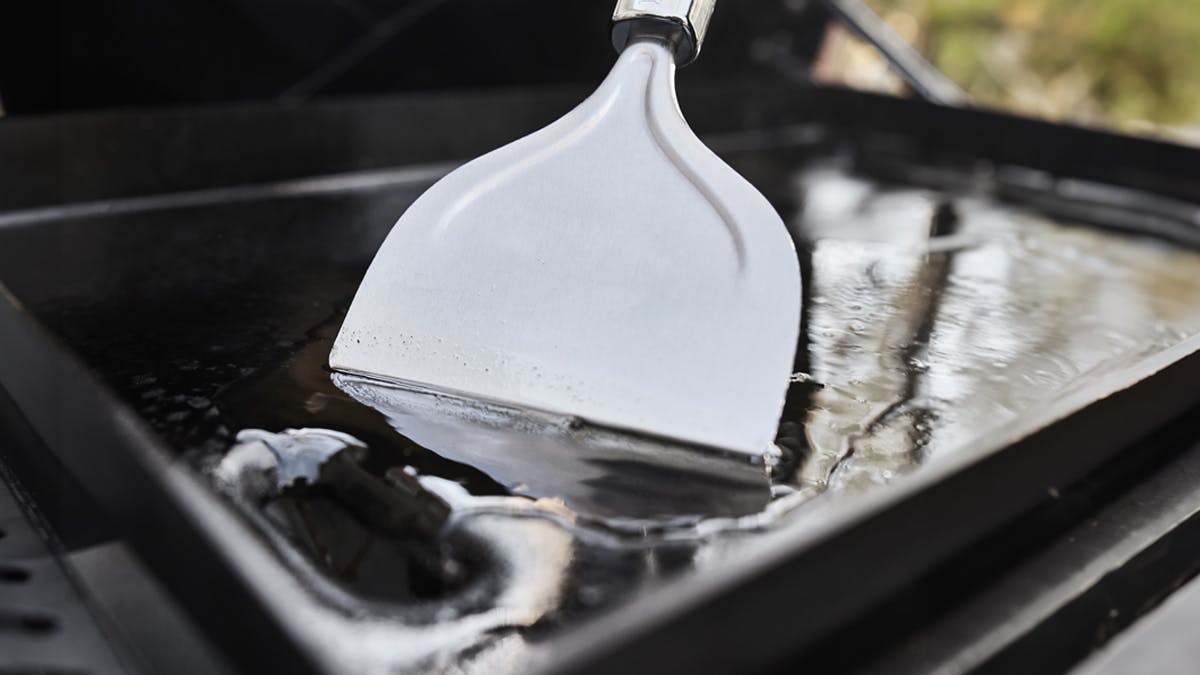
- Scrape the surface. Push debris toward the grease trap with a flat scraper.
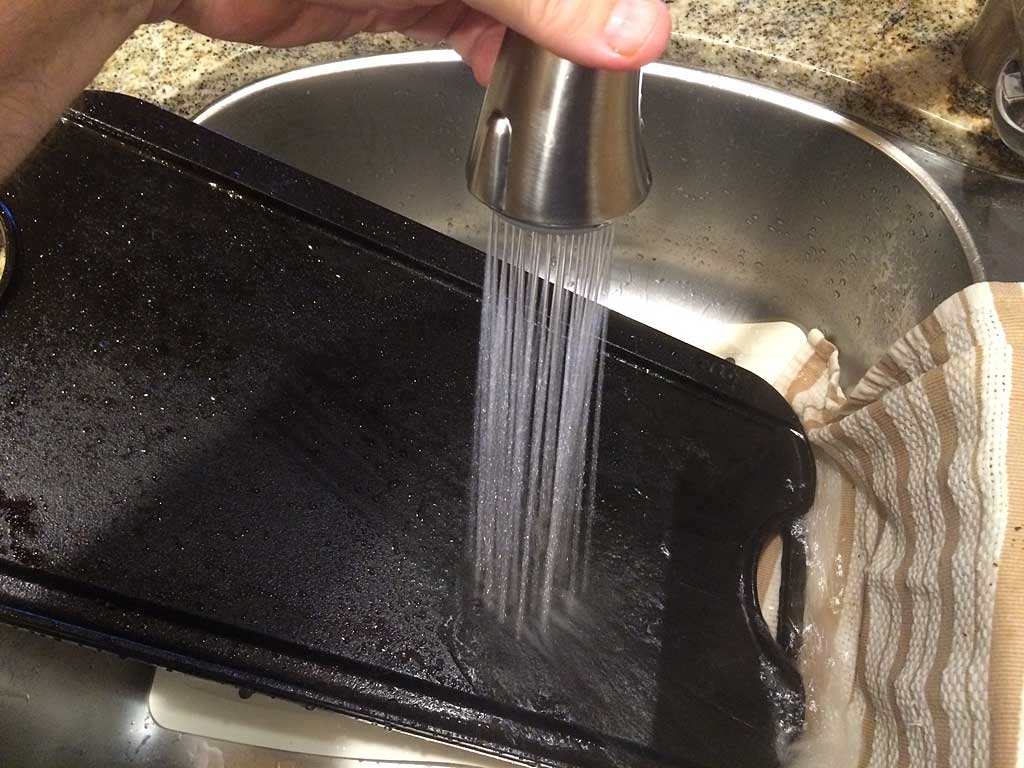
- Deglaze with warm water. Drizzle a little water. It steams and lifts stuck bits. Scrape again.
- Wipe dry. Use paper towels or a microfiber towel with tongs. Remove all moisture.
- Oil lightly. Add a teaspoon of neutral oil. Wipe a thin, even film. It should look satin, not wet.
- Cool down. Leave vents open. Do not cover until the surface is fully cool and dry.
Tip from the field: If sugar sauces burned, mist a little vinegar, then water. It breaks the glaze fast without harsh chemicals. This is my go-to move when teaching new owners how to clean a weber Griddle on busy weekends.

Weekly deep clean and re-season
If you cook often, plan a deeper reset once a week or every five cooks. This keeps the plate slick and dark.
For carbon steel or raw steel
- Warm to medium heat. Aim for 300–350°F.
- Steam clean. Pour on warm water and scrape until the runoff is clear.
- Tough spots. Sprinkle coarse salt. Scrub with a folded towel or non-scratch pad.
- Rinse with a splash of water. Wipe dry at once.
- Re-season. Add 1 teaspoon of oil. Wipe a micro-thin layer. Let it smoke lightly for 5–10 minutes. Repeat once if the surface looks dull.
For porcelain-enameled cast iron inserts
- Cool down to warm. Avoid thermal shock.
- Use mild dish soap and warm water. Scrub with a nylon brush.
- Rinse and dry fully. Heat for 2–3 minutes to drive off moisture.
- Wipe a drop of oil if desired. Keep it very light to avoid sticky spots.
This is how to clean a weber Griddle when you need a fresh start without stripping everything.
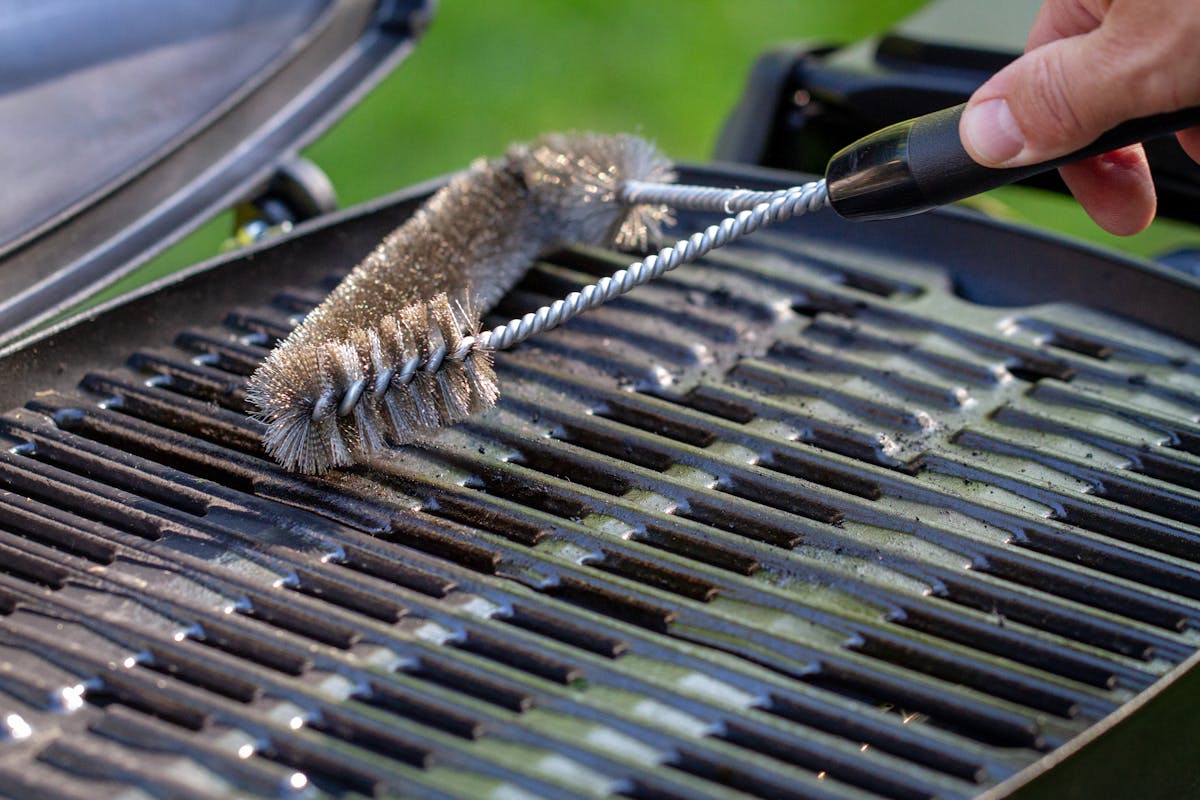
Remove rust, sticky patches, and burnt sugar
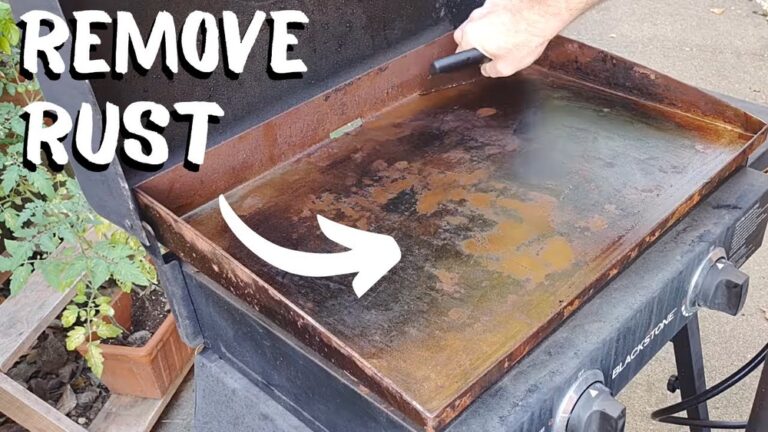
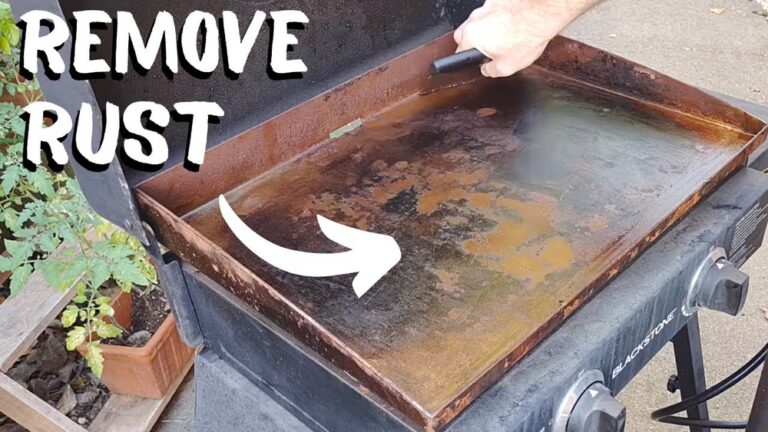
Rust happens. Humid garages, rain, or a wet cover can cause it. You can fix it.
Rust on carbon steel
- Heat to warm. Not hot.
- Scrub rust with a grill brick or fine steel wool. Stay gentle. Focus only on rusty areas.
- Wipe clean. Deglaze with water, then dry.
- Re-season two to three thin oil layers until the color evens out.
Sticky or gummy seasoning
- Too much oil causes tacky spots. Heat the plate. Wipe with vinegar and water.
- Scrub with salt if needed. Remove the gummy film.
- Re-season with very thin coats.
Burnt sugar or marinades
- Mist with vinegar. Let it hiss for 10 seconds.
- Add water and scrape. Repeat until smooth.
- Dry and re-oil.
Avoid on enamel
- Do not use grill bricks, steel wool, or metal scrapers.
- Stick to nylon brushes and mild soap.
I once left a teriyaki glaze on overnight. It turned to amber glass. A quick vinegar steam and slow scrape saved the day. That fix is now part of my how to clean a weber Griddle playbook.
Seasoning tips for a slick, long-lasting surface
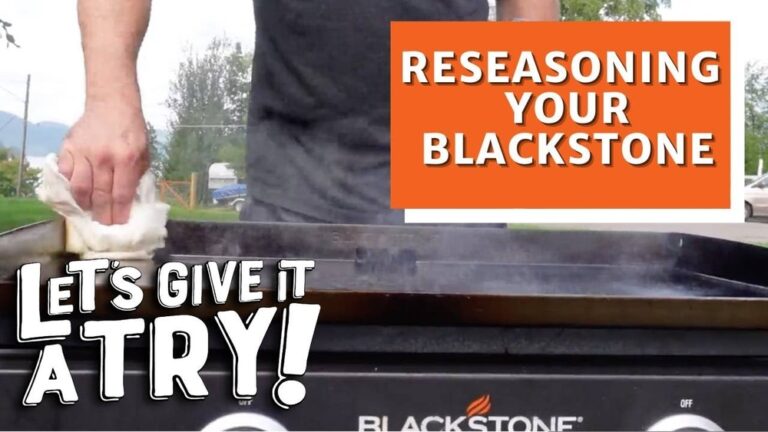
Seasoning is just thin oil baked into the metal. Thin is the key word.
What to use
- Canola, grapeseed, rice bran, or flaxseed oil in tiny amounts.
- Avoid butter for seasoning layers. Save it for cooking.
How to apply
- Warm the griddle to medium.
- Add a few drops of oil. Wipe to a whisper-thin film.
- Let it smoke lightly. Wait 5–10 minutes.
- Cool and repeat if needed.
Common mistakes
- Too much oil. It turns sticky and uneven.
- Rushing the smoke phase. The layer needs time to bond.
Good seasoning makes how to clean a weber Griddle faster. Food releases sooner. You use less oil when you cook.
:max_bytes(150000):strip_icc()/sea-gas-grills-2-test-weber-genesis-e-335-propane-gas-black-nsimpson-1216-9032d2243a084c9fa1431bc6c7f1ff55.jpeg)
Mistakes to avoid and pro tips
Avoid these traps. I see them a lot in classes.
Mistakes
- Dumping cold water on a blazing hot plate. It can warp steel and crack enamel.
- Using oven cleaner or harsh chemicals. They strip seasoning and damage finishes.
- Leaving acid on the surface. Lemon and vinegar can pit steel if left on.
- Covering while still warm. Trapped steam causes rust.
Pro tips
- Keep a squeeze bottle of warm water at the grill. Steam breaks stuck bits fast.
- Use paper towels with tongs. Safer than hands. Better reach.
- Oil while warm, not hot. The film spreads smooth and thin.
- Clean the grease trap each time. Old grease smells and can flare.
Follow these and you will master how to clean a weber Griddle like a pro.
Frequently Asked Questions of how to clean a weber Griddle
Can I use dish soap on my Weber griddle?
Yes, for deep cleans on enameled inserts and light use on carbon steel. If you use soap on carbon steel, re-season right after to protect the layer.
What oil is best for seasoning?
Use a neutral, high smoke point oil like canola or grapeseed. Apply very thin coats to avoid sticky buildup.
How hot should the griddle be for cleaning?
Warm, not blazing hot, around 300–350°F works well. It loosens debris but reduces steam burns.
How often should I re-season?
Do a light oil wipe after each cook and a full seasoning every few weeks. If food starts sticking, add a thin season cycle.
What removes rust the fastest?
For carbon steel, a grill brick or fine steel wool on warm metal works well. Follow with a rinse, dry, and two thin seasoning layers.
Does vinegar damage the griddle?
Used briefly, vinegar helps lift sugar and grease. Do not let it sit; wipe and dry, then oil.
How do I clean a Weber Crafted enameled insert?
Use warm water, mild soap, and a nylon brush. Avoid metal scrapers, grill bricks, and abrasive pads.
Conclusion
A clean griddle cooks better, tastes better, and lasts longer. Keep it simple: scrape while warm, steam with a splash of water, dry well, and oil thin. Do a deeper reset when the surface looks dull, then re-season with patience. That steady routine is how to clean a weber Griddle without stress.
Put these steps to work on your next cook. Your eggs will slide, your smash burgers will sear, and cleanup will take minutes. Want more tips or have a tricky mess? Drop a comment and I’ll help you fix it.