How to Clean a Rusty Blackstone Griddle: Easy Steps to Restore Shine
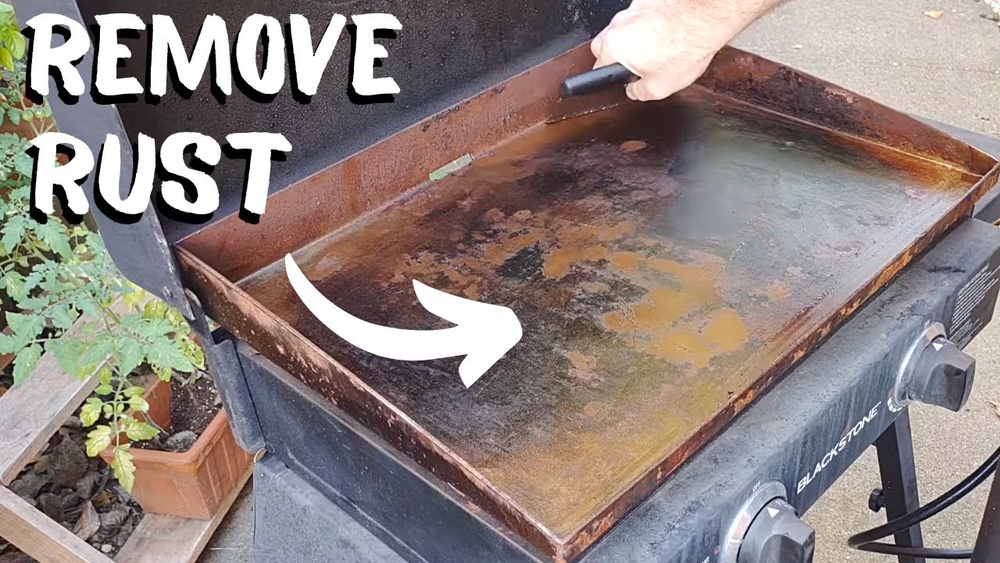
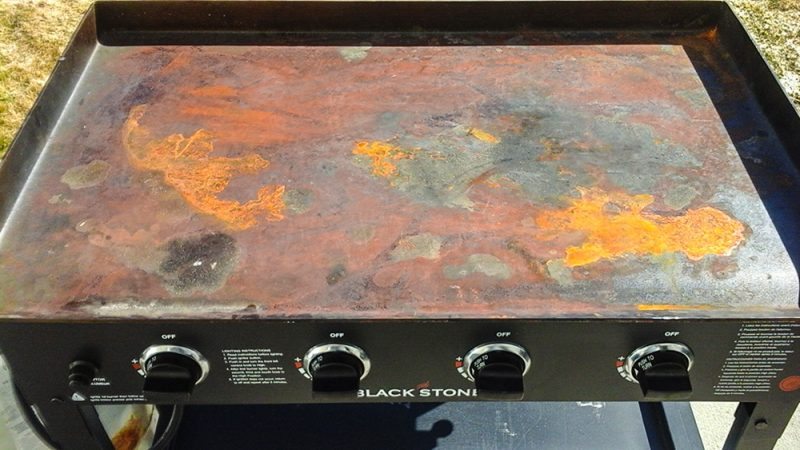
Is your Blackstone griddle looking rusty and worn out? Don’t worry—you can bring it back to life with a few simple steps.
Rust on your griddle not only ruins its appearance but also affects the taste of your food and the griddle’s performance. The good news is that cleaning a rusty Blackstone griddle is easier than you think. In this guide, you’ll learn how to remove rust safely and quickly, restore your griddle’s smooth surface, and keep it protected from rust in the future.
Ready to get your griddle cooking like new again? Let’s dive in!
Gathering Supplies
Before starting the rust removal process on your Blackstone griddle, gather all necessary supplies. Having the right tools and cleaning agents makes the job easier and more effective. Prepare everything in one place to avoid interruptions. This saves time and ensures a thorough cleaning.
Essential Tools
- Metal scraper for removing loose rust and debris
- Grill brick or steel wool for scrubbing
- Soft cloths or paper towels for wiping and drying
- Bucket or spray bottle for water or cleaning solutions
- Protective gloves to keep your hands safe
- Optional: Orbital sander or wire brush for heavy rust spots
Recommended Cleaning Agents
- White vinegar mixed with water to dissolve rust
- Baking soda paste for gentle abrasive cleaning
- Mild dish soap for initial cleaning and grease removal
- Vegetable oil or flaxseed oil for seasoning after cleaning
- Warm water for rinsing off cleaning agents

Credit: www.youtube.com
Initial Griddle Preparation
Preparing your rusty Blackstone griddle properly is essential before deep cleaning. This step helps remove loose debris and sets the stage for effective rust removal. A clean surface ensures better seasoning later and protects the griddle’s metal from further damage. The process involves cooling the griddle safely, scraping off all dirt, and washing it thoroughly. Drying completely is crucial to prevent new rust from forming.
Cooling And Scraping Off Debris
Allow the griddle to cool down fully before touching it. Hot surfaces can cause burns and damage cleaning tools. Once cool, use a metal scraper to remove loose rust flakes and food particles. Scrape gently but firmly to avoid scratching the metal. Clear all visible debris to expose the rusty areas. This step makes scrubbing easier and more effective.
Washing And Drying
After scraping, wash the griddle with warm, soapy water. Use a sponge or cloth to clean the entire surface. Rinse thoroughly with clean water to remove soap residue. Dry the griddle immediately with paper towels or a clean cloth. For best results, heat the griddle slightly to evaporate any remaining moisture. A completely dry griddle prevents new rust from forming and prepares the surface for seasoning.
Removing Rust
Removing rust from your Blackstone griddle restores its cooking surface and extends its life. Rust forms when moisture stays on the griddle too long. Cleaning it quickly stops rust from spreading and ruining the metal. Use simple household items and careful scrubbing to get rid of rust effectively. Each method helps break down rust and prepares the griddle for seasoning. Follow these steps to bring back your griddle’s shine and cooking quality.
Using Vinegar And Water Solution
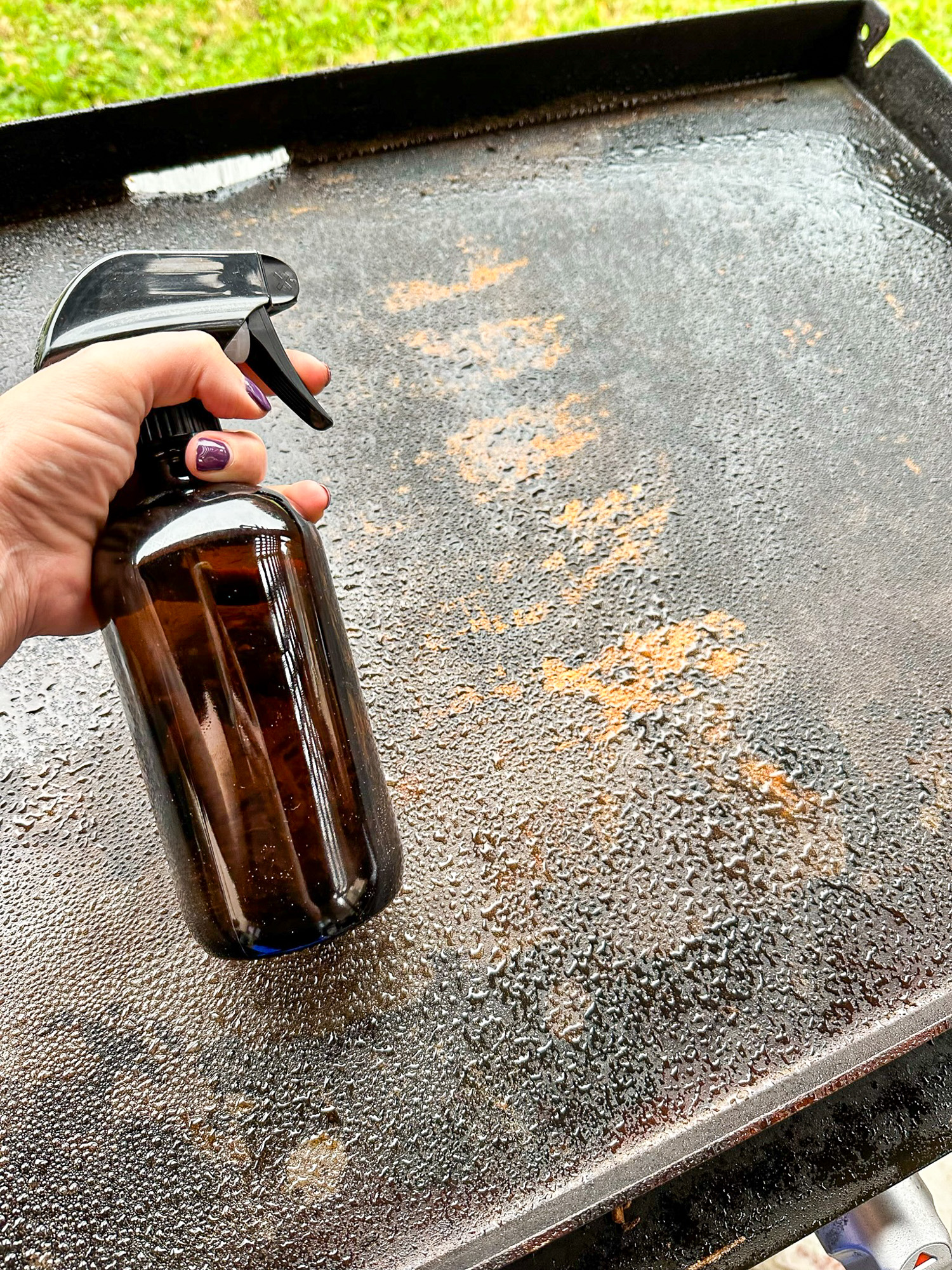
Mix equal parts vinegar and water in a spray bottle. Spray the solution over the rusty areas. Let it sit for 10 to 15 minutes. Vinegar’s acidity helps loosen rust from the metal surface. After soaking, use a grill brick or steel wool to scrub the rust gently. Rinse the griddle with clean water afterward. Dry the surface completely to avoid new rust forming.
Applying Baking Soda Paste
Make a thick paste by mixing baking soda with a little water. Spread the paste over rust spots evenly. Let it sit for 10 minutes to break down rust particles. Use a non-scratch scrubber or grill brick to rub the paste into the rust. Baking soda acts as a mild abrasive and neutralizes rust. Rinse the griddle well with water and dry it fully after scrubbing.
Scrubbing Techniques
Use a metal scraper to remove loose rust and debris first. Then choose a scrubber like steel wool or a grill brick for tougher spots. Apply firm pressure but avoid scratching the metal deeply. Work in circular motions to lift rust evenly. Rinse the griddle often to check progress. Finish by drying the surface with a cloth and heating it briefly to evaporate moisture.
Handling Heavy Rust
Heavy rust on a Blackstone griddle needs strong cleaning tools. Light scrubbing won’t fix deep rust spots. Use methods that remove rust down to bare metal. This process prepares the surface for proper seasoning. Let’s explore two effective ways to handle heavy rust.
Wire Brush And Steel Wool Use
A wire brush is tough on thick rust layers. Scrub the rusty areas with firm, circular motions. Follow up with steel wool to smooth the surface. Steel wool reaches small crevices and tight corners. Both tools remove rust without damaging the metal underneath. Clean the griddle well after scrubbing to remove rust dust. Dry the surface completely before moving to seasoning.
Orbital Sander Method
An orbital sander works well for large, heavily rusted griddles. Use medium-grit sandpaper to strip the rust quickly. Sand evenly to avoid uneven spots on the metal. Wear protective gear to avoid dust inhalation. After sanding, wipe the griddle with a damp cloth to clear debris. Dry the griddle fully to stop new rust forming. This method saves time and creates a smooth base for oiling.
Rinsing And Drying Thoroughly
Rinsing and drying your Blackstone griddle thoroughly is a key step to stop rust from coming back. Water removes leftover rust particles and cleaning agents. Drying well prevents moisture, which causes new rust spots. This step prepares the surface for seasoning, keeping the griddle ready for cooking.
Water Rinse Tips
Use warm water to rinse the griddle surface. Avoid using high pressure that might damage the metal. Rinse until all rust and cleaning paste wash away. Use a soft cloth or sponge to help remove any stuck particles. Make sure no soap or vinegar remains on the surface after rinsing.
Drying With Heat
Dry the griddle with a clean towel after rinsing. Then, turn on the griddle burners to low heat. Let it heat until all moisture evaporates. Heat drying helps prevent rust from forming again. Avoid leaving water on the surface or air drying only. Heat drying ensures the griddle is completely dry before the next step.
Re-seasoning The Griddle
Re-seasoning the Blackstone griddle is essential after cleaning off rust. It restores the cooking surface and protects it from future rust. This process creates a smooth, non-stick layer that improves cooking and makes cleaning easier. Proper re-seasoning extends the life of your griddle and keeps it ready for your next meal.
Choosing The Right Oil
Pick an oil with a high smoke point for seasoning. Flaxseed oil, grapeseed oil, and vegetable oil work well. Avoid oils with low smoke points like olive oil. The right oil forms a hard, durable coating on the griddle surface. Use fresh oil for the best results.
Seasoning Process Steps
Start with a clean, dry griddle surface. Apply a thin layer of oil evenly across the entire top. Use a paper towel to spread the oil and remove any excess. Heat the griddle on medium-high until the oil starts to smoke. Let it burn for 10 to 15 minutes to bond with the metal. Turn off the heat and let the surface cool. Repeat this process 2 to 3 times for a strong seasoning layer.
Heating The Edges And Corners
Rust often hides in the edges and corners. Heat these areas carefully during seasoning. Use a propane torch or increase burner heat to reach these spots. This step ensures the oil polymerizes evenly across the entire griddle. Properly heated edges prevent rust from returning. Take your time to cover every part of the cooking surface.
Preventing Future Rust
Preventing rust on your Blackstone griddle keeps it ready for cooking. Rust can damage the surface and affect food taste. Simple habits help avoid rust buildup and extend your griddle’s life. Focus on regular care and smart storage to keep your griddle in top shape.
Consistent Seasoning Routine
Season your griddle after every deep clean. Apply a thin layer of cooking oil evenly. Heat the griddle to bond the oil to the metal. This creates a protective coating that blocks moisture. Regular seasoning keeps the surface smooth and rust-free.
Proper Cleaning After Use
Clean the griddle while it is still warm. Use a scraper to remove food bits. Avoid using harsh soaps that strip the seasoning. Wipe with a damp cloth and dry thoroughly. Leaving water on the surface invites rust to form.
Storage Recommendations
Store the griddle in a dry, covered place. Use a weatherproof cover to block rain and dust. Avoid leaving the griddle outside in damp weather. If storing for long periods, apply a light oil coat. This seals the metal and stops rust from forming.
Credit: www.acquetech.com
Troubleshooting Common Issues
Troubleshooting common problems helps keep your Blackstone griddle in top shape. Rust and seasoning issues can reduce cooking quality and shorten the griddle’s life. Address problems early for better results and longer use. Below are solutions to frequent challenges faced during cleaning and maintenance.
Rust Reappearance
Rust can come back if the griddle is not dried properly after cleaning. Always dry the surface fully using a cloth or heat before storing. Apply a thin layer of oil after every use to protect the metal. Store your griddle in a dry place, away from rain or humidity. Check for rust spots regularly and treat them fast to avoid spreading.
Uneven Seasoning
Uneven seasoning results in sticky or patchy cooking areas. Heat the griddle evenly during seasoning to avoid cold spots. Use a high-smoke point oil and spread it thinly across the surface. Multiple light coats work better than one thick layer. Clean the surface well before seasoning to remove old residue and rust. Repeat seasoning until the griddle looks smooth and dark.
Handling Stubborn Rust Spots
Stubborn rust spots need extra effort to remove. Use steel wool or a grill brick with baking soda paste for scrubbing. Avoid harsh chemicals that can damage the griddle. Rinse and dry the area thoroughly after scrubbing. For deep rust, sanding with fine grit sandpaper or a wire brush may be necessary. Always re-season the cleaned spot to restore protection.
Credit: blackstoneproducts.com
Frequently Asked Questions
How Do You Get Rust Off A Blackstone Griddle?
Scrape loose rust, scrub with vinegar-water or baking soda paste using steel wool, rinse, dry thoroughly, and immediately re-season with oil. Repeat seasoning if rust is deep.
What Is The Fastest Way To Clean Rust Off A Grill?
Scrape loose rust with a metal scraper. Scrub using a vinegar-water mix or baking soda paste. Rinse, dry thoroughly, then re-season with oil to prevent rust.
Can I Put Vinegar On My Blackstone Griddle To Remove The Rust?
Yes, vinegar mixed with water can help remove rust from your Blackstone griddle. Scrub gently, rinse, dry, and re-season immediately.
Is A Rusted Blackstone Ruined?
A rusted Blackstone is not ruined. Scrape off rust, clean thoroughly, dry completely, then re-season with oil to restore it effectively.
Conclusion
Cleaning a rusty Blackstone griddle takes patience and simple steps. Start by scraping off loose rust and grime. Use a mild acid like vinegar or a baking soda paste to scrub gently. Always rinse and dry the griddle completely to stop rust from coming back.
Don’t forget to season the surface well with oil after cleaning. Regular maintenance keeps your griddle ready for cooking. Rust won’t last long if you care for your griddle properly. Enjoy cooking on a clean, smooth surface every time!