How Safe are Air Fryers: Unveiling Truths You Must Know
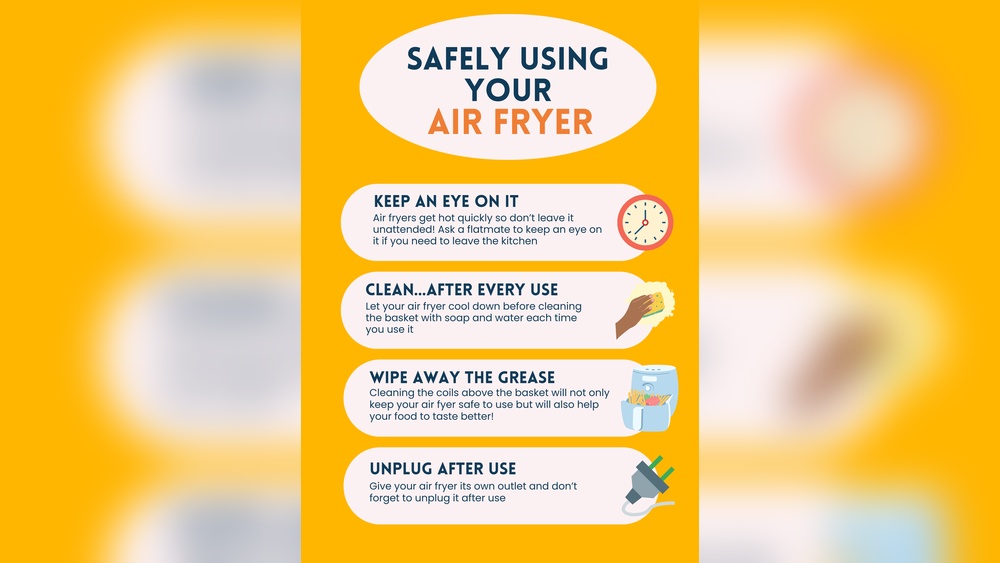
You’ve probably heard the buzz about air fryers being a healthier alternative to deep frying. But have you ever stopped to wonder—how safe are air fryers really?
If you’re thinking about buying one or already own one, it’s important to know the facts behind the convenience. Could these popular kitchen gadgets pose hidden health risks? Or are they truly a smart choice for your daily meals? You’ll discover what science says about air fryer safety, the possible side effects, and simple tips to use yours without worry.
Keep reading to protect your health and enjoy your favorite crispy foods with confidence!
Health Risks
Air fryers have grown popular as a healthier cooking option. Still, some health risks exist. These risks mainly come from chemicals and compounds formed during cooking. Understanding these helps you make safer choices.
Acrylamide Formation
Acrylamide forms in starchy foods cooked at high heat. It appears mostly in fried potatoes and chips. This chemical may increase the risk of cancer. Air frying usually produces less acrylamide than deep frying. Avoid burning food to reduce acrylamide levels.
Polycyclic Aromatic Hydrocarbons
Polycyclic Aromatic Hydrocarbons (PAHs) form when food chars or burns. These compounds may cause cancer in animals. Air fryers cook with hot air, lowering PAH formation compared to grilling. Still, avoid overcooking to keep PAHs low.
Advanced Glycation End Products
Advanced Glycation End Products (AGEs) develop when food cooks at high temperatures. AGEs link to inflammation, diabetes, and aging. Air frying can create AGEs but less than frying in oil. Using moderate heat helps reduce AGE formation.
Pfas Chemicals In Coatings
Some air fryer coatings contain PFAS chemicals. These substances may disrupt hormones and cause cancer. Modern air fryers often avoid PFAS coatings. Choosing models with ceramic or stainless steel coatings reduces risks.
Cholesterol Oxidation Products
Cholesterol Oxidation Products (COPs) increase in certain foods like fish when cooked. COPs may raise heart disease risk. Air frying can increase COPs but less than deep frying. Using fresh ingredients and proper cooking times helps limit COPs.
Risk Reduction Tips
Reducing risks while using air fryers helps keep meals safe and healthy. Simple habits prevent harmful compounds from forming. These tips protect your food and your health.
Avoid Overcooking
Do not burn or char food in the air fryer. Overcooked food can create acrylamide and other harmful substances. Check food often to cook just right.
Use Moderate Heat
Set the air fryer to medium temperatures instead of the highest setting. Cooking at moderate heat lowers the chance of producing dangerous compounds. It also keeps food moist and tasty.
Pre-soak Starchy Foods
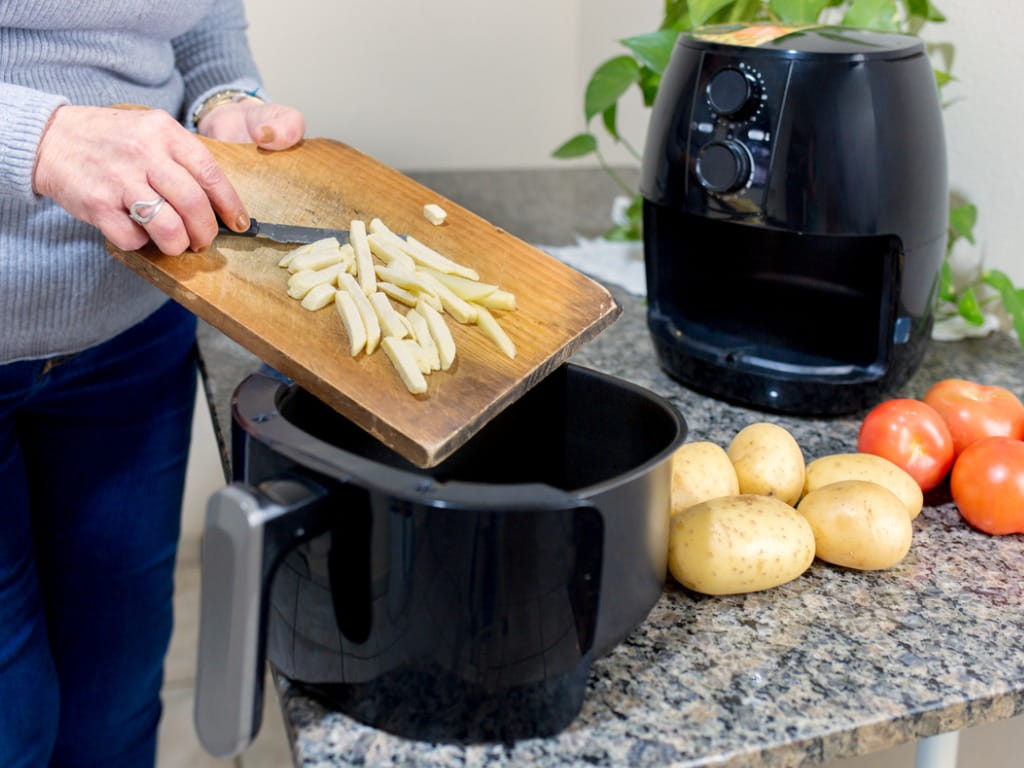
Soak potatoes and other starchy items in water before cooking. This step reduces acrylamide formation significantly. Dry food well before placing it in the fryer.
Select Safe Coatings
Choose air fryers with ceramic or stainless steel coatings. Avoid older models that use PFAS or PFOA chemicals. These chemicals may cause health problems over time.
Use High Smoke Point Oils
Pick oils like avocado or refined olive oil with a high smoke point. These oils stay stable at cooking temperatures. They prevent oil breakdown and harmful oxidation.
Maintain Balanced Diet
Air frying is healthier than deep frying but still needs balance. Eat a variety of fresh vegetables, fruits, whole grains, and lean proteins. This approach supports overall wellness and reduces health risks.
Cancer Concerns
Cancer concerns often arise around air fryers due to the chemicals that may form during high-heat cooking. Some substances, like acrylamide and polycyclic aromatic hydrocarbons (PAHs), have links to cancer in lab studies. These compounds form when starchy foods or fats cook at high temperatures. Understanding these risks helps users make safer choices with air fryers.
Scientific Findings
Studies show acrylamide forms mainly in starchy foods like potatoes at high heat. Air frying produces acrylamide but generally less than deep frying. PAHs can appear when food chars or burns, but air fryers use hot air, reducing smoke and fumes. Research also highlights advanced glycation end products (AGEs), formed during high heat, which relate to inflammation. Modern air fryer models avoid certain harmful coatings, lowering chemical risks.
Comparisons To Deep Frying
Deep frying immerses food in hot oil, creating more acrylamide and PAHs. Air frying uses little or no oil, which cuts down harmful compound formation. Oil breakdown in deep frying also produces cholesterol oxidation products (COPs), linked to heart disease. Air frying’s dry heat reduces these risks by avoiding oil oxidation. Overall, air frying offers a safer option than traditional deep frying.
Expert Opinions
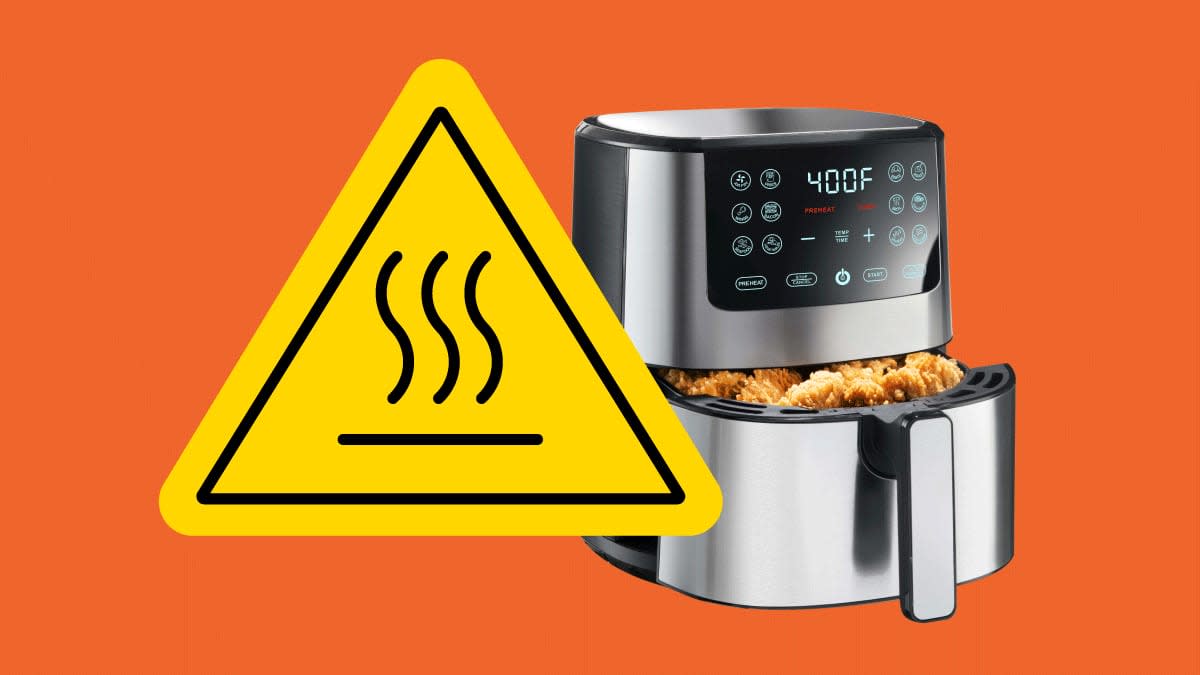
Health experts agree air frying is safer than deep frying but recommend caution. Avoiding overcooked or burnt food lowers cancer-causing compounds. Experts suggest cooking at moderate temperatures and soaking potatoes to reduce acrylamide. Choosing air fryers with safer coatings like ceramic or stainless steel helps avoid PFAS chemicals. Experts stress a balanced diet with varied cooking methods for best health.
Credit: www.consumerreports.org
Common Complaints
Air fryers have gained popularity for quick and healthier cooking. Yet, users report some common complaints. These issues affect everyday use and safety perceptions. Understanding these complaints helps in making better choices and usage habits.
Cooking Inconsistencies
Many users find that air fryers cook unevenly. Some parts of the food become crisp while others remain soft. This inconsistency can result from overcrowding the basket or improper shaking during cooking. It may cause frustration and wasted food.
Cleaning Challenges
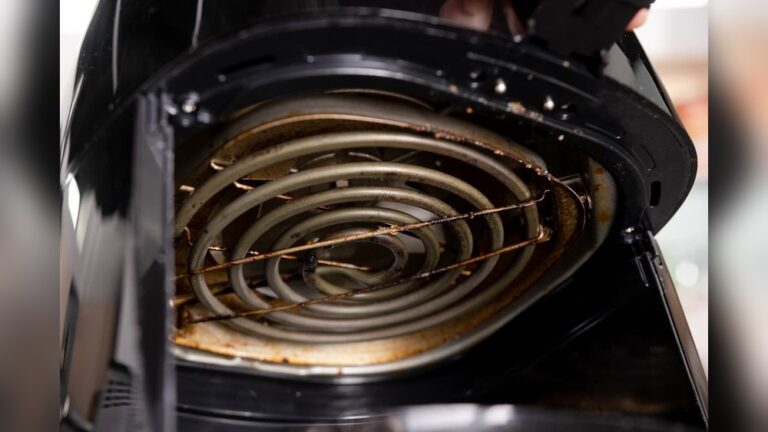
Cleaning air fryers can be difficult. The basket and tray often have stuck-on grease and food bits. Some models have non-removable parts, making thorough cleaning hard. Poor cleaning might affect the machine’s lifespan and food safety.
Bulkiness And Storage
Air fryers tend to be bulky and heavy. Their size requires significant counter or cabinet space. Small kitchens may struggle to find a proper spot for storage. The large footprint can discourage frequent use.
Learning Curve
New users often face a learning curve with air fryers. Cooking times and temperatures differ from traditional ovens. It takes trial and error to get perfect results. This adjustment period can be discouraging for beginners.
Product Recalls
Some air fryer models have been recalled due to safety risks. Issues include electrical faults and overheating. These recalls raise concerns about product quality and consumer safety. Checking for recalls before purchase is important.
Air Fryers Vs Alternatives
Air fryers have become popular kitchen gadgets for quick and healthier cooking. Comparing them to other cooking alternatives helps understand their safety and benefits. Each method has unique features and risks. This section breaks down air fryers against common alternatives.
Halogen Ovens
Halogen ovens use infrared light to cook food fast. They need less oil, similar to air fryers. These ovens heat food evenly but can get very hot outside. The glass bowl may break if mishandled. Halogen ovens have fewer nonstick surfaces, reducing chemical risks. Still, users should avoid touching hot parts to prevent burns.
Traditional Cooking Methods
Traditional methods include frying, baking, and grilling. Frying with oil often leads to more fat in food. High heat can create harmful compounds like acrylamide and PAHs. Open flames in grilling produce smoke, which may carry carcinogens. Baking uses dry heat and is generally safer but takes longer. These methods need careful temperature control to avoid burning food.
Microwave And Toaster Ovens
Microwaves cook food quickly using radiation. They do not brown food well and can create uneven heat spots. Toaster ovens use heating elements and can toast or bake small meals. Both appliances heat externally and carry less risk of chemical formation. However, overheating or metal use in microwaves can cause hazards. Proper use and maintenance ensure safety with these devices.
Credit: www.poison.org
Credit: health.clevelandclinic.org
Frequently Asked Questions
What Are The Negative Effects Of Air Fryers?
Air fryers may produce acrylamide and PAHs, harmful compounds linked to cancer risk. Older coatings can release PFAS chemicals. High heat can create AGEs, causing inflammation. Overcooking increases these risks. Use moderate heat, avoid charring, and choose safer coatings to minimize negative effects.
Why Are People Getting Rid Of Air Fryers?
People discard air fryers due to health concerns from harmful compounds, nonstick coating risks, and issues with high-heat cooking.
What’s The Warning About Air Fryers?
Air fryers may produce harmful compounds like acrylamide and PAHs when cooking at high heat. Avoid charring food and use moderate temperatures to reduce risks. Choose models without harmful coatings like PFAS, and soak starchy foods to minimize acrylamide formation.
Which Air Fryer Is Not Toxic?
Non-toxic air fryers use stainless steel or ceramic coatings instead of PFAS-based nonstick surfaces. Cook at moderate heat to reduce harmful compounds. Avoid charring food to minimize risks. Choose models labeled free from PFOA and PFAS chemicals for safer cooking.
Conclusion
Air fryers offer a safer cooking method than deep frying. Still, some risks exist from high heat and certain coatings. Avoid burning food and use moderate temperatures to reduce harmful compounds. Choose air fryers with safer nonstick surfaces like ceramic or stainless steel.
Soaking starchy foods before cooking helps lower acrylamide levels. Using high smoke point oils also protects your health. Overall, air fryers can be safe when used carefully and properly maintained. Balance your diet with fresh, whole foods for the best results.
Safety depends on smart cooking habits and good product choices.