How Do I Season a Blackstone Griddle: Ultimate Step-by-Step Guide
You just got your Blackstone griddle, and you’re excited to start cooking delicious meals on it. But before you fire it up, there’s one important step you can’t skip: seasoning your griddle.
Seasoning creates a natural, non-stick surface that protects your griddle from rust and improves the flavor of your food. If you’ve ever wondered, “How do I season a Blackstone griddle the right way? ” you’re in the right place. In this guide, you’ll learn simple, clear steps to season your griddle perfectly—so you can enjoy cooking with ease and confidence every time.
Ready to make your Blackstone griddle last and perform like a pro? Let’s get started!
Preparation Steps
Proper preparation is key to seasoning your Blackstone griddle well. It helps the oil bond to the surface and creates a smooth, non-stick layer. Follow these simple steps before applying oil for the best results.
Cleaning The Griddle Surface
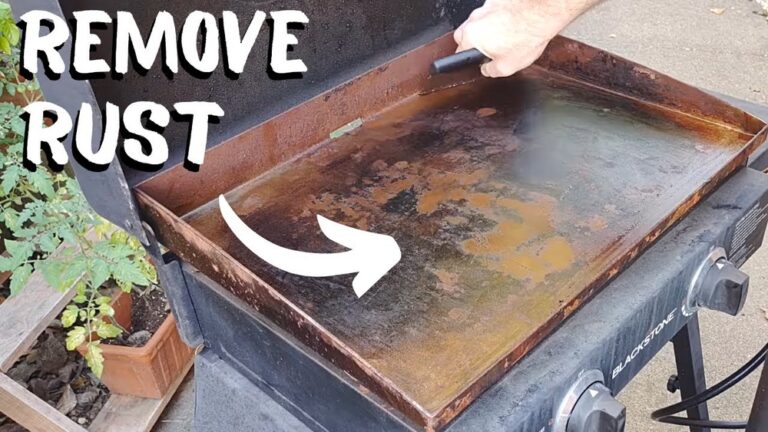
Start by removing any dirt or debris on the griddle. Use warm water and a mild dish soap with a soft cloth or sponge. Avoid harsh chemicals or steel wool, as they can damage the surface. Rinse thoroughly to remove all soap residue. Dry the surface with a clean towel to prevent rust.
Drying And Preheating
After cleaning, turn on the griddle to medium heat. Let it heat up for 10 to 15 minutes. This step removes any remaining moisture and opens the metal’s pores. The surface should be hot but not smoking. Once heated, turn off the griddle and let it cool slightly before applying oil.
Choosing The Right Oil
Choosing the right oil is essential for seasoning your Blackstone griddle properly. The oil you pick affects how well the seasoning sticks and how durable it becomes. Oils with a high smoke point work best to create a strong, non-stick layer on the surface. Using the wrong oil can cause sticky residue or uneven seasoning. This guide will help you select the best oil for your griddle.
High Smoke Point Oils
High smoke point oils can handle the heat needed for seasoning. These oils form a hard, protective layer on the griddle. Examples include canola oil, vegetable oil, and avocado oil. Flaxseed oil is also popular because it creates a durable coating. These oils burn off cleanly without leaving bad flavors. They help your griddle last longer and cook food better.
Oils To Avoid
Avoid oils with low smoke points for seasoning. Olive oil and butter burn too quickly and leave sticky spots. These oils break down and cause uneven layers on the griddle surface. Using them can make seasoning patchy and weak. Stay away from unrefined oils because they smoke too early. Stick to oils that handle high heat for the best results.
Applying Oil
Applying oil is a crucial step in seasoning your Blackstone griddle. It helps create a non-stick surface and protects the metal from rust. Proper oil application ensures an even, lasting seasoning layer. Use the right amount and spread it carefully for the best results.
Using Paper Towels For Even Spread
Paper towels make it easy to apply oil evenly. Pour a small amount of oil on the griddle surface. Use folded paper towels to spread the oil thinly. Move the towels in circular motions for uniform coverage. Avoid pouring too much oil at once to prevent pooling.
Coating The Entire Surface And Edges
Cover every inch of the griddle plate with oil. Don’t forget the edges and corners. These areas can rust if left dry. Use paper towels to reach all sides and the back. A full coating protects the griddle and builds seasoning evenly.
Removing Excess Oil
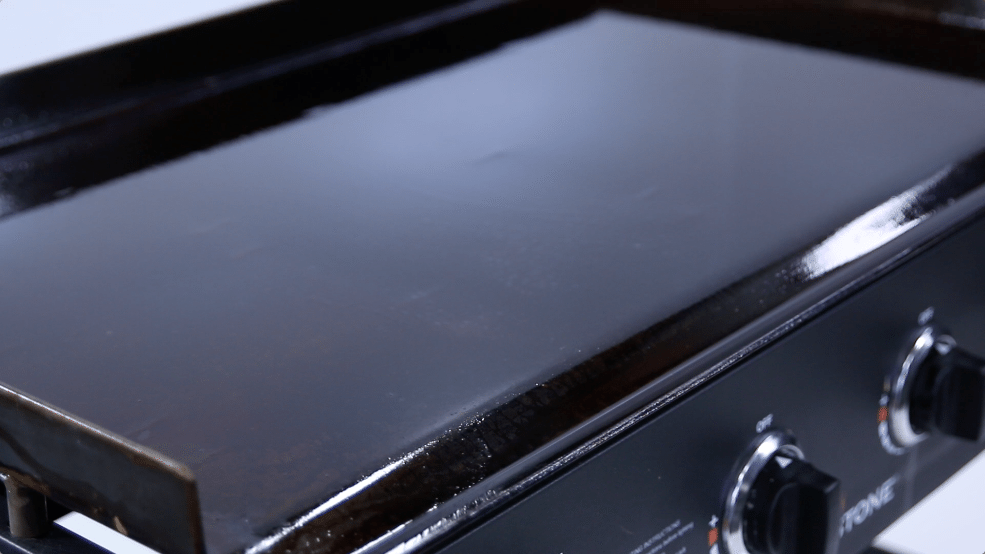
Too much oil can cause sticky spots or uneven seasoning. After spreading, use a clean paper towel to wipe off extra oil. The surface should look shiny but not wet. This step prevents oil from pooling and helps the seasoning bake properly.

Credit: www.amazon.com
Heating Process
The heating process is a key step in seasoning your Blackstone griddle. It prepares the surface for the oil to bond and create a protective layer. Proper heating helps the oil transform into a strong, non-stick coating. This process requires attention and patience for the best results.
Heating To Smoking Point
Start by turning on the griddle to medium-high heat. Let the surface warm evenly for several minutes. Watch carefully as the temperature rises. The oil will start to smoke, showing it has reached its smoking point. This smoke means the oil is breaking down and ready to form a layer. Keep the griddle at this temperature briefly to ensure full coverage.
Polymerizing The Oil Layer
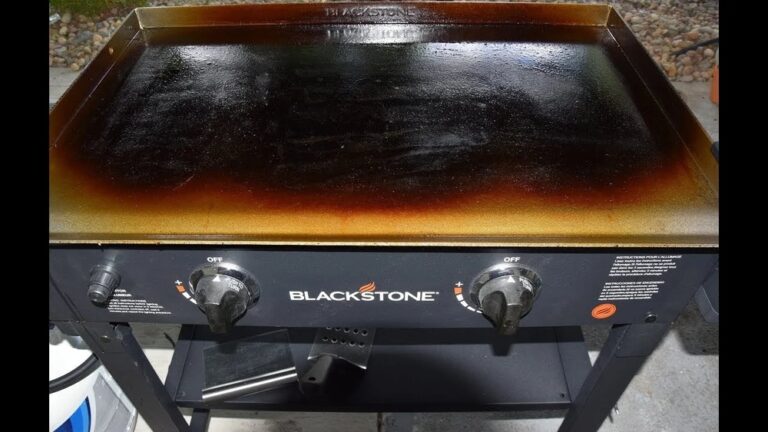
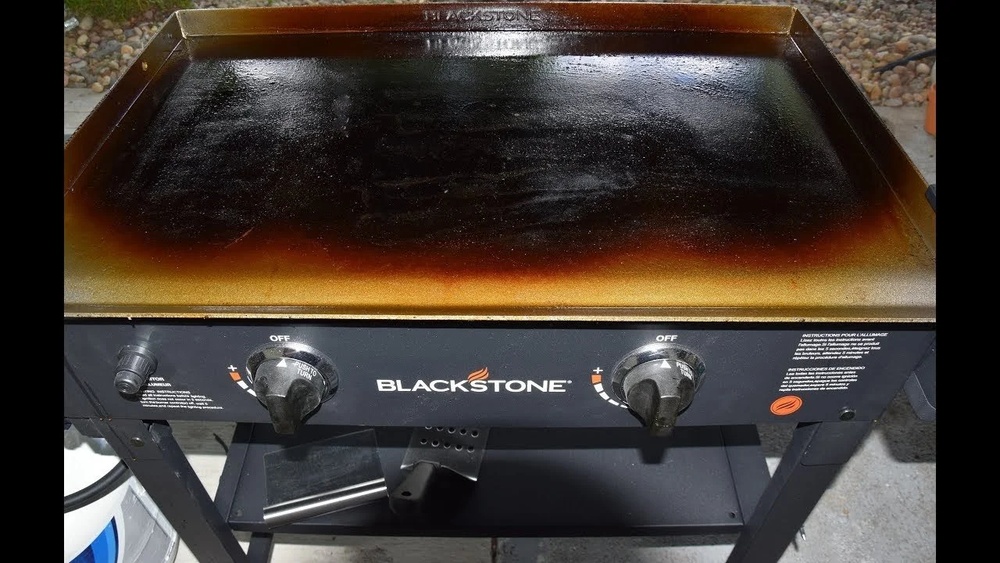
Once the oil smokes, it begins to polymerize. This means the oil molecules change and bond with the metal. The result is a thin, durable coating on the griddle surface. Keep the heat steady during this stage. Avoid turning off the griddle too soon. The polymerized layer will protect the griddle from rust and create a smooth cooking surface.
Repeating Seasoning Layers
Repeating seasoning layers build a strong, protective coating on your Blackstone griddle. This process improves the cooking surface and prevents rust. Each layer adds durability and a smooth finish. Patience is key. Apply multiple thin layers rather than one thick coat. This method helps the oil bond better with the metal. The result is a non-stick surface that lasts longer and cooks better.
Number Of Coats Recommended
Experts suggest applying three to five coats of seasoning. Start with one thin layer, then heat the griddle to bond the oil. Let the surface cool before applying the next coat. Repeat this process until you reach the desired number of layers. Each coat strengthens the seasoning and improves the griddle’s performance. Avoid skipping layers to ensure even coverage and protection.
Ensuring Smooth, Non-sticky Finish
Use a paper towel to spread oil evenly and thinly over the surface. Avoid pooling oil, which can cause sticky patches. Heat the griddle on medium-high until the oil smokes lightly. This step helps the oil polymerize, creating a hard finish. Let the griddle cool completely before wiping off any excess residue. Proper layering leads to a smooth, easy-to-clean cooking surface.
Credit: www.reddit.com
Post-seasoning Care
Post-seasoning care is essential to keep your Blackstone griddle in top shape. Proper care protects the seasoning layer and prevents rust. It also ensures the griddle cooks evenly and lasts longer.
Taking a few simple steps after each use maintains the non-stick surface. These habits help your griddle perform well every time you cook. Let’s explore two key parts of post-seasoning care: cleaning after each use and oiling before storage.
Cleaning After Each Use
Start by scraping off food residues while the griddle is still warm. Use a metal spatula or scraper gently to avoid damaging the seasoning. Avoid using soap, as it can strip the seasoning layer.
Next, wipe the surface with a damp cloth or paper towel. For stubborn spots, use warm water and a griddle scrubber. Dry the surface completely to prevent rust from forming.
Oiling Before Storage
After cleaning, apply a thin layer of oil to the griddle surface. Use oils like vegetable, canola, or flaxseed for best results. Spread the oil evenly with a paper towel or cloth.
Heating the griddle slightly after oiling helps the oil bond with the surface. This step seals the seasoning and protects against moisture. Store your griddle in a dry place, covered if possible, to keep it ready for the next use.
Common Mistakes To Avoid
Seasoning a Blackstone griddle is key to its performance and durability. Avoiding common mistakes during seasoning helps build a strong, even non-stick surface. These errors often cause uneven seasoning or sticky spots. Follow simple rules to get the best results and extend your griddle’s life.
Using Too Much Oil
Applying too much oil creates sticky, uneven layers. Excess oil pools and does not bake into the surface properly. Use a thin, even coat of oil for best results. Wipe off extra oil with a paper towel before heating the griddle. This prevents gummy residue and helps build a smooth seasoning.
Skipping Edges And Sides
Many skip the edges and sides while seasoning. This leaves parts of the griddle unprotected and prone to rust. Always season the entire cooking surface, including edges and sides. Cover every inch with oil to create a complete, rust-resistant coating. This step ensures your griddle stays in great shape longer.
Seasoning With Lid Closed Vs Open
There is confusion about seasoning with the lid open or closed. Season your Blackstone griddle with the lid open. This lets heat and smoke escape evenly and prevents moisture buildup. Closing the lid traps steam, which can cause uneven seasoning and rust. Keep the lid open for a better, more durable coating.
First Cook Tips
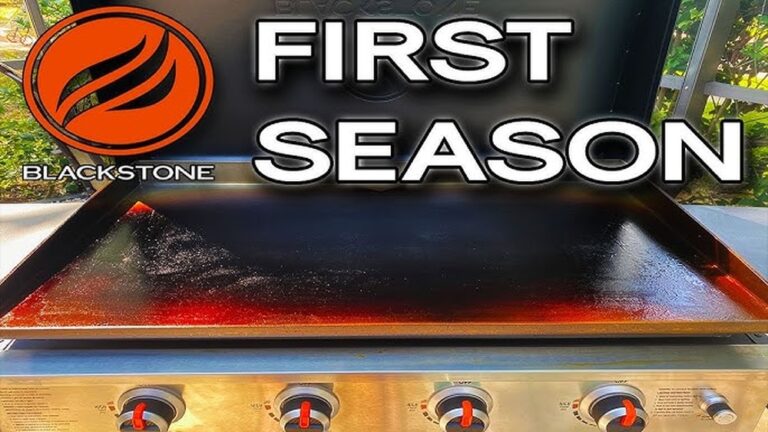
Starting your seasoning process with the first cook on a Blackstone griddle sets the stage for a long-lasting, non-stick surface. This step helps create the initial layer of seasoning that will protect the griddle from rust and improve its cooking performance. Choosing the right foods and understanding the role of the first cook are key to effective seasoning.
Ideal Foods To Start With
Pick foods that release oils and fats naturally. Bacon is a top choice because its fat helps build the seasoning layer. Onions also work well; their moisture and sugars add flavor and assist in seasoning. Smash burgers are another great option due to their fat content and easy cooking. These foods help coat the griddle evenly and start the seasoning process gently.
How First Cook Helps Seasoning
The first cook heats the griddle and allows oil to bond to the surface. This forms a protective layer that prevents rust and sticking. Cooking fatty foods releases oils that soak into the metal. The heat causes a chemical change, turning the oil into a hard, black coating. This layer improves with each cook, creating a smooth and durable surface.
Credit: blackstoneproducts.com
Frequently Asked Questions
How Do I Season My Blackstone Griddle For The First Time?
Clean your griddle with warm water and dry it. Apply a thin layer of high smoke point oil evenly. Heat on high until smoking. Wipe off excess oil. Repeat this process 2-3 times for a durable seasoning layer.
What Is The Best Oil To Season A Blackstone Griddle?
The best oil to season a Blackstone griddle is one with a high smoke point, like canola, vegetable, or avocado oil. Flaxseed and grapeseed oils also work well. Apply a thin, even layer for effective seasoning and durability.
Do You Put Oil Down Every Time You Cook On Blackstone?
You don’t need to put oil every time you cook on Blackstone. Light oiling prevents sticking and maintains seasoning.
Do You Season Blackstone With The Lid Open Or Closed?
Season your Blackstone griddle with the lid open. This allows smoke and fumes to escape during seasoning.
Conclusion
Seasoning a Blackstone griddle keeps it non-stick and rust-free. Apply a thin, even layer of oil across the surface. Heat the griddle until the oil smokes to set the seasoning. Repeat this process a few times for best results. Regular seasoning protects your griddle and improves cooking.
Treat your griddle with care and enjoy delicious meals every time. Simple steps make seasoning easy and effective. Your Blackstone will stay ready for many great cookouts ahead.