
Why Does My Air Fryer Smoke? Top Causes and Easy Fixes
Many people love using air fryers for fast, healthy cooking. They are easy to use and promise crispy food with less oil. But there is one problem that frustrates many users: smoking air fryers. If your air fryer starts to smoke, you may worry about safety, food quality, or even damaging the appliance. So, why does your air fryer smoke? What causes it, and how can you stop it? This article will explain every reason, give practical solutions, and help you understand your air fryer better.
What Causes Air Fryers To Smoke?
Air fryers work by circulating hot air around food. This makes food crispy and cooks it faster than a regular oven. But this process can also create smoke for several reasons. Let’s look at the most common causes.
1. Excess Oil Or Fat
When you cook fatty foods like bacon, sausage, or chicken wings, the oil drips onto the bottom tray. At high heat, this oil can vaporize or even burn, creating smoke. Sometimes, people add too much oil to vegetables or fries, thinking it will help them crisp up. But excess oil is not needed and can lead to smoking.
2. Food Debris And Residue
Small bits of food, breading, or crumbs can fall off during cooking. These pieces land on the heating element or basket bottom. When they burn, they create smoke and a burnt smell. If you don’t clean your air fryer regularly, old residue builds up and smokes every time you cook.
3. Cooking At High Temperatures
Air fryers can reach temperatures up to 400°F (200°C). If you cook food at the maximum setting for too long, oil and fat will burn instead of just cooking. Some foods need lower heat to avoid burning and smoking.
4. Water Or Moisture
If you wash vegetables and do not dry them well, water droplets can hit the hot air fryer and turn into steam. Sometimes, excess moisture in frozen foods causes smoke as it reacts with oil and heat. This is not always dangerous, but it can make your kitchen smoky.
5. Overcrowding The Basket
Trying to cook too much food at once blocks air circulation. When hot air cannot move freely, some parts get hotter and burn, causing smoke. Overcrowding also makes food less crispy.
6. Using Non-stick Spray
Many non-stick sprays contain chemicals that burn at high temperatures. If you spray the basket with these, it may smoke and leave sticky residue.
7. Dirty Heating Element
The heating element is the part that gets hottest. If oil or crumbs stick to it, they burn every time you use the air fryer. Cleaning only the basket is not enough—you must check the heating element too.
8. Air Fryer Placement
Placing your air fryer near walls, under cabinets, or in tight spaces can block ventilation. Poor airflow means the appliance overheats and smokes. Always use your air fryer in an open area.
9. Cooking Certain Foods
Some foods naturally produce more smoke. For example, fatty meats, cheeses, or battered items. Even with perfect cleaning, these foods may smoke more than others.
10. Malfunction Or Damage
If your air fryer is damaged, the fan or heating element may not work properly. This can cause uneven heating, burning, and smoking. Sometimes, old air fryers develop electrical problems that lead to smoke.
How To Prevent Air Fryer Smoke
Understanding the causes is helpful, but preventing smoke is even better. Here are practical steps to keep your air fryer running clean and smoke-free.
Clean After Every Use
Cleaning is the most important thing you can do. Wash the basket, tray, and heating element after each use. Remove crumbs, oil, and residue. Wipe with a damp cloth and dry fully.
Avoid Excess Oil
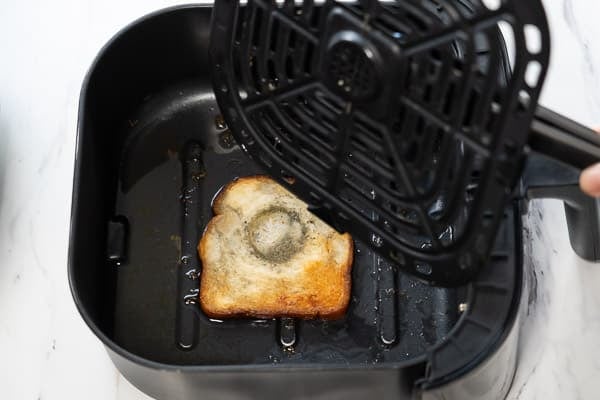
Do not add more oil than needed. Most foods need only a light coating or none at all. For fatty foods, place a small piece of bread under the basket to absorb dripping oil.
Use Lower Temperatures
Try cooking at 350°F (175°C) instead of 400°F. This reduces burning and gives you more control. Check the food often, and adjust the temperature if you see smoke.
Dry Food Well
Pat vegetables and meats dry before cooking. If using frozen foods, thaw and dry them first. This stops water from reacting with oil and heat.
Do Not Overcrowd
Cook in batches if needed. Leave space between food pieces for air to circulate. This helps avoid hot spots and burning.
Avoid Non-stick Sprays
Use a brush or paper towel to spread a small amount of oil. Avoid sprays that contain chemicals or propellants.
Check Placement
Place your air fryer on a flat, open surface. Do not put it under cabinets or near walls. Leave space for ventilation.
Use Baking Paper Or Foil (with Care)
For fatty foods, place a small piece of parchment paper or aluminum foil under the basket to catch oil. Make sure it does not block air vents.
Inspect For Damage
Check your air fryer for cracks, loose parts, or electrical issues. If you see sparks or hear strange noises, stop using it and call the manufacturer.
Clean Heating Element
Every few uses, unplug your air fryer and let it cool. Use a soft brush or cloth to clean the heating element. This prevents old oil and crumbs from burning.
Credit: airfryerworld.com
Real-life Examples And Data
Many users report smoking problems online. For example, a survey from the Air Fryer User Group found that over 40% of users experienced smoking at least once. Most cases were caused by excess oil or poor cleaning. Only 5% were due to appliance malfunction.
Let’s compare some common air fryer foods and their smoking risk:
| Food Type | Smoking Risk | Recommended Prep |
|---|---|---|
| Bacon | High | Use bread to absorb fat |
| Frozen Fries | Medium | Dry before cooking |
| Vegetables | Low | Pat dry, use little oil |
| Chicken Wings | Medium-High | Trim excess fat, use foil |
| Battered Fish | High | Cook in small batches |
Here’s a quick comparison of air fryer cleaning frequency and smoke incidents:
| Cleaning Frequency | Smoke Incidents (per month) |
|---|---|
| After every use | 0-1 |
| Once a week | 2-3 |
| Rarely | 4+ |
These examples show that simple habits—like cleaning and using less oil—make a big difference.
Common Mistakes That Cause Smoking
Many beginners make mistakes that lead to smoking. Here are two less obvious errors:
- Ignoring the heating element: Most people only clean the basket. But crumbs and oil on the heating element cause smoke and burnt smells.
- Cooking greasy foods without preparation: For bacon, wings, or sausages, always use something to absorb fat. Bread, foil, or parchment paper can help. Otherwise, the fat will burn and smoke.
Another mistake is forgetting to dry food. Water and oil together create smoke and uneven cooking.
When Is Air Fryer Smoke Dangerous?
Most air fryer smoke is not dangerous. It is usually caused by burning oil or food. But if you see thick, black smoke, sparks, or smell plastic burning, stop using the appliance immediately. These signs may mean a malfunction or electrical problem.
For regular smoke, open windows and turn on fans. Let the air fryer cool, then clean it fully. Never leave the appliance unattended while cooking.
How To Fix A Smoking Air Fryer
If your air fryer starts smoking during use, here’s what to do:
- Turn it off and unplug it.
- Open windows or turn on a fan.
- Let the air fryer cool completely.
- Remove the basket and tray. Clean them with soap and water.
- Check the heating element. Wipe away any oil or crumbs.
- Look for cracks or damage. If you find any, contact the manufacturer.
- Restart the air fryer with a small batch of food. Watch for smoke.
If smoking continues, try using lower temperatures and less oil. If the problem does not stop, consider professional repair or replacement.

Credit: www.youtube.com
Choosing The Right Air Fryer To Avoid Smoke
Some air fryers are better at handling smoke. Look for models with:
- Removable baskets for easy cleaning
- Non-stick coatings that are safe at high temperatures
- Good ventilation and strong fans
- Fat drainage systems to collect oil
Here’s a quick comparison of air fryer features:
| Feature | Benefit |
|---|---|
| Removable basket | Easy cleaning, less residue |
| Fat drainage tray | Prevents burning oil |
| Strong ventilation | Reduces overheating |
| Safe non-stick coating | No chemical smoke |
For more details on air fryer designs, you can visit Wikipedia.
Extra Tips For Smoke-free Cooking
- Try cooking fatty foods on a lower rack or use a drip tray.
- Use air fryers with a smoke reduction feature if available.
- Always check food halfway through cooking to adjust as needed.
- If you see smoke, pause cooking and check for burnt food or oil.
- Do not use air fryers for foods with too much batter or cheese.

Credit: www.youtube.com
Frequently Asked Questions
Why Does My Air Fryer Smoke Only With Certain Foods?
Some foods, like bacon or battered fish, have more fat or loose crumbs. These burn and smoke more easily. Try preparing these foods with less oil and use drip trays.
Is It Safe To Use An Air Fryer If It Smokes?
If smoke is light and caused by burning oil or food, it is usually safe. But thick black smoke or a burning plastic smell can mean a malfunction. Stop using the air fryer and check for damage.
How Do I Clean My Air Fryer To Prevent Smoke?
Wash the basket and tray after every use. Wipe the heating element and inside walls with a damp cloth. Dry fully before using again. Do not use harsh chemicals.
Can I Use Foil Or Parchment Paper In My Air Fryer?
Yes, but use only a small piece and make sure it does not block air vents. This helps catch fat and prevent burning, but always follow the manufacturer’s instructions.
What If My Air Fryer Continues To Smoke Even After Cleaning?
Check for electrical issues or damage. Try using less oil and lower temperatures. If smoking does not stop, contact the manufacturer for support or consider replacement.
Air fryers are great for healthy cooking, but smoking can be annoying and even dangerous. With careful cleaning, the right cooking methods, and good appliance care, you can enjoy crispy, delicious food without the smoke.


