Why Are Air Fryers Toxic? Unveiling the Shocking Truth
Air fryers have quickly become a favorite kitchen gadget for many people who want to cook with less oil and enjoy crispy food. These machines promise fast, easy meals with fewer calories and less mess. But as more people use air fryers daily, some questions have come up about their safety.
Are air fryers toxic? Could they harm your health over time?
This guide explores the facts behind these worries. You’ll learn where the concerns come from, what the science says, and what you should know before using or buying an air fryer. We’ll look at materials, chemicals, cooking processes, and give you practical advice on how to use air fryers safely.
Whether you already own an air fryer or are thinking about getting one, this article will help you make a smart, safe choice.
Understanding Why People Worry
The word toxic can mean many things. When people ask if air fryers are toxic, they usually have one or more of these concerns:
- Are air fryers made with harmful materials?
- Do they release dangerous chemicals during cooking?
- Is the food cooked in them less safe to eat?
- Could long-term use cause health problems?
Some of these worries come from stories online, while others are based on real scientific studies. It’s important to look at each issue carefully and not jump to conclusions.
What Are Air Fryers Made Of?
Most air fryers have a few main parts: a heating element, a fan, a cooking basket, and a plastic or metal outer case. The cooking basket is where you put your food. It’s usually made from stainless steel or non-stick coated metal.
Non-stick Coatings: Ptfe And Pfoa
Many air fryer baskets have a non-stick layer. The most common type is PTFE, better known as Teflon. This coating makes food easier to remove and cleaning simpler. However, there are concerns about PTFE and another chemical, PFOA.
- PTFE (Teflon) is generally safe at normal cooking temperatures, but if overheated (above 260°C or 500°F), it can break down and release fumes that may cause flu-like symptoms in people and are especially dangerous to birds.
- PFOA was used in the past to make Teflon but has been phased out since around 2015 in most countries. Older air fryers or cheap models may still contain traces of PFOA.
Plastics And Bpa
Some air fryers have plastic parts that touch food. The main worry here is BPA (bisphenol A), a chemical sometimes used in plastics. BPA may affect hormones and health if it leaches into hot food. Most reputable brands now avoid BPA, but not all.
Key Insight
Many people do not check if their air fryer is BPA-free or PFOA-free before buying. Always look for these labels if you want to minimize risk.
How Air Fryers Cook Food
Air fryers use rapid air circulation to cook food. A fan blows hot air around the basket, crisping the outside of food. This process is similar to convection ovens but usually faster and more intense.
High Temperatures And Food Safety
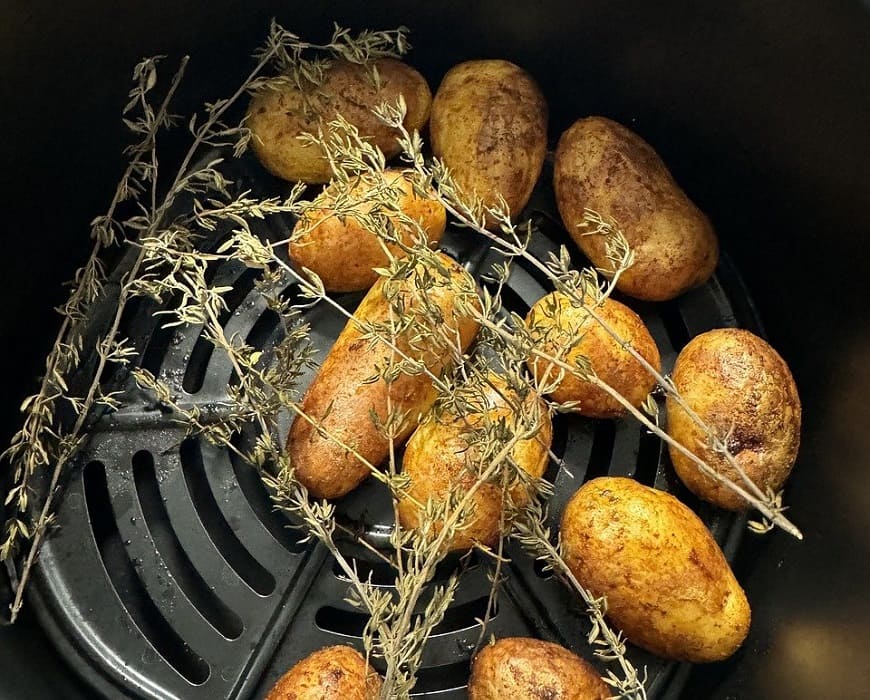
Air fryers reach high temperatures quickly. Some foods, especially starchy foods like potatoes and bread, can develop a chemical called acrylamide when cooked above 120°C (248°F). Acrylamide forms when sugars and amino acids react under high heat. It is found in:
- French fries
- Potato chips
- Toast
- Baked goods
Acrylamide is considered a probable human carcinogen by health agencies. It’s not unique to air fryers; you also find it in fried, baked, and roasted foods. However, because air fryers make it easy to crisp food, they can also encourage more acrylamide formation if you often cook starchy foods at high temperatures.
Non-obvious Insight
Cooking at slightly lower temperatures and not over-browning your food can greatly reduce acrylamide. Most people cook too hot for too long, not realizing the risk increases with time and temperature.
Chemicals Released During Cooking
Besides acrylamide, there are other chemicals to consider.
Polycyclic Aromatic Hydrocarbons (pahs) And Heterocyclic Amines (hcas)
These chemicals can form in meat when cooked at very high temperatures, especially with direct flame (like grilling). Air fryers do not use an open flame, but they can still reach high heat.
- PAHs are less likely in air fryers than in charcoal grilling.
- HCAs can still form if you cook meat at very high heat or for a long time.
Fumes From Non-stick Coatings
As mentioned before, if you accidentally overheat an empty air fryer or leave it running with no food, the non-stick coating can break down and release fumes. This is rare with normal use but can happen.
Comparing Air Fryers With Other Cooking Methods
To understand if air fryers are really more toxic, it helps to compare them with other common cooking methods. The table below shows how air fryers stack up:
| Cooking Method | Common Toxins | Risk Level |
|---|---|---|
| Air Frying | Acrylamide, HCAs (if high heat), PTFE fumes | Moderate |
| Deep Frying | Acrylamide, trans fats, oxidized oil | High |
| Baking | Acrylamide | Moderate |
| Grilling | PAHs, HCAs | High |
| Steaming/Boiling | Very few | Low |
As you can see, air fryers are not the most toxic option. In fact, they are often safer than deep frying or grilling.
Real Risks Vs. Exaggerated Fears
Many worries about air fryer toxicity are based on worst-case scenarios. For most people using their air fryer correctly, the risks are low. The main issues are:
- Using very old or poor-quality models with unsafe coatings
- Overheating the air fryer (running it empty or above the max temperature)
- Cooking starchy foods at very high temperatures for too long
- Not cleaning the basket, allowing burnt food residue to build up
Practical Tips To Stay Safe
- Buy from reputable brands and check for BPA-free and PFOA-free labels.
- Do not overheat your air fryer. Follow temperature guides and never run it empty.
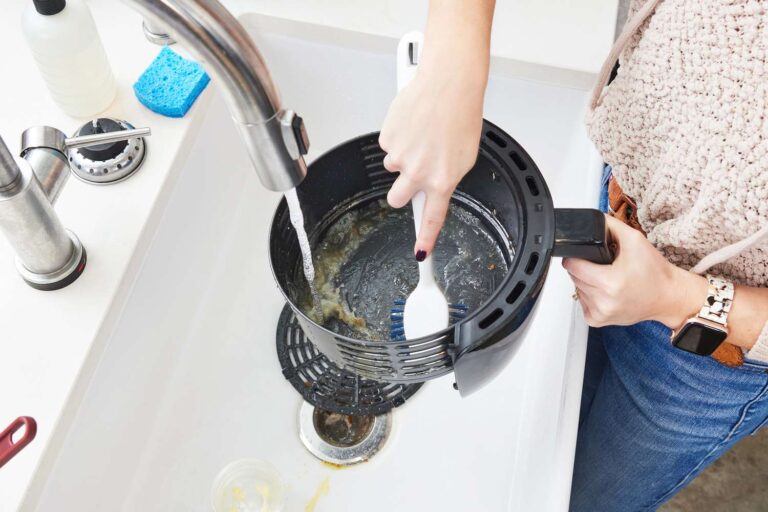
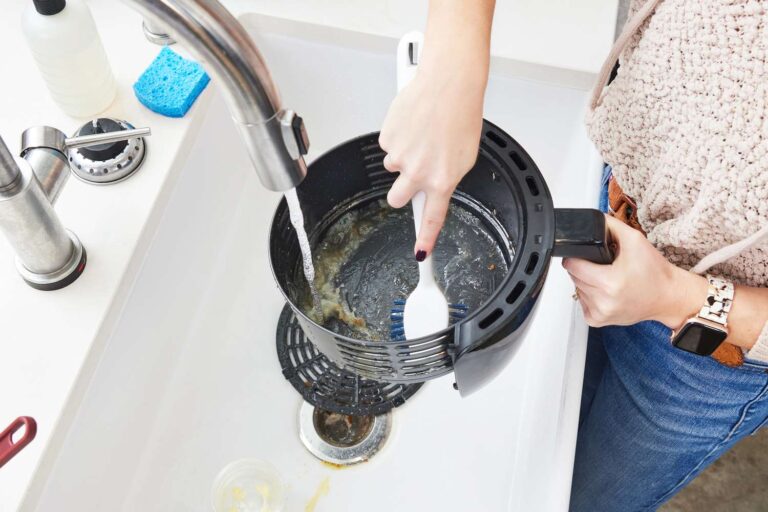
- Clean the basket after every use to avoid burnt residue.
- Do not scrape or use metal utensils on non-stick surfaces.
- Cook at lower temperatures when possible, especially for potatoes and bread.
- Replace the basket if the coating is scratched or peeling.
Non-obvious Insight
Many people use metal tools or harsh sponges, damaging the non-stick layer. Once scratched, toxins can leach out more easily. Always use soft tools and gentle cleaning.
What Research Says About Air Fryer Safety
Most scientific studies agree that the overall risk from air fryers is low when used properly. For example, a study in the Journal of Food Science found that air frying produced less acrylamide than deep frying, but more than boiling or steaming.
Another research article showed that the amount of acrylamide can be cut by up to 80% if you soak potato slices in water before air frying and cook at lower temperatures.
A 2023 review in the International Journal of Environmental Research and Public Health noted that modern air fryers with high-quality coatings pose little risk for PTFE or PFOA exposure during normal use.
Materials Comparison In Air Fryer Baskets
The type of basket in your air fryer can also affect safety. Here’s how common materials compare:
| Basket Material | Pros | Cons |
|---|---|---|
| Stainless Steel | Durable, no coating, safe at high heat | Food may stick, harder to clean |
| Non-Stick (PTFE) | Easy clean, food releases well | Can emit fumes if overheated, scratches easily |
| Ceramic Coating | No PTFE/PFOA, easy to clean | May chip over time, less durable than steel |
| Plastic | Lightweight, cheap | May contain BPA, less heat resistant |
If you want the safest option, stainless steel or ceramic-coated baskets are best, though food may stick more than with Teflon.
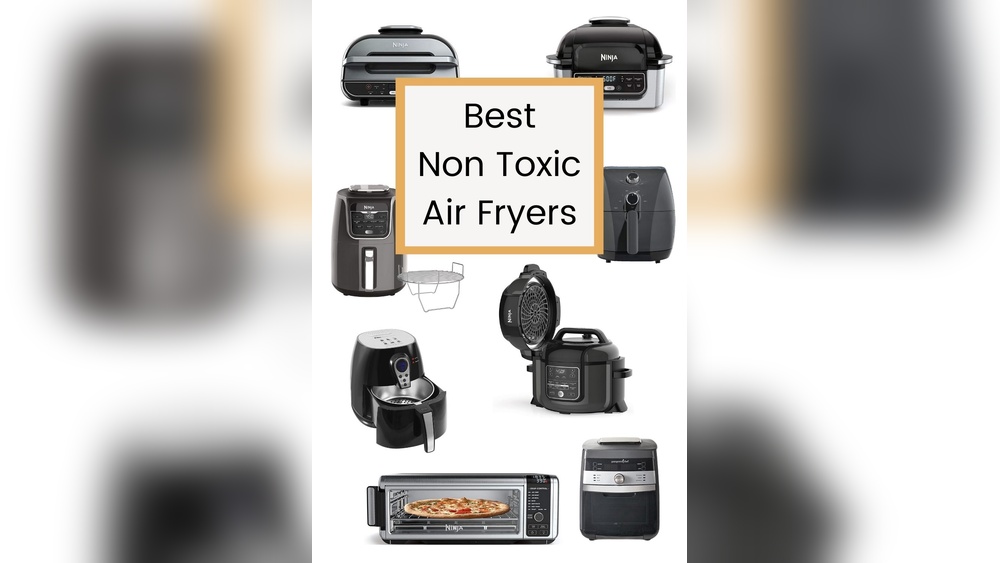
Credit: greenpan.com.au
How To Minimize Any Toxic Risk
- Choose air fryers with baskets clearly marked as BPA-free, PFOA-free, and with a safe coating.
- Do not preheat empty or leave the air fryer running with no food.
- Avoid very high heat for starchy foods. 170°C (340°F) is usually enough for crispness.
- Soak potatoes before cooking to remove some starch and lower acrylamide.
- Replace scratched baskets or those that smell like burning plastic.
Are There Safer Alternatives?
If you’re still worried, you can use other cooking methods with less risk:
- Steaming and boiling add no toxins.
- Baking at lower temperatures produces less acrylamide.
- Using oven-safe glass or stainless steel pans in your air fryer can avoid contact with non-stick surfaces.
For more on cooking safety, you can visit the National Cancer Institute.
Frequently Asked Questions
Is It Safe To Use An Air Fryer Every Day?
Yes, if you use it correctly and keep it clean. Avoid using damaged baskets and do not cook at very high temperatures daily. Mix up your cooking methods to lower overall risk.
Can Air Fryers Cause Cancer?
There is no clear evidence that air fryers directly cause cancer. However, cooking starchy foods at high temperatures can create acrylamide, a probable carcinogen. Use lower temperatures and do not overcook to reduce risk.
Do All Air Fryers Use Teflon?
Not all. Some use ceramic or stainless steel baskets. Always check the product details before buying if you want to avoid Teflon (PTFE).
What Are The Safest Air Fryer Basket Materials?
Stainless steel and ceramic-coated baskets are safest. They do not release harmful fumes if overheated and are free from PTFE and PFOA.
How Do I Know If My Air Fryer Is Bpa-free?
Check the packaging or user manual. Most reputable brands clearly label their products as BPA-free. If you can’t find this information, contact the manufacturer or choose a different model.
Using air fryers can be safe and convenient, but it’s important to know how to use them properly and pick the right model. By following simple safety steps and understanding the facts, you can enjoy crispy, tasty food without worrying about toxic risks.