How Do You Use an Air Fryer: Easy Steps for Perfect Results
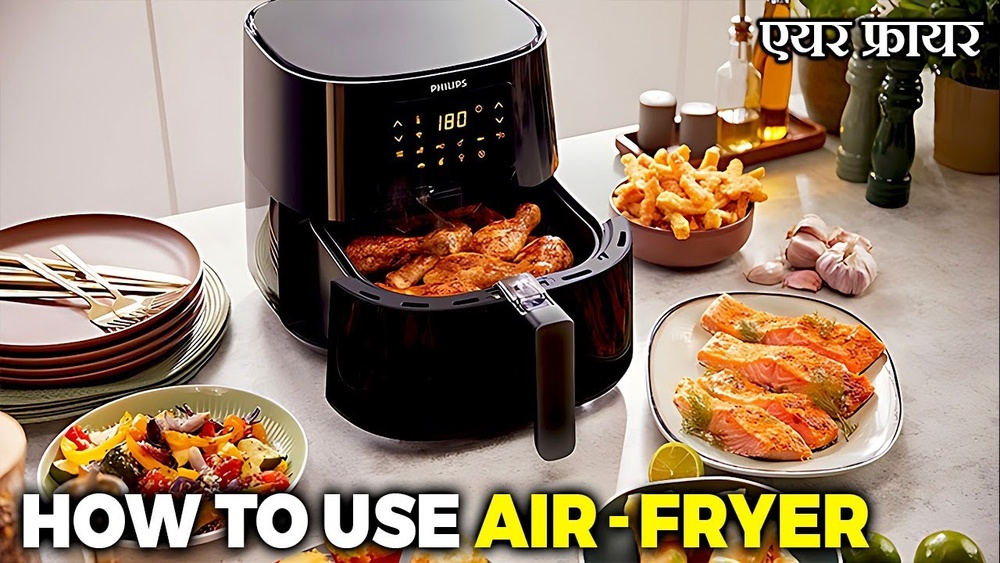
Using an air fryer can feel like a small kitchen revolution. This compact appliance promises crispy fries, juicy chicken, and even baked treats—without drowning your food in oil. If you’re new to air fryers or want to get better results, this guide will walk you through every step.
You’ll understand how air fryers work, how to set them up, and how to cook with confidence. Along the way, you’ll find practical tips, real examples, and answers to common questions people ask.
What Is An Air Fryer And How Does It Work?
An air fryer is a countertop appliance that uses hot air circulation to cook food. It creates a crisp outer layer, similar to deep frying, but with little or no oil. The main parts are a heating element and a powerful fan. When you set the time and temperature, the machine blows hot air around your food at high speed. This cooks food quickly and evenly.
Most air fryers let you:
- Bake
- Roast
- Grill
- Reheat leftovers
Some models even allow dehydrating or toasting. The technology is similar to a convection oven but in a smaller, faster package.
Getting Your Air Fryer Ready For First Use
Before you make your first batch of fries or chicken wings, you need to do a few things. These steps help remove any factory smell and ensure the best cooking results.
- Unpack and Clean: Remove all packaging and stickers. Wash the basket, tray, and pan with warm, soapy water. Dry completely.
- Check Placement: Set your air fryer on a flat, heat-resistant surface. Leave at least 5 inches of space behind and above for air circulation.
- Do a Test Run: Run the air fryer empty at 400°F (200°C) for 10 minutes. This burns off any residue from manufacturing.
- Read the Manual: Each model has unique features. Check recommended settings and safety instructions.
Many beginners skip the test run, but it prevents unwanted smells in your first meal.
Basic Steps To Use An Air Fryer
Cooking with an air fryer is simple, but a few details make a big difference. Here’s a step-by-step guide:
1. Preheat (if Needed)
Some air fryers need preheating, especially for crispier results. Preheat for 2–5 minutes at your cooking temperature.
- Prepare Your Food
- Cut food into similar sizes for even cooking.
- Pat dry with a paper towel. Moisture prevents crispiness.
- Toss with a little oil if desired (1–2 teaspoons per pound is enough).
- Season with salt, spices, or herbs.
- Arrange Food in the Basket
- Place food in a single layer. Overcrowding blocks air flow and leads to soggy results.
- For larger batches, cook in multiple rounds.
- Set Time and Temperature
- Common temperatures: 350–400°F (175–200°C).
- Use the recipe guide or manual for the right time. Most foods cook in 8–20 minutes.
- Shake or Flip Halfway
- Pause halfway through and shake the basket or flip food with tongs.
- This ensures even browning.
- Check for Doneness
- Use a food thermometer for meats (safe chicken temp: 165°F/74°C).
- Look for golden brown color and crisp texture.
- Serve and Enjoy
- Remove food carefully—it’s hot!
- Serve immediately for the crispiest texture.
Example: Air Fryer French Fries
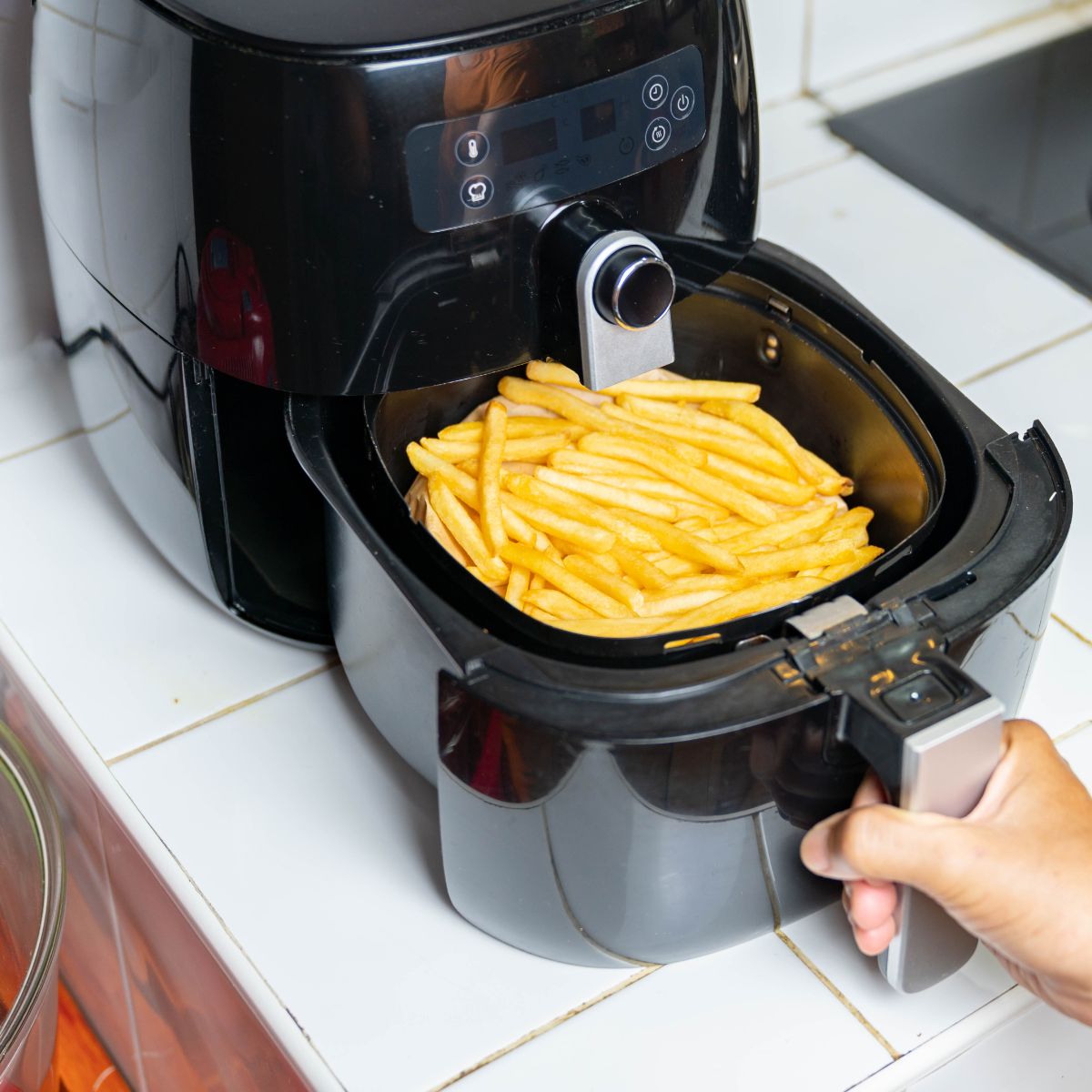
- Cut potatoes into sticks.
- Soak in water for 30 minutes, then dry.
- Toss with 1 tablespoon oil and salt.
- Air fry at 380°F (193°C) for 16–18 minutes, shaking halfway.
What Foods Can You Cook In An Air Fryer?
The list is longer than many people think. You can use an air fryer for:
- Frozen foods: Fries, nuggets, fish sticks, onion rings.
- Fresh vegetables: Broccoli, brussels sprouts, zucchini, bell peppers.
- Meats: Chicken wings, pork chops, steak, fish fillets.
- Snacks: Mozzarella sticks, samosas, spring rolls.
- Baking: Cookies, muffins, small cakes.
- Reheating: Pizza, fried foods, leftovers.
Here’s a comparison of common foods and their air fryer cooking times:
| Food | Air Fryer Temp (°F) | Cooking Time (min) | Notes |
|---|---|---|---|
| Frozen French Fries | 400 | 12-15 | Shake halfway |
| Chicken Breast | 370 | 18-22 | Flip halfway |
| Salmon Fillet | 390 | 7-10 | Check early |
| Broccoli Florets | 375 | 8-10 | Toss with oil |
| Chicken Wings | 380 | 25-28 | Flip halfway |
Tips For Best Results
Air fryers are easy, but a few expert tips can make your food even better:
1. Don’t Overcrowd
Air must move around each piece. Crowding leads to uneven cooking and soggy spots.
2. Use Oil Sparingly
Even a small amount of oil (spray or brush) helps food get crispy. Too much oil can cause smoke.
3. Shake Or Flip
Many foods need to be moved halfway through. This is especially true for fries and nuggets.
4. Check Early
Air fryers cook fast. Check food a few minutes before the recipe suggests to avoid burning.
5. Line The Basket Carefully
Parchment paper or foil can make clean-up easier. But don’t block the vents, and never use paper during preheating.
6. Try Different Foods
Don’t just make fries! Try roasted veggies, baked apples, or even reheating pizza.
Cleaning And Maintenance
Keeping your air fryer clean helps it last longer and prevents unwanted flavors. Here’s how to do it right:
- Unplug and Cool: Never clean while hot or plugged in.
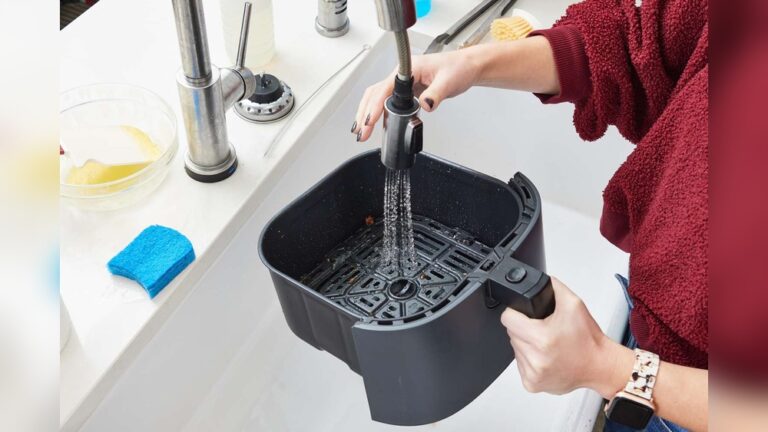
- Wash Removable Parts: Basket, tray, and pan can be washed with warm, soapy water.
- Wipe the Main Unit: Use a damp cloth. Never immerse in water.
- Remove Baked-on Grease: Soak parts if necessary, or use a soft brush.
- Check Heating Element: If you see crumbs or oil, wipe gently when cool.
Many baskets are dishwasher safe. Check your manual to be sure.
Air Fryer Vs. Other Cooking Methods
Wondering how an air fryer stacks up against an oven or deep fryer? Here’s a quick look:
| Method | Oil Needed | Cook Time | Texture | Health Impact |
|---|---|---|---|---|
| Air Fryer | 1–2 tsp | Fast | Crispy | Lower fat |
| Oven | 1–2 tbsp | Slower | Less crispy | Moderate fat |
| Deep Fryer | Cups | Fast | Very crispy | High fat |
Air fryers give you the crunch of frying with much less oil—often 70–80% less. That’s why they’re so popular with people looking to eat healthier.
Common Mistakes To Avoid
Even experienced cooks make errors with air fryers. Here are some common pitfalls:
1. Adding Too Much Food At Once
This blocks hot air and makes food soggy.
2. Skipping The Oil
Oil is key for browning and flavor, even in small amounts.
3. Not Shaking Or Flipping
Food can cook unevenly without movement.
4. Ignoring Preheating
Some recipes need a hot basket to start. If your air fryer doesn’t have a preheat setting, run it empty for a few minutes.
5. Using Wet Batter
Liquid batter (like for tempura) drips off in an air fryer. Use breaded or dry-coated foods instead.
6. Not Cleaning Regularly
Old grease causes smoke and strange flavors. Clean after each use.
One extra tip: many beginners forget that cooking times can vary by model. Start checking early until you know how your machine cooks.
Adjusting Recipes For The Air Fryer
You can convert oven recipes for your air fryer. Here’s how:
- Lower the Temperature: Reduce oven temperature by 25°F (about 15°C).
- Shorten the Time: Air fryers are faster. Cut cook time by 20–25%.
- Check Early: Look at your food a few minutes before the time is up.
For example, if your oven recipe says 400°F for 25 minutes, try 375°F for 18–20 minutes in the air fryer. Always check for doneness, especially with meats.
Choosing The Right Air Fryer
There are many models, from small 2-quart baskets to large ovens with multiple racks. Here’s a quick guide to features that matter:
| Feature | What It Means | Why It Matters |
|---|---|---|
| Basket Size | 2–10 quarts | Choose bigger for families or batch cooking |
| Control Type | Manual or digital | Digital models offer presets and timers |
| Extra Functions | Bake, dehydrate, toast | More options for creative cooking |
| Easy Cleaning | Dishwasher-safe parts | Saves time after cooking |
Don’t buy the largest size unless you really need it. Bigger machines take up more space and use more energy.
Non-obvious Insights For Better Air Frying
Most guides cover the basics, but here are two expert tips many beginners miss:
- Let food rest for 1–2 minutes after cooking. This allows moisture to settle and makes the coating even crispier.
- Try preheating the basket for delicate foods like fish or breaded items. A hot surface keeps food from sticking and gives a better crust.
Also, for breaded foods, spray lightly with oil after you put them in the basket—not before. This helps the coating brown without getting soggy.
Frequently Asked Questions
Credit: www.alsothecrumbsplease.com
How Much Oil Do I Really Need In An Air Fryer?
Most foods only need 1–2 teaspoons of oil. Some frozen foods don’t need extra oil at all. Use a spray bottle or brush for the best results.
Can I Cook Raw Meat In An Air Fryer?
Yes. You can cook chicken, steak, pork, and fish from raw. Use a food thermometer to check for safe internal temperatures (chicken: 165°F/74°C).
Is Parchment Paper Safe In The Air Fryer?
Parchment paper is safe if used correctly. Only place it under food and never during preheating, as it can blow into the heating element and burn.
Why Is My Food Not Crispy Enough?
Common reasons are overcrowding, not enough oil, or not shaking/flipping halfway. Also, some foods (like battered fish) simply don’t crisp well in an air fryer.

Credit: greenpan.com.au
Where Can I Find More Air Fryer Recipes?
You can find recipes on manufacturer websites, food blogs, and YouTube. For a large, reliable collection, visit Allrecipes’ Air Fryer section.
Air fryers are a smart way to cook tastier, healthier meals with less mess. With the right steps and a bit of practice, you’ll unlock new possibilities in your kitchen. Try new foods, clean your machine often, and adjust recipes with confidence.
The more you use your air fryer, the more you’ll discover what it can do.