How Do I Use an Air Fryer: Easy Steps for Perfect Results
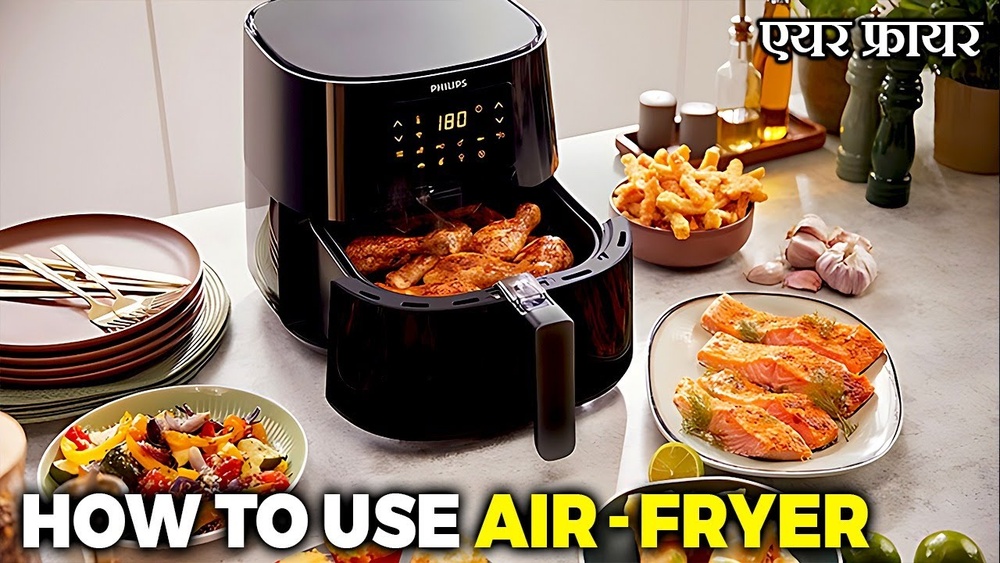
Using an air fryer can change the way you cook at home. Many people want healthier meals without giving up taste or texture. The air fryer promises crispy food with less oil and mess. But if you’re new to this kitchen tool, you might have questions: Is it safe? What can you cook? How do you clean it? This guide will help you understand how to use an air fryer from start to finish, with clear steps, practical tips, and answers to common problems. You’ll also see real examples and data, so you can cook with confidence and get the most from your air fryer.
What Is An Air Fryer And How Does It Work?
An air fryer is a countertop appliance that cooks food by circulating hot air around it. It uses a heating element and a powerful fan. The hot air makes food crisp on the outside, similar to frying, but usually with 70-80% less oil. This means you can enjoy foods like French fries, chicken wings, or spring rolls with less fat and fewer calories.
The science is simple. Food sits in a basket, and hot air moves quickly around it. This makes the surface dry and crispy while keeping the inside juicy. Air fryers come in many sizes and shapes, but most work in a similar way.
Getting Started: Setting Up Your Air Fryer
Before you use your air fryer, it’s important to read the instruction manual for your model. Still, most air fryers require similar steps:
- Find a Safe Place: Set your air fryer on a flat, heat-resistant surface. Keep it away from walls and cabinets because the machine gets hot and needs space for air circulation.
- Plug It In: Use a dedicated outlet if possible. Don’t use extension cords, as air fryers use a lot of power.
- Wash Removable Parts: Clean the basket and tray with warm, soapy water before first use. Dry them well.
- Test Run: Without food, turn the air fryer on for 2–3 minutes to burn off any manufacturing smell.
Non-obvious insight: Many users forget to do a test run, leading to unwanted smells in their first batch of food.
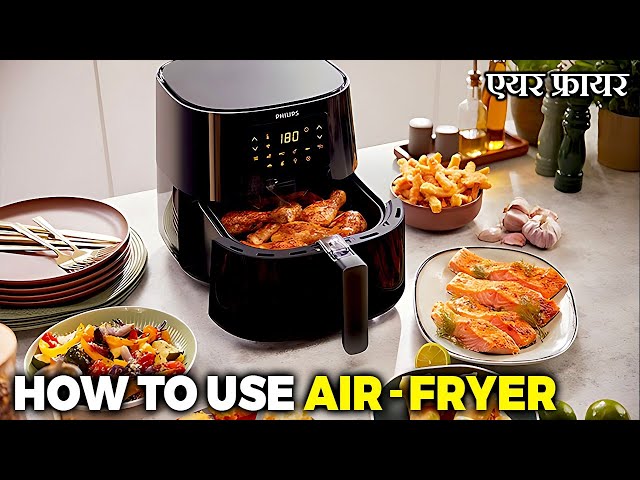
Credit: www.youtube.com
How To Use An Air Fryer: Step-by-step Guide
1. Preheat The Air Fryer (if Needed)
Some recipes ask you to preheat your air fryer. This means running it empty for 2–5 minutes at the cooking temperature. Many newer models have a preheat button, while others need you to set the timer manually.
Tip: Preheating helps with even cooking, especially for thick or frozen foods.
2. Prepare The Food
- Cut food into even sizes for even cooking.
- Dry food with a paper towel to remove extra moisture.
- Add a small amount of oil if needed. Usually, 1–2 teaspoons is enough for a basket of fries or chicken.
- Season your food before cooking for better flavor.
Practical example: Toss potato slices with a teaspoon of oil and a pinch of salt for crispy fries.
3. Arrange Food In The Basket
Place food in a single layer in the basket. Do not overcrowd. If you stack food, the hot air cannot reach all sides, and food may cook unevenly.
Common mistake: Filling the basket too full. It’s better to cook in batches for crispier results.
4. Set Time And Temperature
Use the guide in your air fryer manual or recipe. Most air fryers let you set time and temperature with dials or digital buttons.
Here are some common settings:
| Food | Temperature (°C/°F) | Time (minutes) |
|---|---|---|
| French Fries | 200/400 | 15-20 |
| Chicken Wings | 200/400 | 20-25 |
| Salmon Fillet | 180/360 | 8-10 |
| Frozen Nuggets | 200/400 | 10-12 |
5. Shake Or Flip Food During Cooking
Halfway through cooking, shake the basket or flip food with tongs. This helps food cook evenly and get crispy on all sides.
Non-obvious insight: For delicate items like fish, use a spatula to avoid breaking the food.
6. Check For Doneness
Open the basket and check food for color and crispness. For meat, use a food thermometer to ensure safe cooking (for example, chicken should be at least 75°C or 165°F inside).
If food needs more time, simply close the basket and cook for a few more minutes.
7. Serve And Enjoy
Use tongs or a spatula to remove food. Air fryers are very hot inside, so be careful not to burn your hands.
What Can You Cook In An Air Fryer?
Air fryers are versatile. You can cook many foods, including:
- Frozen foods like fries, nuggets, spring rolls
- Fresh vegetables (broccoli, cauliflower, zucchini)
- Chicken (wings, thighs, drumsticks)
- Seafood (shrimp, salmon, fish fillets)
- Meat (steak, pork chops)
- Snacks (chips, samosas)
- Desserts (cookies, small cakes)
Foods That Work Best
Air fryers are best for foods that are usually fried, baked, or roasted. Breaded or battered items get especially crispy.
Foods To Avoid
Some foods don’t work well, like wet batters (for example, tempura). Leafy greens like spinach can blow around and burn. Cheese melts and may make a mess unless breaded.
Comparing Air Fryers To Ovens And Deep Fryers
Choosing between an air fryer, oven, or deep fryer? Here’s a quick comparison:
| Appliance | Oil Needed | Cooking Time | Crispiness | Health Impact |
|---|---|---|---|---|
| Air Fryer | 1-2 tsp | 10-20 min | High | Healthiest |
| Deep Fryer | 2-4 cups | 8-15 min | Very High | High Calories |
| Oven | 1-2 tbsp | 20-40 min | Medium | Healthier |
As you can see, air fryers use much less oil and cook faster than ovens.
Air Fryer Accessories And Their Uses
Many air fryers come with or support extra accessories. Here are a few popular ones:
- Grill Pan: For grilling meats and vegetables.
- Baking Tray: For cakes, muffins, and cookies.
- Skewer Rack: For kebabs and satay.
- Pizza Pan: For small pizzas.
- Silicone Mats: For easier cleaning and less sticking.
Tip: Always check if accessories are safe for your model and can handle high temperatures.
Cleaning And Maintenance
Keeping your air fryer clean is important for food safety and good results.
Steps For Cleaning
- Unplug and Cool Down: Wait until the air fryer is cool before cleaning.
- Remove Basket and Tray: Wash with warm soapy water. Most are dishwasher safe but check your manual.
- Wipe the Interior: Use a damp cloth to clean inside the main unit. Never immerse the main unit in water.
- Clean the Heating Element: Turn the air fryer upside down and gently wipe the heating coil if needed.
- Dry Completely: Let all parts dry before reassembling.
Common Cleaning Mistakes
- Using metal scouring pads, which scratch the surface.
- Not cleaning after each use, leading to smoke and smells.
Common Problems And Solutions
Even with clear instructions, you might face some challenges. Here’s how to handle them:
| Problem | Likely Cause | Solution |
|---|---|---|
| Food not crispy | Overcrowded basket | Cook in smaller batches, shake halfway through |
| White smoke during use | Fatty foods, dirty unit | Clean after every use, trim fat from meats |
| Food unevenly cooked | No shaking/flipping | Shake or flip halfway through cooking |
| Food too dry | Too much heat/time | Lower temperature, add a little oil |
| Plastic smell | New appliance | Run empty for a few minutes before first use |
Non-obvious insight: A plastic smell is common for new units, but it should disappear after 1–2 uses.
Tips For Better Results
- Use a spray bottle for oil. This gives a light, even coating and prevents soggy spots.
- Don’t use aerosol sprays like PAM. These can damage nonstick coatings over time.
- Use parchment paper with holes. This helps with easy cleanup and airflow.
- Preheat for frozen foods. It helps crisp up the outside faster.
- Experiment with temperatures. Some foods cook better at lower temps (e.g., baked goods at 160°C/320°F).
Health And Nutrition Benefits
Air fryers are popular for health reasons. According to research, air-fried foods can have up to 75% less fat compared to deep-fried versions. For example, air-fried chicken wings may have 100–200 fewer calories per serving.
Lower fat intake can reduce the risk of heart disease and obesity. But remember, adding a lot of oil or cheese can still make air-fried food less healthy.
For more on the science of air frying, see Healthline.
Air Fryer Cooking Times: Handy Reference
Every air fryer is a bit different, but here’s a quick guide for common foods:
| Food Item | Temp (°C/°F) | Time (min) | Notes |
|---|---|---|---|
| Fries (homemade) | 200/400 | 15-20 | Shake halfway |
| Chicken Breast | 190/375 | 12-15 | Flip once |
| Shrimp | 200/400 | 6-8 | Single layer |
| Vegetables | 180/360 | 10-15 | Single layer |
| Steak | 200/400 | 7-14 | Depends on thickness |
Tip: Always check your food early the first time you try a recipe. Air fryers can cook faster than expected.
Frequently Asked Questions
How Much Oil Do I Need To Use In An Air Fryer?
Usually, 1–2 teaspoons of oil is enough for most foods. Some foods, like frozen fries, may not need any extra oil at all. Use a spray bottle for the lightest, most even coverage.
Can I Cook Frozen Foods Directly In The Air Fryer?
Yes, you can cook most frozen foods directly without thawing. Add 2–3 extra minutes compared to fresh versions and shake halfway for even cooking.
Is It Safe To Use Parchment Paper Or Foil In An Air Fryer?
Yes, but only if you keep the paper or foil weighed down with food. Do not let it touch the heating element, and always use perforated parchment for proper airflow.
Why Does My Air Fryer Make Loud Noises?
The fan inside the air fryer is strong and can be noisy. This is normal. If you hear grinding, scraping, or other unusual sounds, check for loose parts or contact customer support.
How Do I Prevent Food From Sticking To The Basket?
Lightly oil the basket with a brush or spray before adding food. Avoid using metal tools, which can scratch the nonstick surface. Silicone or wooden tools are best.
Using an air fryer can make home cooking faster, healthier, and more fun. With these steps, tips, and solutions, you can get crispy, delicious results every time. Try different recipes, keep your air fryer clean, and enjoy exploring new possibilities in your kitchen.