How Use Air Fryer: Quick Tips for Perfect Crispy Results
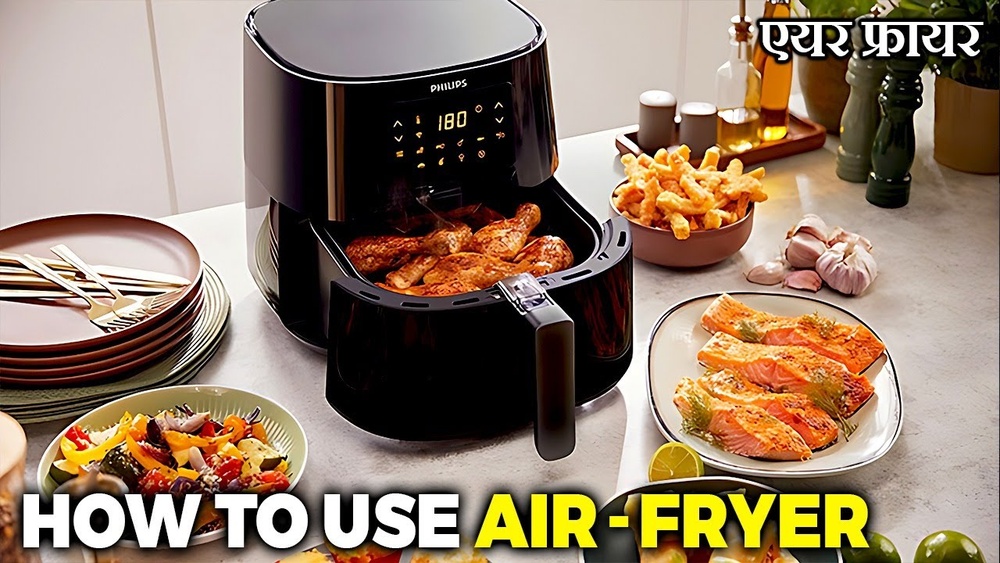
Bringing an air fryer into your kitchen can feel like discovering a secret shortcut to healthier, crispy meals. If you’ve seen all the buzz about air fryers but aren’t sure how to use one, you’re not alone. Many beginners worry about getting it right—will the food taste good?
Is it really healthier? And what do all those buttons mean? This guide will take you from opening the box to cooking your first delicious meal, step by step.
What Is An Air Fryer And Why Use One?
An air fryer is a small kitchen appliance that cooks food by circulating hot air around it. Imagine a tiny, powerful convection oven that sits on your countertop. Unlike deep frying, an air fryer uses little or no oil. This means you can enjoy favorites like French fries, chicken wings, and even baked goods with less fat.
But it’s not just about health. Air fryers are also fast and convenient. Most models preheat in minutes. There’s usually no need to watch your food closely—just set the timer and let the machine do the work.
Getting Started: Setting Up Your Air Fryer
Before your first use, read your air fryer’s manual. Each brand is a bit different, but most follow similar steps.
1. Unpack And Clean
Remove all packaging. Wash the basket and tray with warm, soapy water. Dry them well before putting them back.
2. Find The Right Spot
Place the air fryer on a flat, heat-resistant surface. Leave space around the machine for air to flow—at least 5 inches on each side.
3. Plug In And Test
Plug it into an outlet. Run the machine empty for 5 minutes at 400°F (200°C) to remove any factory smell. Let it cool before using.
Non-obvious tip: Never use your air fryer under cabinets. The hot air can damage surfaces above.
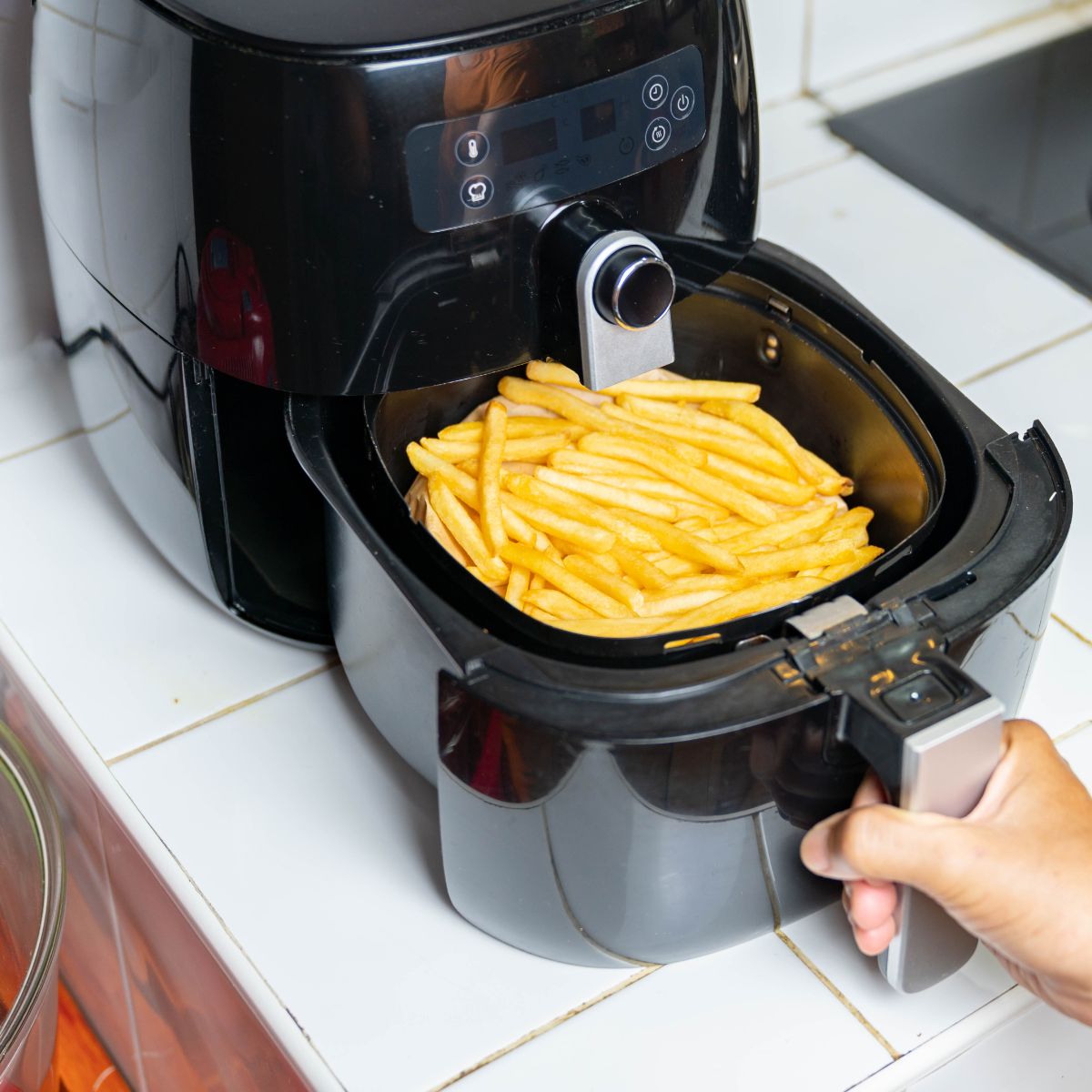
Credit: www.alsothecrumbsplease.com
Understanding Air Fryer Controls
Every air fryer has a few basic controls:
- Temperature: Usually adjustable from 180°F (80°C) to 400°F (200°C).
- Timer: Lets you set cooking time, often up to 60 minutes.
- Start/Pause: Begins or stops cooking.
- Preset Buttons: Many air fryers have buttons for fries, chicken, fish, and more.
You don’t have to use the presets. Manual settings give you more control, especially as you experiment.
Key Parts Of An Air Fryer
Here’s a simple overview:
| Part | Function |
|---|---|
| Basket | Holds food during cooking |
| Drawer/Tray | Catches drips and crumbs |
| Heating Element | Produces hot air |
| Fan | Circulates air for even cooking |
| Control Panel | Set temperature, time, and modes |
Insider advice: If your air fryer has a removable tray under the basket, always use it. It keeps food from sitting in oil and helps air flow.
Basic Steps: How To Use An Air Fryer
Using an air fryer is simple once you understand the basics. Here’s a step-by-step guide for most foods.
1. Preheat (if Needed)
Some air fryers preheat automatically; others don’t. For best results, preheat for 2–5 minutes at your cooking temperature, especially for meats or baked goods.
2. Prepare Your Food
Cut food into even pieces. Pat dry with a paper towel—moisture makes food soggy, not crispy.
3. Add Oil (optional)
Lightly coat food with 1–2 teaspoons of oil if you want it golden and crisp. Use a spray for even coverage.
4. Arrange In Basket
Place food in a single layer. Don’t overcrowd. Leave space for air to move.
5. Set Temperature And Time
Use the manual settings or a preset. Most foods cook at 350–400°F (180–200°C) for 10–25 minutes.
6. Shake Or Flip
Halfway through, pull out the basket and shake or turn the food. This ensures even browning.
7. Check For Doneness
Use a meat thermometer if needed. Food should be hot and crisp.
8. Serve And Enjoy
Let food cool a bit—it will crisp up more as it sits.
What Can You Cook In An Air Fryer?
Air fryers are versatile. Here are popular foods you can make:
- French fries and potato wedges
- Chicken wings, nuggets, tenders
- Fish fillets and shrimp
- Vegetables (broccoli, carrots, zucchini)
- Frozen foods (spring rolls, dumplings)
- Bacon and sausages
- Baked goods (muffins, cookies, small cakes)
Some air fryers can even roast nuts, toast bread, or reheat leftovers.
Cook Time Comparison: Air Fryer Vs. Oven
To show how much time you can save, here’s a quick comparison:
| Food | Air Fryer | Oven |
|---|---|---|
| Frozen Fries | 15 min at 400°F | 25 min at 425°F |
| Chicken Wings | 20 min at 375°F | 40 min at 400°F |
| Roasted Veggies | 12 min at 375°F | 25 min at 425°F |
Tips For Best Results
Air fryers are simple, but a few tricks can help your food turn out even better.
1. Don’t Overcrowd
If you put too much food in the basket, the air can’t circulate. Cook in batches if needed.
2. Use A Little Oil
No-oil recipes are possible, but a small amount makes most foods crispier and tastier.
3. Shake Or Flip
Always shake the basket or turn food halfway, especially for fries or nuggets.
4. Try Parchment Paper
Use perforated parchment paper to prevent sticking and make cleanup easier. Never block the air holes.
5. Reheat Leftovers
Air fryers reheat pizza, fries, and chicken better than a microwave—crisp instead of soggy.
6. Watch Cooking Times
Air fryers cook faster than ovens. Start with the lower end of a recipe’s time range.
Beginner mistake: Many people forget to dry their food before cooking. Wet food steams instead of crisps.
Cleaning And Maintenance
Taking care of your air fryer keeps it working well and prevents unwanted smells.
After Each Use
- Let the air fryer cool.
- Remove the basket and tray.
- Wash with warm, soapy water or place in the dishwasher (if allowed).
- Wipe the main unit with a damp cloth—never submerge it.
Weekly Or Monthly
- Check the heating element for oil or crumbs.
- Remove buildup gently with a soft brush or cloth.
Deep Cleaning
For stuck-on food, soak the basket and tray in hot water for 20 minutes. Avoid harsh scrubbers—they can damage non-stick coating.
Extra tip: Don’t let food sit in the basket after cooking. It’s harder to clean once it cools and dries.
Safety Tips
Air fryers are safe if used correctly, but always follow these rules:
- Never put paper towels or plastic inside—they can burn or melt.
- Keep the air fryer away from water.
- Don’t cover the vent.
- Use oven mitts—the basket and tray get very hot.
- Always unplug after use.
Common Mistakes And How To Avoid Them
1. Overfilling The Basket
This leads to uneven cooking and soggy food.
2. Skipping Preheating
Some models need preheating for best results, especially for baking.
3. Using Too Much Oil
Excess oil drips and can smoke. A little goes a long way.
4. Not Checking Food Early
Air fryers cook quickly. Check a few minutes before the timer ends.
5. Neglecting Cleaning
Grease buildup can cause smells or smoke.
Non-obvious insight: Foods coated with wet batter (like tempura) don’t work well in air fryers. The batter can drip and burn.
Air Fryer Accessories And Extras
Many brands offer accessories to expand what you can cook:
- Racks for cooking two layers at once
- Baking pans for cakes and muffins
- Skewers for kebabs
- Pizza pans for small pizzas
Check if your air fryer model supports these extras.
Air Fryer Vs. Deep Fryer Vs. Oven
Here’s a side-by-side look at how they compare:
| Feature | Air Fryer | Deep Fryer | Oven |
|---|---|---|---|
| Oil Needed | Little to none | 2+ cups | Little to none |
| Cook Time | Fast | Fast | Slow |
| Texture | Crispy (less oily) | Very crispy (oily) | Less crispy |
| Health | Healthiest | Least healthy | Healthy |
| Cleanup | Easy | Messy | Moderate |
Healthy Eating With An Air Fryer
Air fryers aren’t just for fries and snacks. You can use them to make lean meats, roasted vegetables, and even whole meals with less fat and calories. Studies show that air frying can reduce calories by up to 70% compared to deep frying.
For example, air-fried chicken wings have about 150 calories per serving, while deep-fried wings can have over 400 calories.
Pro tip: Try making roasted chickpeas, sweet potato fries, or salmon fillets for healthy, fast meals.
Finding Good Recipes
Once you’re confident with basic foods, explore new recipes. Many cookbooks and websites focus only on air fryer meals. Look for recipes with clear instructions and photos.
If you want trusted resources, check out the air fryer page at BBC Good Food for ideas and tips.
Frequently Asked Questions
How Much Oil Do I Need To Use In An Air Fryer?
Most recipes need only 1–2 teaspoons of oil, or none at all. For breaded or battered foods, a light spray works best. Too much oil can make food soggy.
Can I Cook Frozen Foods Directly In The Air Fryer?
Yes, you can cook frozen foods without thawing. Add 3–5 extra minutes to the usual cook time. Shake or turn halfway through for even cooking.
Is An Air Fryer Really Healthier Than Deep Frying?
Yes. Air fryers use much less oil—sometimes 80% less. This means fewer calories and less fat, but similar taste and texture.
What Foods Should I Avoid Cooking In An Air Fryer?
Avoid foods with wet batter (like tempura), large cakes, or foods with lots of cheese that can melt and drip. These can make a mess and don’t crisp well.
How Do I Prevent My Air Fryer From Smelling?
Clean the basket and tray after every use. Wipe the inside regularly. For strong smells, run the air fryer empty at 400°F (200°C) for 5 minutes with a little lemon juice in the basket.
Getting used to an air fryer is easy. With a little practice, you’ll cook healthier meals, save time, and enjoy crispy results—without all the oil. Whether you’re making quick snacks or full dinners, the air fryer is a tool you’ll reach for again and again.