How Do You Use a Air Fryer: Easy Steps for Perfect Results
Using an air fryer has changed the way many people cook at home. This modern kitchen tool promises fried food with less oil, making meals both tasty and healthier. But if you’re new to air fryers, you might feel confused about how to use them the right way.
You might wonder: What can I cook? How do I clean it? Will it really make food crispy? The good news is, once you understand the basics, using an air fryer is easy and fun. This guide will show you how to get the most out of your air fryer, step by step.
What Is An Air Fryer And How Does It Work?
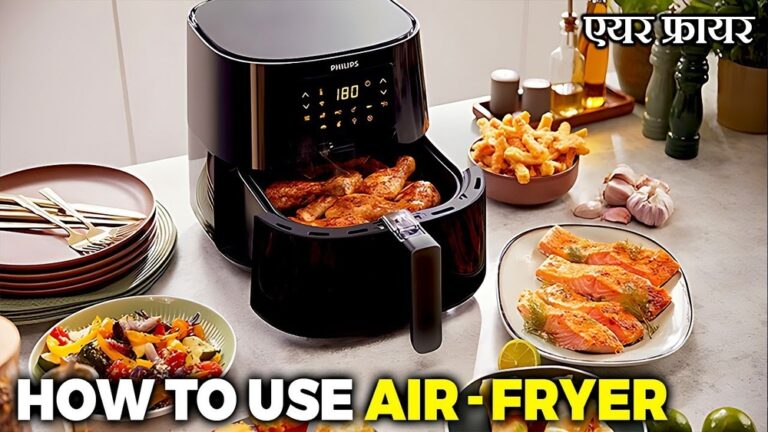
An air fryer is a small, countertop kitchen appliance. It looks a bit like a coffee maker or a toaster oven. Its main purpose is to cook food quickly using hot air and a small amount of oil—or sometimes no oil at all.
The secret is in the rapid air technology. The air fryer has a heating element and a strong fan inside. The fan blows hot air around your food at high speed. This cooks your food evenly and gives it a crispy outer layer, similar to deep frying. But instead of submerging your food in a lot of oil, you only use a light spray or a tablespoon.
Many air fryers have a basket for holding food. Some models come with trays or racks. Most have easy-to-use controls for time and temperature.
Key Benefits Of Using An Air Fryer
- Uses less oil than traditional frying—great for your health.
- Cooks food faster than a regular oven.
- Easy to clean compared to deep fryers.
- Versatile—can fry, bake, roast, and reheat.
- Energy efficient—uses less electricity than large ovens.
Getting Started: Setting Up Your Air Fryer
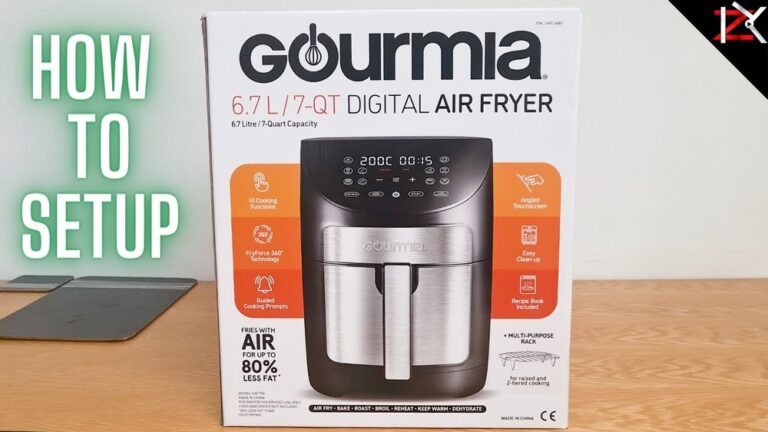
Before cooking, you need to set up your air fryer the right way. Here’s how to start:
- Choose a safe spot on your kitchen counter, away from water and heat sources.
- Plug in the air fryer and make sure the basket or tray is clean and dry.
- Read the manual. Each model is a bit different, so check for specific instructions.
Some air fryers need to be preheated before cooking, just like an oven. Preheating usually takes 2–5 minutes. Not every recipe needs preheating, but it can help make food crispier.

Credit: www.youtube.com
How To Use An Air Fryer: Step-by-step
Let’s look at the main steps for using an air fryer. These steps work for most types and recipes.
1. Prepare Your Food
Cut your ingredients into even-sized pieces. This helps them cook evenly. If you want to use oil, toss your food in a little bit—usually 1–2 teaspoons is enough. Use a spray bottle for even coverage.
2. Load The Basket
Place your food in the basket. Don’t overcrowd—leave space for air to flow. For best results, arrange food in a single layer.
3. Set Time And Temperature
Use the controls on your air fryer to set the temperature and timer. Many foods cook at 180–200°C (350–400°F). The time will depend on what you’re making—fries might need 15 minutes, while chicken wings might need 25.
4. Start Cooking
Press the start button. Some air fryers will beep when they’re ready for you to shake or flip the food. This helps everything cook evenly.
5. Check For Doneness
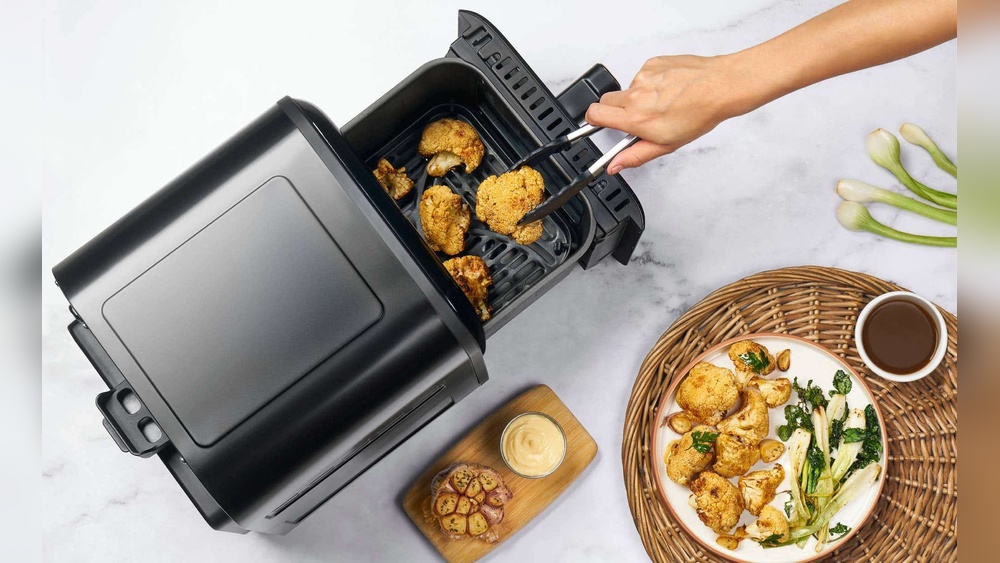
Open the basket and check if your food is golden and crispy. You can use a food thermometer for meat to make sure it’s cooked through.
6. Serve And Enjoy
Carefully remove the basket and pour out your food. Be cautious—everything will be hot!
7. Clean Up
Let the air fryer cool down. Remove the basket and tray, and wash them with warm, soapy water. Wipe down the inside with a damp cloth.
Common Foods To Cook In An Air Fryer
You can cook many foods in an air fryer. Here are some popular options:
- French fries—homemade or frozen
- Chicken wings
- Fish fillets
- Vegetables (broccoli, cauliflower, carrots)
- Shrimp
- Spring rolls
- Roasted nuts
- Reheated pizza slices
Some people even bake small cakes or muffins in their air fryer. Just use a heatproof dish that fits inside the basket.
Air Fryer Cooking Times And Temperatures
Different foods need different settings. Here’s a quick guide to help you get started:
| Food | Temperature (°C/°F) | Time (minutes) | Notes |
|---|---|---|---|
| French fries (frozen) | 200°C / 400°F | 15-20 | Shake halfway |
| Chicken wings | 200°C / 400°F | 25-30 | Flip halfway |
| Vegetables | 180°C / 360°F | 10-15 | Spray lightly with oil |
| Shrimp | 200°C / 400°F | 8-10 | Single layer |
| Steak | 200°C / 400°F | 7-14 | Depends on thickness |
These are just starting points. For best results, check your food early and adjust if needed.
Tips For Better Results
To get the most from your air fryer, try these practical tips:
- Preheat when needed—for crispier results, especially with fries and meats.
- Don’t overcrowd—air needs space to move around each piece.
- Shake or flip food—do this halfway through for even cooking.
- Use little oil—a light spray is enough. Too much oil can cause smoke.
- Dry food before cooking—pat ingredients dry with paper towels for extra crispiness.
- Choose the right accessories—use racks, pans, or skewers if your air fryer supports them.
Many beginners forget to shake or flip their food. This is a key step for getting even browning.
Another detail many people miss: not all foods need oil. For example, chicken wings have enough fat on their own. Adding extra oil can make them greasy.

Credit: greenpan.com.au
What Not To Cook In An Air Fryer
An air fryer is versatile, but not perfect for every dish. Here are some foods to avoid:
- Wet batters—liquid batters drip through the basket and make a mess.
- Cheese by itself—it melts and sticks.
- Leafy greens—they fly around and can burn.
- Large roasts—if they don’t fit well, they won’t cook evenly.
- Grains (rice, pasta)—they need water to cook, which isn’t possible in an air fryer.
If you want to cook something with a wet batter, try freezing it first to help it hold its shape.
Air Fryer Maintenance And Cleaning
Proper care keeps your air fryer working well and your food tasting great.
- Unplug and cool down before cleaning.
- Remove the basket and pan. Wash with warm, soapy water. Most parts are dishwasher safe.
- Wipe the inside with a damp cloth. Don’t use harsh chemicals.
- Clean the heating element carefully if you notice oil or crumbs.
- Check for food stuck in vents—use a brush if needed.
Regular cleaning stops food smells and smoke. If you notice a burning smell, give your air fryer a deep clean.
Air Fryer Vs. Other Cooking Methods
How does an air fryer compare with other kitchen tools? Here’s a look:
| Method | Oil Needed | Cooking Time | Texture | Health Impact |
|---|---|---|---|---|
| Air Fryer | Very little | Fast | Crispy | Lower fat |
| Oven Baking | Medium | Slower | Less crispy | Moderate |
| Deep Frying | A lot | Fast | Very crispy | High fat |
| Microwave | None | Very fast | Soft | Depends on food |
An air fryer is a good balance between speed, health, and taste.
Choosing The Right Air Fryer For Your Needs
If you’re buying an air fryer, think about these factors:
- Size—A 2-3 liter fryer is good for 1-2 people. Families may want 5 liters or more.
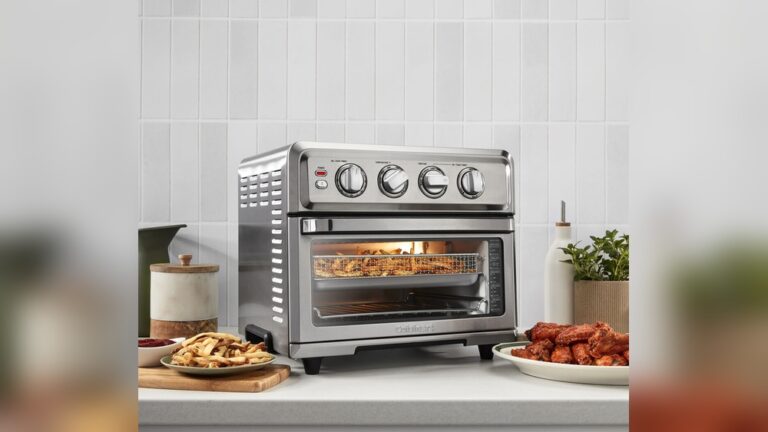
- Shape—Basket models are best for fries and nuggets. Oven-style models can fit more types of food.
- Controls—Digital displays are easier to use, but manual dials are simple and reliable.
- Accessories—Some come with racks, pans, or skewers.
- Easy to clean—Check if the basket and pan are dishwasher safe.
Many people buy too small or too large a model. Think about your usual meal size before choosing.
Air Fryer Safety Tips
Like any kitchen appliance, using your air fryer safely is important.
- Don’t touch hot surfaces—use oven mitts to remove the basket.
- Never block the air vent—let heat escape.
- Don’t use metal utensils in the basket—they can scratch the coating.
- Keep away from water—never submerge the main unit.
- Don’t cook greasy foods without cleaning—excess fat can cause smoke.
If you hear loud noises or smell burning, turn off the air fryer and check for problems.
Creative Ways To Use Your Air Fryer
Besides frying, your air fryer has many uses:
- Reheat leftovers—pizza, fries, and chicken taste fresh again.
- Roast nuts—almonds and peanuts become crunchy in minutes.
- Dehydrate fruit—make apple chips or banana slices.
- Bake small desserts—brownies, cookies, or mug cakes.
You can experiment with recipes. Just remember to adjust time and temperature, since air fryers cook faster than ovens.
Common Beginner Mistakes And How To Avoid Them
- Overcrowding the basket—prevents crispiness. Cook in batches if needed.
- Skipping the shake/flip—food may cook unevenly.
- Not checking early—air fryers cook fast. Start checking a few minutes before the end.
- Using too much oil—can cause smoke and soggy food.
- Ignoring cleaning—oil and crumbs build up quickly.
A helpful trick: If you’re not sure, start with a shorter cooking time. You can always add more, but you can’t un-burn your food.
Frequently Asked Questions
How Much Oil Do I Really Need In An Air Fryer?
Most recipes only need 1–2 teaspoons of oil, or none at all for foods with natural fat. A light spray is often enough to make food crispy.
Can I Cook Frozen Foods Directly In The Air Fryer?
Yes, you can cook frozen foods like fries, nuggets, and fish sticks without thawing. Add 2–3 minutes to the cooking time for best results.
Is Air Frying Healthier Than Deep Frying?
Air frying uses up to 80% less oil than deep frying, making it a healthier choice for many meals. But remember, what you cook still matters—a fried candy bar is still dessert!
Why Is My Food Not Crispy?
This usually happens if you overcrowd the basket, skip preheating, or don’t use enough oil. Try cooking in smaller batches and shaking the basket halfway.
Can I Use Parchment Paper Or Foil In My Air Fryer?
Yes, but only if it’s weighed down with food. Never put loose paper or foil inside—it can blow around and touch the heating element.
Cooking with an air fryer makes healthy, crispy meals easy for everyone—even beginners. Once you learn the basics and avoid common mistakes, you’ll find new ways to cook your favorite foods. For more details and creative recipes, you can visit the Wikipedia Air Fryer page.
Whether you’re reheating leftovers or making a full meal, your air fryer will quickly become a trusted tool in your kitchen. Enjoy the process, and don’t be afraid to experiment with new dishes.