How to Use Air Fryer Liners for Effortless Cooking and Cleanup
Air fryers have become a favorite appliance in many kitchens. They promise crispy food with less oil and faster cooking times. But there’s a small detail many people overlook: the liners you use in your air fryer. If you’ve ever wondered how to use air fryer liners, or why you might need them, this guide will help you understand everything. You’ll learn not only the basics but also tips that can make your cooking easier, cleaner, and safer.
What Are Air Fryer Liners?
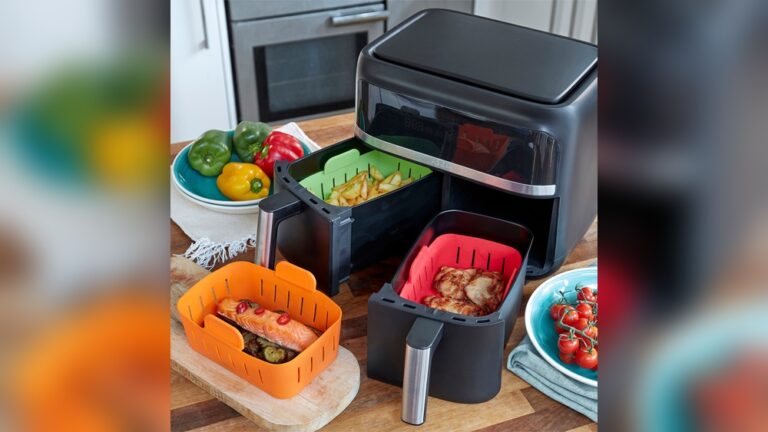
Air fryer liners are thin sheets or mats placed inside the air fryer basket before adding your food. Their main purpose is to prevent food from sticking to the basket, which makes cleaning much easier. Liners come in different materials, such as parchment paper, silicone, and even aluminum foil. Some are pre-cut to fit popular air fryer models, while others are rolls or sheets that you cut yourself.
The right liner can protect your air fryer basket, make food removal easier, and even help with even cooking. However, choosing the wrong type or using them incorrectly can block air flow or cause safety problems.
Types Of Air Fryer Liners
Choosing the right liner depends on your cooking needs and air fryer model. Here are the most common types:
| Liner Type | Material | Reusable | Heat Resistance |
|---|---|---|---|
| Parchment Paper | Paper (often with perforations) | No | Up to 428°F (220°C) |
| Silicone Mats | Food-grade silicone | Yes | Up to 450°F (232°C) |
| Aluminum Foil | Aluminum | Sometimes | Up to 1200°F (648°C) |
Parchment paper liners are the most common. They’re disposable, come with or without holes, and are safe for most recipes. Silicone liners are reusable, eco-friendly, and dishwasher-safe. Aluminum foil can be used for certain foods but is not recommended for all air fryers, as it may block air flow or react with acidic foods.
Why Use Air Fryer Liners?
Using liners offers several practical benefits:
- Easy cleanup – Liners catch drips, crumbs, and grease, so the basket needs less scrubbing.
- Protects the basket – Liners prevent scratches and wear, helping your air fryer last longer.
- Prevents sticking – Foods like fish, cheese, or battered items can stick to the basket. Liners help them lift out easily.
- Reduces smoke – Liners absorb excess grease, reducing the chance of smoke during cooking.
A less obvious benefit is that liners can help distribute heat more evenly, preventing hot spots and burning in some cases. Also, using a liner can help if you want to cook a small portion that might otherwise fall through the basket holes.
How To Use Air Fryer Liners: Step-by-step
Using air fryer liners is simple, but small mistakes can affect your results. Here’s how to do it right:
1. Choose The Right Liner
Pick a liner that fits your air fryer basket. If you use parchment paper, make sure it’s safe for high heat. For silicone, ensure it’s food-grade and labeled for air fryers.
2. Check For Holes
Most air fryer liners have holes to let hot air circulate. If you use regular parchment paper, poke several holes in it. This step is crucial—without holes, your food may cook unevenly and you could damage your air fryer.
3. Place The Liner In The Basket
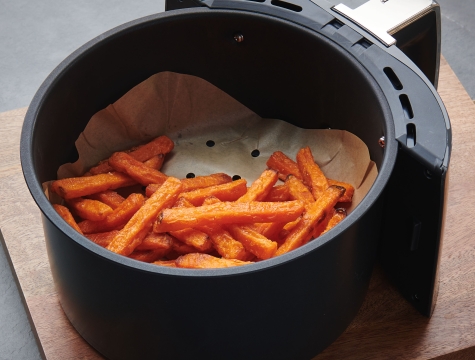
Put the liner flat in the bottom of the basket. Make sure it doesn’t rise up the sides or fold over, which can block air flow.
4. Add Food On Top
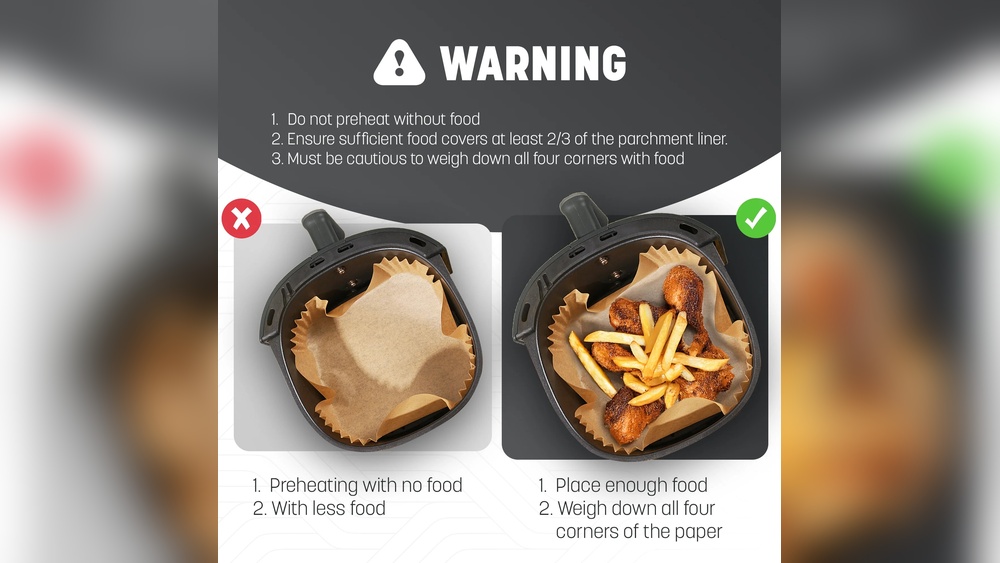
The weight of the food should hold the liner in place. Never preheat your air fryer with only the liner inside, as it could blow around and catch on the heating element (especially parchment paper).
5. Cook As Usual
Follow your recipe’s instructions. Check the food halfway through to make sure the liner hasn’t shifted.
6. Remove Carefully
Use tongs or a spatula to lift the liner and food out together. Be careful—liners and baskets can be very hot.
7. Clean Up
Throw away disposable liners. Wash silicone liners with warm soapy water or place them in the dishwasher.
Common Mistakes To Avoid
- Placing a liner in an empty air fryer during preheating (it may fly up and touch the heating element)
- Using a liner that’s too big or too small (can block air flow)
- Forgetting to poke holes in homemade parchment liners
- Reusing parchment paper liners (they’re single-use)
- Overlapping liners (prevents air circulation)
How To Cut And Prepare Your Own Liners
Not all air fryers are the same shape or size. Sometimes, pre-cut liners don’t fit. Here’s how to make your own:
- Place your basket on top of a sheet of parchment paper or foil.
- Trace around the bottom with a pencil.
- Cut out the circle or square slightly smaller than your tracing, so it fits flat.
- Fold the paper in half, then in half again, and snip small holes in the folded edges. When you open it, there will be holes for air flow.
This simple method works for both round and square baskets.
Comparing Store-bought Vs. Homemade Liners
Which is better—buying ready-made liners or making your own? Here’s a quick comparison:
| Feature | Store-Bought Liners | Homemade Liners |
|---|---|---|
| Convenience | Very high | Medium |
| Fit | Usually perfect for popular models | Customizable for any size |
| Cost | More expensive over time | Cheaper |
| Air Flow | Pre-cut holes | You must add holes yourself |
Store-bought liners save time but cost more. Homemade liners take a few minutes to prepare but are flexible and budget-friendly.

Credit: www.kimecopak.ca
When Not To Use Air Fryer Liners
While liners are helpful, they’re not always necessary or safe. Avoid them in these cases:
- Cooking at very high temperatures. Some parchment paper burns above 428°F (220°C). Always check the package.
- If your air fryer manufacturer warns against liners. Some brands recommend using only their accessories.
- Cooking foods that need direct contact. Some recipes (like those needing a crispy bottom) work better without liners.
- When making liquids or batters. Liners can’t hold soup, thin batters, or custards—they’ll leak and make a mess.
Unique Tips Most Beginners Miss
- Don’t use wax paper as a liner. Wax paper is not heat-resistant and will melt or catch fire. Only use parchment paper or silicone.
- Layering is risky. Never use multiple liners at once or layer food so thickly that air can’t move. The air fryer works by circulating hot air, so blocking it leads to uneven cooking.
- For sticky foods, lightly oil the liner. Even parchment paper can stick to very wet or sugary foods. A quick spray of oil can help.
Cleaning And Reusing Liners
Disposable liners should be tossed after one use, but silicone liners can last for hundreds of cycles. To clean silicone:
- Wash by hand with soap and hot water.
- For tough grease, soak in warm water with a little baking soda.
- Most silicone liners are safe in the dishwasher—just check the label.
Let silicone mats dry completely before using them again. This prevents mold and keeps them in good condition.
Are Air Fryer Liners Safe?
Safety depends on using the right material and following instructions. Parchment paper liners are safe for most air fryers and recipes, as long as you don’t exceed the temperature limit. Silicone mats should be labeled as “food-safe” and “BPA-free.” Avoid any liner with plastic or non-food coatings.
Never let a liner touch the heating element, and always use liners with holes for air circulation. If you use aluminum foil, do not use it with acidic foods like tomatoes or citrus, as it may react and affect the taste.
For more safety tips and official guidelines, you can check the USDA Food Safety site.
Choosing The Best Air Fryer Liner For Your Needs
Here’s how to decide:
- If you want easy cleanup and no mess, parchment paper is simple and disposable.
- For eco-friendly kitchens, silicone liners are reusable and long-lasting.
- If you need a custom fit, cut your own from parchment or foil.
- For foods with lots of sauce or cheese, use a liner with a higher edge to catch drips.
Always match the liner to your air fryer’s size and shape. If you’re unsure, measure your basket before ordering.
Air Fryer Liner Myths And Realities
Many people believe that using a liner will always make food crispier or healthier. In truth, liners mostly help with cleanup and food release, not with changing the taste or nutrition. Some think foil is always unsafe, but when used correctly, it’s fine for most non-acidic foods. Another myth is that liners are required—many recipes don’t need them at all.
Credit: www.reynoldsbrands.com
Frequently Asked Questions
Can I Use Regular Parchment Paper In My Air Fryer?
Yes, you can use regular parchment paper, but you must cut it to size and poke holes for air flow. Never use wax paper—it’s not safe at high temperatures.
Are Silicone Liners Better Than Parchment Paper Liners?
Silicone liners are reusable and eco-friendly, but they can cost more. Parchment paper liners are single-use and easy to throw away. Both work well; it depends on your preference and budget.
Will Liners Make Food Less Crispy?
If used correctly, liners do not make food soggy or less crispy. The key is to use liners with holes for air circulation and not overload the basket.
Is It Safe To Use Aluminum Foil As A Liner?
Aluminum foil is safe for most foods, but avoid using it with acidic ingredients. Always make sure it does not block air flow or touch the heating element.
Do I Need To Preheat My Air Fryer With The Liner Inside?
No, do not preheat with just the liner. The air flow can lift lightweight liners onto the heating element, which is a fire risk. Only add the liner when you add food.
Final Thoughts
Using air fryer liners is a smart way to make cleanup easier and protect your appliance. The right liner can save time, prevent sticking, and even help your food cook more evenly. Remember to choose the correct size, material, and always ensure good air flow.
Avoid common mistakes like skipping the air holes or preheating with an empty liner. With these tips, you’ll get the most out of your air fryer and enjoy hassle-free cooking every time.