How To Choose An Air Fryer: Best Buyer’s Guide
Choose an air fryer by matching size, power, and features to your cooking style.
I’ve tested many models and helped friends pick the right unit. This guide on how to choose an air fryer walks you through clear steps. You will learn the key specs, real use tips, mistakes to avoid, and how to match a model to your kitchen and habits. Read on to make a choice you’ll be happy with for years.

Understanding what an air fryer is and why it matters
An air fryer is a counter-top oven that cooks with hot air. It uses rapid air circulation and a heating element to brown food. It can crisp foods like fries with less oil. People choose air fryers to save time, reduce oil use, and simplify cleanup.
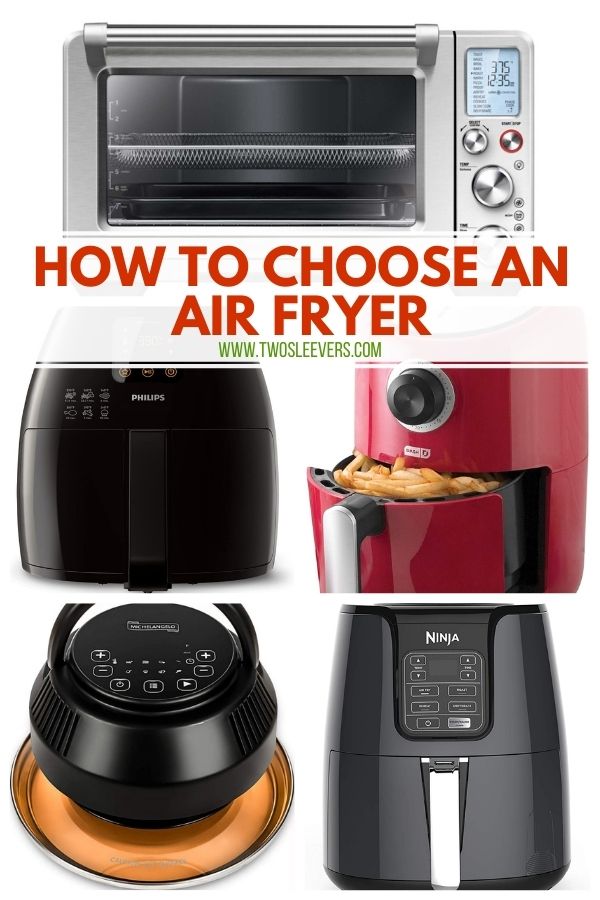
Air fryers come in two main styles. One is the basket-type that holds food in a pull-out drawer. The other is an oven-style with racks like a mini convection oven. Each style affects capacity, cooking method, and cleanup.
Knowing what an air fryer does helps when you decide. Think about texture, speed, and how often you will use it. This helps narrow your choices and avoid regret.
Source: twosleevers.com
Key factors to consider when deciding how to choose an air fryer
Below are the most important things to check when you decide how to choose an air fryer. I explain each point and why it matters.
Capacity and size
- Pick size by household. 2 to 3-quart units suit singles or couples.
- 4 to 6-quart models work for families of three to four.
- 8+ quart or multiple-rack ovens are best for larger groups or batch cooking.
Consider counter space. Measure the spot where you will keep it. Remember clearance for airflow and the door.
Power and temperature range
- Typical power ranges from 800 to 1800 watts.
- Higher wattage heats faster and controls temperature better.
- Look for 350°F to 400°F max for browning and crisping.
If your kitchen has limited outlets, check wattage. Higher-watt units can trip weak circuits.
Cooking modes and presets
- Basic models offer time and temp only.
- Advanced units include presets for fries, poultry, baking, and dehydrating.
- Versatile presets save time but should be easy to modify.
Presets help beginners. Experienced cooks may prefer manual controls.
Basket vs oven style
- Basket style is compact and fast for single trays.
- Oven style fits multiple racks and larger foods like whole chickens.
- Basket units often fry faster; ovens give more even multi-rack cooking.
I prefer a mid-size oven-style when I host. For daily quick meals, a basket model works great.
Build quality and materials
- Stainless steel and ceramic-coated baskets resist wear.
- Cheap nonstick coatings can peel over time.
- Solid handles and a sturdy latch add safety.
A well-built unit lasts longer. I replaced a flimsy unit after two years. Investing a bit more saved hassle later.
Ease of cleaning
- Removable, dishwasher-safe parts cut cleanup time.
- Smooth interiors and crumb trays reduce stuck-on grease.
- Avoid models with many small crevices.
If you hate scrubbing, pick a model with few parts and nonstick surfaces.
Safety features
- Auto shut-off and cool-touch exteriors reduce risk.
- Overheat protection helps on long cooks.
- A locked drawer prevents accidental opening during use.
Safety matters when kids are around. Check child-lock and certification marks for peace of mind.
Accessories and extras
- Common extras are racks, baking pans, rotisserie kits, and pizza stones.
- Think about what you will actually use.
- Extra accessories can add value but raise cost.
I found included racks useful for multi-layer cooking. But avoid paying for things you won’t use.
Brand, warranty, and support
- Choose brands with good reviews and clear warranty terms.
- 1 to 3 years is a common warranty range.
- Look for responsive customer service and easy parts availability.
A reliable warranty saved me when a heating element failed. Quick service meant less downtime.
.png?v=1768625629860&options=w_870,h_700)
Source: greenpan.us
How to choose an air fryer based on your cooking needs
Match the air fryer to how you cook. This step is where many buyers make the best choice.
If you cook for one or two
- Choose a 2 to 3-quart basket.
- Prioritize speed and compactness.
Small units heat fast and fit small counters.
If you cook for a family
- Pick 5 to 8-quart capacity or an oven-style model.
- Look for multi-rack capability and even heat.
Bigger units let you batch cook and save time.
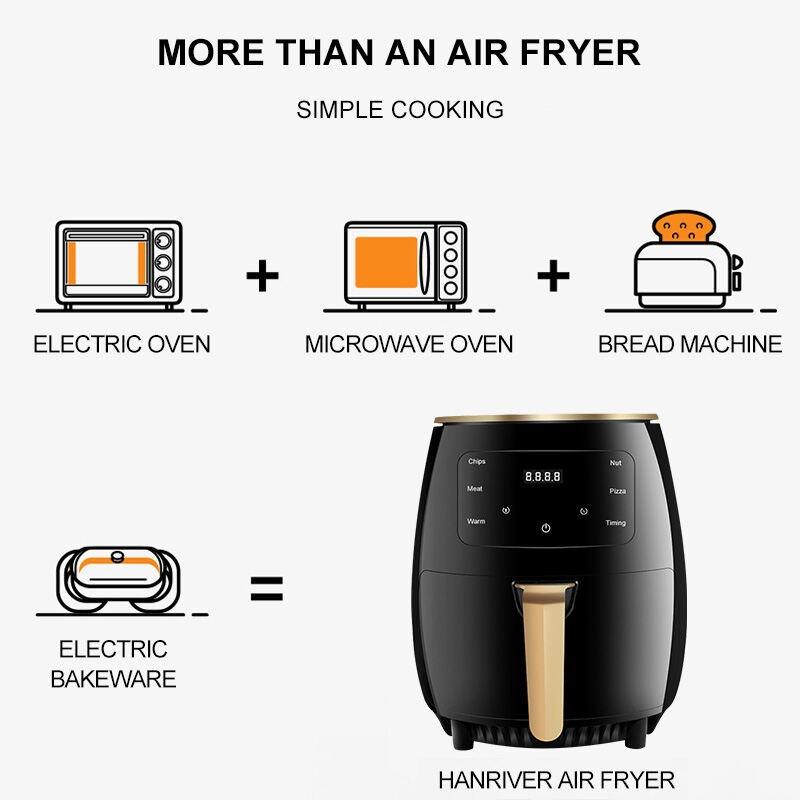
If you want to replace your oven
- Choose a countertop oven-style air fryer with digital controls.
- Ensure it has consistent heat at multiple racks.
These can roast, bake, and broil in addition to air frying.
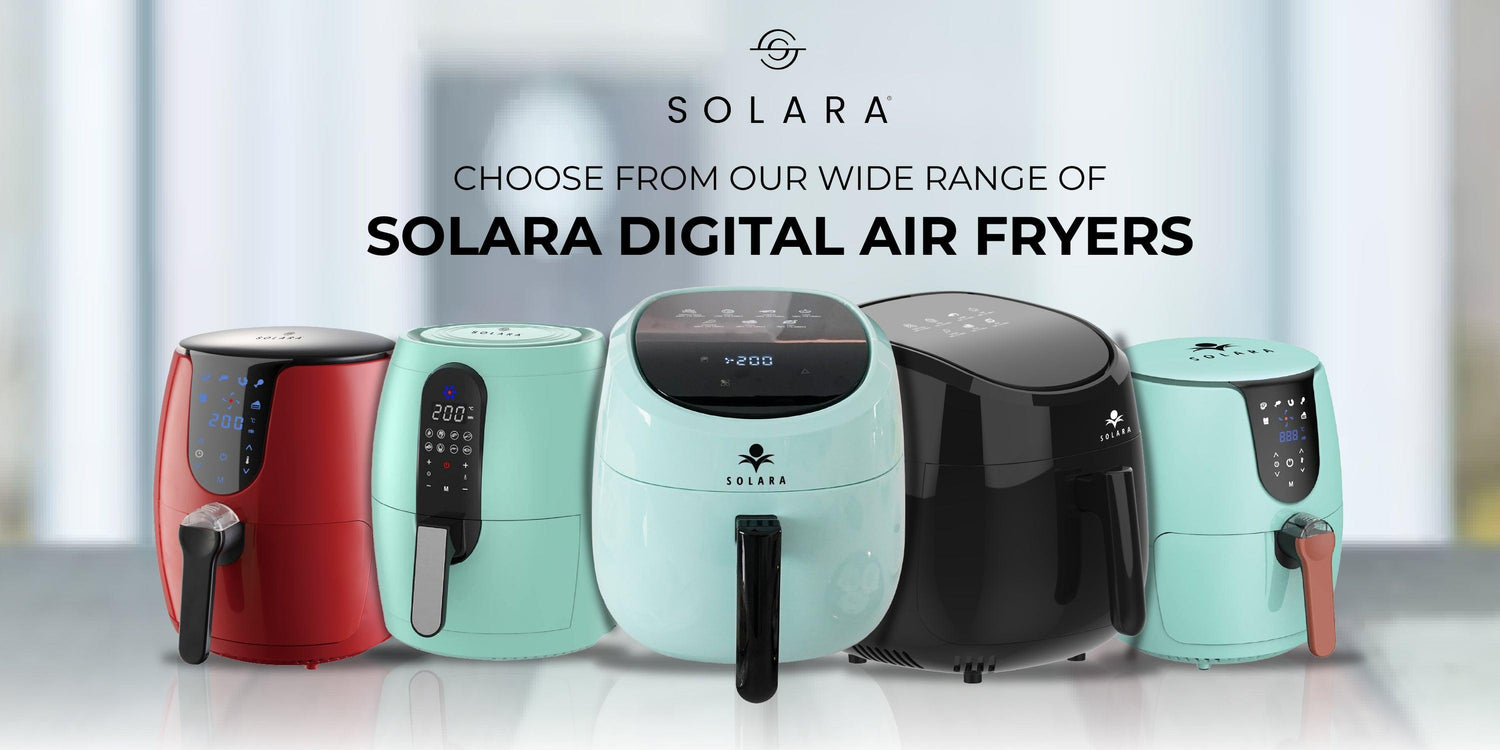
If you like gadgets and presets
- Choose a smart unit with app control and many presets.
- Make sure the interface is intuitive.
Smart features are handy but not essential. I use them for saved presets on busy nights.
Source: solara.in
Practical tips, conversions, and recipe adjustments
Air frying is similar to convection baking. Use these tips to get consistent results.
- Reduce oven recipes by about 20% in time and lower temperature by 25°F.
- Spray a light coat of oil on foods for better browning.
- Don’t overcrowd the basket; air needs to circulate.
- Shake or flip foods halfway to crisp evenly.
- Use a thermometer for proteins to ensure safe cooking.
I learned that frozen fries crisp best when you preheat and avoid adding oil. Small adjustments change results a lot.

Source: youtube.com
Common mistakes to avoid when choosing an air fryer
Avoid these pitfalls when learning how to choose an air fryer. They save money and frustration.
- Buying based on price alone. A low-cost unit may lack durability.
- Choosing too small a capacity for family needs.
- Ignoring wattage and assuming all models run the same.
- Overlooking cleanup complexity and small parts.
- Expecting it to fully replace a traditional oven for every recipe.
I once bought the smallest unit for a small kitchen. It was too small for batch meals and I upgraded quickly.
Maintenance and care to extend lifespan
Keep your air fryer working well with simple care steps.
- Clean the basket and tray after every use to avoid buildup.
- Wipe the interior with a soft cloth and mild soap.
- Replace nonstick baskets when coating shows wear.
- Check the plug and cord for damage yearly.
Regular care prevents odors and helps the unit run efficiently. This is an easy habit that pays off.
Source: alibaba.com
Budgeting and shopping strategy
Follow a simple plan when shopping. It helps you compare models clearly.
- Set a realistic budget based on capacity and features you need.
- Narrow to three models that meet your criteria.
- Read reviews with attention to long-term performance.
- Check warranty and return policies.
- Buy from a retailer with a clear return window.
I often test top picks for a week. Short testing reveals noise, heat, and ease-of-use issues that specs don’t show.
Frequently Asked Questions of how to choose an air fryer
What size air fryer should I buy for a family of four?
A 5 to 8-quart model or an oven-style unit usually fits a family of four. Choose one with multi-rack cooking if you often cook whole meals.
Can an air fryer replace my oven?
An air fryer can replace some oven tasks like roasting and baking small items. It won’t fully replace a full-size oven for very large dishes.
How important is wattage when choosing an air fryer?
Wattage affects heat-up time and temperature stability. Higher wattage gives faster, more consistent cooking but needs a stronger outlet.
Do I need to preheat an air fryer?
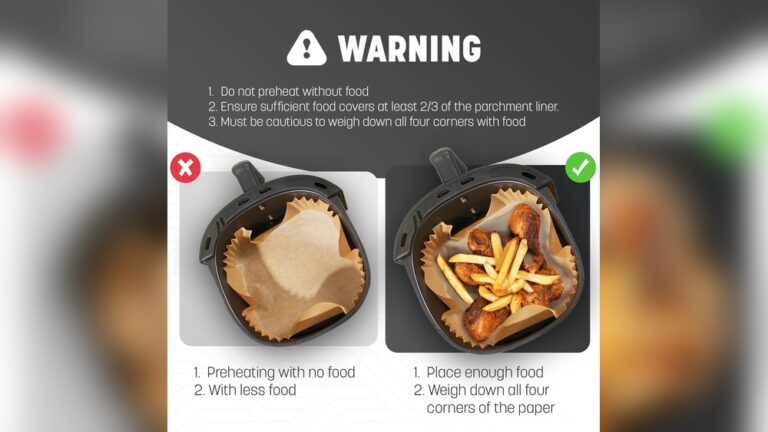
Preheating helps crisp and shortens cook time for many foods. Some recipes work without preheating, but it is usually recommended.
Are all air fryer baskets dishwasher-safe?
Not all are dishwasher-safe. Check the manual. Many have dishwasher-safe baskets, but some coatings are best washed by hand.
How much oil does an air fryer need?
Most air fryer recipes use a tablespoon or less of oil. Spraying or brushing light oil gives crisping without deep-frying.
Conclusion
Choosing the right air fryer comes down to matching capacity, power, and features to your cooking habits. Think about space, how many people you cook for, and how often you will use it. Use the tips here to avoid common mistakes and pick a model that lasts.
Take action now: measure your counter, list must-have features, and narrow your choices to three models. Try one and test basic recipes for a week. If you liked this guide, leave a comment or subscribe for more kitchen gear advice.