How to Season Your Blackstone Griddle for the First Time: Ultimate Guide
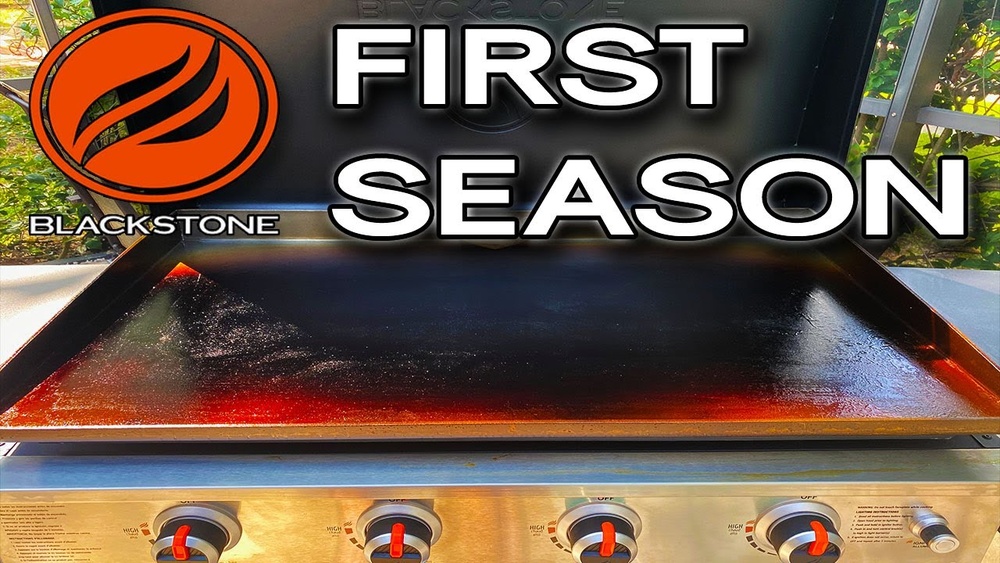
You’ve just unboxed your Blackstone griddle, and it’s ready to become your new favorite cooking companion. But before you fire it up for your first meal, there’s one crucial step you can’t skip: seasoning your griddle.
Seasoning creates a natural, non-stick surface that not only protects your griddle from rust but also makes cooking easier and cleanup faster. If you want your Blackstone to perform at its best and last for years, knowing exactly how to season it the right way is key.
In this guide, you’ll learn simple, step-by-step instructions to get your griddle perfectly seasoned the first time — so you can start cooking delicious meals with confidence. Let’s dive in and give your Blackstone the best start possible!
Credit: www.thegrillcoach.com
Preparing Your Griddle
Preparing your Blackstone griddle before seasoning is a crucial step. This process ensures the cooking surface is clean and ready to absorb the oil. Proper preparation helps build a strong, non-stick layer that improves with each use.
Start with cleaning the surface carefully. Removing any residues from the factory is next. Finally, dry your griddle well to prevent rust and ensure even seasoning.
Cleaning The Surface
Use warm water and a mild dish soap to clean the griddle. Avoid harsh chemicals or abrasive scrubbers that can damage the surface. Gently scrub with a soft sponge or cloth to remove dust and dirt.
Rinse the surface thoroughly to remove all soap. This step is important to avoid flavors affecting your food later. Cleaning also removes oils used during manufacturing.
Removing Factory Residue
Factory residue can include oils or coatings to protect the griddle. Heat the griddle on medium for 10 to 15 minutes. This will help loosen the residue.
Use a scraper or metal spatula to remove any sticky or shiny spots. Repeat heating and scraping until the surface looks dull and clean. This ensures the seasoning oil will stick well.
Drying Your Griddle
After cleaning and removing residue, dry the griddle completely. Use a clean towel or paper towels to wipe the surface. Any moisture left can cause rust or uneven seasoning.
Turn on the griddle on low heat for 5 minutes to evaporate remaining moisture. Your griddle is now ready for the first seasoning coat.
Choosing The Right Oil
Choosing the right oil is key to seasoning your Blackstone griddle properly. The oil creates a protective layer that prevents rust and builds a smooth, non-stick surface. Picking an oil with a high smoke point helps the seasoning last longer and resists burning during cooking. The right oil also polymerizes well, forming a strong, durable coating. Avoid oils that smoke too soon or leave sticky residues. This guide explains which oils work best and which to avoid for your first seasoning.
High Smoke Point Oils
Oils with a high smoke point withstand heat without burning quickly. These oils create a strong, hard layer on the griddle. They help the seasoning process by forming a smooth, even surface. Using a high smoke point oil means less smoke and a better cooking experience. Examples include avocado oil, grapeseed oil, and canola oil. These oils are stable and create a lasting non-stick coating.
Recommended Oils
Avocado oil is a popular choice due to its very high smoke point and neutral flavor. Grapeseed oil works well and is easy to find. Canola and vegetable oils are affordable and effective for seasoning. Blackstone also offers a special seasoning and conditioner blend designed for their griddles. These oils polymerize well, producing a durable layer. Use a thin, even coat to protect your griddle and improve cooking results.
Oils To Avoid
Avoid oils with low smoke points like olive oil and butter. These oils burn quickly and leave a sticky, uneven surface. They do not form a strong protective layer. Flaxseed oil is also not recommended because it can flake off after heating. Stay away from oils that have strong flavors or additives. Pure, simple oils with high smoke points give the best seasoning results for your Blackstone griddle.
Seasoning Process Steps
Seasoning your Blackstone griddle for the first time is essential. It creates a natural non-stick surface. This process protects the griddle from rust. Follow these simple steps to season your griddle properly. Each step builds a strong, lasting coating.
Applying Oil Evenly
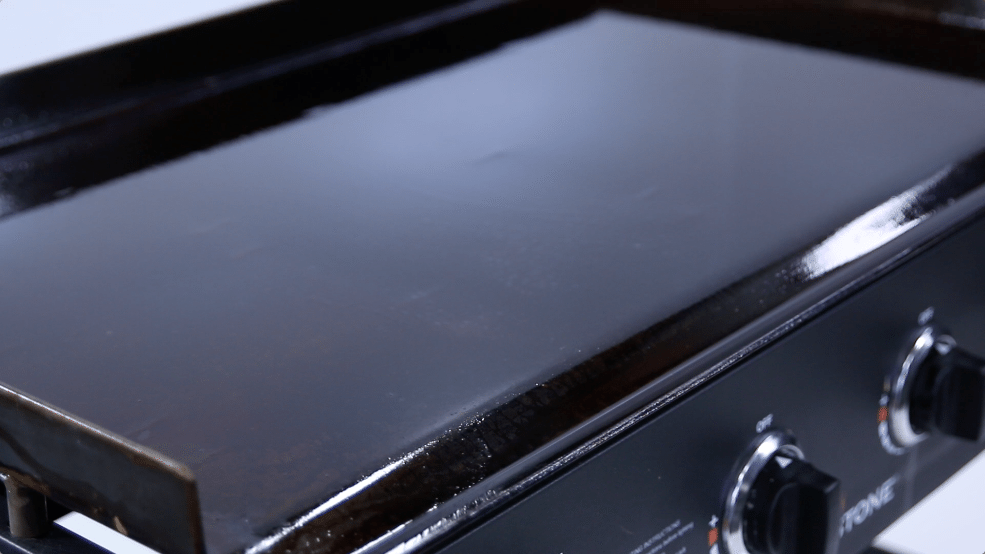
Start with a clean, dry griddle surface. Use a paper towel or cloth to spread oil thinly. Cover the entire cooking surface, including edges and sides. Choose oils with high smoke points like avocado or canola oil. Avoid thick layers; thin, even coats work best. Ensure no pools of oil remain on the griddle.
Heating The Griddle
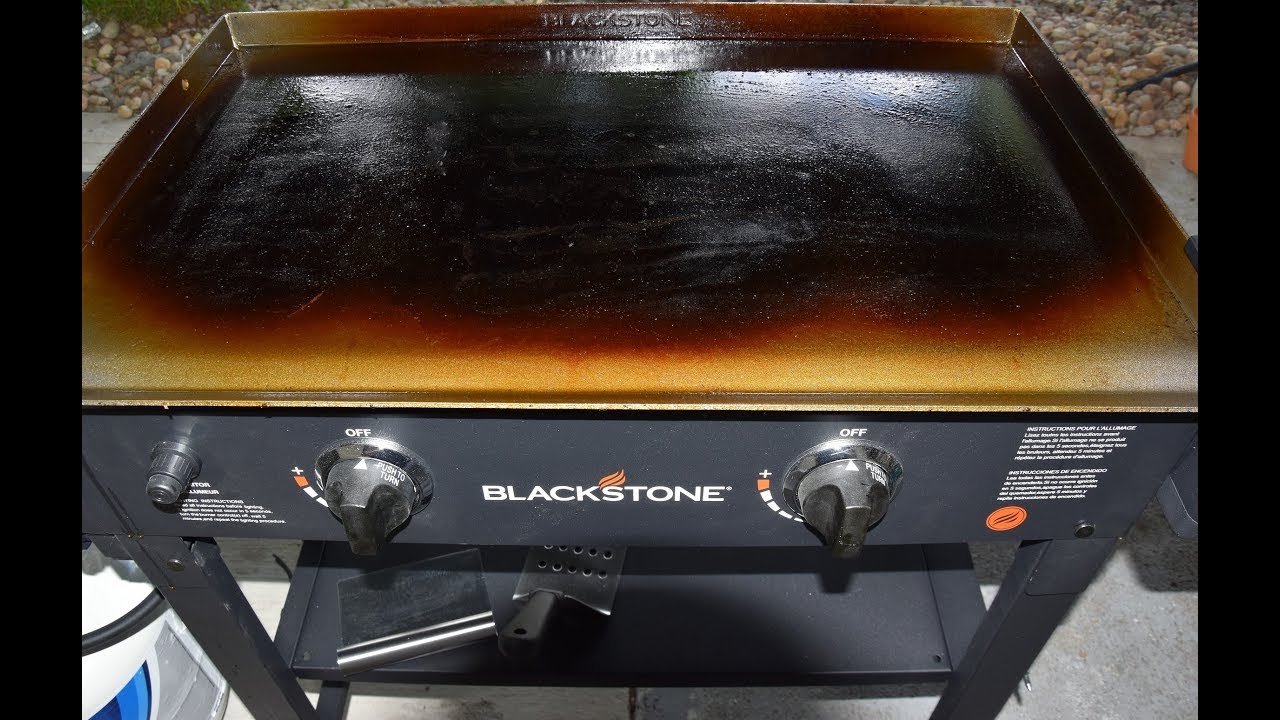
Turn on your griddle to medium-high heat. Let the oil heat until it starts to smoke lightly. This step helps the oil bond with the metal surface. The smoke means the oil is polymerizing, forming a hard, protective layer. Heat evenly across the surface for 20 to 30 minutes. Turn off the heat and let the griddle cool naturally.
Repeating The Seasoning Layers
Repeat the oil application and heating steps 2 to 3 times. Each layer adds strength to the seasoning. The more layers, the better the non-stick surface. Allow the griddle to cool between each coat. Avoid rushing this process for the best results. After the final layer, your griddle is ready for cooking.
Credit: www.excelcare24.co.uk
Seasoning The Entire Griddle
Seasoning the entire Blackstone griddle is essential for lasting performance. This step creates a protective, non-stick layer. It also prevents rust and improves cooking results. Cover every part of the griddle, not just the main cooking surface. This includes the sides, edges, and exterior. A well-seasoned griddle stays durable and looks great for years.
Coating The Cooking Surface
Start by heating the griddle on medium heat. Use a cloth or paper towel to spread a thin layer of oil. Choose oils with a high smoke point like avocado or canola oil. Rub the oil evenly across the entire cooking surface. Avoid thick layers; thin coats work best. Allow the oil to heat until it smokes lightly. This process helps the oil bond to the metal. Repeat the oil application and heating two to three times. This builds a strong, smooth seasoning layer for better cooking.
Seasoning The Sides And Edges
Do not forget the sides and edges of the griddle plate. These areas can rust if left unprotected. Use the same oil and cloth to coat all metal parts around the cooking surface. Apply a thin layer and wipe off any excess. Heat the griddle briefly to help the oil set. This step adds a shield against moisture and wear. It also keeps the griddle looking new and clean. Regularly check these areas and re-season if needed.
Protecting The Exterior
The exterior frame needs care to avoid rust and damage. Clean the outer parts thoroughly before oiling. Use a soft cloth and a light coat of oil on the metal surfaces. Avoid applying oil on painted or plastic parts. This light coating repels moisture and dust. It also maintains the griddle’s appearance over time. Keep your Blackstone griddle covered when not in use to protect the seasoning and exterior.
Maintaining Seasoned Surface
Maintaining the seasoned surface of your Blackstone griddle keeps it cooking smoothly and protects it from damage. A well-cared-for surface stays non-stick and improves with use. Regular care after each cooking session helps the seasoning last longer. Follow simple steps to clean, reapply oil, and prevent rust. These habits make your griddle ready for the next meal.
Cleaning After Use
Clean the griddle while it is still warm. Use a scraper to remove food bits and grease. Avoid harsh soaps or chemicals that strip the seasoning. A damp cloth or paper towel works well for wiping the surface. This keeps the seasoning layer intact and ready for future use.
Reapplying Oil
After cleaning, apply a thin layer of oil to the griddle. Use oils with a high smoke point like avocado, grapeseed, or canola oil. Spread the oil evenly across the entire cooking surface using a cloth or paper towel. Heat the griddle on medium for a few minutes to let the oil absorb. This step rebuilds the protective seasoning layer.
Avoiding Rust
Keep your griddle dry after each use to avoid rust. Store it in a covered area or use a weatherproof cover. If rust appears, scrub it lightly with steel wool and re-season the spot. Regular oiling and proper storage prevent rust from forming on your griddle surface.
Troubleshooting Common Issues
Seasoning your Blackstone griddle for the first time may bring some challenges. These issues can affect your cooking experience and the griddle’s performance. Understanding common problems helps you fix them quickly. Keep your griddle in top shape by spotting and solving these troubles early.
Sticky Or Flaky Residue
Sticky or flaky residue often appears after seasoning. This happens when too much oil is applied. The excess oil does not polymerize properly. It leaves a sticky surface that peels off easily. To fix this, clean the griddle well and apply a thin layer of oil. Heat the surface slowly to allow even drying. Repeat this step until the residue disappears.
Uneven Seasoning
Uneven seasoning causes some areas to look darker or lighter. It results from uneven oil application or heating. Some spots may stay oily while others dry out. To avoid this, spread oil evenly using a cloth or paper towel. Heat the griddle on medium heat and move the oil around. Rotate pans or tools if needed to cover all areas equally.
Smoke And Odor Management
Smoke and strong odors are common during the first seasoning. They come from burning oil and impurities on the griddle. Use oils with a high smoke point like avocado or grapeseed oil. Season the griddle outdoors or in a well-ventilated area. Keep the heat moderate to prevent excessive smoking. This reduces unpleasant smells and creates a better seasoning layer.
Tips For Long-term Care
Taking care of your Blackstone griddle after the first seasoning is key to its long life. Proper maintenance keeps the surface smooth and ready for cooking. Avoid rust and buildup with simple habits. These tips help your griddle stay in top condition for every meal.
Regular Seasoning Schedule
Season your griddle regularly to keep the surface non-stick. After each use, clean the griddle with a scraper or cloth. Apply a thin layer of high smoke point oil like canola or avocado oil. Heat the griddle until the oil smokes lightly. This process builds layers that protect the metal and improve cooking.
Seasoning every few weeks is ideal if you use the griddle often. Less frequent use may require seasoning once a month. Watch for dull spots or rust, which signal it is time to season again.
Storage Recommendations
Store your Blackstone griddle in a dry place to avoid rust. Use a fitted cover designed for your griddle model. Covers keep dust, dirt, and moisture away. Avoid storing the griddle in damp areas or outside without protection. If storing for a long time, coat the surface with oil before covering.
Remove food scraps and clean the griddle before storage. This prevents bacteria and odors. Proper storage extends the life of your griddle and keeps it ready to cook.
Using Your Griddle Safely
Always preheat your Blackstone griddle before cooking. This helps food cook evenly and reduces sticking. Use proper utensils like spatulas made for flat tops to avoid scratching. Avoid using metal scrubbers that can damage the seasoning.
Keep the griddle away from children and pets during use. Turn off the heat and let the griddle cool before cleaning. Follow safety instructions in the manual to prevent accidents. Safe use protects you and your griddle.
Credit: blackstoneproducts.com
Frequently Asked Questions
How Do I Season My Blackstone Griddle For The First Time?
Clean the griddle with warm water, dry completely. Apply a thin layer of high smoke point oil evenly. Heat on high until it smokes, then cool. Repeat 2-3 times for a durable, non-stick surface.
What Is The Best Oil To Season A Blackstone Griddle?
The best oil to season a Blackstone griddle has a high smoke point. Use avocado, grapeseed, or canola oil. Blackstone’s own seasoning oil also works great. Avoid low smoke point oils like olive oil or butter. These oils create a strong, durable, non-stick surface.
What Is The Best Way To Season A New Griddle?
Season your new griddle by heating it, then apply a thin layer of high smoke point oil like avocado or canola oil. Heat until smoking, repeat 2-3 times for a durable, non-stick surface. Season all surfaces, including sides and edges, for best results.
Should I Use Butter Or Oil On A Griddle?
Use oil with a high smoke point, like avocado or canola oil, for seasoning and cooking on a griddle. Butter adds flavor but burns quickly and isn’t ideal for seasoning. Oil creates a durable, non-stick surface and withstands high heat better than butter.
Conclusion
Seasoning your Blackstone griddle sets the stage for great cooking. Use a high smoke point oil for best results. Apply oil evenly and heat the griddle properly. Repeat the process to build a strong, non-stick surface. A well-seasoned griddle protects against rust and improves food flavor.
Regular care keeps your griddle ready for many meals. Enjoy cooking with confidence and tasty dishes every time.