How Often to Season Blackstone Griddle: Ultimate Maintenance Guide
You’ve got your Blackstone griddle ready to cook up delicious meals, but how often should you season it to keep it performing its best? Seasoning isn’t just about protecting your griddle from rust—it’s what creates that smooth, non-stick surface that makes cooking and cleaning a breeze.
If you’re wondering whether you need to do a full seasoning every time or just a quick oil-up, you’re not alone. Knowing the right seasoning routine can save you time and frustration while extending the life of your griddle. Keep reading to discover exactly how often you should season your Blackstone griddle and the simple steps to keep it in top shape for every cookout.

Credit: www.reddit.com
Seasoning Basics
Seasoning your Blackstone griddle is key to keep it cooking well and lasting long. Seasoning creates a smooth, non-stick surface that protects against rust and food sticking. It also improves the flavor of your food over time. Understanding the basics helps you know when and how to season your griddle properly.
Why Season Your Griddle
Seasoning forms a protective layer on your griddle’s surface. This layer stops rust from forming and helps food cook evenly. Without seasoning, food sticks and cleaning becomes harder. Each time you cook, the seasoning layer gets stronger. This saves you time and effort in the kitchen.
Types Of Oils To Use
Choose oils with high smoke points for best results. Vegetable oil, canola oil, and avocado oil work well. These oils can handle high heat without burning. Avoid olive oil because it burns at lower temperatures. A thin, even layer of oil is enough to build seasoning.
Seasoning Vs Maintenance Oiling
Seasoning means applying several layers of oil and heating it to build a strong coating. This happens when your griddle is new or needs repair. Maintenance oiling is simpler. After each use, clean the griddle and apply a light coat of oil. This keeps the surface protected and ready to cook on.

Credit: www.reddit.com
After Each Use Care
Proper care after each use keeps your Blackstone griddle in top shape. It prevents rust and maintains the seasoning layer. A simple routine after cooking helps the griddle last longer and stay non-stick.
Cleaning The Surface
Start by scraping off food bits with a spatula. Use water to steam off any stuck-on residue. Wipe the surface clean with a cloth or paper towel. Avoid harsh soaps that can remove seasoning.
Drying Thoroughly
Make sure the griddle is completely dry before storing. Use a clean cloth to remove any moisture. Leaving it wet can cause rust and damage the surface quickly.
Applying A Thin Oil Layer
Apply a thin layer of cooking oil over the entire surface. Use oils like vegetable, canola, or avocado oil. This thin oil layer protects the metal and keeps the seasoning intact.
Optional Heat To Polymerize
Heating the oiled griddle helps the oil bond to the surface. Turn the heat on medium until you see light smoke. This step strengthens the seasoning but can be skipped if short on time.
Final Protective Oil Coat
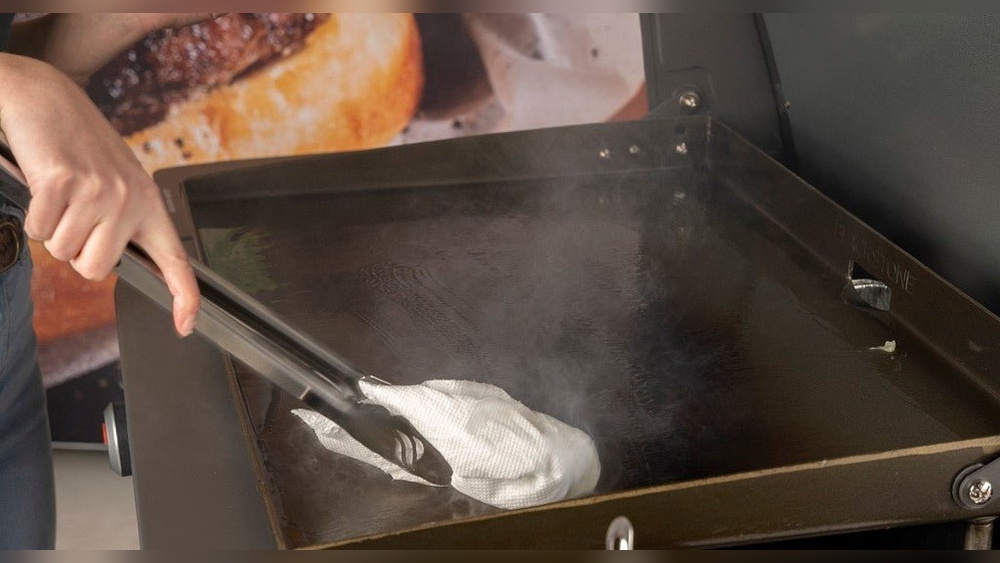
After heating, add one last very thin coat of oil. Use a paper towel to spread it evenly. This final layer acts as a barrier against moisture and rust during storage.
When To Re-season
Knowing when to re-season your Blackstone griddle keeps it cooking great. Regular seasoning protects the surface and improves food release. Re-seasoning happens less often than daily maintenance. Watch for signs that show your griddle needs a full seasoning again.
Signs Food Sticks Excessively
Food sticking more than usual means the seasoning is wearing off. A well-seasoned griddle lets food slide easily. If pancakes, eggs, or burgers stick and tear, it’s time to re-season. This helps rebuild the protective, non-stick layer for better cooking.
Rust And Discoloration
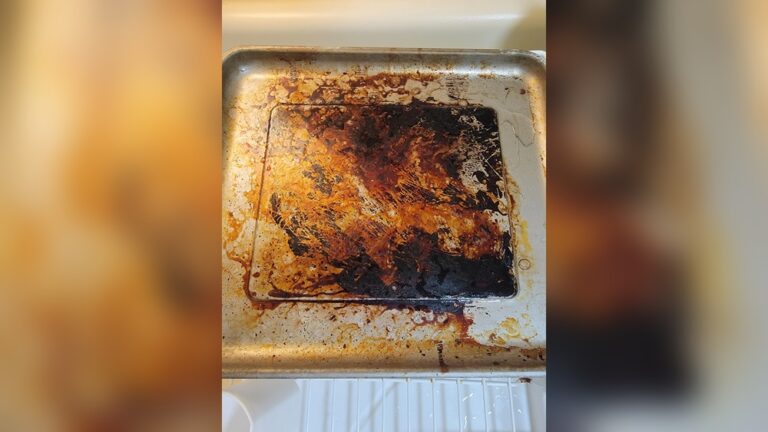
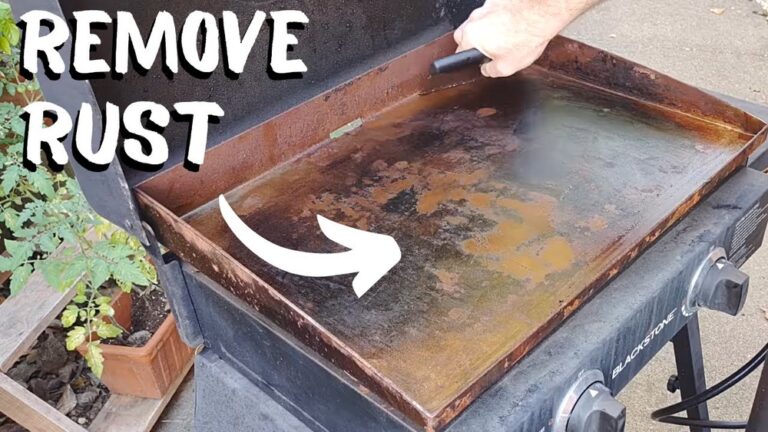
Rust spots or dark patches on your griddle surface signal damage. These marks form when oil layers break down or moisture stays too long. Rust weakens the metal and harms seasoning. Remove rust with a scrub and then re-season fully to protect the surface.
Water Bead Test Results
Drop a few drops of water on the griddle when hot. If water beads up and dances, seasoning is good. If water spreads out or evaporates too fast, seasoning is thin or gone. This simple test helps decide if re-seasoning is needed for best cooking.
Full Seasoning Process
Seasoning your Blackstone griddle properly ensures a smooth, non-stick surface and protects against rust. The full seasoning process creates a strong, durable coating that improves cooking performance. This process involves several careful steps to prepare and protect the griddle’s surface.
Cleaning And Stripping Old Seasoning
Start by removing any old seasoning or rust. Use a scraper to get rid of stuck food and burnt oil. Wash the surface with warm water and mild soap. Avoid harsh chemicals that can damage the metal. Dry the griddle completely to stop rust from forming before applying new oil.
Applying Multiple Oil Layers
Use a thin layer of high-smoke point oil like flaxseed, vegetable, or avocado oil. Spread it evenly over the entire cooking surface with a cloth or paper towel. Cover every inch to ensure full protection. Thin layers prevent sticky buildup and create a better seasoning bond.
Heating To Smoke Off Oil
Turn on the griddle to medium-high heat. Let it heat until the oil begins to smoke and polymerize. This process bonds the oil to the metal, forming a hard, protective layer. Keep heating for 20 to 30 minutes, then turn off the heat and allow the surface to cool naturally.
Repeating For Durable Coating
Repeat the oil application and heating steps two to three more times. Each layer strengthens the seasoning and builds durability. The final coating should feel smooth and look dark and shiny. This multi-layer approach keeps your griddle ready for cooking and extends its lifespan.
Seasoning Frequency Tips
Seasoning your Blackstone griddle keeps it non-stick and rust-free. Knowing how often to season helps maintain its cooking surface. Proper seasoning protects the griddle and improves food flavor. This section shares tips on seasoning frequency based on use and storage.
Routine Maintenance Vs Full Seasoning
Routine maintenance means lightly oiling after each use. Clean the griddle, dry it well, then apply a thin oil layer. This step prevents rust and keeps the surface smooth. Full seasoning involves multiple oil layers heated to build a strong coating. Do full seasoning only when food sticks or rust appears. Regular maintenance reduces the need for full seasoning.
Seasoning Frequency Based On Use
Use frequency affects how often to season. Cook often? Lightly oil after every use. This keeps the seasoning fresh and protects the metal. Use the griddle occasionally? Season fully before storage. Heavy use may require full seasoning every few months. Watch for signs like sticking or dull color to decide. Cooking itself builds seasoning over time.
Storing Your Griddle Properly
Proper storage extends seasoning life. Always clean and dry the griddle before storing. Apply a thin protective oil layer to stop rust. Store the griddle in a dry, covered place. Avoid moisture and dust that can damage the surface. Proper storage means less frequent full seasoning and better cooking results.
Signs Of A Well-seasoned Griddle
A well-seasoned Blackstone griddle shows clear signs of good care. It looks and feels ready for cooking. The surface changes color and texture after use. These signs tell you the griddle is protected and performs well. Watch for these key indicators to know your griddle is seasoned properly.
Dark, Even Surface Color
The surface should have a dark, even color. This usually appears as a deep brown or black tone. The color means the oil has bonded well with the metal. Avoid patches of rust or bare metal spots. A uniform color shows the seasoning layers are strong and consistent.
Non-stick Cooking Experience
Food should slide easily on the griddle surface. A good seasoning creates a natural non-stick layer. You will notice less sticking and easier flipping of food. This reduces the need for extra oil when cooking. A non-stick griddle saves time and improves cooking results.
Water Bead Test For Readiness
Heat the griddle and drop a few drops of water on it. If the water forms small beads that dance around, the seasoning is ready. This means the surface repels water well. If the water spreads out or evaporates quickly, seasoning needs work. This simple test helps check your griddle’s condition before cooking.
Common Mistakes To Avoid
Keeping your Blackstone griddle in great shape means avoiding common seasoning mistakes. These errors can damage the surface or cause rust. Proper care helps your griddle stay non-stick and last longer. Below are key mistakes to watch out for.
Over-oiling After Use
Applying too much oil after cooking can create sticky buildup. This sticky layer traps food and dirt, making cleaning harder. Use just a thin, even coat of oil to protect the surface. Excess oil can also cause uneven seasoning and dark spots.
Ignoring Rust Spots
Rust can form if moisture stays on the griddle too long. Ignoring small rust spots lets them spread and damage the surface. Always clean rust quickly with a scraper or steel wool. Then, reapply oil to protect the metal and keep it smooth.
Skipping Regular Maintenance
Skipping routine cleaning and light oiling reduces seasoning quality. Dirt and food bits can build up and cause sticking. Regular maintenance keeps the surface smooth and ready for cooking. Wipe the griddle clean and oil it lightly after each use for best results.

Credit: www.reddit.com
Seasoning Myths Debunked
Many Blackstone griddle owners have questions about seasoning. Some believe you must season it every time before use. Others think bacon is the best first food to cook on a new griddle. There are also myths about heat levels needed for seasoning. These ideas can cause confusion and extra work.
Understanding the truth helps save time and keeps your griddle in great shape. Let’s clear up these common myths.
Seasoning Every Use Not Required
You do not need to do a full seasoning every time. Cooking food on the griddle helps build the seasoning naturally. After each use, just clean the surface well. Then apply a thin layer of oil to protect it. This light oiling prevents rust and keeps the surface non-stick. Full seasoning is only needed if the griddle shows rust or food sticks badly.
Bacon As A First Cook
Many say to cook bacon first to season the griddle. Bacon’s fat can help, but it is not necessary. Bacon can leave a strong smell or uneven seasoning if used first. Instead, start with simple oils and foods like vegetables. These help create an even seasoning layer without strong odors. You can cook bacon later once the griddle is well seasoned.
Using The Right Heat Levels
Using too high heat can damage the seasoning. Medium heat is best for seasoning your Blackstone griddle. Heat the griddle evenly to avoid hot spots. Apply oil when the surface is warm, not too hot. This helps the oil bond with the metal properly. Too much heat can burn the oil and cause sticky spots. Proper heat keeps the seasoning smooth and long-lasting.
Frequently Asked Questions
Do I Have To Season My Blackstone Griddle Every Time I Use It?
You don’t need full seasoning every use. Just clean, dry, and apply a thin oil layer after cooking to prevent rust and maintain non-stick surface. Re-season fully only if food sticks, rust appears, or seasoning deteriorates.
Do You Put Oil Down Every Time You Cook On Blackstone?
No, you don’t need to apply oil before every cook. Just clean and lightly oil after each use to prevent rust and maintain seasoning.
How To Know If Blackstone Is Seasoned Correctly?
A Blackstone is seasoned correctly when its surface is dark, smooth, and non-stick. Food won’t stick, and water beads sizzle and dance on it. Repeated oiling and heating build this protective layer until smoke stops, indicating a well-seasoned griddle.
Can You Season A Blackstone Too Much?
You cannot season a Blackstone griddle too much. Regular light oiling after use protects and builds seasoning. Over-seasoning rarely occurs.
Conclusion
Seasoning your Blackstone griddle keeps it rust-free and non-stick. Apply a thin layer of oil after each use. This simple step protects the surface and maintains flavor. Only do a full seasoning when food sticks or rust appears. Regular cooking helps build the seasoning naturally.
Keep the griddle clean and dry before oiling. This care extends its life and improves cooking results. Remember, light oiling is easier than full seasoning often. Enjoy delicious meals with a well-maintained Blackstone griddle every time.