How Often Should I Season My Blackstone Griddle: Ultimate Guide
You’ve got your Blackstone griddle ready, but now you’re wondering: how often should you season it to keep it cooking like new? Seasoning is key to preventing rust and creating that unbeatable non-stick surface you want every time you cook.
But don’t worry—you don’t need to do a full seasoning every single time you use it. Knowing when and how to season your griddle can save you time, extend its life, and improve your cooking experience. Keep reading, and you’ll learn the simple steps to keep your Blackstone griddle in perfect shape, so you can focus on making delicious meals without any hassle.
Daily Maintenance Seasoning
Daily maintenance seasoning keeps your Blackstone griddle ready for cooking. A thin oil layer after each use stops rust and keeps food from sticking. This light seasoning builds on the base layers and protects the surface. Follow simple steps for cleaning, drying, oiling, heating, and storing. These steps help your griddle last longer and cook better every day.
Cleaning Steps
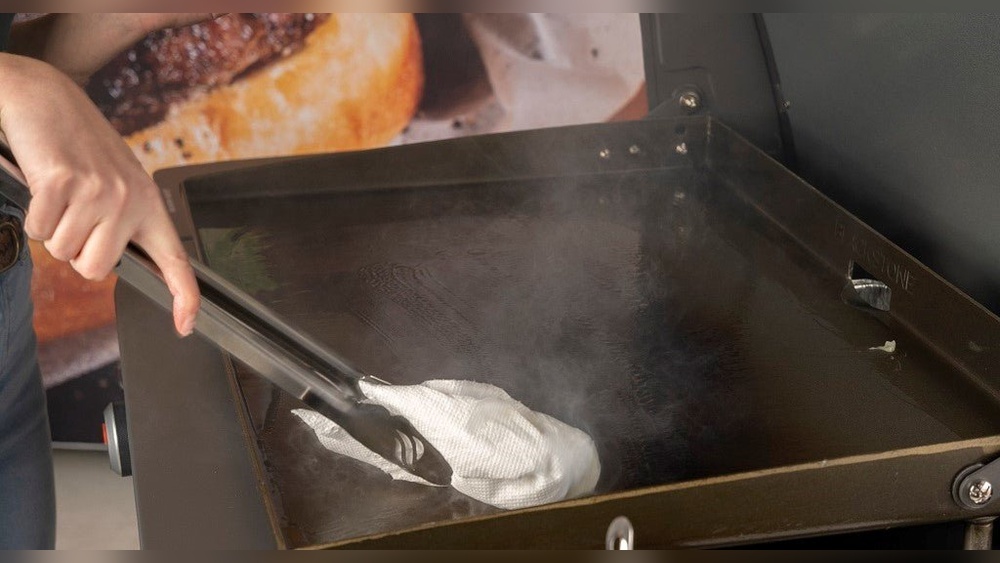
After cooking, scrape off leftover food with a spatula. Use a damp cloth or paper towel to wipe the surface. For stuck-on bits, steam with a little water then scrape again. Avoid harsh soaps that can remove seasoning. Clean the griddle while it is still warm but not hot.
Drying Tips
Make sure the griddle surface is completely dry before oiling. Use a dry cloth or paper towel to remove any moisture. Leaving water can cause rust and damage the seasoning. You can heat the griddle for a minute to help evaporate moisture quickly.
Oiling Process
Apply a thin layer of cooking oil over the entire surface. Use oils with a high smoke point like vegetable or avocado oil. Spread the oil evenly with a paper towel or cloth. This thin oil layer forms a protective barrier to stop rust and keep food from sticking.
Heating For Polymerization
Turn the heat on medium and let the griddle warm until the oil smokes lightly. This step helps the oil bond to the metal, creating a stronger seasoning layer. Heat for about 3 to 5 minutes, then turn off the griddle. Let it cool naturally before storing.
Storage Protection
Before storing, wipe the griddle with a very thin layer of oil. This final coat protects the surface from air and moisture. Store the griddle in a dry place with the cover on. Proper storage keeps your seasoning safe and your griddle rust-free.
Credit: www.thegrillcoach.com
When To Perform Full Re-seasoning
Knowing when to perform a full re-seasoning on your Blackstone griddle is essential for keeping it in top condition. Over time, the cooking surface can lose its protective layer. This leads to problems like food sticking or rust forming. A full re-seasoning restores the griddle’s non-stick surface and prevents damage.
Regular light oiling after each use helps maintain the seasoning. But some signs tell you it’s time for a deeper season. Watch for these clues to decide when to re-season your griddle fully.
Signs Of Sticking Food
Food sticking to the griddle surface is a clear warning. If even oily foods stick badly, the seasoning has worn off. A well-seasoned griddle lets food slide easily. Sticking means the protective layer is thin or damaged. It’s time for a full re-seasoning to rebuild the surface.
Rust And Discoloration
Rust spots or strange discoloration on the griddle surface show damage. Rust happens when oil protection fails and moisture sits on the metal. Discolored patches mean uneven seasoning. Both rust and discoloration reduce cooking quality and can cause food to stick. Remove rust and re-season fully to protect the griddle.
Water Bead Test
Sprinkle a few drops of water on the hot griddle. If water beads and dances, seasoning is good. If water spreads out and evaporates quickly, seasoning is weak. This means the oil layer is thin or gone. A flat, wet surface needs a full re-seasoning to restore protection.
Seasoning Frequency Recommendations
Knowing how often to season your Blackstone griddle keeps it cooking great. Seasoning protects the surface from rust and creates a natural non-stick layer. Regular maintenance helps your griddle last longer and cook better. Here are some clear guidelines on seasoning frequency.
After Each Use
Clean the griddle by scraping off food bits. Use water steam if needed to remove stuck pieces. Wipe the surface dry completely. Apply a thin coat of cooking oil like vegetable or avocado oil. Heat the griddle for a few minutes to let the oil polymerize. Let it cool and add a final thin oil layer for storage. This light seasoning prevents rust and keeps the surface slick.
Periodic Full Seasoning
Perform a full seasoning when food sticks badly. Check for rust or uneven discoloration on the griddle. Do a water test: water should bead up, not evaporate quickly. A full seasoning involves cleaning, stripping old layers if needed, and applying multiple oil coats. This deeper seasoning rebuilds the protective layer for better cooking results.
Avoiding Over-seasoning
Too much seasoning creates a sticky, uneven surface. Avoid applying thick oil layers after every use. Just a thin coat is enough to protect. Over-seasoning can trap food and cause uneven heating. Keep the surface smooth by seasoning lightly and doing full seasoning only when necessary.
Recognizing A Well-seasoned Griddle
Recognizing a well-seasoned griddle helps you know when to maintain or re-season it. A good seasoning protects the surface from rust and creates a natural non-stick layer. You can check your Blackstone griddle’s condition by observing its color, how food cooks on it, and how water behaves on the surface.
Surface Color
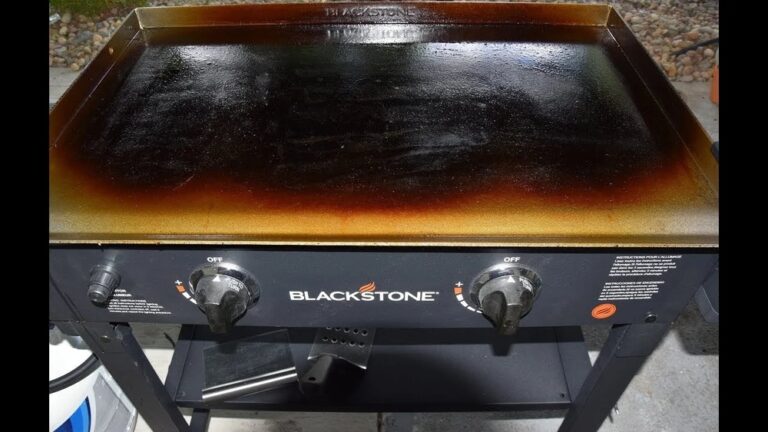
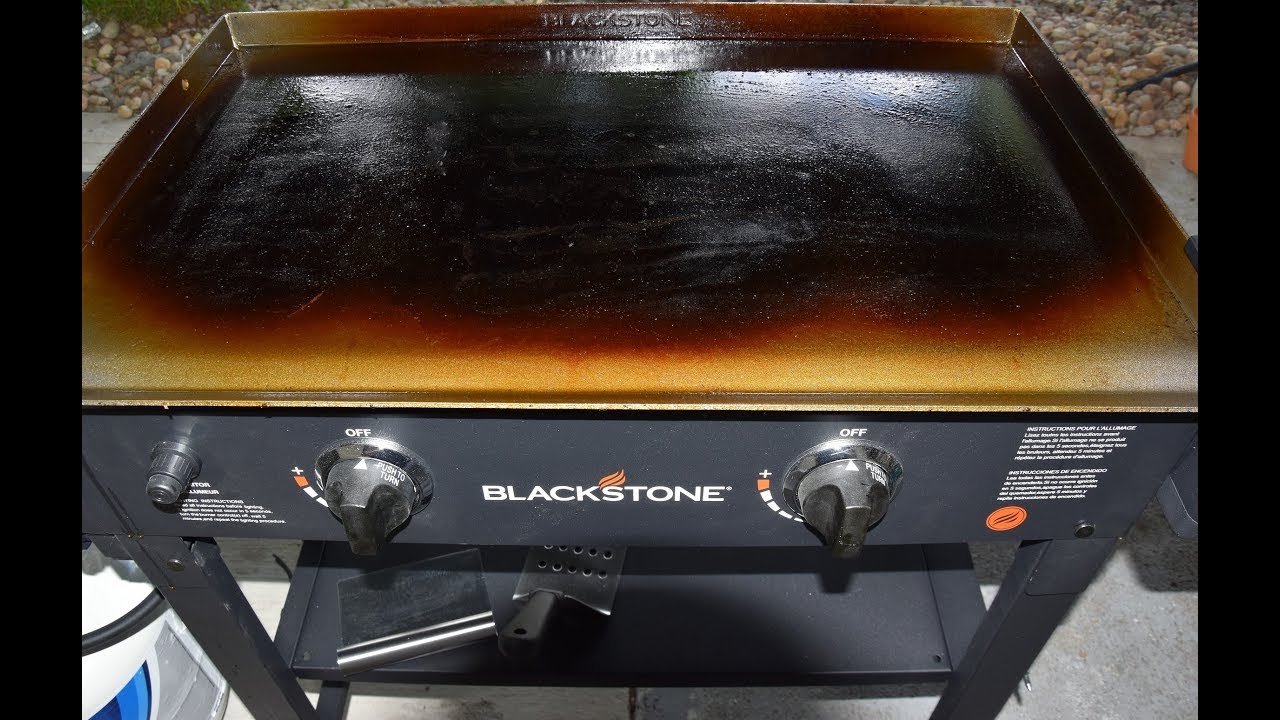
A well-seasoned griddle shows a dark, even color. It looks like a smooth black or dark brown coating. This color means the oil has bonded well with the metal. Avoid shiny or patchy spots. Those areas might still need more seasoning or cleaning.
Non-stick Performance
Food should slide easily on your griddle. A seasoned surface stops food from sticking. You can cook eggs, pancakes, or bacon without much effort. If food sticks or tears, the seasoning might be weak. It may need a fresh layer of oil or a full re-seasoning.
Water Droplet Behavior
Drop a few drops of water on the surface. On a well-seasoned griddle, water beads up and dances around. It does not spread out or evaporate immediately. This shows the surface repels moisture well. If water flattens or disappears fast, the seasoning needs attention.
Best Oils For Seasoning
Choosing the right oil is crucial for seasoning your Blackstone griddle properly. The oil creates a strong, non-stick layer that protects the surface from rust and wear. Not all oils perform the same. Some have better smoke points and drying qualities, making them ideal for seasoning.
Vegetable Oil
Vegetable oil is a popular choice for seasoning. It is easy to find and affordable. It has a medium-high smoke point, which works well for polymerizing on the griddle surface. Vegetable oil spreads evenly and forms a good protective layer. It helps maintain a smooth cooking surface and prevents rust.
Avocado Oil
Avocado oil has a high smoke point, around 520°F (271°C). This makes it excellent for seasoning at high temperatures. It creates a strong, durable seasoning layer that resists flaking. Avocado oil is also light in flavor, so it won’t affect your food’s taste. Its natural antioxidants help preserve the seasoning longer.
Other Suitable Oils
Other oils like flaxseed, canola, and grapeseed oil also work well. Flaxseed oil is known for creating a hard, smooth finish, but it can be more expensive. Canola oil is affordable and has a decent smoke point. Grapeseed oil is light and has a high smoke point, making it another good option. Avoid oils with low smoke points or strong flavors, as they can burn or leave unpleasant tastes.
Common Mistakes To Avoid
Seasoning a Blackstone griddle keeps it non-stick and rust-free. Many make simple mistakes that harm the surface. Avoiding these errors helps your griddle last longer and cook better.
Pay attention to proper care steps. Small habits affect the griddle’s performance and lifespan.
Skipping Oil Layer
Oiling the griddle after cleaning is crucial. Skipping this step leaves the surface dry and prone to rust. A thin oil layer protects the metal and maintains seasoning. Do not wait for the surface to look dirty before oiling.
Apply oil while the griddle is still warm. This helps the oil bond to the surface. Without this, food can stick and the griddle may degrade faster.
Improper Cleaning
Cleaning too harshly can strip the seasoning. Avoid using soap or abrasive tools often. Use a scraper or warm water to remove food bits gently. Dry the griddle completely before applying oil.
Wet or leftover residue invites rust and causes uneven cooking. Proper cleaning keeps the seasoning intact and your food tasting great.
Over-seasoning Risks
Applying too many layers of oil quickly can cause a sticky, uneven surface. Over-seasoning creates buildup that traps food and dirt. Let each oil layer fully cure before adding more.
Seasoning is a gradual process. Rushing it harms the griddle’s non-stick quality. Patience ensures a smooth, durable cooking surface.
Tips For Long-term Griddle Care
Taking care of your Blackstone griddle ensures it lasts for years. Good care keeps the cooking surface smooth and non-stick. Simple habits protect your griddle from rust and damage. Follow these tips for long-term griddle care to maintain its performance.
Regular Cleaning Habits
Clean your griddle after every use. Scrape off food bits while the surface is still warm. Use a little water to steam off stuck pieces. Wipe the surface dry with a cloth or paper towel. Avoid harsh soaps that can strip the seasoning. Always apply a thin layer of oil after cleaning. This layer protects the surface and keeps it non-stick.
Proper Storage Methods
Store your griddle in a dry place to prevent rust. Cover it with a fitted cover or cloth. Avoid leaving it outside in wet or humid weather. If storing for a long time, add a light coat of oil. This extra oil stops moisture from damaging the surface. Make sure the griddle is fully cooled before covering or storing.
Routine Inspections
Check your griddle often for signs of rust or damage. Look for sticky spots or uneven color on the surface. Test the seasoning by sprinkling a few drops of water. If water beads, the seasoning is good. If water evaporates fast or sticks, it needs reseasoning. Catching problems early helps keep the griddle in top shape.

Credit: grillonadime.com

Credit: www.thegrillcoach.com
Frequently Asked Questions
Do You Have To Season A Blackstone After Every Use?
You don’t need full seasoning after every use. Just clean, dry, and apply a thin oil layer to prevent rust and maintain non-stick surface. Re-season fully only if food sticks, rust appears, or seasoning degrades. Regular light oiling preserves your Blackstone griddle well.
Can You Season A Blackstone Too Much?
You cannot over-season a Blackstone griddle easily. Excess oil can cause sticky buildup, so apply thin layers and heat properly. Regular maintenance with light oiling after use prevents rust and builds a smooth, non-stick surface without overdoing seasoning.
How Do You Know When Blackstone Is Seasoned Enough?
A Blackstone is seasoned enough when its surface turns dark, smooth, and food no longer sticks. Water beads sizzle and dance on the griddle, indicating a strong non-stick layer. Repeated oiling and heating build this protective seasoning effectively.
What Is The Best Oil To Season A Blackstone Griddle With?
The best oil to season a Blackstone griddle is one with a high smoke point. Use vegetable, canola, or avocado oil. These oils create a durable, non-stick seasoning layer and resist burning during heating. Avoid low smoke point oils to prevent sticky residue and uneven seasoning.
Conclusion
Season your Blackstone griddle lightly after every use with oil. This keeps the surface smooth and stops rust from forming. A full seasoning is only needed if food sticks or rust appears. Regular cleaning and oiling help maintain the non-stick layer.
Cooking often adds to the seasoning naturally. Treat your griddle like cast iron for best results. Simple care extends its life and improves cooking every time. Remember, small steps after cooking prevent big problems later. Keep it clean, oil it well, and enjoy great meals.