How to Restore Blackstone Griddle Top: Ultimate Step-by-Step Guide
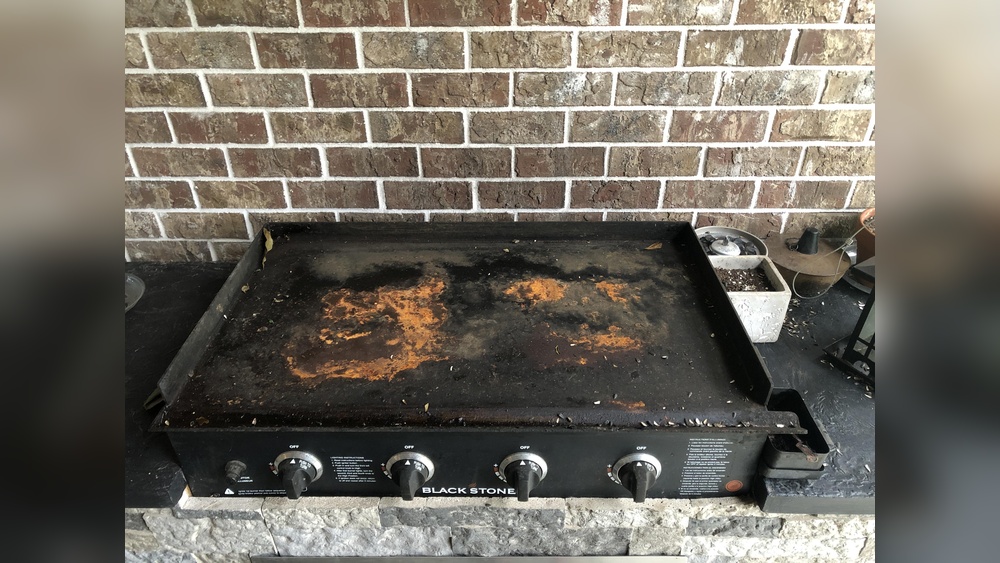
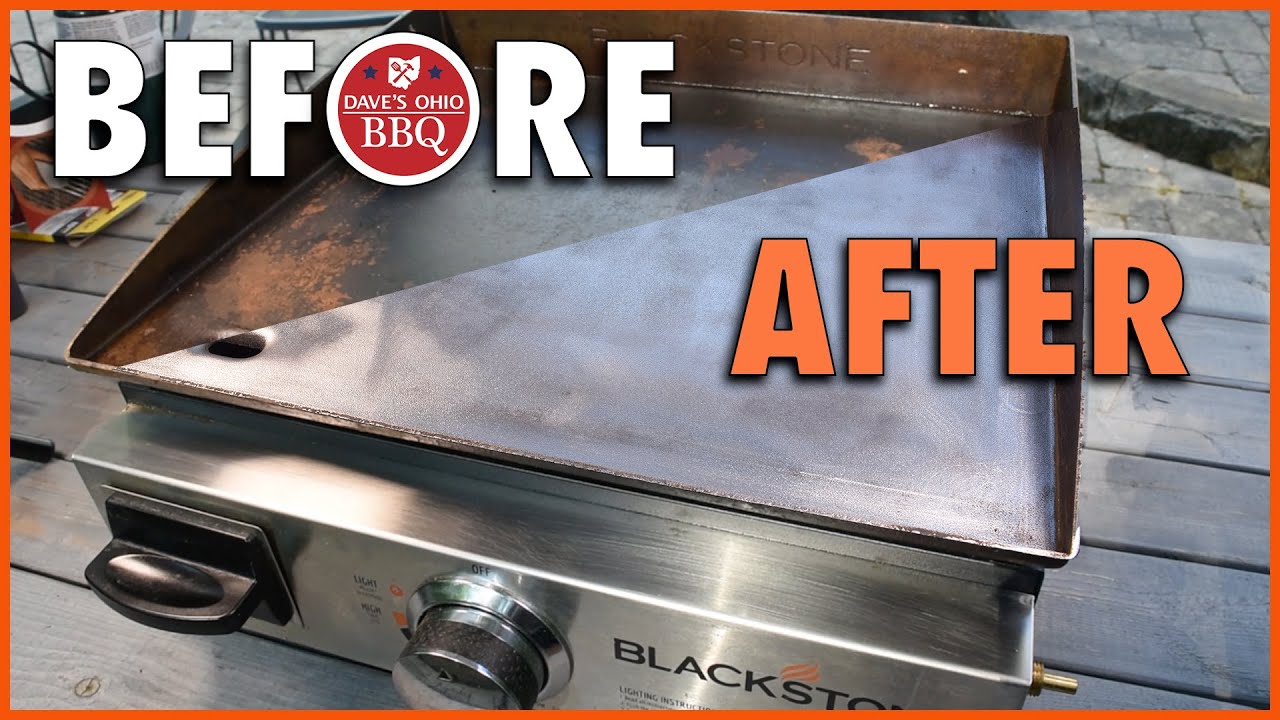
Is your Blackstone griddle top looking dull, rusty, or worn out? Don’t worry—you can bring it back to life with just a few simple steps.
Whether you’re dealing with light rust or heavy build-up, restoring your griddle to that smooth, non-stick surface is easier than you think. In this guide, you’ll learn how to clean, remove rust, and re-season your Blackstone griddle so it’s ready for your next delicious meal.
Keep reading, and you’ll have your griddle performing like new in no time!
Credit: www.youtube.com
Prepare The Griddle
Preparing your Blackstone griddle is the first step to restoring its top. This stage ensures a clean, smooth surface for seasoning and cooking. Proper preparation removes rust, dirt, and old food residues that can affect performance.
Take your time to inspect the griddle carefully. This helps determine the best cleaning method. Starting with a clean surface makes the restoration process easier and more effective.
Remove Loose Debris
Begin by scraping off loose debris using a metal scraper or spatula. Push away any stuck-on food particles and flakes of rust. Use a stiff brush or abrasive pad to scrub the surface gently. This step clears the griddle top and exposes areas needing more attention.
For stubborn spots, apply a Blackstone Griddle Top Restore solution or a mix of vinegar and steel wool. Let it sit for a few minutes before scrubbing again. This softens rust and grime, making removal simpler.
Assess Rust Severity
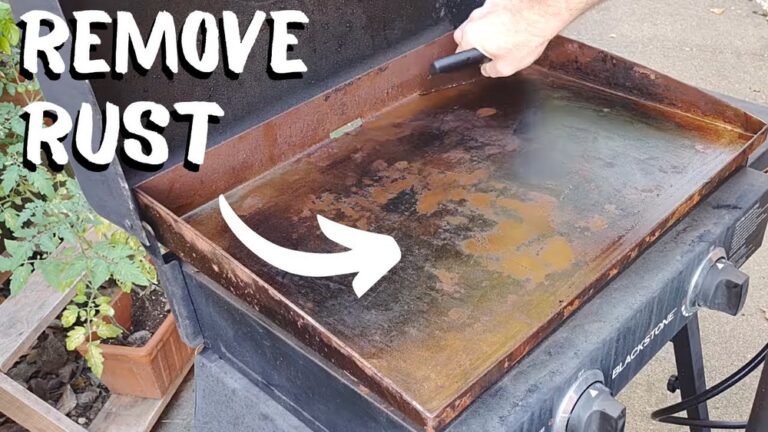
Check the griddle surface to see how bad the rust is. Light rust appears as small patches and can be scrubbed off easily. Use steel wool or an abrasive pad for these spots.
Heavy rust requires stronger tools like a scraper, paint removal wheel, or an angle grinder with a wire brush. These help strip off thick rust and rough spots. Be careful not to damage the metal underneath.
Clean corners and edges thoroughly with a paint scraper. Rust and gunk often hide in these tight spaces. A clean, rust-free surface is key for effective seasoning.

Credit: www.lowes.com
Remove Rust
Cleaning the surface is the first key step to restoring your Blackstone griddle top. Dirt, grease, and rust can build up over time. Removing these residues prepares the griddle for seasoning and prevents food from sticking. A clean surface also helps the griddle last longer and cook better.
Wash With Soap And Degreaser
Start by washing the griddle with warm water and mild soap. Use a soft cloth or sponge to scrub gently. For tough grease, use a degreaser made for cooking surfaces. Apply it evenly and let it sit for a few minutes. Then, scrub again to remove all grease and grime. Rinse the griddle well with clean water to wash away soap and degreaser. This step ensures no residue remains on the cooking surface.
Dry Thoroughly
After washing, dry the griddle completely. Use clean paper towels or a dry cloth to wipe off all moisture. Moisture left on the surface can cause rust to form quickly. You can also heat the griddle for a few minutes to evaporate any water. Make sure the surface is fully dry before moving to the next restoration step. A dry griddle protects the metal and keeps it ready for seasoning.
Clean The Surface
Seasoning the griddle is the key step to protect your Blackstone griddle top. It forms a strong, non-stick layer that prevents rust and food sticking. Proper seasoning improves cooking performance and extends the griddle’s life.
Seasoning involves applying oil and heating it to create a hard coating. This process needs to be done carefully and repeated for best results.
Apply Thin Oil Layer
Start by applying a thin layer of high-smoke point oil. Use oils like flaxseed, canola, or grapeseed oil. Spread the oil evenly across the entire griddle surface. Avoid using too much oil, as thick layers can become sticky.
Heat And Polymerize Oil
Next, heat the griddle on medium-high heat. The oil will start to smoke and bond with the metal. This polymerization creates a tough, protective layer. Keep heating until the smoke stops, usually about 10 to 15 minutes.
Repeat Coating Process
After the first layer cools, repeat the oil application and heating steps. Each new layer builds up the seasoning. For best results, apply three to four thin coats. This creates a smooth, durable surface that resists rust and food sticking.
Use Propane Torch For Stubborn Spots
Some spots may not season well with the burner alone. Use a propane torch to heat these stubborn areas. Move the flame evenly until the oil smokes and bonds. This helps ensure full coverage and a consistent finish.
Final Protective Coat
Finish by applying a final thin coat of oil. Heat the griddle one last time to seal the seasoning. Let it cool completely before storing. This last layer adds extra protection and keeps the griddle ready for your next cook.
Season The Griddle
Maintaining your Blackstone griddle top keeps it in great shape for many years. Regular care stops rust and damage before they start. Follow these simple steps to protect your investment and enjoy cooking without worry.
Regular Cleaning
Clean the griddle after every use. Use a scraper to remove food bits and grease. Wipe the surface with a damp cloth or paper towel. For deep cleaning, use warm soapy water and a non-abrasive sponge. Avoid harsh chemicals that can damage the metal. Dry the griddle well to prevent moisture buildup.
Prevent Rust
Rust forms when moisture stays on the griddle too long. After cleaning, heat the griddle to evaporate water. Apply a thin coat of cooking oil while warm. This oil layer acts as a shield against moisture. Repeat oiling often, especially if you notice dull spots or rust forming. Rust spots should be scrubbed gently with steel wool and re-seasoned promptly.
Proper Storage
Store your griddle in a dry, covered area. Use a fitted cover to keep out dust and rain. Avoid leaving the griddle outside during wet weather. If possible, store it indoors or in a garage. Remove the cover occasionally to check for moisture. Proper storage prevents rust and keeps the griddle ready for use.

Credit: www.esseg.eu
Frequently Asked Questions
How Do I Bring My Blackstone Back To Life?
Remove rust using a scraper or abrasive pad with a restore solution. Clean with soap and dry fully. Apply thin high-heat oil coats, heating until smoking. Repeat until surface darkens. Finish with a final oil coat to protect against rust.
Is A Rusted Blackstone Ruined?
A rusted Blackstone is not ruined. Remove rust with a scraper or abrasive pad, clean thoroughly, then re-season with oil to restore it.
What Is A Blackstone Griddle Top Restorer?
A Blackstone griddle top restorer removes rust and debris, cleans the surface, and re-seasons it with oil for a smooth, non-stick finish.
Will Baking Soda Remove Rust From My Griddle?
Baking soda can help remove light rust from your griddle by scrubbing gently with a paste. For heavy rust, use a scraper or abrasive tools instead. Always clean and re-season your griddle after rust removal to protect the surface and restore its non-stick quality.
Conclusion
Restoring your Blackstone griddle top keeps it cooking like new. Regular cleaning and seasoning prevent rust and damage. Use simple tools and safe products for best results. Take time to remove rust and build a strong oil layer. A well-maintained griddle lasts longer and cooks better food.
Keep your griddle ready for every meal with these easy steps. Enjoy great cooking and tasty dishes on your refreshed griddle.