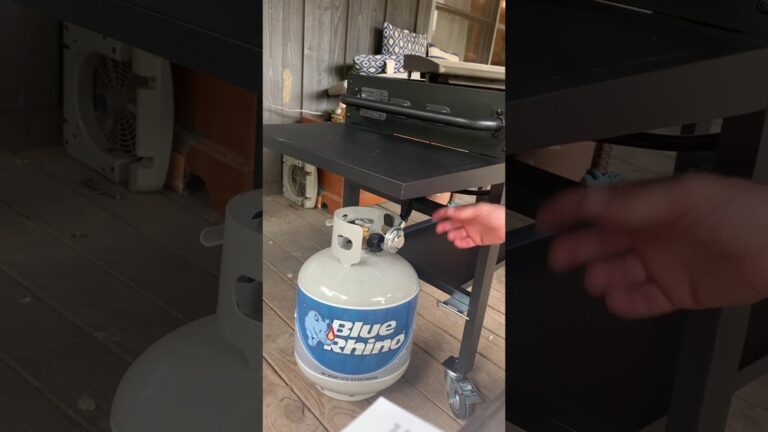
How to Season My Blackstone Griddle: Ultimate Guide for Perfect Cooking
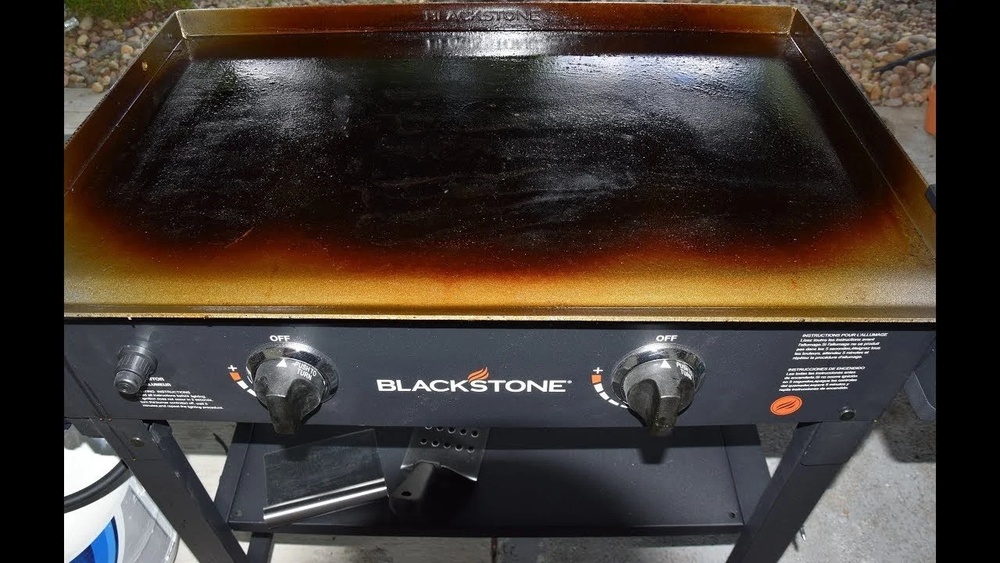
You just got your Blackstone griddle, and you’re eager to start cooking amazing meals on it. But before you fire it up, there’s one crucial step you can’t skip: seasoning your griddle.
Seasoning creates a natural, non-stick surface that protects your griddle from rust and makes cooking and cleaning much easier. If you want your Blackstone to last for years and perform like a pro, you need to season it the right way.
In this guide, you’ll learn simple, step-by-step instructions to get your griddle perfectly seasoned—no guesswork, no frustration. Ready to unlock the full potential of your Blackstone? Let’s get started!
Preparing The Griddle
Preparing your Blackstone griddle properly sets the stage for a long-lasting cooking surface. This step removes any factory coatings and debris. It also ensures the griddle heats evenly during seasoning. Clean and dry the griddle carefully to protect the metal and improve oil absorption.
Cleaning Factory Residue
Begin by washing the griddle surface with warm water. Use mild soap if needed to cut through factory oils. Scrub gently with a soft cloth or sponge. Avoid abrasive tools that can scratch the surface. Rinse thoroughly to remove all soap and residue. The surface must feel clean and smooth to the touch.
Drying The Surface
Turn on your Blackstone griddle burners to medium heat. Let the surface warm until all moisture evaporates. This step prevents rust and helps oil bond better. Use a clean cloth or paper towel to wipe away any remaining moisture. Ensure the griddle is fully dry before applying seasoning oil.
Choosing The Right Oil
Choosing the right oil plays a vital role in seasoning your Blackstone griddle. The oil creates a protective layer that prevents rust and builds a non-stick surface. Selecting an oil with a high smoke point ensures better polymerization. This means the oil will bond well to the griddle’s surface when heated. Using the wrong oil can lead to sticky residue or uneven seasoning. Let’s explore which oils work best and how to avoid common mistakes.
High Smoke Point Oils
Oils with a high smoke point resist burning during seasoning. Canola oil is a popular choice because it is affordable and has a smoke point around 400°F (204°C). Avocado oil has an even higher smoke point, about 520°F (271°C). Vegetable oil also works well and is easy to find. Using these oils helps create a smooth, durable seasoning layer. Avoid oils like olive oil or butter as they burn too quickly and cause sticky spots.
Blackstone Seasoning Blend
Blackstone offers a special seasoning oil blend designed for their griddles. It combines high smoke point oils with additives to protect and enhance the surface. This blend forms a strong, long-lasting coating that improves with each use. Applying it thinly and evenly allows the heat to bake the oil into the steel. This blend saves time and reduces the chance of errors. It’s a reliable option for beginners and pros alike.
Avoiding Common Oil Mistakes
Too much oil is a common error. Thick layers do not dry properly and leave a sticky mess. Always apply a thin, even coat using a paper towel or cloth. Wipe off excess oil before heating. Repeated seasoning with thin layers builds a hard, smooth finish. Do not use cooking spray or flavored oils; they contain additives that ruin the seasoning. Keeping these tips in mind ensures a clean, well-seasoned griddle every time.
Seasoning Steps
Seasoning your Blackstone griddle is essential for creating a smooth, non-stick cooking surface. Proper seasoning protects the metal from rust and improves cooking performance. The process involves applying oil, heating the surface, and repeating these steps for a durable finish. Follow these clear steps to season your griddle effectively.
Applying Thin Oil Layers
Start with a clean, dry griddle surface. Use a paper towel to apply a very thin layer of oil. Choose oils with high smoke points like canola or avocado oil. Cover the entire cooking area, including edges. Avoid using too much oil. Thin layers prevent sticky buildup and promote even seasoning.
Heating And Burning Off
Turn on the burners to medium-high heat. Allow the oil to heat until it begins to smoke and burn off. This process bonds the oil to the metal surface. Heat for about 10 to 15 minutes. The griddle will darken, showing the seasoning forming. Keep the area well ventilated during this step.
Repeating The Process
Let the griddle cool slightly but stay warm. Apply another thin oil layer just like before. Heat and burn off this layer again. Repeat these steps two to three times. Each repetition builds up a stronger, more durable seasoning layer. Avoid skipping steps for best results.
Final Oil Coat For Storage
After the last burn-off, let the griddle cool to warm. Apply one very thin coat of oil over the entire surface. Wipe off any excess oil with a clean paper towel. This final coat helps protect the griddle during storage. Store your Blackstone griddle in a dry place to keep the seasoning intact.
Credit: www.gde.com.hk
Tips For Effective Seasoning
Seasoning your Blackstone griddle builds a strong, non-stick cooking surface. Proper seasoning protects the metal from rust. Follow these tips for effective seasoning to get the best results.
Each step matters. Small details make a big difference in how well the seasoning sticks and lasts.
Using Thin Coats
Apply very thin layers of oil to the griddle surface. Thick coats cause sticky residue and uneven seasoning. Use a paper towel to spread oil evenly. Wipe off excess oil before heating. Thin coats create a smooth, durable finish.
Proper Heat Levels
Heat the griddle to medium-high for seasoning. Too low heat will not bond the oil properly. Too high heat can burn the oil, creating flakes. Aim for a steady smoke point to polymerize the oil. This forms a hard, protective layer on the surface.
Avoiding Sticky Residue
Sticky residue happens from applying too much oil or low heat. Wipe off extra oil before heating. Let the oil smoke and burn off completely. If the residue forms, scrub lightly and reseason with thin coats. Proper heat and thin layers prevent stickiness and ensure a smooth griddle.
Maintenance After Seasoning
Proper maintenance after seasoning keeps your Blackstone griddle in top shape. It protects the surface and extends the seasoning life. Regular care also improves cooking performance and flavor. Follow simple steps after each use to maintain the seasoning layer and prevent rust.
Cleaning After Each Use
Scrape the griddle surface with a metal spatula to remove food bits. Use a scraper or griddle brush to clear stuck-on residue. Avoid harsh soaps that can strip the seasoning. Wipe the surface with a damp cloth or paper towel. Let the griddle cool slightly but stay warm for easier cleaning.
Reapplying Oil Layers
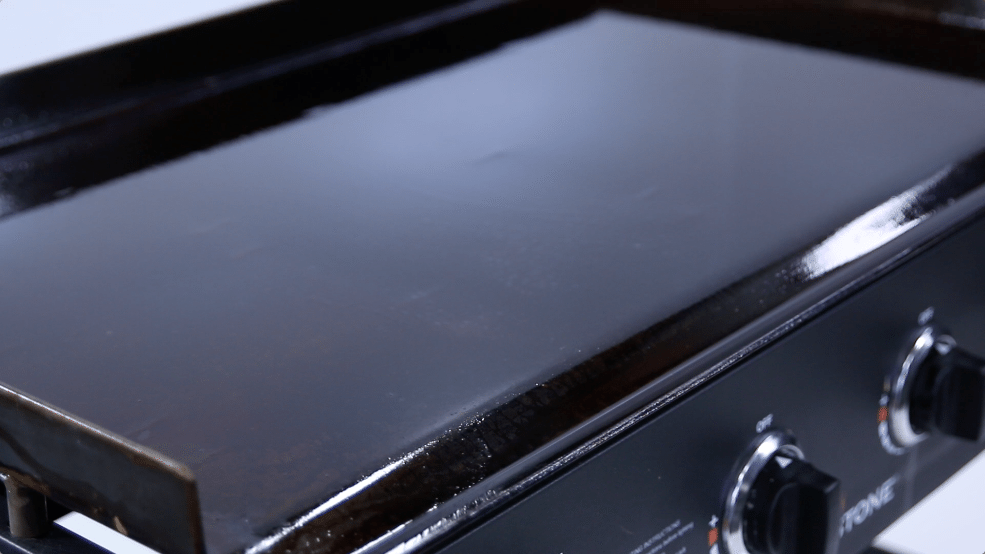
After cleaning, apply a thin layer of oil to the griddle. Choose oils with a high smoke point like canola or avocado oil. Use a paper towel to spread the oil evenly. Avoid thick oil layers to prevent sticky buildup. This step helps maintain the non-stick surface and keeps the griddle ready for the next cook.
Burning Off Residue
Turn the burners on low to medium heat after oiling. Allow the oil to smoke and burn off gently. This process bonds the oil to the griddle, strengthening the seasoning. It also removes any leftover food particles. Once the smoke clears, turn off the heat and let the griddle cool.
Credit: blackstoneproducts.com
Common Mistakes To Avoid
Seasoning your Blackstone griddle correctly is key for great cooking and long griddle life. Many beginners make simple mistakes that hurt the seasoning process. Avoiding these errors helps you build a strong, non-stick surface faster. Here are common mistakes to watch out for during seasoning.
Over-oiling
Applying too much oil is a frequent error. Thick oil layers create sticky, uneven seasoning. Use a thin coat instead. Wipe off any excess oil with a paper towel. This prevents pooling and uneven cooking spots.
Using Low Smoke Point Oils
Oils like olive or butter burn quickly and create bad flavors. They can also leave sticky residue on the griddle. Choose oils with a high smoke point. Canola, avocado, or Blackstone seasoning oil are good choices. These oils burn clean and build strong seasoning layers.
Skipping Cleaning Steps
Not cleaning the griddle before seasoning causes poor oil bonding. Factory oils and dust must be removed first. Wash the surface with warm water and mild soap. Rinse well and dry fully using heat. A clean griddle surface helps the oil soak in evenly and forms a tough coating.
Recommended Oils For Seasoning
Choosing the right oil is important for seasoning your Blackstone griddle. Oils with a high smoke point work best. They create a strong, non-stick surface that lasts longer. Using the proper oil also prevents sticky residue and uneven seasoning. Here are three recommended oils that help you get the best results.
Avocado Oil
Avocado oil has a very high smoke point of around 520°F. This means it can handle the heat without burning. It creates a smooth, durable seasoning layer. Avocado oil is natural and contains healthy fats. It spreads evenly and helps prevent rust on your griddle.
Grapeseed Oil
Grapeseed oil has a smoke point near 420°F. It works well for seasoning because it dries fast and forms a strong coating. This oil is light and does not leave a heavy smell. It helps build a hard, protective surface on the griddle plate.
Canola Oil
Canola oil is an affordable option with a smoke point of about 400°F. It is easy to find in most stores. Canola oil creates a solid, non-stick finish on your griddle. It also resists sticking and stays stable under heat. Many Blackstone users prefer canola for its balance of quality and price.
Seasoning Variations
Seasoning your Blackstone griddle creates a natural, non-stick surface that lasts. Different oils and methods can affect the seasoning quality and durability. Choosing the right seasoning variation helps protect your griddle and improves cooking results. Below are two popular options to consider.
Using Blackstone Conditioner
Blackstone Conditioner is specially designed for Blackstone griddles. It contains oils that form a strong, even seasoning layer. Apply a thin coat on a warm griddle surface. Let it smoke and bond with the metal. This conditioner helps prevent rust and improves food release. It’s easy to use and provides consistent results for beginners.
Flaxseed Oil Considerations
Flaxseed oil is a natural choice for seasoning cast iron and steel. It creates a hard, durable seasoning when heated properly. Use very thin layers to avoid sticky buildup. Heat the griddle until the oil smokes and polymerizes. Repeat this process several times for best results. Flaxseed oil can be more time-consuming but offers a strong, long-lasting finish.

Credit: www.thegrillcoach.com
Frequently Asked Questions
How Do I Season My Blackstone Griddle For The First Time?
Clean your Blackstone griddle with water and mild soap to remove factory oils. Dry it thoroughly over high heat. Apply a thin layer of high smoke-point oil like canola or avocado. Heat until the oil smokes and repeat 2-3 times.
Finish with a thin oil coat for storage.
What Is The Best Oil To Season My Blackstone Griddle?
The best oil to season your Blackstone griddle has a high smoke point. Use grapeseed, avocado, or canola oil for durable, even seasoning. Apply thin coats and burn off each layer to build a strong, non-stick surface. Avoid thick oil layers to prevent stickiness.
Do I Have To Oil My Blackstone Griddle Every Time?
Yes, oil your Blackstone griddle after each use. Apply a thin layer of high smoke-point oil to maintain seasoning and prevent rust.
Do You Season Blackstone With The Lid Open Or Closed?
Season your Blackstone griddle with the lid open. This prevents heat buildup and allows proper oil polymerization.
Conclusion
Seasoning your Blackstone griddle keeps it non-stick and rust-free. Clean the surface well before applying thin oil layers. Use oils with a high smoke point like canola or avocado. Heat the griddle to burn off each oil layer properly. Repeat this process several times for best results.
Regular maintenance after cooking helps keep the seasoning strong. With simple steps, your griddle will last longer and cook better. Enjoy delicious meals with a well-seasoned Blackstone griddle every time.