How to Clean Rusty Blackstone Griddle: Easy Steps for Sparkling Results
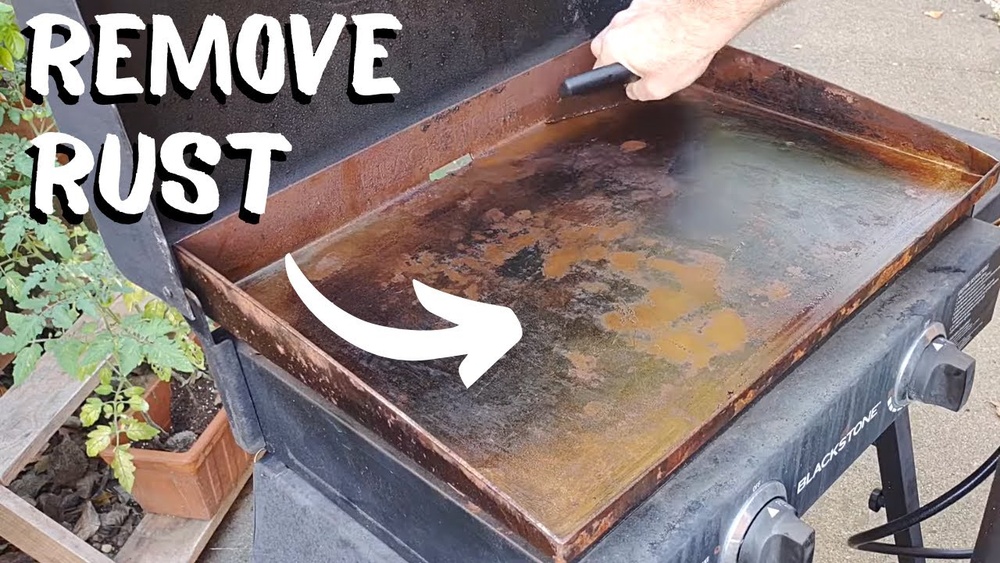
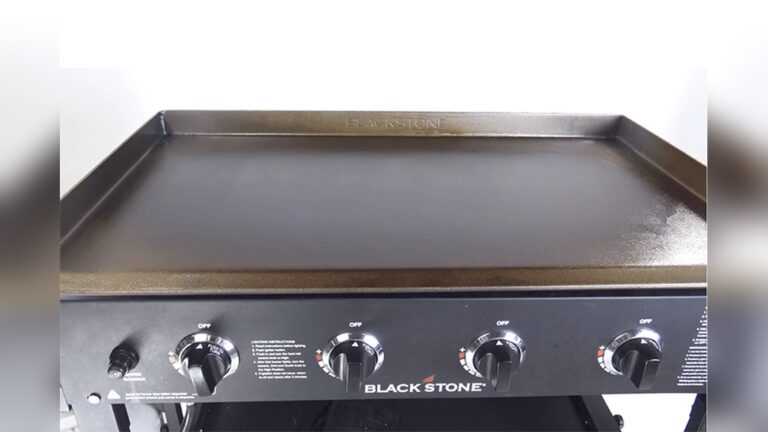
Is your Blackstone griddle looking rusty and worn out? Don’t worry—you can bring it back to life with a few simple steps.
Rust can ruin your cooking surface and affect the taste of your food, but cleaning it off is easier than you think. In this guide, you’ll discover how to quickly remove rust from your Blackstone griddle, protect it from coming back, and keep it ready for your next cookout.
Follow along, and you’ll have your griddle shining and cooking perfectly in no time. Ready to get started? Let’s dive in!

Credit: blackstoneproducts.com
Gathering Tools And Materials
Before starting to clean a rusty Blackstone griddle, gather all necessary tools and materials. Having everything ready makes the process smooth and efficient. It helps avoid interruptions and ensures you clean the griddle properly.
Essential Cleaning Supplies
Collect the right cleaning supplies first. You will need a metal scraper to remove loose rust and food debris. A grill brick or steel wool pad works well for scrubbing away rust stains. Prepare a vinegar and water solution or a baking soda paste for cleaning. Also, have a bucket of warm soapy water ready. Paper towels or a clean cloth are useful for drying. For deep rust, a wire brush or orbital sander may be necessary. Finally, get cooking oil to re-season the griddle after cleaning.
Safety Precautions
Wear gloves to protect your hands from sharp rust and cleaning agents. Use eye protection to avoid splashes from cleaning liquids. Work in a well-ventilated area to avoid inhaling fumes. Keep children and pets away from the cleaning space. Handle tools like metal scrapers and sanders carefully to prevent injury. Follow all instructions on cleaning product labels for safe use.
Credit: www.acquetech.com
Preparing The Griddle
Preparing your Blackstone griddle before cleaning rust is a crucial step. Proper preparation makes rust removal easier and more effective. It also protects the surface from damage during cleaning. Start by ensuring the griddle cools down completely. Then, clear away any debris to get a clean workspace.
Cooling And Clearing Debris
Let your Blackstone griddle cool to room temperature. A hot griddle can cause burns and damage your cleaning tools. After cooling, remove any food bits, grease, or loose dirt from the surface. Use a soft brush or cloth to sweep away crumbs and dust. This step helps you see all the rusty spots clearly. A clean surface ensures better contact with cleaning agents and tools.
Initial Scraping Of Loose Rust
Use a metal scraper or grill scraper to gently remove loose rust flakes. Work carefully to avoid scratching the griddle’s surface. Scrape in one direction to lift rust without spreading it around. Removing loose rust makes the next cleaning steps more efficient. After scraping, wipe the surface with a damp cloth to clear away rust dust and particles. This prepares the griddle for deeper cleaning methods.
Removing Rust
Removing rust from your Blackstone griddle is essential to keep it cooking well and lasting long. Rust forms when moisture sits on the griddle surface. Cleaning it off quickly stops damage and prepares the griddle for seasoning. Several simple methods can help remove rust without harming the metal. Choose one based on how much rust you see.
Using Vinegar And Water Solution
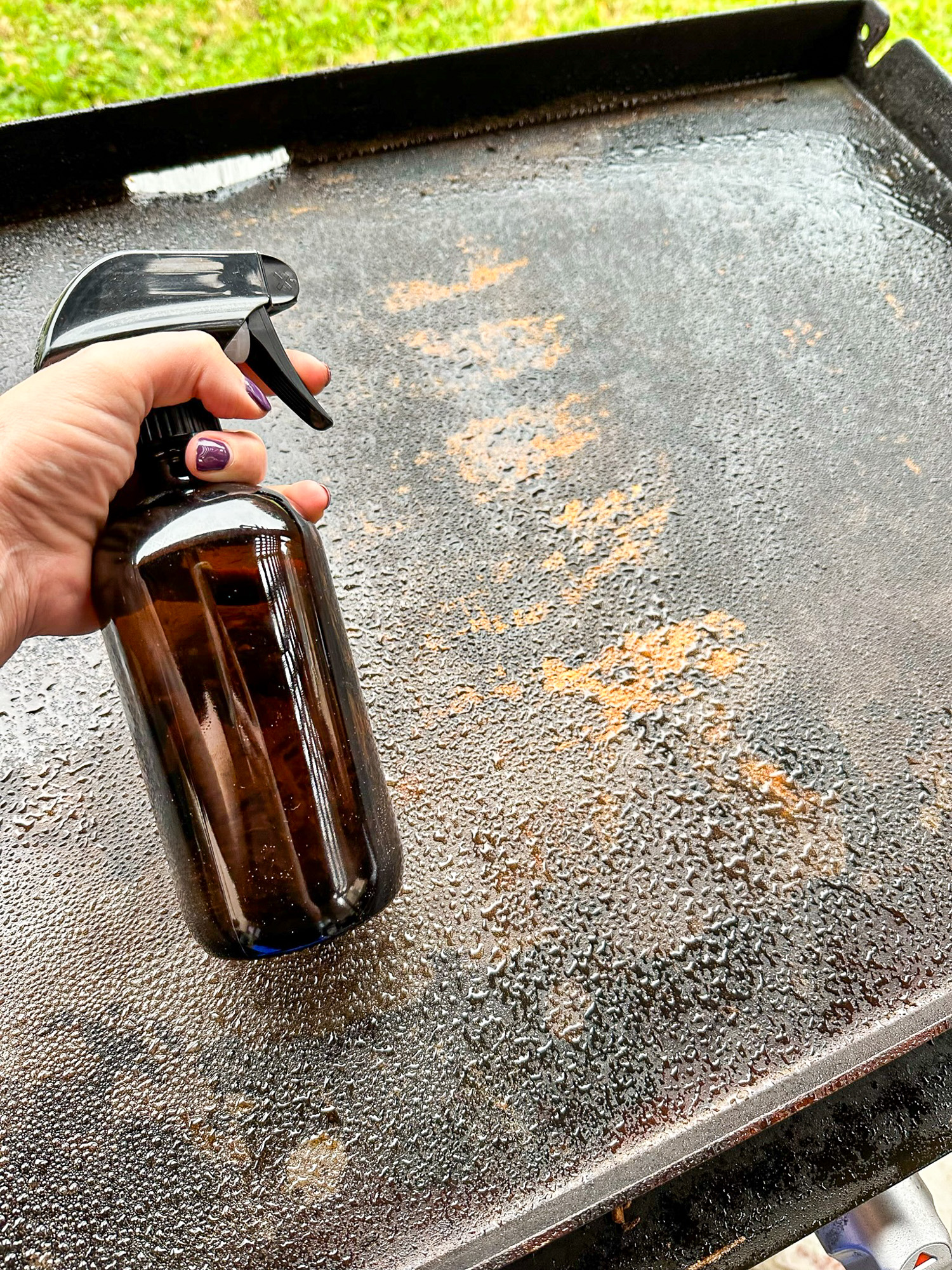
Mix equal parts white vinegar and water in a spray bottle. Spray the rusty areas and let the solution sit for 10 minutes. Vinegar’s acidity loosens rust without harsh chemicals. After soaking, scrub the griddle with a grill brick or a soft brush. Rinse well with water and dry completely to prevent new rust.
Applying Baking Soda Paste
Make a thick paste using baking soda and a little water. Spread the paste over rust spots and let it rest for 15 minutes. Baking soda gently breaks down rust while protecting the metal. Use a grill brick or sponge to scrub the paste into the rust. Rinse the surface thoroughly and dry with a clean cloth or paper towel.
Scrubbing Techniques With Grill Brick And Steel Wool
Grill bricks and fine steel wool work well to scrub off rust. Use firm, circular motions to lift rust from the griddle surface. Avoid harsh scrubbing to protect seasoning underneath. For light rust, these tools are enough to clean the griddle. Always finish by wiping the griddle dry and re-seasoning with oil.
Handling Deep Rust With Wire Brush Or Orbital Sander
Deep rust needs stronger tools. Use a wire brush to scrape heavy rust from the metal. An orbital sander with fine grit sandpaper can smooth rough spots quickly. Work carefully to avoid removing too much metal. After using these tools, clean the surface thoroughly. Apply several coats of oil to re-season and protect your griddle.
Rinsing And Drying
Rinsing and drying your Blackstone griddle after rust removal is a vital step. It removes any leftover debris and cleaning agents. Proper rinsing prevents residue buildup that can affect cooking. Drying stops new rust from forming by eliminating moisture. Both steps prepare the surface for effective re-seasoning.
Thorough Rinsing Methods
Use warm water to rinse the griddle surface well. A gentle stream helps wash away rust particles and cleaning paste. Avoid harsh sprays that may damage the metal. Wipe the surface with a soft cloth during rinsing. This removes stubborn residue without scratching. Repeat rinsing until the water runs clear. Clean edges and corners where rust hides. Proper rinsing ensures no cleaning agents remain behind.
Ensuring Complete Dryness With Heat
Dry the griddle immediately after rinsing to stop rust return. Use clean towels or paper towels to wipe the surface. Then apply gentle heat by turning on the griddle burners low. Allow the heat to evaporate all moisture. Heating also warms the metal, making seasoning more effective. Check the surface for any damp spots. Only proceed with seasoning once the griddle is fully dry. This step keeps your Blackstone rust-free longer.
Seasoning The Griddle
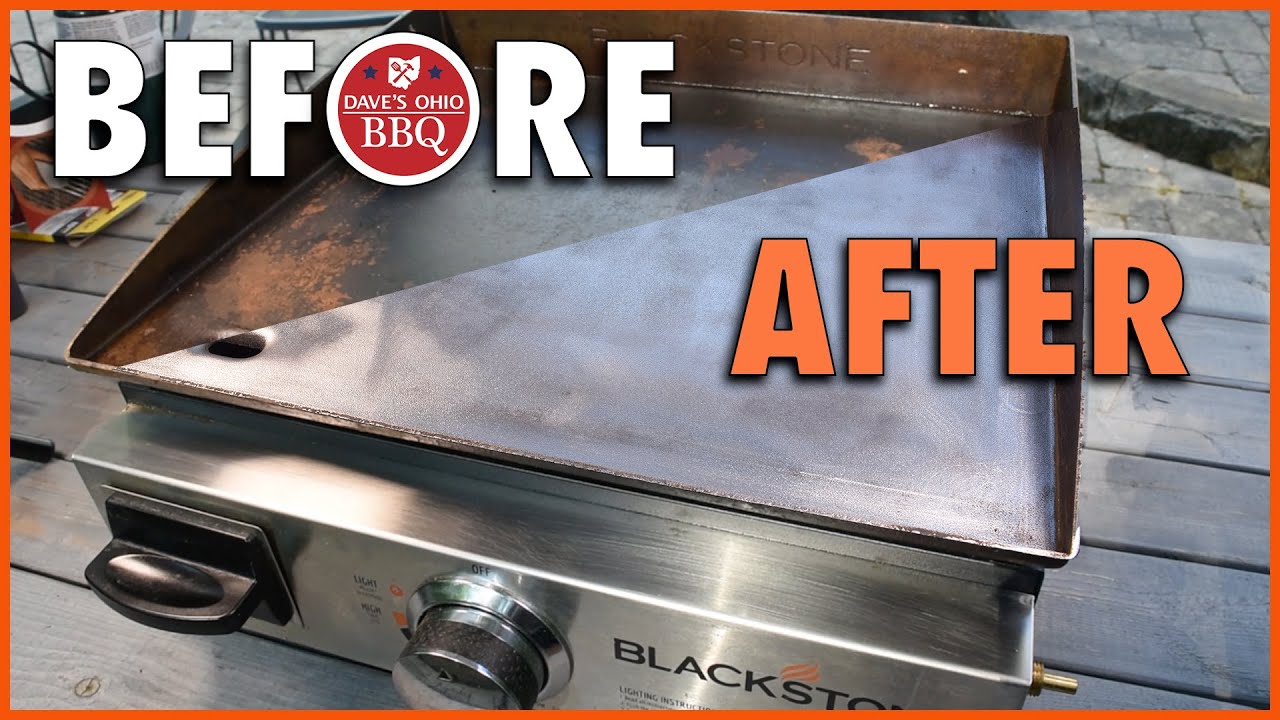
Seasoning your Blackstone griddle is essential after cleaning rust. It creates a protective layer that prevents rust from returning. This process also enhances the cooking surface, making food less likely to stick. Proper seasoning extends the life of your griddle and improves its performance.
Choosing The Right Oil
Select an oil with a high smoke point for seasoning. Flaxseed oil, canola oil, and grapeseed oil are excellent choices. These oils polymerize well, forming a strong protective coating. Avoid oils with low smoke points, like olive oil, as they can leave sticky residues.
Applying Multiple Layers
Apply a thin layer of oil evenly across the griddle surface. Use a clean cloth or paper towel for smooth coverage. Heat the griddle to allow the oil to bond with the metal. Repeat this process 3 to 5 times for a durable seasoning layer. Thin layers prevent peeling and build a solid finish.
Heating The Sides And Corners
Heat the sides and corners of your griddle during seasoning. These areas tend to stay cooler and can rust if neglected. Use a heat source like a propane torch or the griddle’s burners. Even heating ensures the oil bonds everywhere, protecting the entire surface. This step keeps your griddle rust-free and ready for cooking.
Credit: www.youtube.com
Maintaining Rust-free Surface
Keeping your Blackstone griddle free from rust protects its cooking surface and extends its life. A rust-free surface ensures better cooking results and easier cleanup. Simple habits can stop rust from forming and keep your griddle ready for every meal.
Regular Cleaning Practices
Clean the griddle after every use while it is still warm. Use a metal scraper to remove food scraps and grease. Wipe the surface with a damp cloth to clear leftover debris. Avoid using soap, as it can strip the seasoning. Dry the griddle fully to stop moisture from causing rust.
Consistent Oiling And Seasoning
Apply a thin layer of cooking oil after cleaning and drying the griddle. Heat the griddle until the oil smokes slightly to seal the surface. This process builds a protective layer that prevents rust. Repeat seasoning regularly, especially if the griddle looks dry or dull. Oiling keeps the surface smooth and rust-free.
Storage Tips To Prevent Rust
Store your griddle in a dry place away from rain and moisture. Cover it with a fitted grill cover to protect against dust and humidity. Avoid leaving water on the surface or inside the griddle. If storing for a long time, coat the surface with oil and wrap it in a cloth. Proper storage stops rust before it starts.
Frequently Asked Questions
How Do You Get Rust Off A Blackstone Griddle?
Scrape loose rust, scrub with vinegar-water or baking soda paste using steel wool. Rinse, dry thoroughly, then re-season with oil immediately to prevent rust. For deep rust, use a wire brush or sander before seasoning multiple oil layers.
Can I Put Vinegar On My Blackstone Griddle To Remove The Rust?
Yes, vinegar mixed with water can help remove light rust from your Blackstone griddle. Scrub gently, rinse, dry, and re-season immediately.
What Is The Fastest Way To Clean Rust Off A Grill?
Scrape loose rust with a metal scraper. Scrub with vinegar-water or baking soda paste. Rinse, dry completely, then re-season with oil to prevent rust.
How To Bring A Blackstone Back To Life?
Scrape loose rust and debris from the Blackstone griddle. Scrub with a vinegar-water mix or baking soda paste using steel wool. Rinse thoroughly, dry completely, then season immediately with oil. For heavy rust, use an orbital sander and apply multiple seasoning layers to restore the surface.
Conclusion
Cleaning a rusty Blackstone griddle does not have to be hard. Start by scraping off loose rust and grime. Use simple household items like vinegar or baking soda to scrub gently. Always rinse well and dry the griddle completely to stop new rust.
Finish by seasoning the surface with oil to keep it smooth and protected. Regular cleaning and oiling help the griddle last longer. Take care of your griddle, and it will serve you well for many meals to come. Simple steps make a big difference.