How to Turn on a Blackstone Griddle: Easy Steps for Perfect Cooking
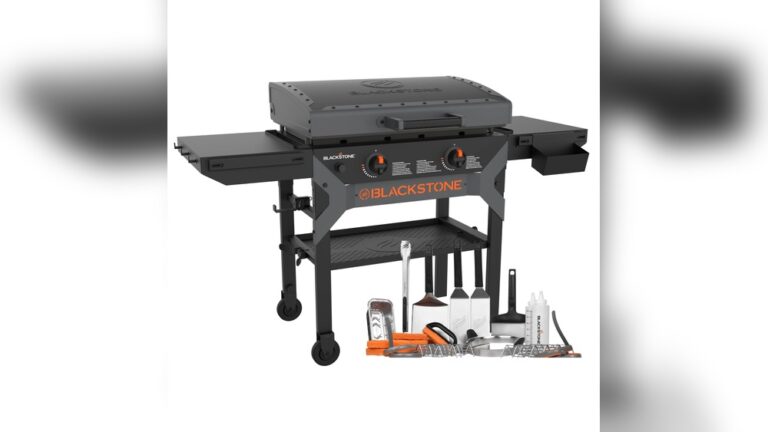
If you’ve just got your Blackstone griddle or are trying to fire it up for the first time, you might be wondering exactly how to turn it on safely and easily. Getting that perfect sizzle starts with knowing the right steps to ignite your griddle without frustration.
Whether you’re a beginner or need a quick refresher, this guide will walk you through the simple process to get your Blackstone griddle up and running in no time. By following these easy instructions, you’ll avoid common pitfalls and start cooking like a pro today.
Ready to master your griddle? Let’s dive in!
Preparing Your Blackstone Griddle
Preparing your Blackstone griddle is essential before turning it on. This step ensures safety and smooth operation. Taking time to prepare helps avoid problems while cooking.
Proper preparation includes checking the propane supply, setting up the griddle outdoors, and inspecting burner tubes and ports. Each task is simple but important for a good cooking experience.
Checking Propane Supply
Start by making sure your propane tank has enough fuel. A full tank prevents interruptions during cooking. Check the valve to confirm it is fully open. If you smell gas, close the valve and check for leaks. Use soapy water on connections to find bubbles, which show leaks.
Setting Up The Griddle Outdoors
Place your Blackstone griddle on a flat, stable surface outside. Keep it away from walls, plants, or anything flammable. Good airflow helps the gas burn safely and efficiently. Avoid enclosed spaces to reduce fire hazards and carbon monoxide risks.
Inspecting Burner Tubes And Ports
Look inside the burner tubes for dirt, spider webs, or debris. Blocked tubes stop gas flow and cause uneven heat. Use a soft brush or compressed air to clean the tubes and ports gently. Make sure no holes or damage are present before lighting the griddle.
Starting The Griddle
Starting the Blackstone griddle is simple and safe if you follow the right steps. This section guides you through the process. Proper startup ensures even cooking and extends your griddle’s life.
Opening The Propane Tank Valve
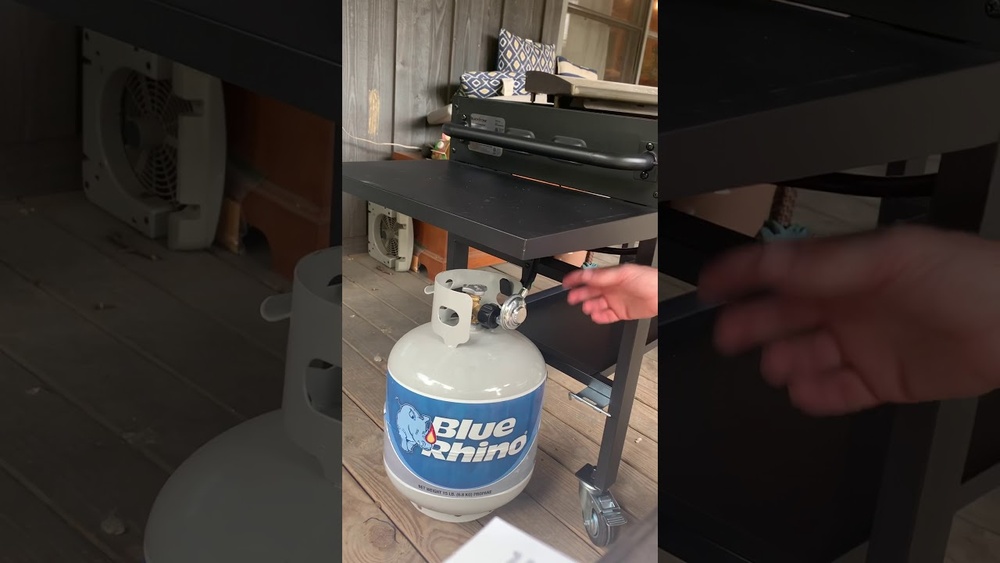
First, locate the propane tank attached to your griddle. Turn the valve handle slowly counterclockwise to open it. This allows gas to flow to the burners. Check for any leaks or unusual smells before proceeding. A steady hiss sound means gas is moving properly.
Igniter Button Operation
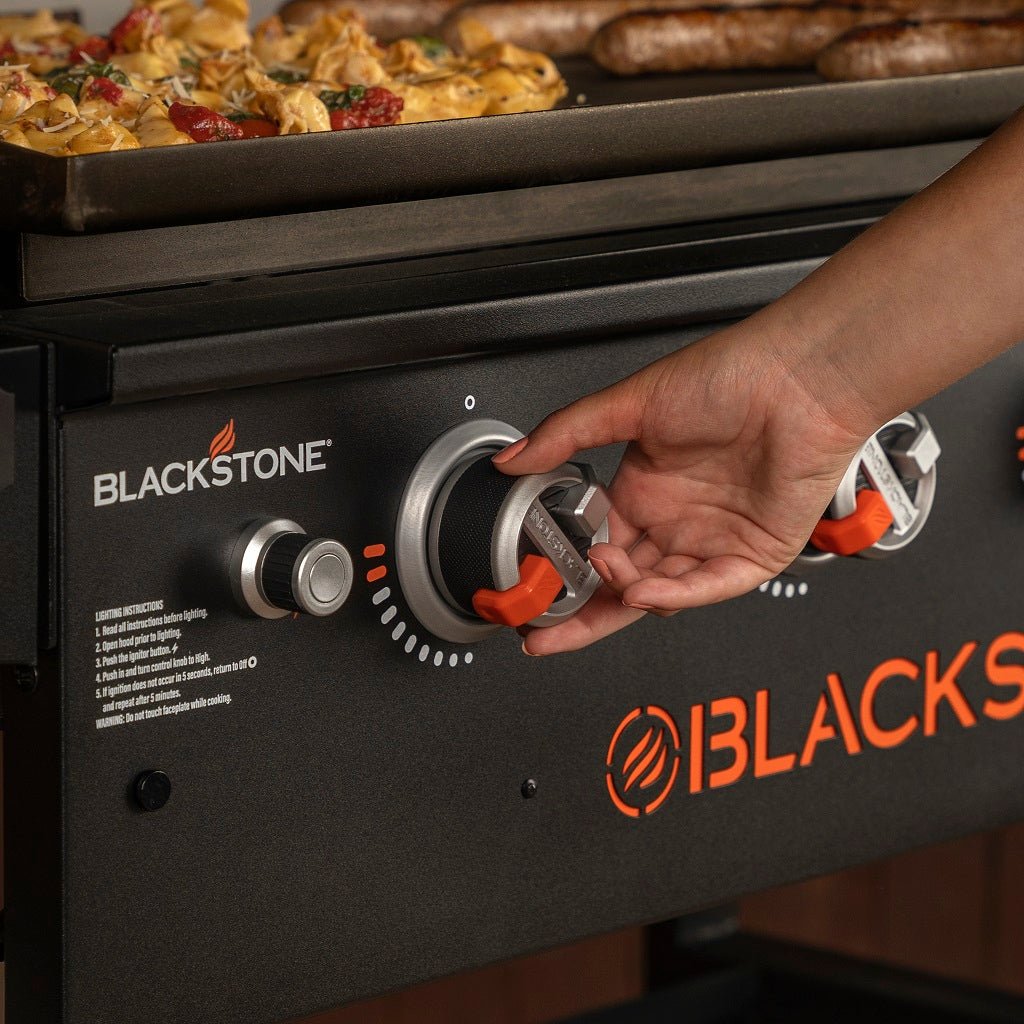
Next, find the igniter button near the burner knobs. Push and hold the burner knob to release gas. Press the igniter button repeatedly until you see a spark. The burner should light within seconds. Keep holding the knob for about 10 seconds to stabilize the flame. If the burner does not ignite, try again or use manual lighting.
Manual Lighting Methods
Sometimes the igniter may fail or the battery might be dead. Use a long match or a grill lighter for safety. Turn the burner knob to the light position. Hold the flame close to the burner ports. The gas will ignite quickly. Always keep your face and hands away from the burners while lighting. Once lit, adjust the flame to your desired level.
Seasoning Your Griddle
Seasoning your Blackstone griddle is an essential step before cooking. It creates a natural non-stick surface. It also protects the metal from rust and damage. Proper seasoning improves the flavor of your food and extends the griddle’s life.
Follow simple steps to season your griddle correctly. Use the right oil and heating method. Keep the surface maintained for best results every time you cook.
Applying Cooking Oil
Start by cleaning the griddle surface. Use warm water and a cloth to remove dust. Dry the surface completely before applying oil.
Choose an oil with a high smoke point like flaxseed, canola, or vegetable oil. Pour a small amount of oil onto the griddle. Use a paper towel to spread it evenly over the entire surface. Make sure the oil layer is thin and covers every part.
Heating For Seasoning
Turn on your Blackstone griddle to medium-high heat. Let the surface heat until the oil starts to smoke. This means the oil is bonding to the metal.
Keep the griddle hot for about 10 to 15 minutes. Watch for any spots that look dry. Add a little more oil if needed and spread it again. Turn off the griddle and let it cool fully before touching the surface.
Maintaining The Seasoned Surface
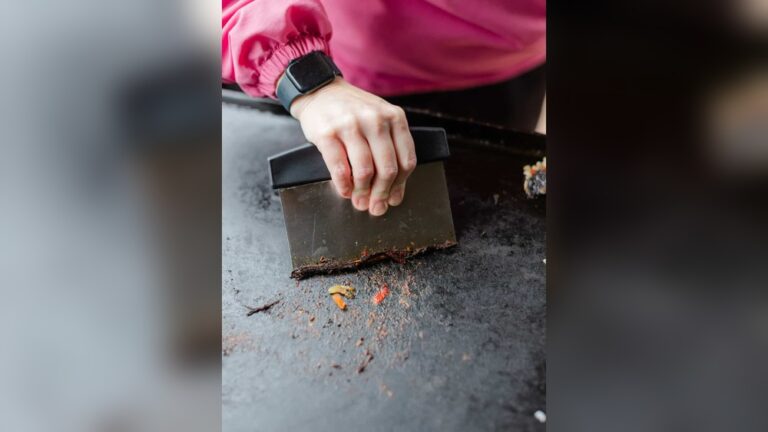
After cooking, clean the griddle while it is still warm. Use a scraper to remove food bits. Avoid harsh soap or abrasive cleaners.
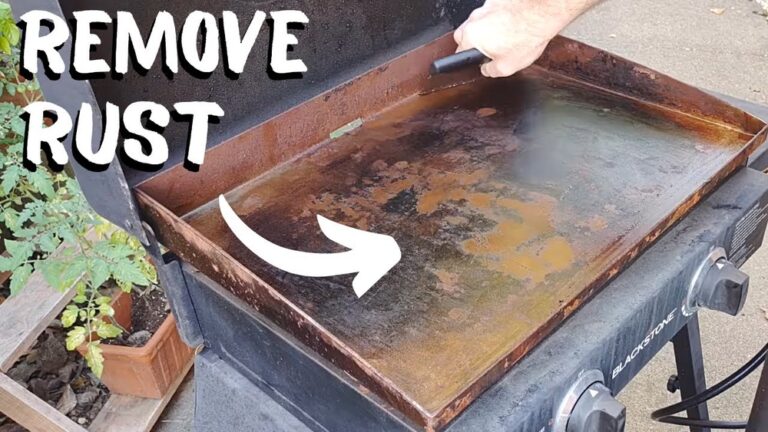
Apply a thin layer of oil after each use. This keeps the surface from rusting. Store the griddle in a dry place with a cover to protect it from dust and moisture.
Common Ignition Issues
Common ignition issues can stop your Blackstone griddle from starting properly. These problems often involve the igniter system or gas flow. Troubleshooting them helps you get cooking faster. Simple fixes often solve the problem without needing professional help.
Check the igniter and burner areas for dirt or damage. Sometimes, replacing small parts or cleaning can restore proper function. Understanding these common problems makes your griddle more reliable.
Dead Battery Replacement
The igniter uses a AA battery to create sparks. A dead battery means no spark and no ignition. Open the igniter box and remove the old battery carefully. Insert a fresh AA battery with the positive side facing out. Close the box and try lighting the griddle again. Replacing the battery is quick and often solves the issue.
Cleaning Burner Ports
Burner ports can get clogged by spider webs, dirt, or food debris. Clogs stop gas flow and prevent ignition. Use a small brush or a pin to clear each burner port. Make sure the griddle is off and cool before cleaning. Clear burner ports help the gas flow evenly and ignite correctly every time.
Adjusting Igniter Needles
Igniter needles create the spark to light the gas. Sometimes, these needles get misaligned or dirty. Remove the griddle top safely and locate the L-shaped igniter needles. Gently adjust their position so they are close to the burner tubes but not touching. Clean the needles with a soft cloth to remove dirt. Proper needle alignment ensures a strong, consistent spark for ignition.
Advanced Troubleshooting
Advanced troubleshooting helps fix tough issues with your Blackstone griddle. It goes beyond basic steps. You check parts and connections carefully. This keeps your griddle working safely and well.
Focus on the igniter box, wiring, and gas flow. These three areas often cause problems. Testing each part saves time and money. Follow clear steps to find the root cause.
Testing Igniter Box Functionality
First, test the igniter box. This box creates the spark to light gas. Turn off the gas and unplug the igniter wires. Press the igniter button. Look closely for a spark at the tip of the igniter needle. No spark means the box may be faulty. Replace the igniter box if needed to restore spark.
Checking And Securing Wiring
Loose or damaged wires stop the igniter from working. Check all wiring connections. Make sure wires are tight and not frayed. Look for broken or burnt spots on wires. Secure all wires with electrical tape or connectors. Proper wiring ensures a steady spark every time.
Confirming Gas Flow With Manual Ignition
Sometimes the problem is gas flow, not the igniter. Turn the gas valve on fully. Use a long lighter to light the burner manually. If the burner lights, gas flow is fine. If no flame appears, check the propane tank and regulator. Clear any blockages in burner ports. Proper gas flow is key to lighting your griddle.

Credit: www.wikihow.com
Safety Tips For Operating Your Griddle
Operating your Blackstone griddle safely is important for a great cooking experience. Following safety tips reduces risks and protects you and your family. This section covers key safety rules to keep in mind every time you use your griddle.
Proper Ventilation
Always use your Blackstone griddle outdoors or in a well-ventilated area. This prevents harmful gases from building up. Avoid using the griddle inside enclosed spaces such as garages or tents. Fresh air helps keep the cooking environment safe and comfortable.
Handling Gas Connections
Check gas connections before every use. Tighten all fittings by hand and then slightly with a wrench. Look for leaks by applying soapy water to connections and watching for bubbles. If you smell gas, turn off the supply immediately. Never ignore the smell of gas as it is very dangerous.
Regular Maintenance Checks
Clean your griddle and burners regularly to prevent blockages. Inspect hoses and regulators for cracks or damage. Replace any worn parts before cooking. Keeping your griddle in good shape helps avoid accidents and keeps it working well for years.
Optimizing Cooking Performance
Optimizing cooking performance on your Blackstone griddle ensures tasty meals every time. Proper heat control, the right tools, and cleaning after use keep your griddle working well. These steps help maintain even cooking and extend your griddle’s life.
Controlling Heat Levels
Start by turning on your Blackstone griddle following the manual instructions. Use the control knobs to set the heat according to your recipe. Adjust the flame gradually to avoid burning food. Keep an eye on temperature changes to cook food evenly. Use a thermometer if needed for precise heat control.
Using The Right Cooking Tools
Choose tools that fit your griddle surface and cooking style. Metal spatulas work best for flipping and scraping. Avoid plastic tools that can melt on hot surfaces. Use tongs to handle delicate foods without breaking them. Keep your tools clean and dry to prevent rust and damage.
Cleaning After Use
Clean your griddle after every cooking session. While the surface is still warm, scrape off food debris with a metal scraper. Wipe the griddle with a cloth or paper towel to remove grease. Use water and mild soap if needed, but avoid harsh chemicals. Dry the surface well to prevent rust before storing.

Credit: www.youtube.com
Credit: primer.mn
Frequently Asked Questions
Why Is My Blackstone Grill Not Turning On?
Your Blackstone grill may not turn on due to a dead igniter battery, clogged burner ports, closed propane valve, or faulty igniter box. Clean burners, check gas flow, replace the battery, and ensure all connections are secure to fix the issue.
How To Get A Blackstone To Ignite?
Open the propane tank valve fully. Press and hold the burner knob to release gas. Press the igniter button until the burner lights. Replace the igniter battery if it doesn’t spark. Clean burner ports from debris for proper gas flow.
How To Light Up A Griddle?
Turn on the gas supply and open the burner valve. Press and hold the ignition button until the burner lights. Adjust flame as needed. Clean burner ports regularly for proper ignition. Use a match to light manually if the igniter fails.
How To Heat Up A Blackstone Griddle?
Turn on the propane tank and open the valve. Press and hold the burner knob, then ignite using the igniter button. Let the griddle heat for 10-15 minutes until it reaches the desired temperature. Adjust heat as needed for cooking.
Conclusion
Turning on a Blackstone griddle is simple with the right steps. Always check the propane tank and make sure the valve is open. Clean burner ports to avoid blockages. Press and hold the burner knob to allow gas flow before lighting.
Replace the igniter battery if the spark is weak or missing. If the griddle still won’t light, try manual ignition carefully. Regular maintenance keeps your griddle working well and safe. Follow these tips for a smooth cooking experience every time.
Enjoy your outdoor cooking with confidence!