How to Restore a Blackstone Griddle: Ultimate Step-by-Step Guide
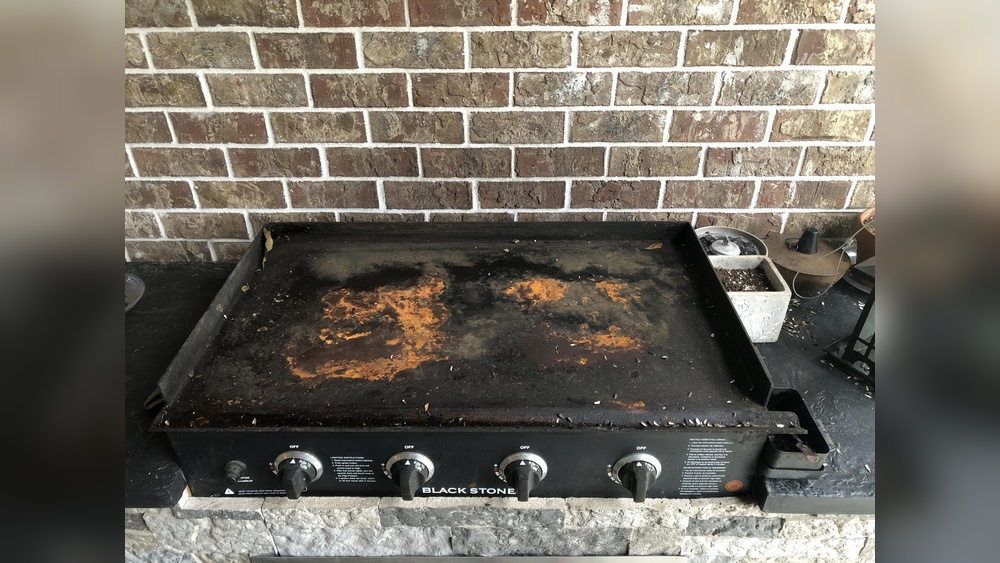
Is your Blackstone griddle looking rusty or worn out? Don’t worry—you can bring it back to life and enjoy cooking on it again like new.
Rust not only ruins the cooking surface but can also affect the taste and safety of your food. The good news is that restoring your Blackstone griddle is easier than you might think. In this guide, you’ll learn simple, step-by-step methods to remove rust, clean your griddle thoroughly, and reseason it to create a smooth, non-stick surface.
By following these easy tips, you’ll protect your investment and get back to grilling delicious meals with confidence. Keep reading to discover how to restore your Blackstone griddle quickly and safely!

Credit: www.youtube.com
Signs Of Rust On Griddle
Rust on your Blackstone griddle can damage its performance and safety. Spotting rust early helps keep your griddle in good shape. This section explains common signs of rust. Watch for changes in color and texture. Acting fast can save your cooking surface and food quality.
Visual Rust Indicators
Rust usually appears as orange or brown spots on the griddle. The surface may look rough or flaky in those areas. Sometimes, rust forms patches that feel gritty to the touch. It can spread quickly if left alone. Small rust spots can grow larger with use and exposure to moisture.
Impact On Cooking Surface
Rust creates an uneven surface that affects cooking. Food may stick more and cook unevenly on rusty patches. The heat distribution can become inconsistent. This results in poor searing and burnt spots. Over time, rust weakens the metal, shortening the griddle’s life.
Food Safety Concerns
Rust flakes can break off and mix with your food. Eating rust is unsafe and can cause stomach issues. It may also give your food a metallic taste. Keeping the griddle rust-free ensures healthier meals. Cleaning rust promptly protects your family’s health.
Tools Needed For Restoration
Restoring a Blackstone griddle takes the right tools. Having proper equipment makes the job easier and faster. It helps remove rust and buildup properly. Good tools prepare the surface for seasoning. Here are the key tools needed for restoration.
Scraping Tools
Scraping tools remove rust, burnt food, and debris. A metal spatula or griddle scraper works well. Use a grill brick or pumice stone for tougher rust spots. Avoid using tools that can damage the surface. Choose sturdy and flat scrapers for even cleaning.
Cleaning Supplies
Cleaning supplies help wash away dirt and grease. Mild dish soap is safe for griddles. Use a soft scrub pad or cloth to avoid scratches. White vinegar can help dissolve rust stains. Warm water rinses off residue effectively. Have clean towels or paper towels for drying.
Seasoning Oils And Equipment
Seasoning protects the griddle from rust and makes cooking better. Use oils with a high smoke point like flaxseed, canola, or vegetable oil. Apply oil with a cloth or paper towel. A heat source, such as a propane burner, is needed to bake the oil. Seasoning brushes or spray bottles can help spread oil evenly.
Removing Rust Step-by-step
Removing rust from your Blackstone griddle is a key step in restoring its cooking surface. Rust can damage the griddle and affect food taste. Follow these simple steps to clean off rust and prepare your griddle for seasoning again. The process is easy and requires only a few household items.
Scraping Off Loose Rust
Start by scraping off any loose rust with a metal spatula or grill scraper. Work gently to avoid scratching the surface too deeply. Remove all flakes and powdery rust so the metal underneath shows clearly. This step clears the way for deeper cleaning.
Using Vinegar Or Baking Soda
Apply white vinegar or a paste made from baking soda and water to the rusty areas. Vinegar dissolves rust, while baking soda acts as a mild abrasive. Let the solution sit for 10-15 minutes to break down rust. Then scrub with a sponge or steel wool to remove stubborn spots.
Rinsing And Drying Thoroughly
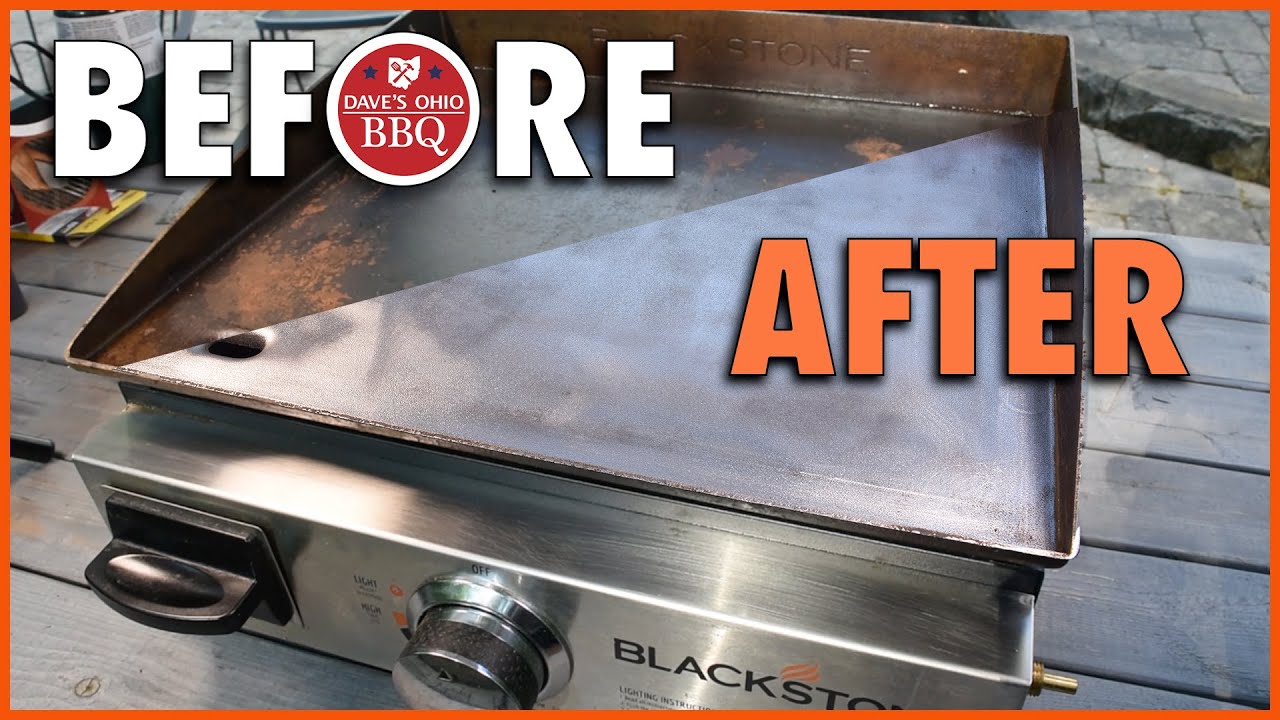
Rinse the griddle surface with warm water to wash away rust and cleaning residue. Use a clean cloth to wipe it down completely. Dry the griddle fully using paper towels or a dry cloth. Moisture left on the surface can cause rust to return quickly.
Credit: www.youtube.com
Reseasoning The Griddle
Reseasoning the Blackstone griddle is a key step to restore its cooking surface. It protects the metal from rust and creates a natural non-stick layer. Proper reseasoning ensures your griddle lasts longer and cooks better.
Follow these steps carefully to restore your griddle’s seasoning and keep it in top shape.
Choosing The Right Oil
Pick an oil with a high smoke point for seasoning. Flaxseed, canola, or grapeseed oils work well. Avoid olive oil because it burns too quickly. The right oil helps build a durable, non-stick surface.
Applying Thin Oil Layers
Use a clean cloth or paper towel to spread a thin, even layer of oil. Cover the entire griddle surface, including edges. Thin layers prevent sticky buildup and help the oil bond better to the metal.
Heating And Polymerizing
Heat the griddle on medium-high until the oil smokes. This process, called polymerizing, bonds the oil to the surface. Let it cool down slowly. Proper heating is crucial for creating a hard, protective layer.
Repeating For Durability
Repeat oil application and heating three to four times. Multiple layers build a stronger seasoning. Each layer adds more protection and improves non-stick performance. This step makes your griddle ready for cooking again.
Preventing Future Rust
Preventing future rust on your Blackstone griddle keeps it cooking well and safe. Rust damages the cooking surface and can flake into your food. Simple daily habits stop rust from forming again. Focus on cleaning, drying, and oiling after every use. These steps protect the metal and extend your griddle’s life.
Cleaning After Each Use
Always clean your griddle right after cooking. Use a scraper to remove food bits and grease. Wipe the surface with a damp cloth or paper towel. Avoid using soap or harsh chemicals. Clean griddles dry faster and stop rust from growing.
Proper Drying Techniques
Dry your griddle completely after cleaning. Use a dry cloth or paper towel to absorb all moisture. Leave the griddle uncovered for a few minutes to air dry. Moisture left on the surface causes rust spots fast. Never store the griddle wet or in a damp place.
Regular Oiling Maintenance
Apply a thin layer of cooking oil after drying. Use oils with high smoke points like flaxseed or vegetable oil. Spread the oil evenly with a paper towel or cloth. This creates a protective barrier against moisture and rust. Oil the griddle regularly, even if you don’t use it daily.

Credit: www.esseg.eu
Handling Severe Rust Cases
Severe rust on your Blackstone griddle can cause real problems. It damages the cooking surface and may affect food safety. Handling such rust needs careful steps to restore the griddle properly. Deep rust cannot be fixed by simple cleaning methods. You must remove all rust to avoid flakes in your food. This section explains how to deal with heavy rust and when to get help.
When To Seek Professional Help
Heavy rust that covers most of the griddle surface is hard to fix alone. If rust has eaten into the metal, restoration becomes tricky. Professionals have the right tools and knowledge to handle deep rust. They can grind, sand, and reseason the griddle safely. Seek help if rust is thick or has caused holes. Trying DIY in these cases may cause more damage.
Safety Considerations For Cooking
Cooking on a rusty griddle risks health and food quality. Rust flakes can mix into your food, making it unsafe. Always clean and reseason your griddle after rust removal. Use protective gloves and masks while working on rust. Avoid breathing in rust dust or fumes from cleaners. Properly seasoning the griddle creates a safe, non-stick surface for cooking.
Frequently Asked Questions
How To Bring A Blackstone Griddle Back To Life?
Scrape off rust using a grill brick or wire brush. Clean with vinegar or baking soda. Dry thoroughly. Reseason by applying oil and heating until dark. Repeat seasoning 3-4 times. Keep griddle clean, dry, and oiled after use to prevent rust.
Is A Rusted Blackstone Ruined?
A rusted Blackstone griddle is not ruined. You can remove rust by scraping, cleaning, and re-seasoning it. Proper care prevents future rust.
Can I Use Dawn Dish Soap To Clean My Blackstone Griddle?
Yes, you can use Dawn dish soap to clean your Blackstone griddle. Use mild soap with warm water to remove grease. Avoid harsh detergents to protect seasoning. Rinse thoroughly and dry completely. Re-season the griddle after washing to maintain its non-stick surface and prevent rust.
Will Baking Soda Remove Rust From My Griddle?
Baking soda can help remove light rust from your griddle by scrubbing it gently. For heavy rust, use vinegar or a grill brick first. Always rinse and dry thoroughly, then re-season the griddle to restore its non-stick surface and prevent future rust.
Conclusion
Restoring your Blackstone griddle keeps it cooking like new. Regular cleaning stops rust from coming back. Use simple tools and oils to protect the surface. Keep the griddle dry and season it often. A well-maintained griddle gives better food and lasts longer.
Enjoy cooking with confidence on a smooth, rust-free surface. Take care today, and your griddle will serve well tomorrow.