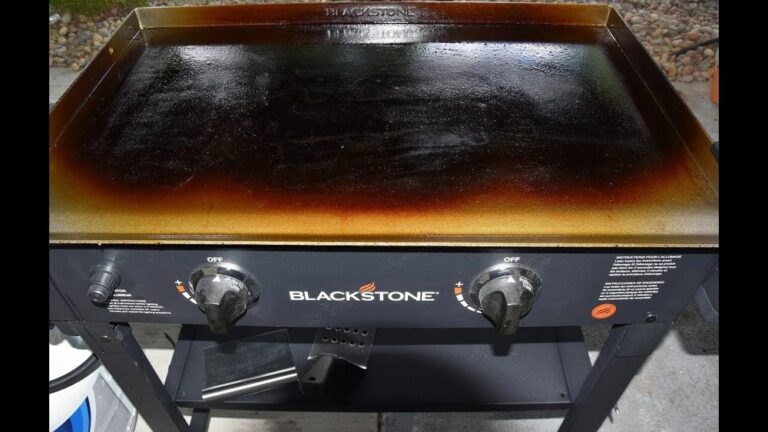
How to Strip And Reseason Blackstone Griddle: Ultimate Guide
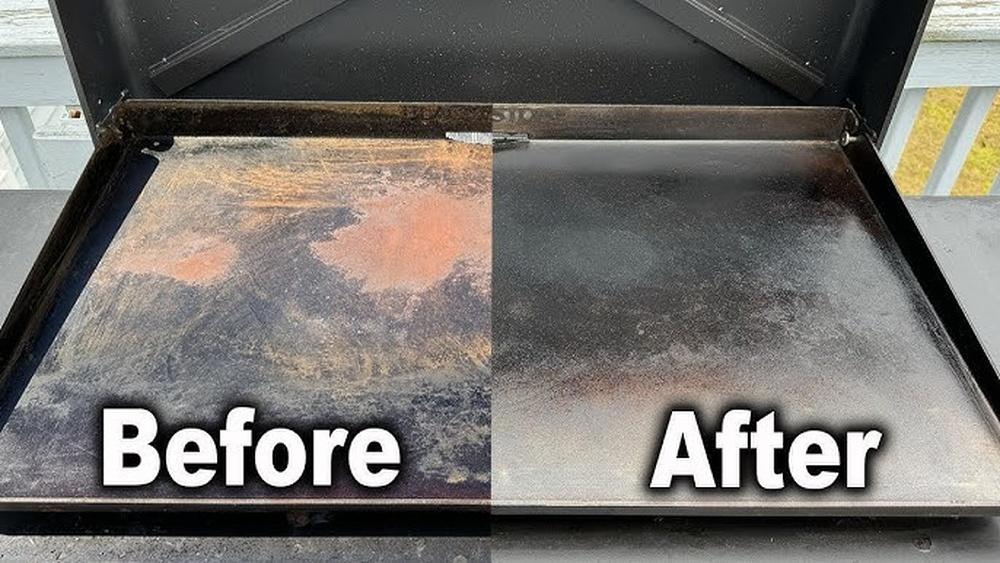
Your Blackstone griddle is an amazing tool for cooking delicious meals, but over time, the seasoning can wear off, and rust or flaking might appear. If you want your griddle to cook like new again, stripping and reseasoning it is the key.
In this guide, you’ll learn simple, step-by-step methods to remove old seasoning and restore that perfect non-stick surface. Whether you’re dealing with stubborn rust or just want to refresh your griddle, this easy process will bring your Blackstone back to life.
Keep reading, and you’ll be flipping pancakes and searing steaks on a smooth, well-seasoned griddle in no time!

Credit: www.reddit.com
Preparing The Griddle
Preparing your Blackstone griddle for stripping and reseasoning is a vital first step. This stage ensures the process goes smoothly and safely. Taking time to prepare also helps protect your griddle and yourself. The key parts are gathering the right tools and following safety steps.
Gathering Necessary Tools
Collect all tools before starting. You will need a metal scraper to remove old seasoning. A griddle cleaning pad or steel wool helps scrub tough spots. Have a bucket of warm soapy water ready for rinsing. Use paper towels or clean rags for drying. Cooking oil or seasoning spray will be needed later. Make sure your workspace is well lit and ventilated.
Safety Precautions
Wear gloves to protect your hands from sharp edges and chemicals. Use eye protection to avoid splashes from cleaning liquids. Work in an open area or near a window to avoid fumes build-up. Keep children and pets away during the process. Avoid using harsh chemicals that can damage the griddle. Follow manufacturer guidelines to prevent accidents or damage.
Stripping Old Seasoning
Stripping old seasoning from your Blackstone griddle is the first step to restoring its cooking surface. Over time, layers of seasoning and food residue build up. This buildup can cause uneven heating and sticky spots. Removing the old seasoning helps prepare the griddle for a fresh, even coat. The process requires care and the right tools to avoid damaging the surface.
Removing Loose Debris
Start by scraping off loose bits of food and charred seasoning. Use a metal spatula or scraper designed for griddles. Work gently to avoid scratching the surface. Clear away crumbs, grease, and burnt pieces to reveal the bare metal underneath. This step makes the deep cleaning more effective.
Using Grill Brick Or Pumice Stone
Next, scrub the griddle with a grill brick or pumice stone. These tools remove stubborn seasoning and rust. Move in small circles, applying moderate pressure. Avoid harsh scrubbing that can leave scratches. Focus on areas with thick buildup. This step helps strip the surface evenly for reseasoning.
Cleaning With Soap And Water
After scrubbing, wash the griddle with warm water and mild soap. Use a soft sponge or cloth to clean the entire surface. Soap breaks down leftover oils and dirt. Rinse thoroughly to remove all soap residue. This cleaning ensures no impurities remain before drying.
Drying The Surface
Dry the griddle completely to prevent rust. Use a clean towel to wipe off water. Then, heat the griddle on low for a few minutes. This step evaporates any remaining moisture. A dry surface is crucial before applying new seasoning layers. It keeps the metal safe and ready for use.
Removing Rust
Removing rust from your Blackstone griddle is a key step before reseasoning. Rust can damage the cooking surface and affect food taste. Cleaning it properly ensures your griddle lasts longer and cooks evenly. Use simple tools and household items to get rid of rust safely and effectively.
Applying Vinegar
Start by applying white vinegar directly to the rusty spots. Vinegar’s acidity helps break down rust quickly. Pour some vinegar on a cloth or spray bottle for even coverage. Let it sit for 10 to 15 minutes. This softens the rust and makes it easier to remove.
Scrubbing Techniques
Use a non-abrasive scrubber or steel wool to scrub the rust. Move in circular motions for better results. Avoid harsh scrubbing that might scratch the griddle. Rinse the surface with warm water often to check progress. Repeat scrubbing and rinsing until rust disappears.
Dealing With Stubborn Rust
For tough rust patches, apply more vinegar and let it soak longer. Use a wire brush or fine sandpaper gently on stubborn areas. Be careful not to damage the metal underneath. Wipe the surface clean with a damp cloth. Dry the griddle fully before moving to the reseasoning step.
Heating The Griddle
Applying oil is a key step in reseasoning your Blackstone griddle. It helps create a smooth, non-stick surface. The oil forms a protective layer that stops rust and improves cooking. Proper oil application ensures your griddle lasts longer and works better.
Choosing The Right Oil
Pick an oil with a high smoke point. Oils like flaxseed, canola, or grapeseed work well. Avoid oils that burn easily, like olive oil. The right oil helps build a strong seasoning layer. It also resists heat and prevents sticky spots.
Spreading Thin, Even Layers
Use a paper towel or cloth to spread the oil. Apply a small amount at a time. Spread it thinly and evenly over the surface. Thick layers can become sticky or peel off. Thin layers absorb better and create a smoother finish.
Covering The Entire Surface
Make sure to oil every part of the griddle. Don’t forget the edges and corners. An even coat protects the whole cooking area. It stops rust from forming in uncoated spots. Complete coverage leads to better heat distribution and cooking results.
Applying Oil
After stripping and reseasoning your Blackstone griddle, the final touches make a big difference. These steps protect the surface and keep it ready for your next cookout. Proper cooling, a final oil wipe, and covering the griddle are key to lasting seasoning. Follow these simple tips to maintain your griddle’s performance and appearance.
Cooling Down
Let the griddle cool down naturally. Avoid pouring water on it or cooling it too fast. A slow cool helps the new seasoning layer bond well. Wait until the surface feels warm but not hot to the touch. This prevents warping and keeps the seasoning strong.
Last Oil Wipe
Use a clean cloth or paper towel to apply a thin layer of oil. Choose a high smoke point oil like flaxseed, canola, or vegetable oil. Spread the oil evenly across the entire cooking surface. This last wipe seals the seasoning and prevents rust. Wipe off any excess oil to avoid sticky spots.
Covering The Griddle
Cover your griddle with a fitted lid or heavy-duty cover. This keeps dust, moisture, and insects away. Store it in a dry place to avoid rust formation. Covering also protects the surface from dirt and weather damage. Always cover the griddle after it cools completely.

Credit: www.reddit.com
Burning Off Oil
Proper maintenance keeps your Blackstone griddle working great for years. Regular care prevents damage and improves cooking performance. Follow these simple tips to protect your griddle surface and keep it smooth and rust-free.
When To Reseason
Reseason your griddle when food starts sticking or the surface looks dull. If you notice rust spots or uneven color, it’s time to strip and reseason. After heavy use or deep cleaning, reseasoning restores the non-stick layer. A well-seasoned surface helps food cook evenly and prevents rust.
Preventing Rust
Rust forms when moisture stays on the griddle too long. Always clean your griddle after cooking and dry it well. Apply a thin coat of cooking oil to the surface while it is still warm. This oil layer blocks moisture and stops rust from forming. Avoid leaving water on the griddle overnight.
Proper Storage
Store your Blackstone griddle in a dry place to protect it from humidity. Use a fitted cover designed for your griddle model. This keeps dust and moisture off the surface. If you store it outside, ensure the cover is waterproof and secure. Proper storage keeps your griddle ready for your next cook.
Final Touches
Troubleshooting common issues is key to maintaining your Blackstone griddle. Problems like sticky surfaces, flaking seasoning, and uneven cooking areas can affect your cooking experience. Fixing these issues early keeps your griddle in top shape for many meals.
Sticky Surface
A sticky surface often means too much oil or uneven seasoning. Clean the griddle thoroughly with hot water and a scraper. Heat the griddle until dry, then apply a thin layer of oil. Heat again to let the oil bond evenly. Repeat if stickiness stays, using less oil each time.
Flaking Seasoning
Flaking seasoning happens when the seasoning layer is too thick or not properly bonded. Strip the griddle down to bare metal using a scraper and heat. Clean with soap and water, then dry fully. Apply a thin coat of high-smoke-point oil and heat until it smokes. Repeat the process three to four times for a strong, smooth layer.
Uneven Cooking Surface
Uneven cooking spots often result from rust or leftover food bits. Scrape the surface well and clean with a griddle scrub pad. Heat the griddle to burn off any residue. Use oil to reseason evenly across the whole surface. Regular cleaning after each use helps prevent unevenness.

Credit: www.reddit.com
Frequently Asked Questions
How Do You Clean, Strip, And Reseason A Blackstone Grill?
Scrape off debris and rust using a grill brick or scouring pad. Wash with warm water and dry completely. Heat the griddle, apply a thin layer of high smoke-point oil, and burn it off. Repeat oiling and heating 2-3 times.
Finish with a final light oil coat.
How To Scrape Off Old Seasoning On Blackstone?
Scrape off old seasoning using a griddle scraper or spatula. Steam with water to loosen residue. Wipe clean, then heat and apply a thin oil layer to reseason.
How To Start Over Seasoning Blackstone?
Start by scraping off old seasoning and rust. Clean with soap and dry fully. Heat the griddle, then apply a thin, even layer of high smoke-point oil. Heat again to burn off excess oil. Repeat oiling and heating 2-3 times.
Finish with a light oil coat before storing.
How To Remove Buildup On Blackstone Griddle?
Scrape loose debris using a griddle scraper. Apply hot water and scrub with a scouring pad. Rinse and dry thoroughly. Heat the griddle and coat with a thin layer of oil. Allow oil to absorb, then repeat if needed for a clean, seasoned surface.
Conclusion
Stripping and reseasoning your Blackstone griddle keeps it cooking like new. Regular care removes rust and old seasoning layers. Applying fresh oil creates a non-stick surface for better meals. This process protects your griddle from damage and extends its life.
Clean and reseason often to enjoy great flavors every time. Your Blackstone will stay smooth, shiny, and ready for cooking. Take small steps, and your griddle will perform well for years. Simple maintenance makes all the difference in outdoor cooking fun.