How to Prep Blackstone Griddle: Ultimate Guide for Perfect Cooking
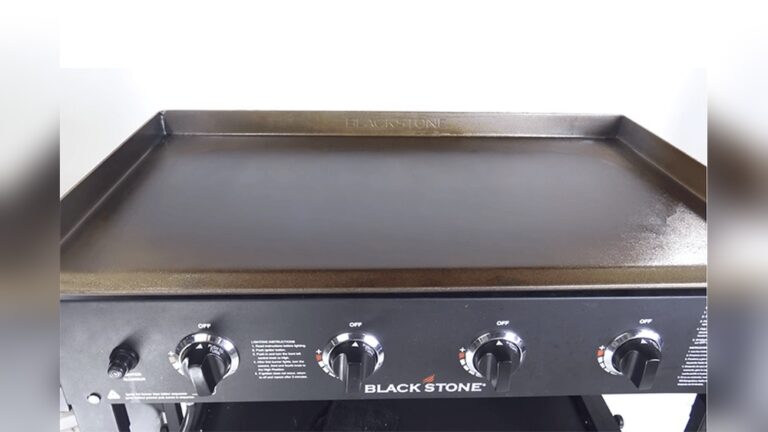
You just got your Blackstone griddle, and you’re eager to start cooking mouthwatering meals. But before you fire it up, there’s one essential step you can’t skip: prepping your griddle properly.
How you prepare your Blackstone griddle will make all the difference in how your food cooks and how long your griddle lasts. If you want to avoid sticky messes, rust, and uneven cooking, this guide is for you. Keep reading, and you’ll learn simple, proven steps to get your Blackstone griddle ready to deliver perfect results every time you cook.
Credit: www.excelcare24.co.uk
Preparing Your Blackstone Griddle
Preparing your Blackstone griddle is the first step to enjoy great meals outdoors. Proper preparation removes factory oils and protects the cooking surface. It also helps the seasoning process to start well. Follow simple steps to get your griddle ready for cooking.
Initial Cleaning Steps
Start by wiping the griddle surface with a damp cloth. Use warm water and mild soap if needed to remove dust and dirt. Avoid harsh chemicals that can damage the surface. Rinse thoroughly to clear off any soap residue. This step ensures a clean base for seasoning.
Removing Factory Oils
The griddle comes coated with factory oils to prevent rust. These oils must be removed before cooking. Heat the griddle on medium for 10 minutes to loosen the oils. Then, scrub the surface using a non-abrasive pad or brush. Rinse again with warm water to wash away the oils. Dry the surface completely before moving on.
Drying The Surface
After cleaning, dry the griddle well to avoid rust spots. Turn on all burners to high heat for about 15 minutes. This evaporates any leftover water and opens the metal pores. Use a clean cloth to wipe off excess moisture. Your Blackstone griddle is now ready for seasoning and cooking.
Seasoning Process
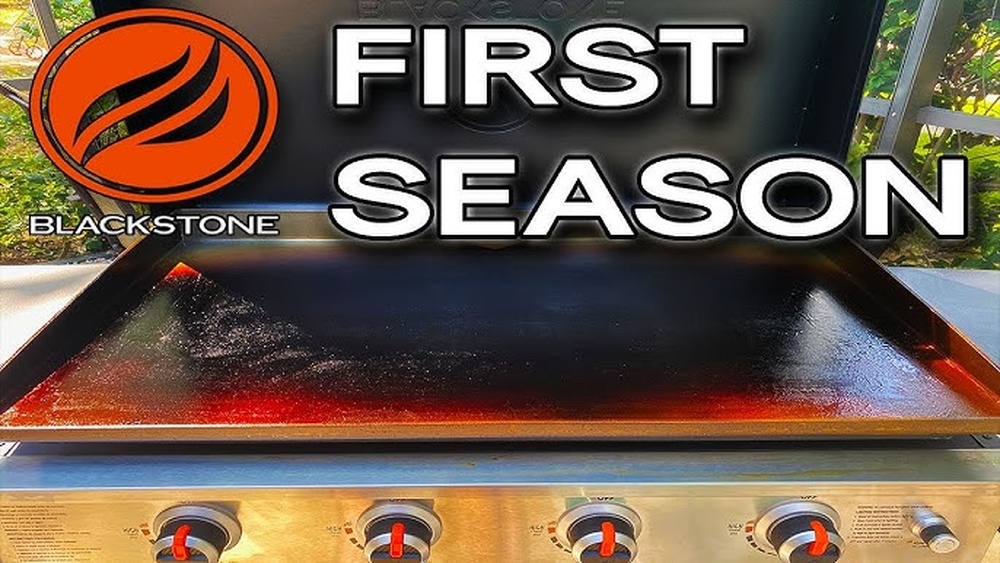
The seasoning process is essential to prepare your Blackstone griddle for cooking. It creates a natural, non-stick surface that protects the metal from rust. Proper seasoning improves cooking performance and helps food release easily. This process involves applying oil and heating the griddle multiple times. Follow these steps for a well-seasoned griddle that lasts.
Choosing The Right Oil
Select an oil with a high smoke point. Canola, avocado, or vegetable oil works best. Blackstone’s own seasoning oil is also a great choice. Avoid oils with low smoke points like olive oil. They can burn and create sticky residue. Using the right oil ensures a smooth, durable seasoning layer.
Applying Thin Oil Layers
Use a paper towel to spread a thin, even layer of oil. Cover the entire cooking surface, including edges. Thin layers prevent sticky buildup and uneven seasoning. Wipe off any excess oil to avoid pooling. Thin coats absorb better into the metal for a strong finish.
Heating To Burn Off Oil
Turn on the burners to medium-high heat. Let the griddle heat until the oil begins to smoke and burn off. This step bonds the oil to the metal surface. It creates the hard, protective layer that forms the seasoning. Keep the burners on until smoking stops, usually about 10 to 15 minutes.
Repeating The Seasoning Cycle
After the first layer cools, apply another thin coat of oil. Heat the griddle again until it smokes and burns off. Repeat this cycle 3 to 4 times. Multiple layers build a strong, non-stick surface. Each cycle improves the griddle’s durability and cooking quality.
Final Coating For Storage
Once the last layer has cooled, apply one thin, final coat of oil. This coat protects the griddle from rust during storage. Wipe off any extra oil to avoid sticky spots. Store your griddle in a dry place. This final step keeps your Blackstone ready for the next use.
Essential Tools And Oils
Preparing your Blackstone griddle properly requires the right tools and oils. These essentials help you season and maintain your griddle for better cooking. Using the correct oils and tools ensures the surface stays non-stick and rust-free. Let’s explore the key items you need for this process.
High Smoke Point Oils
Choose oils that handle high heat without burning. Canola oil, avocado oil, and vegetable oil are great choices. These oils create a durable, non-stick surface. Avoid oils with low smoke points, like olive oil. High smoke point oils protect your griddle and improve seasoning.
Recommended Seasoning Products
Seasoning products like Blackstone’s own conditioner work well. They combine oils and waxes to build a strong coating. These products spread easily and last longer. Use them after cleaning and heating your griddle. Proper seasoning prevents rust and food from sticking.
Cleaning And Scraping Tools
Keep your griddle clean with the right tools. A metal scraper removes stuck food and debris. Use a griddle brush with stiff bristles for thorough cleaning. Paper towels or cloths help wipe away excess oil. Regular cleaning tools protect your griddle’s surface.
Credit: www.thegrillcoach.com
Tips For Successful Seasoning
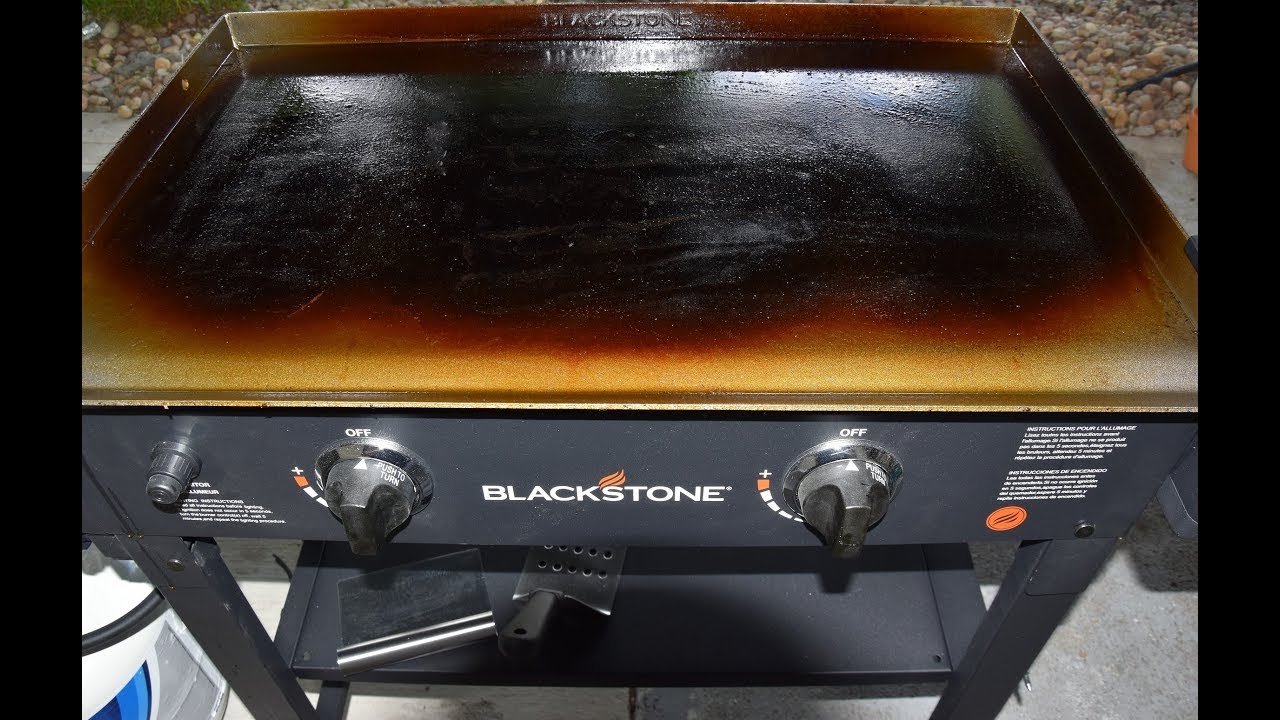
Start by cleaning the griddle surface with warm water and mild soap to remove factory oils. Heat the griddle until dry, then apply a thin layer of high smoke-point oil evenly. Repeat oiling and heating steps several times for a smooth, non-stick surface.
Avoiding Thick Oil Layers
Apply a very thin layer of oil to the griddle surface. Use a paper towel to spread the oil evenly. Wipe off any excess oil to prevent sticky spots. Thick oil layers cause uneven seasoning and flaking. Thin layers help build a smooth, durable coating. Patience is key for good seasoning results.
Maintaining Even Coverage
Cover the entire cooking surface, including edges and corners. Use circular motions to spread oil evenly. Make sure no spots are left dry or overloaded. Even coverage ensures consistent cooking and protects the metal. Check your work under good light to spot missed areas. Proper coverage improves the griddle’s lifespan.
Common Mistakes To Avoid
Do not skip cleaning before seasoning. Leftover dirt or factory oils reduce seasoning quality. Avoid using low smoke point oils like olive oil. They burn and create sticky residue. Do not rush the burn-off process; let the oil smoke and bake. Avoid applying thick oil layers or too many coats at once. These errors cause peeling and uneven seasoning.
Prepping For First Use
Preparing your Blackstone griddle for its first use is crucial for better cooking results. It removes factory residues and protects the surface. Proper preparation also helps the griddle last longer. Follow these simple steps to get your griddle ready and enjoy great meals.
Washing New Griddle
Start by washing the griddle surface with warm water. Use a mild soap if you want. This step removes oils and dust from shipping and manufacturing. Rinse the surface well to remove all soap. Dry the griddle completely with a clean cloth or paper towels.
Preheating Techniques
Turn on the griddle burners to medium heat. Let it warm up slowly for about 10-15 minutes. Heating helps dry any leftover moisture. It also opens the metal pores for better seasoning. Avoid heating on high at first to prevent damage.
Applying Initial Oil Coat
After preheating, turn off the burners. Apply a thin layer of oil over the entire surface. Use oils with a high smoke point like canola, avocado, or Blackstone seasoning oil. Use a paper towel to spread the oil evenly. Avoid thick layers to prevent stickiness. This oil layer will create a protective seasoning on the griddle.
Post-cooking Maintenance
Post-cooking maintenance is crucial for keeping your Blackstone griddle in top shape. Proper care after each use extends the life of the cooking surface. It also ensures better cooking results every time you fire it up. Following simple steps will protect the seasoning and prevent rust.
Cleaning After Each Use
Start by scraping the griddle surface while it is still warm. Use a metal scraper to remove food particles and grease. Avoid harsh soaps that can strip the seasoning. Instead, wipe down with a damp cloth or paper towel. This keeps the surface clean without damaging the protective layer.
Reapplying Oil
After cleaning, apply a thin layer of oil to the griddle. Use oils with a high smoke point like canola or avocado oil. Spread the oil evenly using a paper towel. This step helps maintain the seasoning and prevents rust. Do not use too much oil; a light coat is enough.
Burning Off Residue
Turn on the burners to medium-high heat after oiling. Let the griddle heat until the oil starts to smoke. This process burns off any leftover residue and bonds the oil to the surface. It also builds a stronger seasoning layer. Once smoking slows down, turn off the heat and let it cool.
Building Long-term Seasoning
Building long-term seasoning on your Blackstone griddle keeps the cooking surface smooth and non-stick. It protects the metal from rust and improves flavor over time. Consistent care and attention create a durable, blackened coating that lasts through many cookouts.
Regular Oil Application
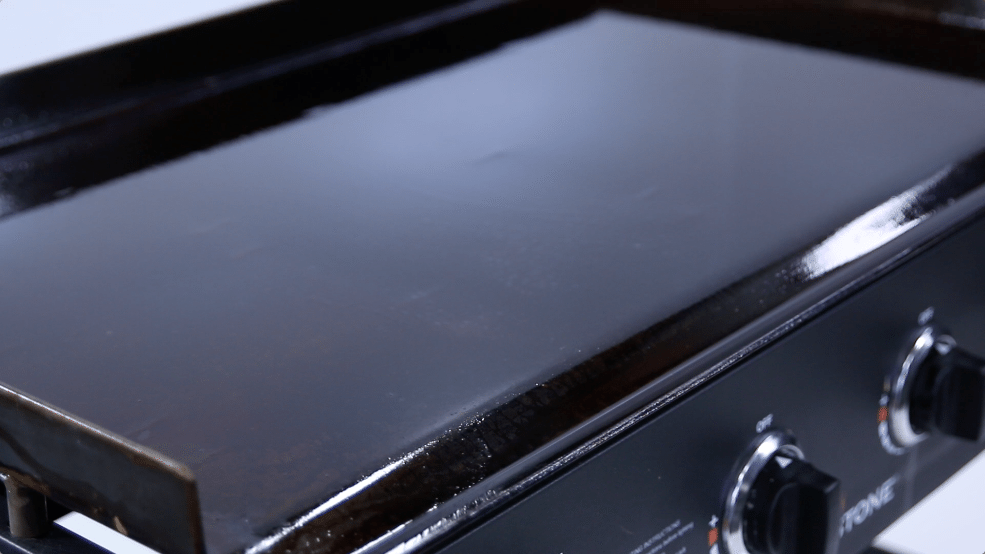
Apply a thin layer of oil after each use. Use oils with a high smoke point like canola or avocado oil. Spread the oil evenly across the griddle surface. Wipe off any excess to avoid sticky buildup. This simple step helps the seasoning grow stronger and smoother.
Burn Off Schedule
Burn off the oil layer after applying it. Heat the griddle until the oil starts to smoke and then let it cool. This process bonds the oil to the metal, forming a protective layer. Repeat this burn-off regularly to keep the seasoning intact and prevent rust.
Storage Tips
Store your griddle in a dry place to avoid moisture damage. After cleaning and oiling, cover the griddle with a weather-resistant cover. Avoid leaving water or food debris on the surface. Proper storage preserves the seasoning and extends the life of your griddle.
Credit: blackstoneproducts.com
Frequently Asked Questions
How Do You Prepare A Blackstone Griddle For The First Time?
Clean the griddle with water and mild soap to remove factory oils. Heat it on high until dry. Apply a thin coat of high smoke-point oil evenly. Heat until the oil smokes, then repeat 2-3 times. Finish with a light oil layer for storage.
What To Do Before Cooking On A Blackstone Griddle?
Before cooking on a Blackstone griddle, preheat it, scrape off debris, clean the surface, and apply a thin oil layer evenly.
How To Clean And Prepare A Blackstone Griddle?
Clean your Blackstone griddle with water and mild soap to remove oils. Heat it until dry. Apply a thin coat of high smoke-point oil. Heat until the oil smokes, then wipe off excess. Repeat oiling and heating 2-3 times. Finish with a thin oil layer for storage.
What Is The Best Oil To Use On A Blackstone Griddle?
The best oil for a Blackstone griddle has a high smoke point. Use canola, avocado, vegetable oil, or Blackstone seasoning oil. Apply thin layers and wipe off excess to prevent stickiness. These oils help build a durable, non-stick seasoning surface.
Conclusion
Properly prepping your Blackstone griddle sets the stage for great cooking. Clean it well to remove oils and dust. Heat the griddle and apply thin oil layers carefully. Repeat oiling and heating until the surface forms a strong seasoning. Use oils with a high smoke point for best results.
Keep the griddle clean after each use and add oil to maintain seasoning. With simple care, your griddle will stay non-stick and last longer. Enjoy cooking delicious meals anytime on a well-prepped Blackstone griddle.