How Often Do You Season a Blackstone Griddle: Ultimate Guide
If you own a Blackstone griddle, you probably wonder, “How often should I season it?” Seasoning is the secret to keeping your griddle’s surface smooth, non-stick, and rust-free. But here’s the good news: you don’t need to do a full seasoning every time you cook.
Instead, a simple routine after each use can build and maintain that perfect cooking surface over time. You’ll discover exactly when and how to season your Blackstone griddle so it stays ready for your next delicious meal. Keep reading to learn the easy steps that will make your griddle last for years and cook like a pro.
Seasoning Basics
Seasoning your Blackstone griddle keeps it non-stick and rust-free. It creates a protective layer of polymerized oil. This layer improves with use and care. Proper seasoning ensures better cooking results and longer griddle life.
Understanding when and how to season your griddle helps you keep it in top shape. There are three key steps: initial seasoning, routine maintenance, and deep re-seasoning.
Initial Seasoning
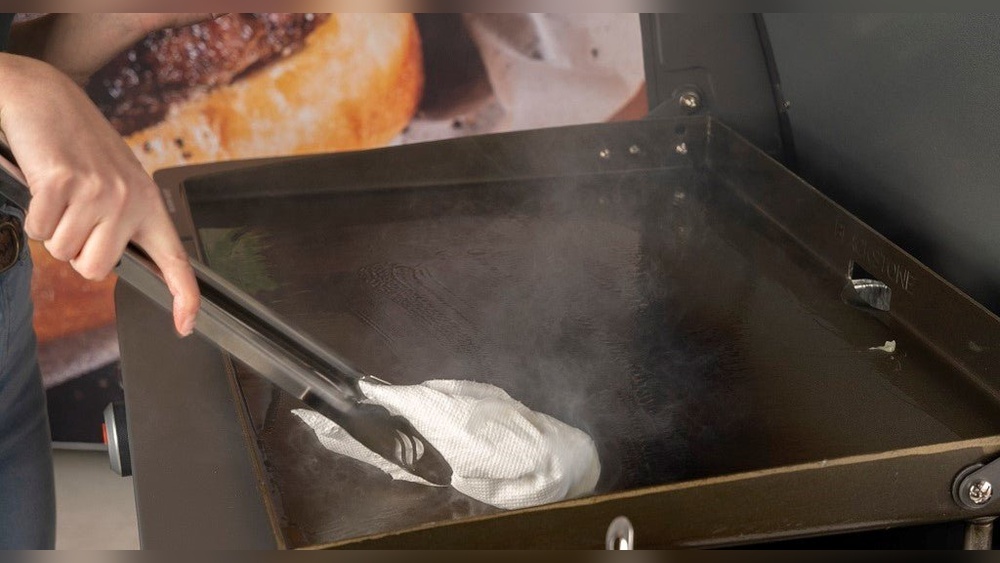
Start by cleaning the griddle surface to remove factory oils. Heat the griddle until it is very hot. Apply a thin coat of high-smoke point oil, like canola or vegetable oil. Use a cloth or paper towel to spread the oil evenly. Let the oil bake into the surface for about 30-60 minutes. This process creates the first protective layer. Initial seasoning only needs to be done once on a new griddle.
Routine Maintenance
After each use, clean the griddle while it is still warm. Scrape off food bits to avoid buildup. Optionally, pour a little water to create steam and help loosen stuck food. Dry the griddle fully to stop rust. Apply a very thin layer of oil across the surface. Wipe off any excess oil until you see a light shine. This routine helps maintain and build the seasoning over time. It protects against rust and keeps the surface smooth for cooking.
Deep Re-seasoning
Deep re-seasoning is necessary if the surface looks dull or patchy. Also do it if food sticks badly or if rust appears. Sometimes the seasoning flakes or feels sticky. This means the protective layer is damaged. Remove old seasoning by scrubbing or using a grill cleaner. Then repeat the initial seasoning process. Deep re-seasoning restores the non-stick surface and prevents rust. It is needed only occasionally, such as every few months or years depending on use.

Credit: www.reddit.com
Post-cook Maintenance
Post-cook maintenance keeps your Blackstone griddle in top shape. It prevents rust and keeps the cooking surface smooth. Regular care after each use builds up the seasoning layer. This layer protects the griddle and improves food release over time.
Follow simple steps after cooking to clean and oil your griddle. These steps help keep the surface ready for the next meal. Proper maintenance also extends the life of your griddle and keeps it looking good.
Scraping Food Residue
Scrape the griddle while it is still warm. Use a metal scraper to remove stuck-on food bits. This prevents buildup that can cause rust or uneven cooking. Remove all residue to keep the surface clean and smooth.
Steam Cleaning Technique
Add a small amount of water to the hot griddle. The steam loosens stuck food and grease. Scrape again to remove any remaining bits. This method cleans the surface without harsh chemicals. It also helps keep the seasoning layer intact.
Drying And Oiling
Wipe the griddle dry with a clean cloth or paper towel. Apply a thin coat of high-heat oil like canola or vegetable oil. Spread the oil evenly across the entire surface. Wipe off excess oil until only a light sheen remains. This protects the metal and builds seasoning for next use.
Signs For Deep Re-seasoning
Knowing when to deep re-season your Blackstone griddle keeps it cooking smoothly. Regular maintenance is good, but some signs show your griddle needs a full seasoning redo. Watch for changes in the cooking surface and texture. Acting at the right time protects your investment and improves food taste.
Dull Or Patchy Surface
A healthy griddle shines with a smooth, dark finish. A dull or patchy surface shows the seasoning is wearing thin. Food may stick more and cook unevenly. This uneven look means the protective layer is breaking down. Deep re-seasoning restores the surface and prevents further damage.
Rust Formation
Rust spots appear when moisture sits on the griddle too long. Rust damages the metal and ruins seasoning. Small rust patches need quick attention before spreading. Deep re-seasoning removes rust and rebuilds a strong protective coating. Keep the griddle dry and oiled to avoid rust.
Flaking Or Gummy Seasoning
Flaking seasoning peels off in thin layers during cooking. Gummy seasoning feels sticky and soft instead of hard and smooth. Both signs mean old seasoning breaks down and loses its non-stick power. Deep re-seasoning strips old layers and creates a fresh, durable surface. This keeps cooking safe and easy.
Seasoning Frequency Tips
Knowing how often to season your Blackstone griddle keeps it cooking great. Proper seasoning protects the surface and prevents rust. Different situations call for different seasoning frequencies. Here are simple tips to help you maintain your griddle.
After Every Cook
Always clean your griddle after cooking while it is still warm. Scrape off food bits to avoid buildup. Add a little water to create steam and scrape again if needed. Wipe the surface dry with a cloth. Apply a thin coat of high-heat oil evenly. This keeps the surface smooth and non-stick. Light oiling after each use builds up seasoning over time.
Every Few Months Or Years
Do a full reseasoning if the surface looks dull or patchy. If food sticks more than usual, it is time to reseason. Rust spots or flaking seasoning mean a deep reseason is needed. This process restores the protective layer and improves cooking quality. Plan to reseason every few months or years based on use and condition.
After Long Disuse
When your griddle sits unused for a long time, check for rust and dryness. Clean it well to remove dust and debris. Apply a full seasoning to refresh the surface. This step prevents damage and prepares the griddle for cooking again. Regular checks after long breaks keep your griddle ready for action.
Testing Seasoning Quality
Testing the seasoning quality of your Blackstone griddle helps keep its cooking surface smooth and non-stick. Checking the seasoning regularly lets you know if the griddle needs more oil or a full reseasoning. Simple tests reveal how well the seasoning protects the metal and improves cooking results.
Surface Color Changes
Look at the griddle’s surface color to judge seasoning quality. A well-seasoned griddle usually shows a dark, almost black color. If the surface looks dull, gray, or rusty, the seasoning may be wearing off. Darker colors mean the oil layers have bonded well with the metal. Lighter or patchy colors signal it’s time to add more oil or reseason.
Food Stickiness Check
Cook a small piece of food to test stickiness. If food sticks or tears easily, the seasoning is weak. A good seasoning creates a slick, non-stick surface that releases food smoothly. Sticky spots show uneven seasoning or wear. Clean the griddle well and apply a thin oil layer after cooking to improve this.
Water Bead Test
Sprinkle a few drops of water on the griddle surface. If the water beads up and rolls around, the seasoning is strong. Water should not spread flat or evaporate immediately. Beading means the oil layers repel water well. Flat water spots mean the seasoning is thin or damaged and needs attention.

Credit: www.reddit.com
Best Oils For Seasoning
Choosing the right oil is key to seasoning your Blackstone griddle effectively. The oil forms a protective, non-stick layer that improves with each use. Not all oils handle the high heat of a griddle well. Selecting oils with high smoke points ensures a durable seasoning layer that resists burning and flaking. Here are some of the best oils to use for seasoning your griddle.
High-heat Vegetable Oils
Vegetable oils that withstand high temperatures work best for seasoning. They create a strong, even coating on the griddle surface. Oils like soybean, sunflower, and safflower have smoke points above 400°F. These oils polymerize well, bonding tightly to the metal. Using them helps build a smooth, durable seasoning layer that lasts through many cooks.
Canola Oil Benefits
Canola oil is popular for griddle seasoning due to its high smoke point around 400°F. It is affordable and easy to find in most stores. Canola oil forms a thin, even layer that hardens nicely when heated. It also has a neutral flavor that does not affect your food taste. Regular use of canola oil keeps your Blackstone griddle non-stick and protected.
Avoiding Excess Oil
Applying too much oil can cause sticky or uneven seasoning. Use only a thin coat after cleaning your griddle. Wipe away any extra oil with a paper towel until the surface looks shiny but not wet. Excess oil can pool and create sticky spots that attract dirt. Thin layers build a better seasoning that lasts longer and cooks evenly.
Maintaining Non-stick Surface
Maintaining the non-stick surface of your Blackstone griddle ensures better cooking results and longer griddle life. Proper care keeps the surface smooth and prevents food from sticking. This requires regular attention to oiling, cooking habits, and cleaning methods.
Consistent Light Oiling
Apply a thin layer of oil after every use. This light coating protects the surface from rust and builds up seasoning. Use high-heat oils like canola or vegetable oil for best results. Avoid heavy oil layers that can cause sticky spots.
Cooking Regularly
Frequent cooking helps maintain the seasoning naturally. Heat breaks down the oil and bonds it to the metal surface. Every meal adds to the protective layer, improving non-stick qualities. Skipping use for long periods can cause rust and dullness.
Cleaning Without Harsh Chemicals
Clean the griddle with gentle scraping and warm water only. Avoid soaps or harsh detergents as they strip away seasoning. Use a scraper or spatula to remove food bits while the surface is warm. Dry the surface thoroughly before oiling.

Credit: www.reddit.com
Frequently Asked Questions
Do You Have To Season A Blackstone Griddle Every Time?
You don’t need to fully season your Blackstone griddle every time. Clean and lightly oil it after each use. Deep reseason only if rust, flaking, or sticking occurs. Regular maintenance builds seasoning over time and keeps the surface non-stick and rust-free.
How Do You Know When Blackstone Is Seasoned Enough?
You know Blackstone is seasoned enough when the surface looks smooth, dark, non-stick, and resists rust. Food should cook evenly without sticking.
What Is The Best Oil To Season A Flat Top?
The best oil to season a flat top is high-smoke-point oil like flaxseed, canola, or vegetable oil. These oils create a durable, non-stick surface.
How Do You Properly Season A Blackstone Griddle?
Heat the griddle, scrape off debris, apply a thin coat of high-heat oil, and wipe excess. Repeat after each use. Deep season only if rust or flaking appears.
Conclusion
Season your Blackstone griddle initially before first use. After cooking, clean and apply a thin oil layer each time. This simple routine stops rust and keeps food from sticking. Deep reseasoning is only needed if the surface dulls, rusts, or flakes.
Cooking often helps build seasoning naturally. Keep oiling lightly and enjoy better cooking results over time. Regular care makes your griddle last longer and perform well.