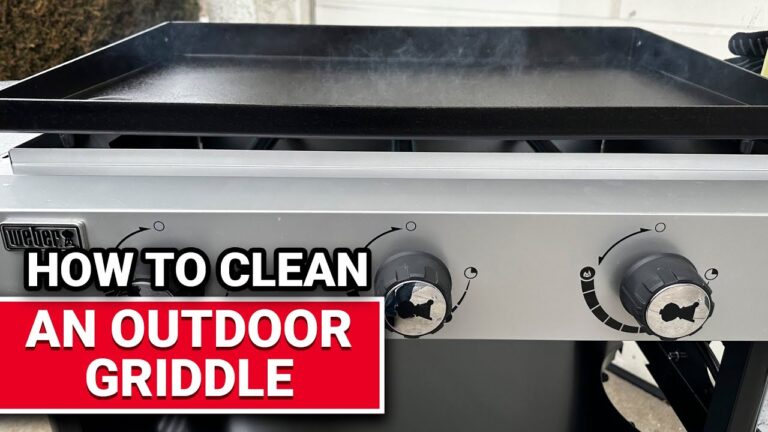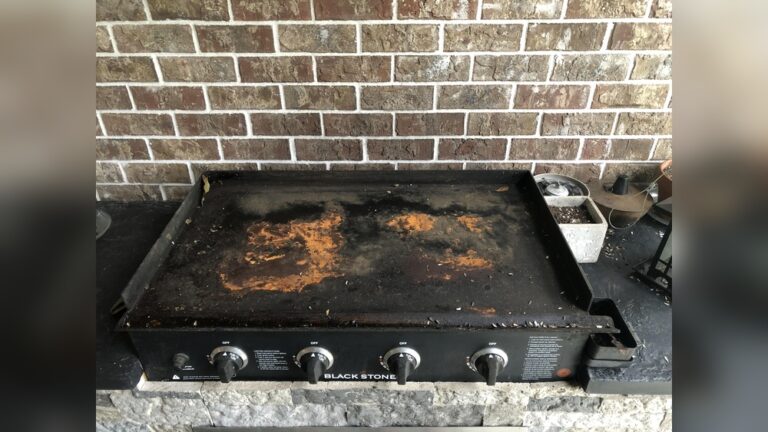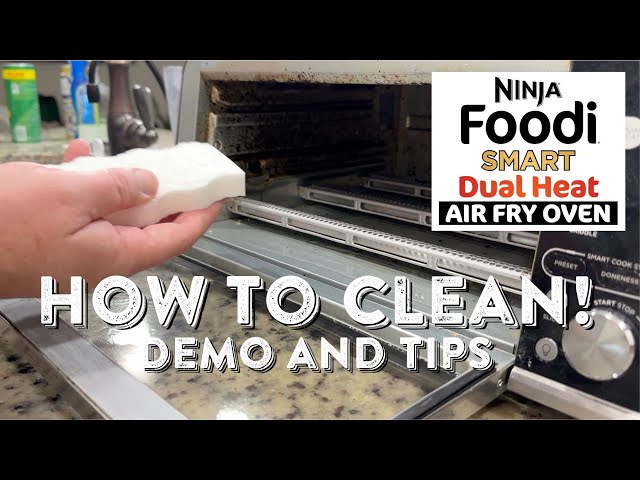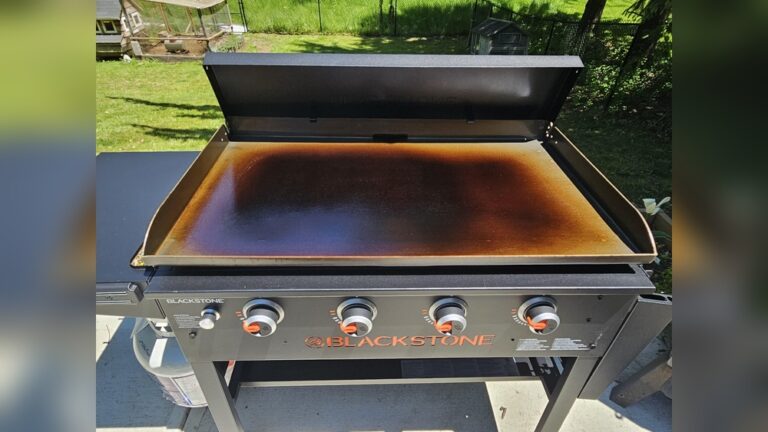
How To Clean Electric Griddle: Quick Guide & Tips
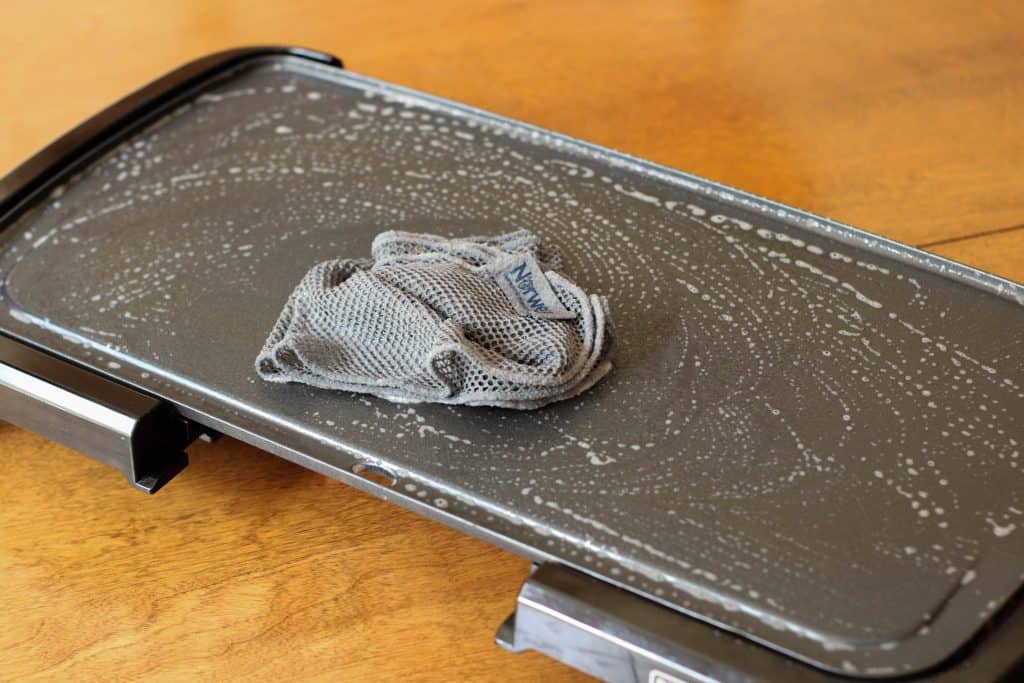
Unplug, cool, scrape residue, wipe with soapy cloth, wipe clean, dry, re-season.
If you want a spotless surface and even heat every time, you need a method that works. In this guide, I’ll show you how to clean electric griddle the safe, simple, and smart way. I’ve cleaned everything from budget nonstick plates to pro-grade steel, and I’ll share what actually works, what ruins coatings, and how to make your griddle last for years.

Understand Your Electric Griddle: Surface, Parts, and Limits
Not all griddles clean the same way. Knowing the surface and parts helps you avoid damage and save time later.
Most home electric griddles use a nonstick aluminum plate. Some premium models use ceramic nonstick. A few have removable stainless steel or cast iron plates. The control probe and heating channel must stay dry.
Key points I use on every job:
- Nonstick plates do not need seasoning. Use mild soap and a soft sponge.
- Steel or cast iron plates can benefit from a light oil finish after cleaning.
- Never soak an electric base or control probe. Water can ruin the wiring and thermostat.
- Always check the manual for your exact model.
If you’re here to learn how to clean electric griddle the right way, knowing your surface is step one.

Safety First: Prep Before You Clean
A clean griddle is great. A safe clean griddle is better. Start here to protect the plate and the wiring.
- Unplug the unit first. Let it cool until warm, not hot.
- Remove the control probe if it detaches. Keep that area dry.
- Empty the drip tray. Grease can spill fast when you tilt the unit.
- Move to a flat, dry counter. Lay down a towel to keep it steady.
These steps sound basic. But they prevent most mishaps I’ve seen. They also set the stage for a quick, easy clean when you follow how to clean electric griddle steps below.

Tools and Supplies You’ll Need
You do not need fancy chemicals. Keep it gentle. Keep it simple.
- Soft sponge or non-scratch pad
- Nylon scraper or plastic bench scraper
- Microfiber cloths or paper towels
- Mild dish soap
- Warm water in a bowl or spray bottle
- Baking soda for stuck-on spots
- White vinegar for mineral film or odor
- Food-grade mineral oil or neutral oil for steel or cast iron plates
- Cotton swabs or a soft brush for edges and grease channels
I reach for these same tools each time I show someone how to clean electric griddle at home.
Step-by-Step: Daily Cleaning That Actually Works
This is the everyday routine I use in my kitchen and teach to clients. It’s fast, safe, and gentle on coatings.
- Unplug and cool to warm. Warm helps loosen grease without risk.
- Scrape gently. Use a nylon scraper to lift food bits toward the drip edge.
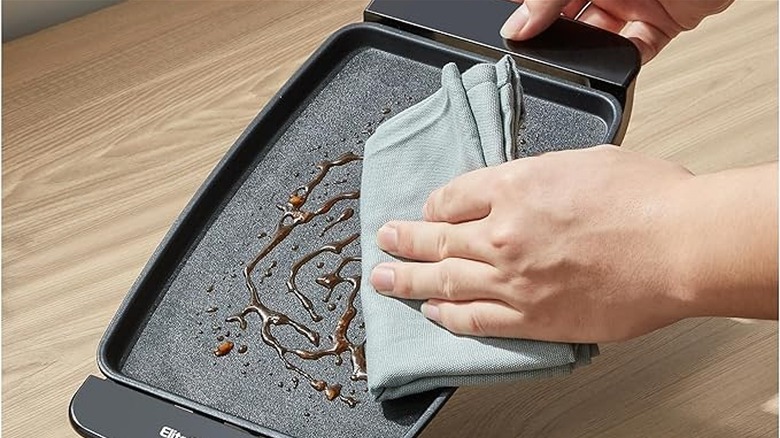
- Wipe with soapy water. Dampen a cloth with warm water and a drop of soap. Wipe the plate in small circles.
- Clean the drip tray. Wash with hot, soapy water and dry it well.
- Wipe with clean water. Use a cloth with plain warm water to remove soap film.
- Dry fully. Use a dry towel. Pay attention to the edges and probe port.
- Light oil if needed. For steel or cast iron plates, rub a drop of oil on a cloth and wipe thin. For nonstick, skip the oil or wipe a whisper-thin film if the surface looks dry.
This routine takes 5 to 8 minutes. Do it after each cook. If you are looking up how to clean electric griddle for daily use, this is your base plan.
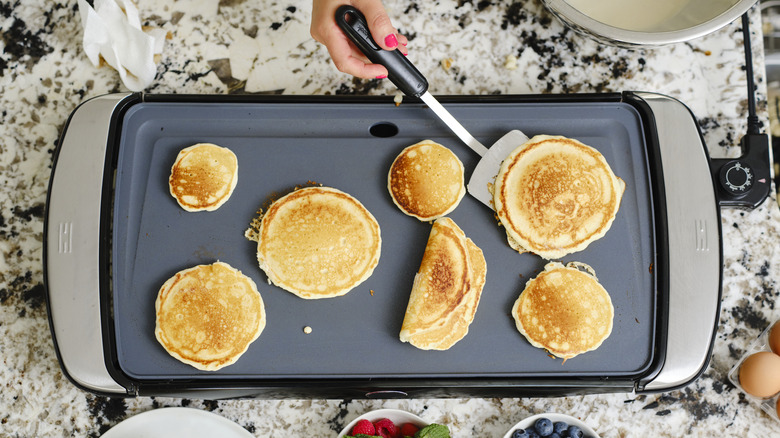
Deep Cleaning: Burnt-On Gunk and Grease Channels
Sometimes life happens. A sugary batter burns. Burgers leave a varnish. Here is how to deep clean without wrecking the surface.
For nonstick plates:
- Warm the plate for 2 minutes, then unplug. Heat softens grease.
- Make a paste of baking soda and warm water. Dab it on stuck spots.
- Wait 5 to 10 minutes. Wipe with a soft sponge. Do not scrub hard.
- Spray or wipe with vinegar if you see a film. Then wipe with plain water.
- Dry and inspect. Stains that remain but feel smooth are often safe to ignore.
For steel or cast iron plates:
- Use a non-scratch pad with warm soapy water. Scrub with light pressure.
- For heavy carbon, use baking soda paste. Rinse with a damp cloth.
- Dry, then season with a thin coat of neutral oil. Heat the plate for a few minutes to set the oil.
For grease channels and edges:
- Use a soft brush or a cotton swab. These spots hide more grime than you think.
- Check the area near the probe port. Keep it dry and clean.
I have revived many “ruined” plates with this method. If you searched how to clean electric griddle after a big mess, this deep clean is your fix.
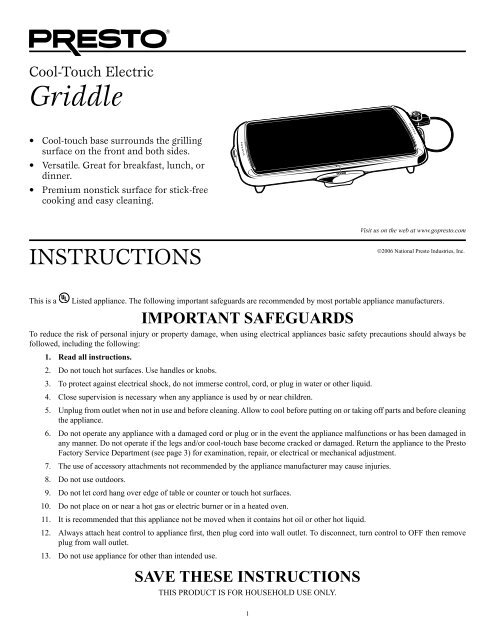
Cleaning the Control Probe, Cord, and Underside
The control probe and cord are delicate. Treat them with care.
- Unplug and let everything cool.
- Wipe the probe with a slightly damp cloth. Keep water away from the dial and connector.
- Wipe the cord with a dry or barely damp cloth. Dry at once.
- Wipe the underside and feet of the griddle base. Grease here causes wobble and smoke.
Never submerge the base or probe. I cannot stress this enough. It’s the number one mistake I see when people ask how to clean electric griddle and then wonder why it will not heat.
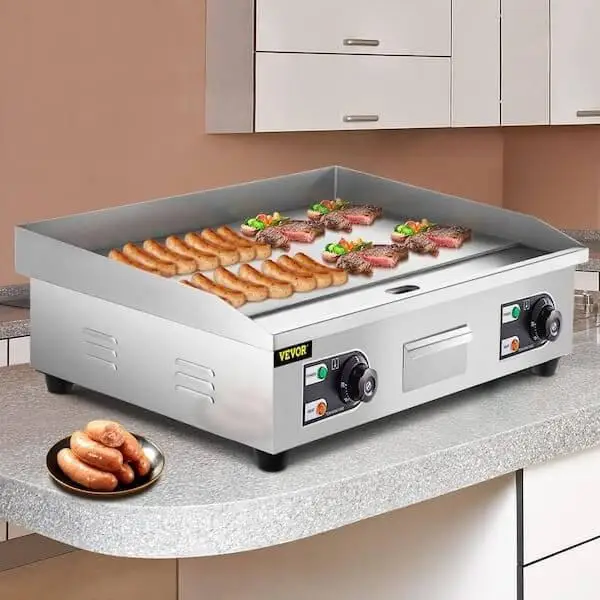
Seasoning and Surface Protection
Not every griddle needs seasoning. Here’s what to do for different plates.
Nonstick or ceramic nonstick:
- No classic seasoning needed. A very thin oil wipe is optional.
- Avoid aerosol sprays with lecithin. They can build up and get sticky.
Stainless steel or cast iron plates:
- After cleaning, wipe a drop of neutral oil on the warm plate.
- Heat on low for 3 to 5 minutes. Let it cool. Wipe off excess.
- This helps prevent rust and keeps the surface slick.
Light oiling also helps prevent that chalky look that makes people ask how to clean electric griddle when the plate still looks dull.
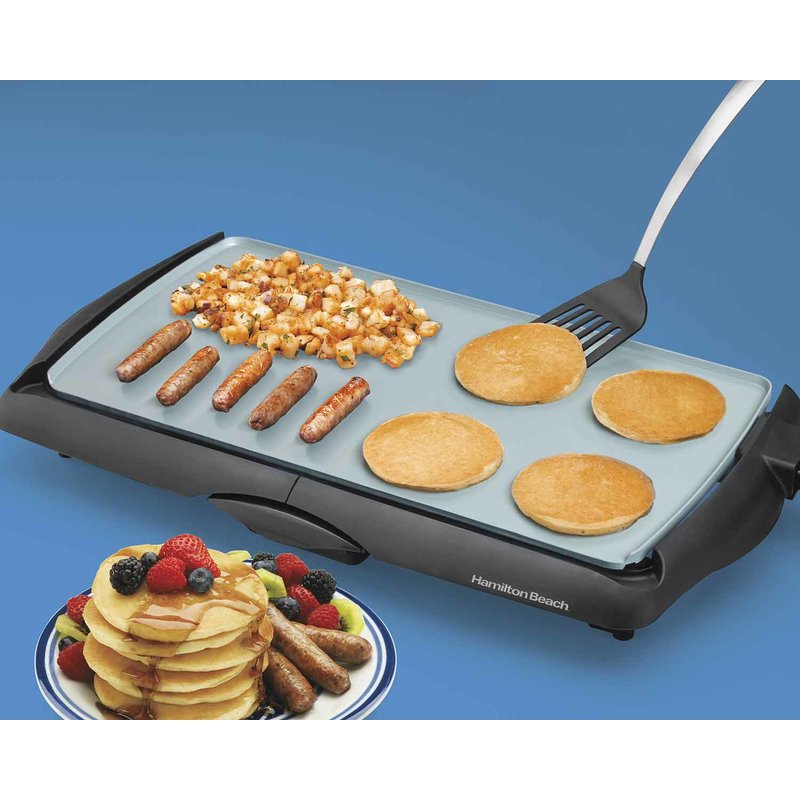
Mistakes to Avoid
These errors shorten the life of your griddle. Skip them and save your surface.
- Steel wool or harsh scouring powders. They scratch coatings fast.
- Soaking the base in water. It can short the wiring.
- Harsh oven cleaners or bleach. They ruin nonstick and seals.
- Storing the unit wet. Trapped water leads to rust and odor.
- Cooking spray buildup. Use real oil on a paper towel instead.
- Scraping with metal tools. Use nylon or wood instead.
Each point above comes from real calls I have answered. People who learn how to clean electric griddle the right way avoid these pitfalls.
Troubleshooting After Cleaning
If something feels off after cleaning, try these quick checks.
Sticky or tacky surface:
- Likely oil or spray buildup. Use warm soapy water and a soft sponge. Rinse with a damp cloth and dry.
Uneven heat:
- Check that the probe is fully seated. Clean the contact area. Make sure the plate sits flat.
Smoke on first heat:
- Leftover oil is burning off. Wipe with a damp cloth while warm. Dry and reheat.
White spots or haze:
- Mineral deposits from water. Wipe with vinegar, then plain water.
If problems persist, check your manual. Many people ask how to clean electric griddle and miss the small step of reseating the probe. It matters.
Eco-Friendly and Quick-Clean Hacks
You can save time and reduce waste with a few small habits.
- Use a spray bottle of warm, soapy water. Two sprays per session is enough.
- Reusable microfiber cloths beat paper towels. Wash and reuse.
- For stuck sugar or sauce, set the plate to low. Unplug. Add a damp cloth and let gentle steam loosen grime. Then wipe.
- Switch to oils in a squeeze bottle. One drop on a towel goes a long way.
These little moves make how to clean electric griddle fast and kind to your wallet and the planet.
Maintenance Schedule and Smart Storage
A simple schedule keeps your griddle reliable and clean.
Daily:
- Wipe the plate, edges, and drip tray.
- Dry fully before storage.
Weekly:
- Deep clean corners, grease channels, and the underside.
- Inspect the cord and probe for wear.
Monthly:
- For steel or cast iron, do a full light seasoning.
- Check feet and screws. Tighten if needed.
Storage tips:
- Store upright if possible to save space and protect the plate.
- Wrap the cord loosely. Keep the probe separate and dry.
- Keep a soft cloth between stacked items to avoid scratches.
When readers ask how to clean electric griddle and make it last, this simple plan is my go-to.
Frequently Asked Questions of how to clean electric griddle
How often should I clean my electric griddle?
Clean it after every use with a quick wipe and dry. Do a deeper clean weekly if you cook often or make sticky foods.
Can I put my electric griddle in the dishwasher?
Do not put the base or probe in the dishwasher. Only removable plates and drip trays, if labeled dishwasher-safe, should go in.
What soap is safe for nonstick griddles?
Use mild dish soap with warm water. Avoid harsh degreasers or abrasive powders that can damage the coating.
Why does my griddle still smell after cleaning?
Leftover oil or trapped grease in the drip channel can cause odor. Clean the drip tray, wipe edges, and run the plate warm for a few minutes to burn off residue.
Is baking soda safe on nonstick surfaces?
Yes, in a gentle paste with water and a soft sponge. Do not scrub hard or use gritty pads.
Do I need to season a nonstick electric griddle?
No, nonstick does not need classic seasoning. A very light oil wipe is optional if the surface looks dry.
Can I use vinegar on my griddle?
Yes, vinegar helps remove mineral film and odor. Wipe with plain water after to remove any taste.
Conclusion
A clean griddle cooks better, lasts longer, and feels great to use. Now you know how to clean electric griddle step by step, from a fast daily wipe to a smart deep clean. Keep it gentle, keep it dry, and protect the parts that matter.
Put this plan to work on your next cook. Try the warm-wipe method tonight, then set a weekly deep clean reminder. Want more kitchen care tips like how to clean electric griddle and other gear? Subscribe, share your questions, or leave a comment with your model and challenges.